




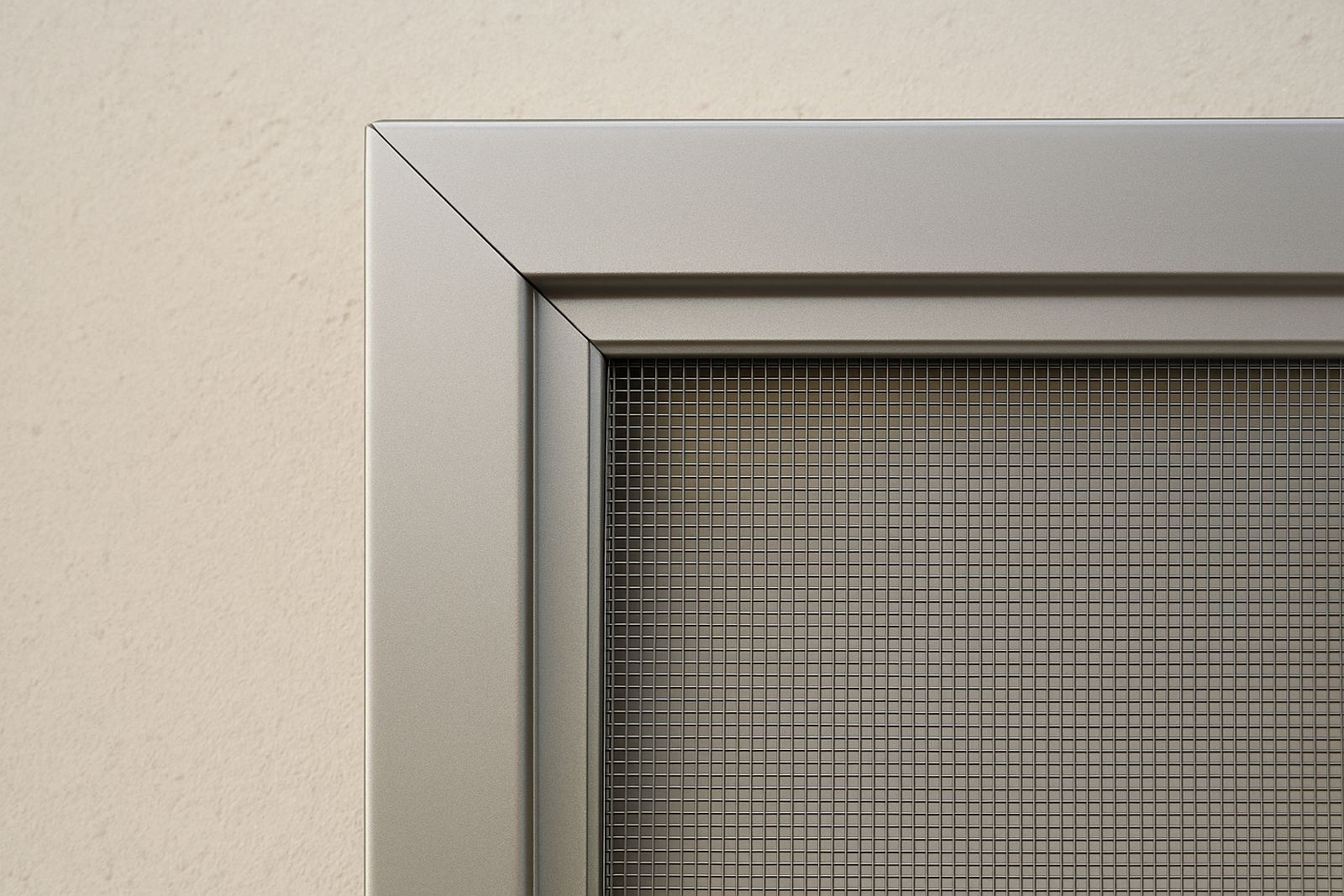
Start With the Screen Problem at Your Property
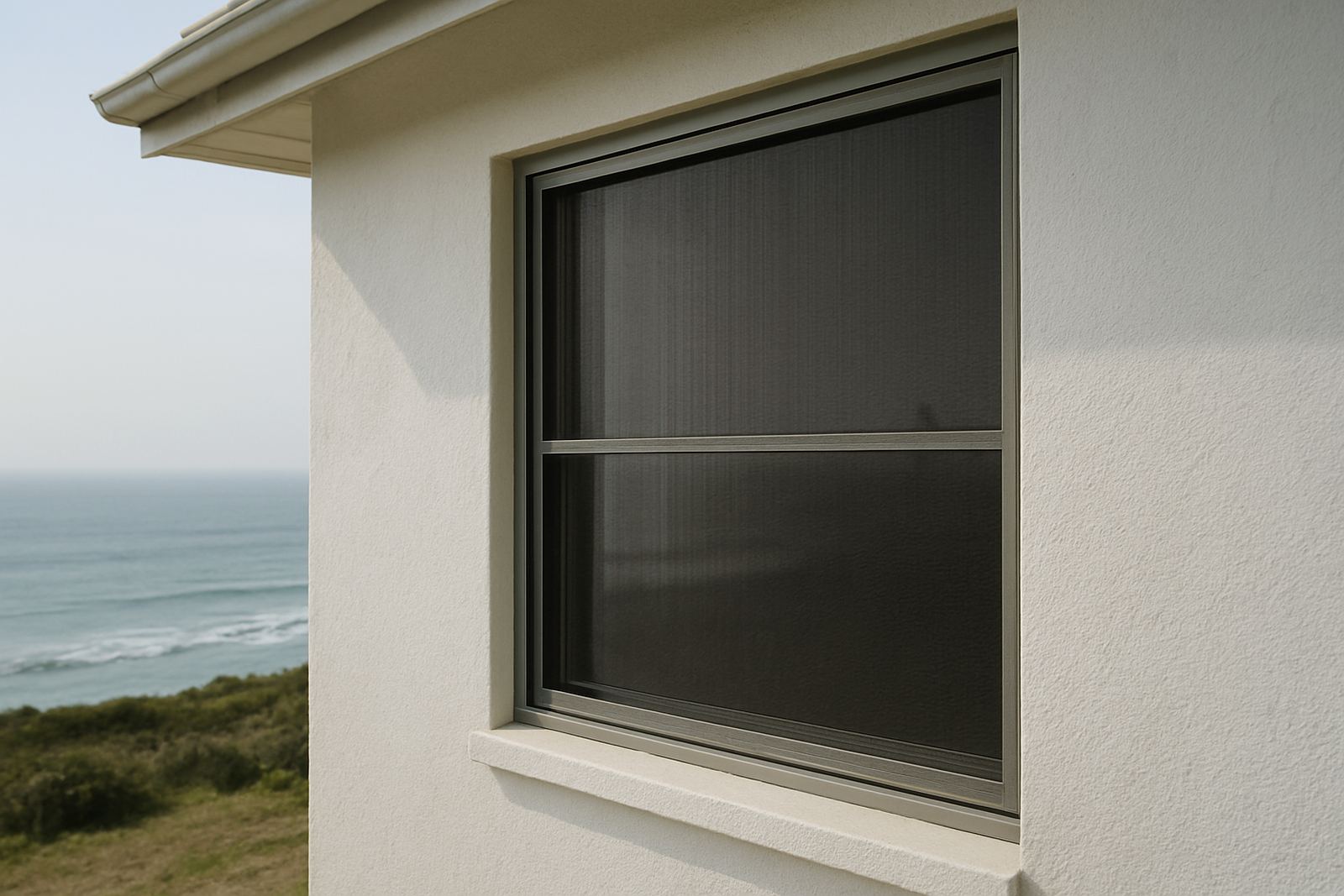
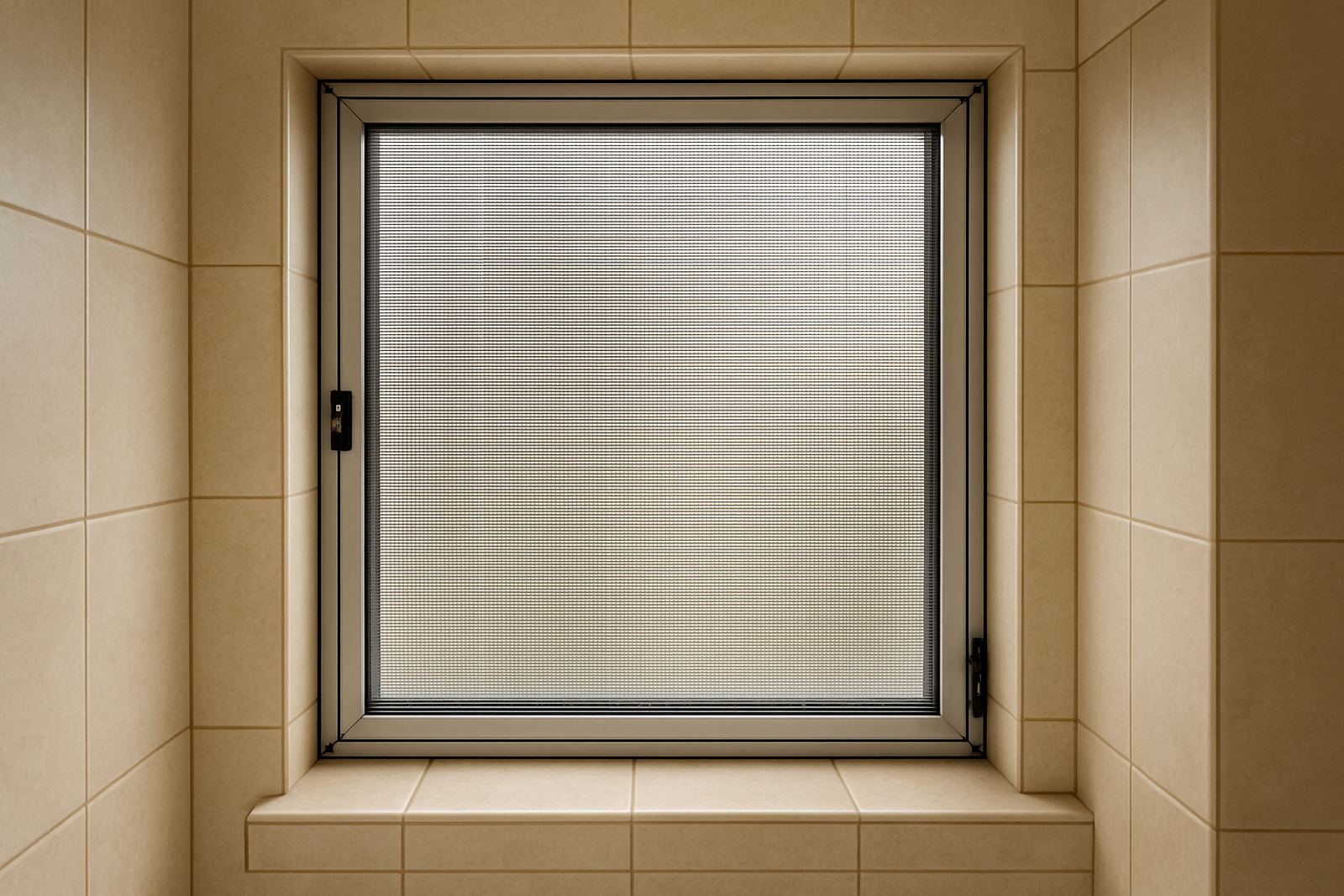
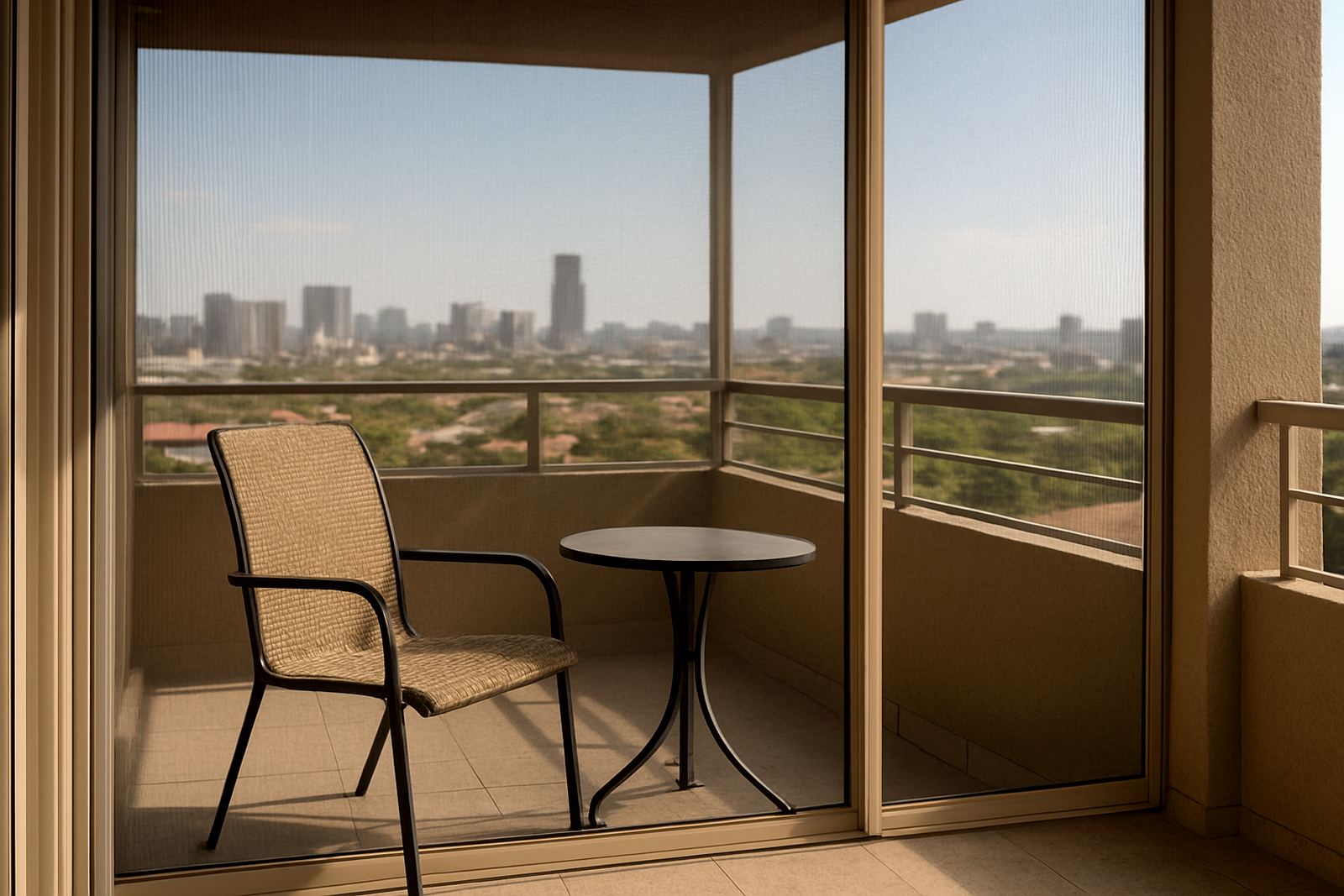
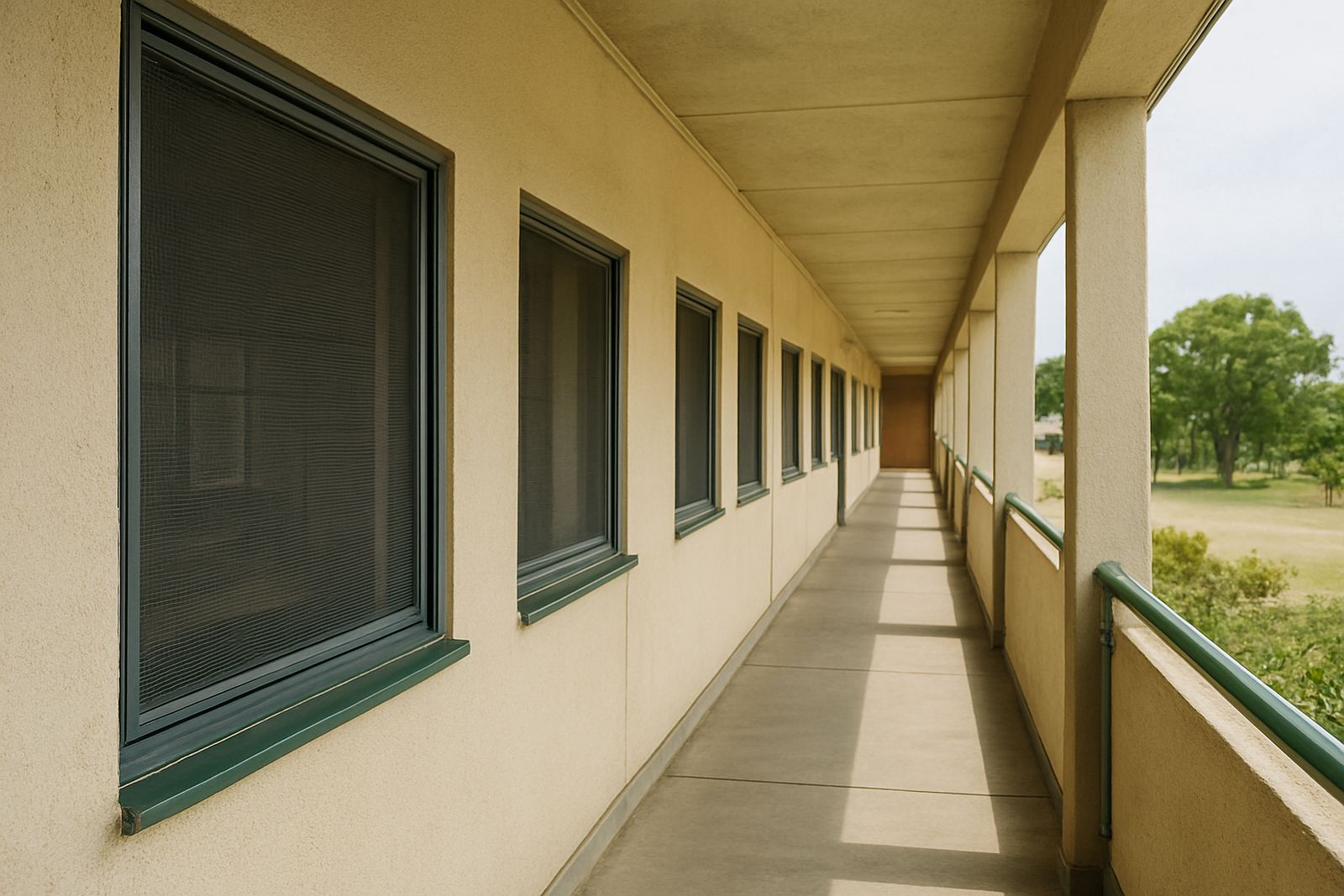
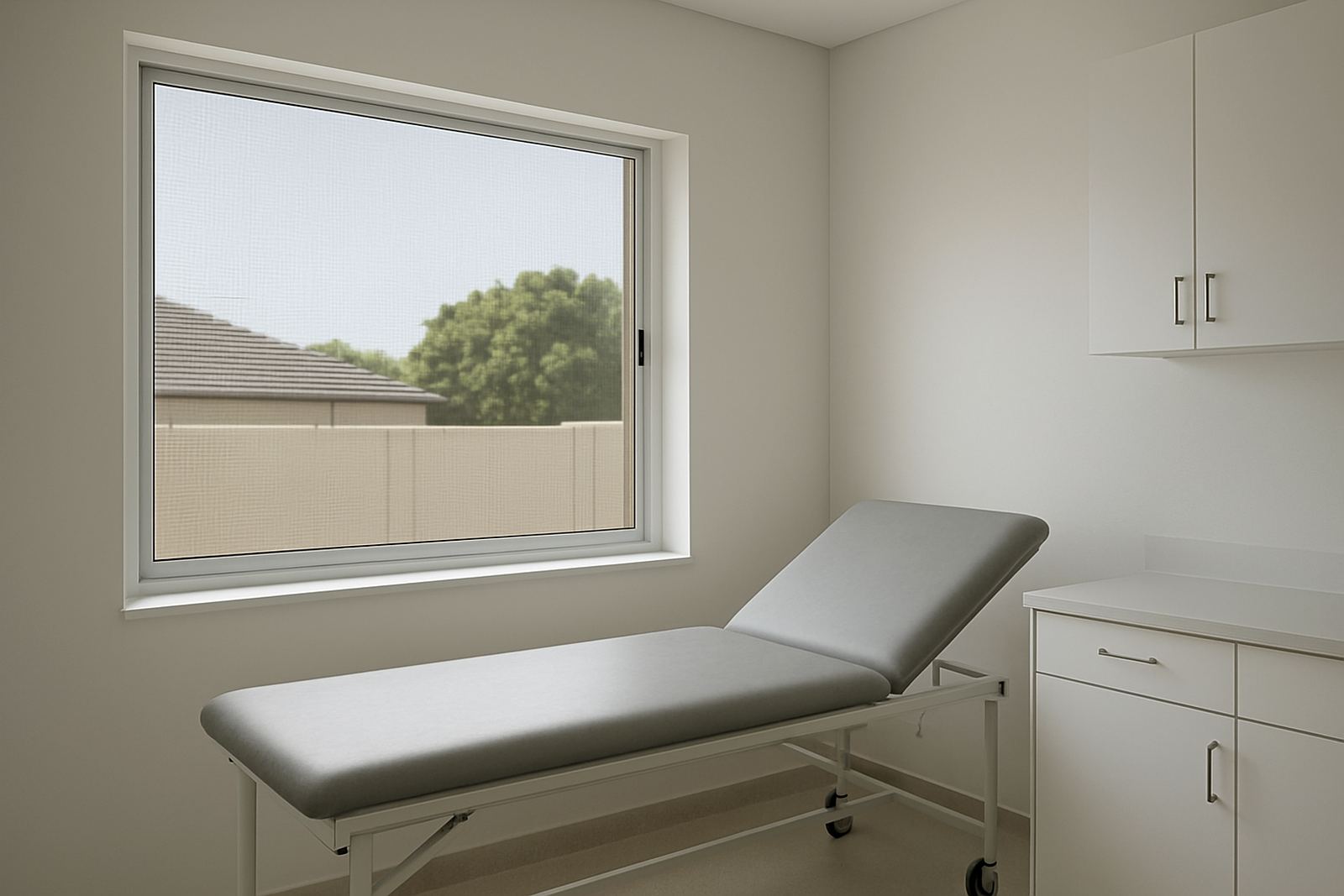
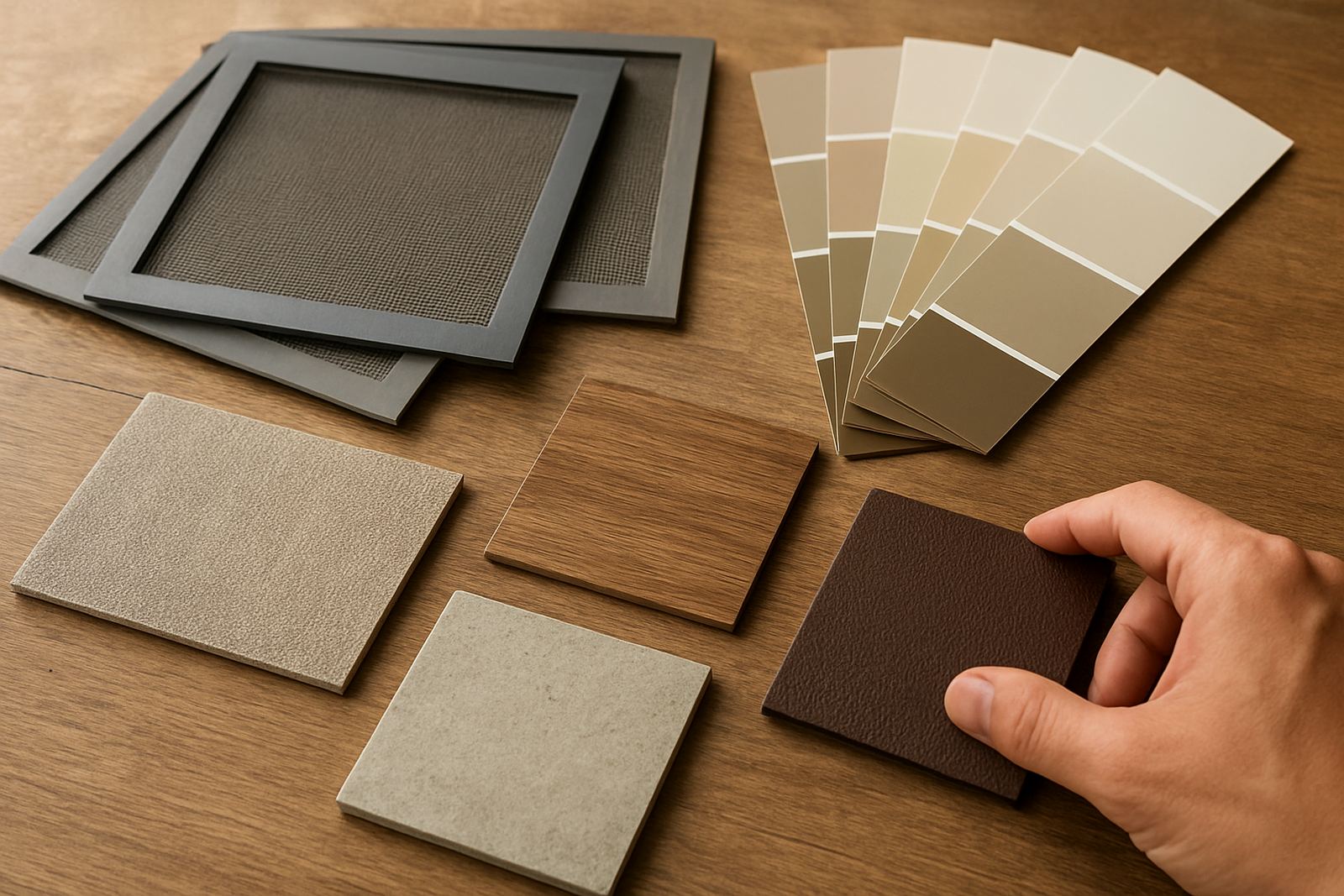
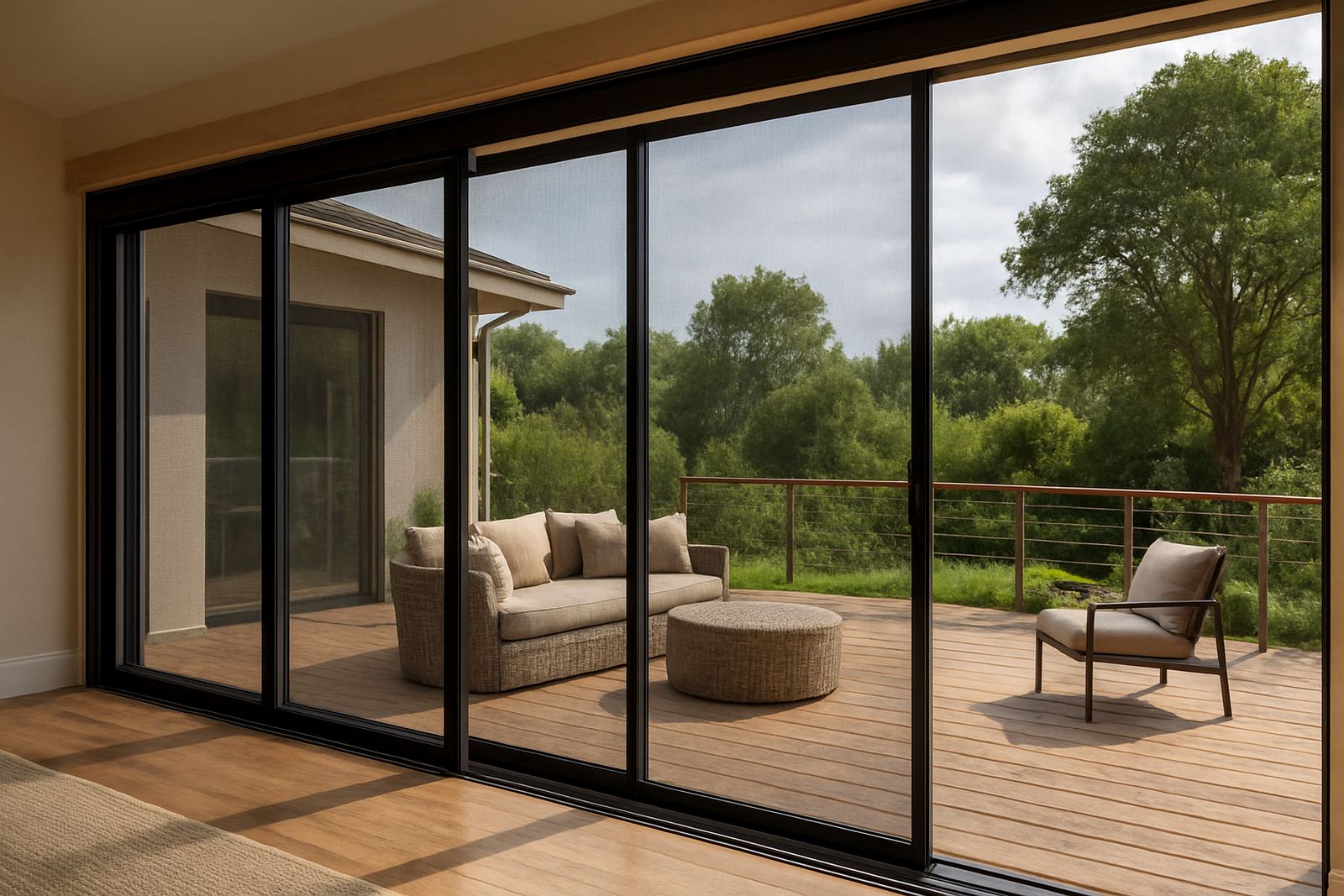
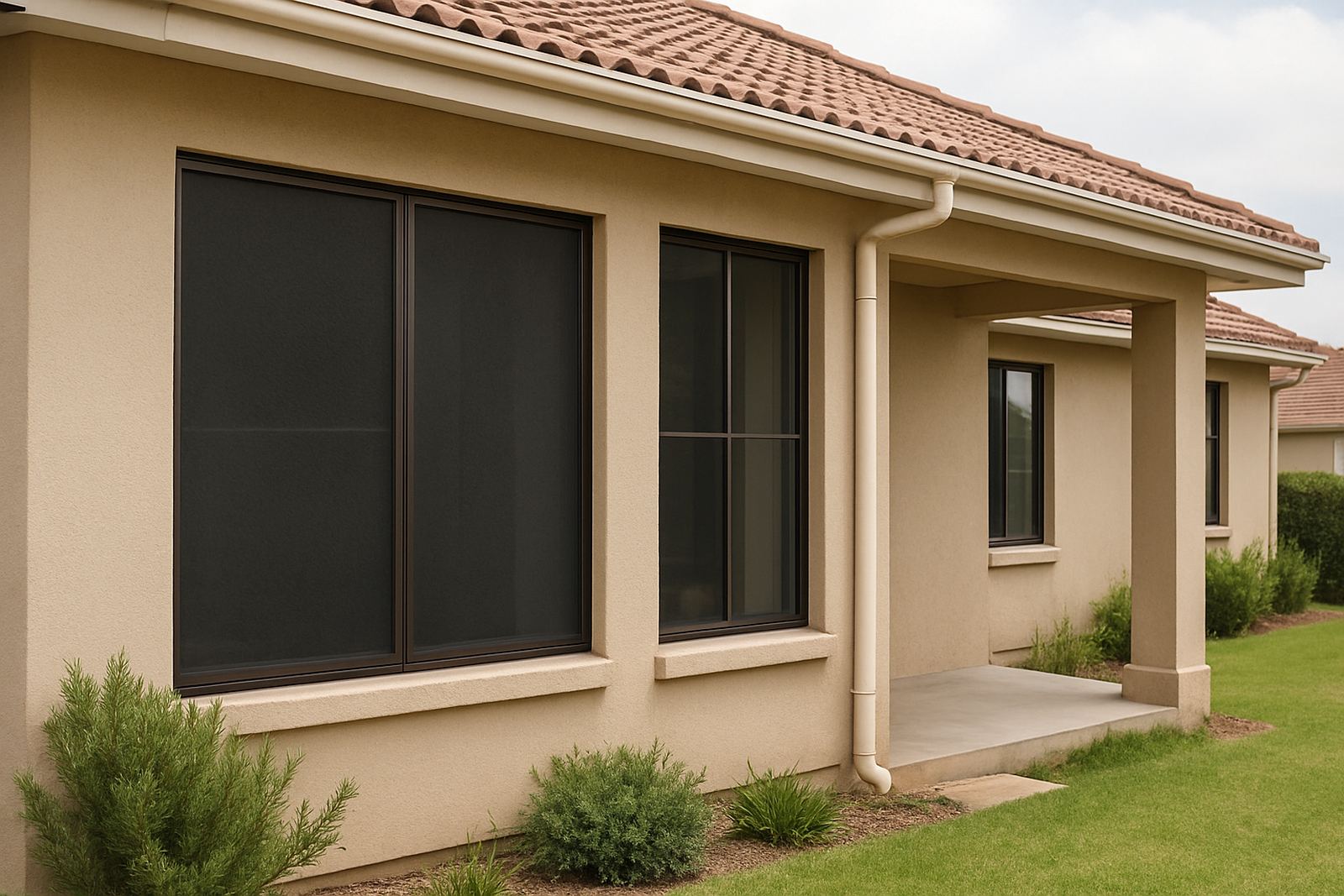
Different properties need different answers. A beach house in St Francis Bay faces wind and salt air, while a family home in Walmer may need better insect control and more privacy after dark. Once you know what matters most, it is easier to choose the right screen or shading option.
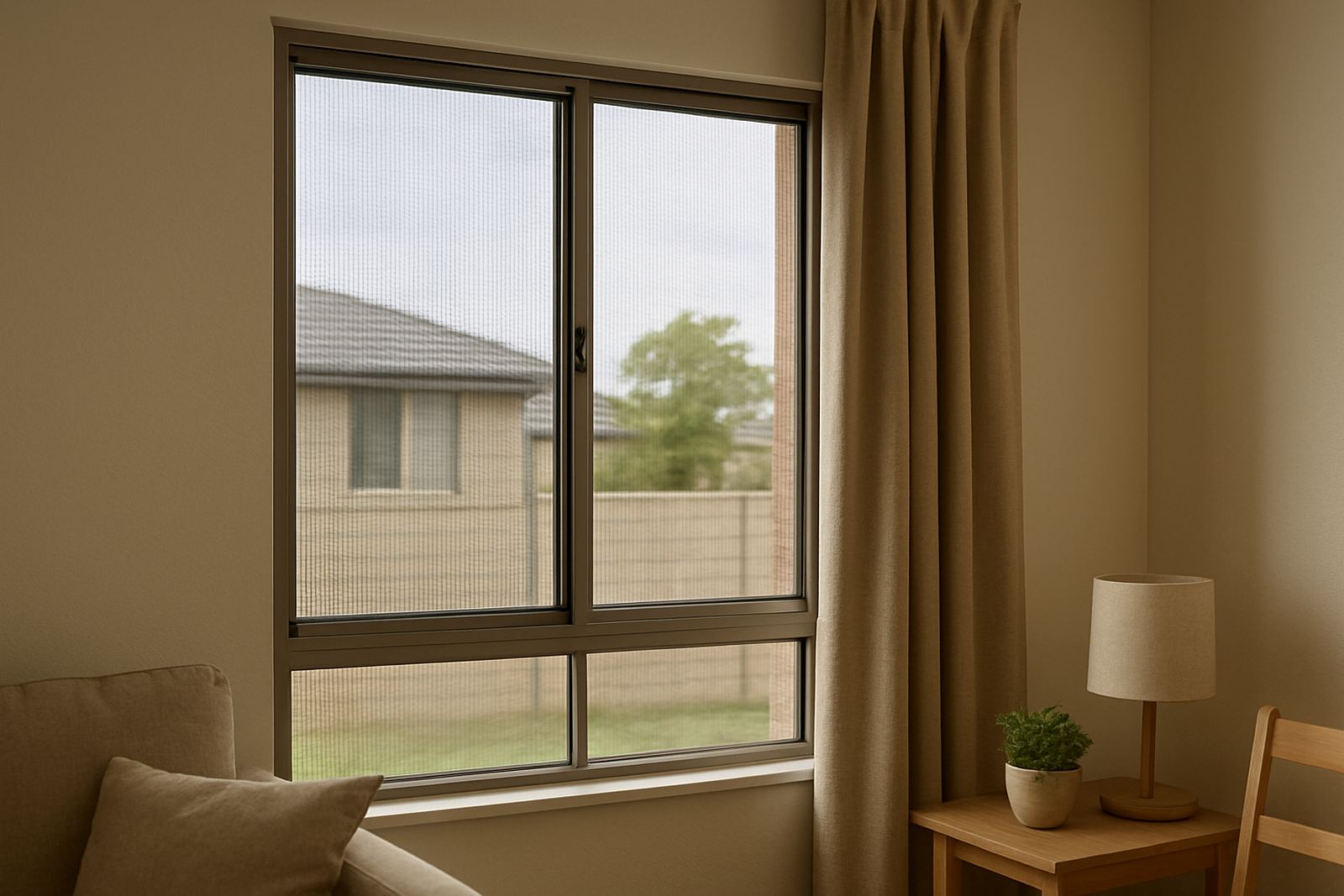
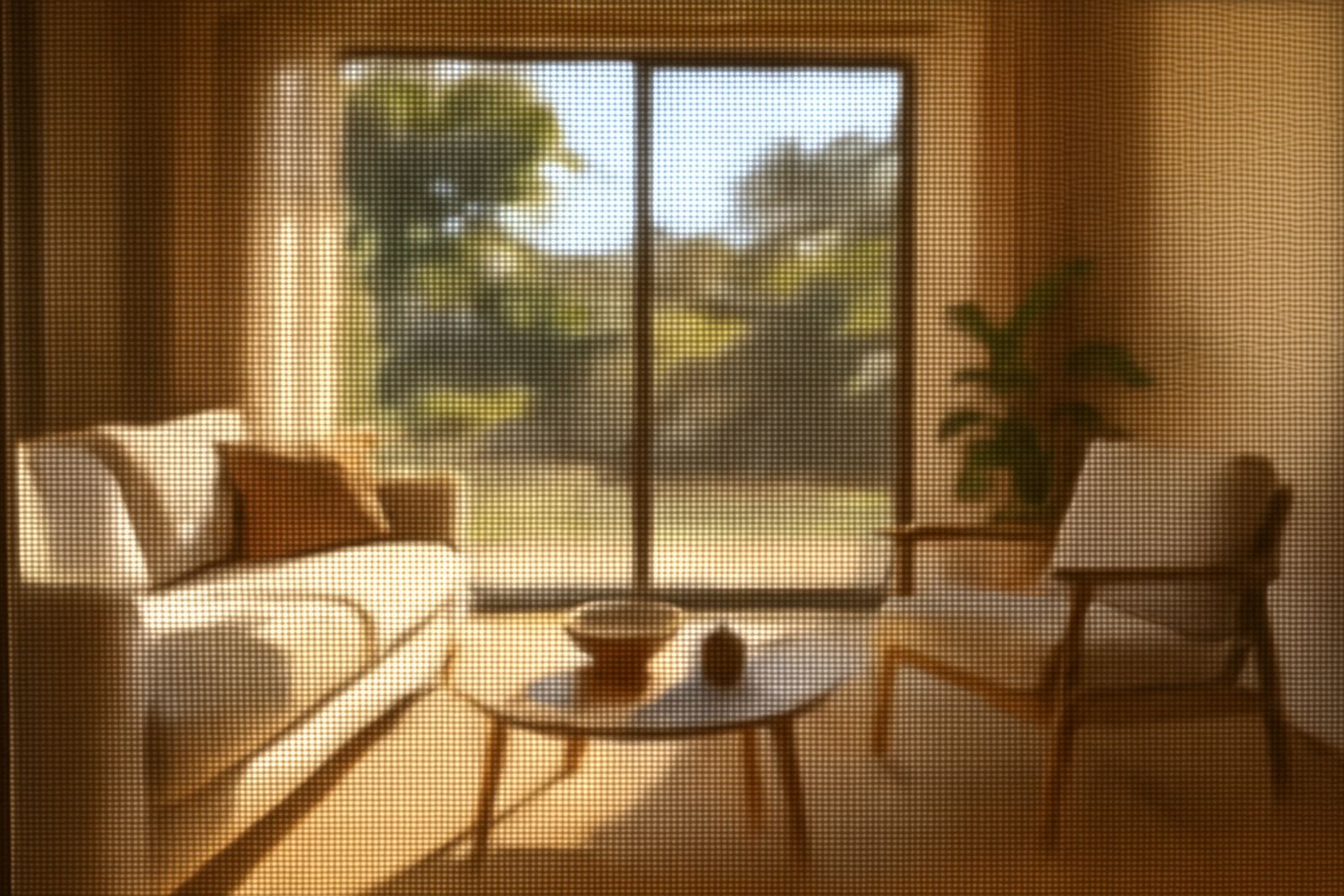
For many clients the first question is not about style, it is about function. Do you want fresh air without flies? Do you need stronger window protection for ground-floor openings? Or are you trying to cut glare and heat on west-facing rooms that get hard afternoon sun? The right product should suit the opening, the daily use and the weather around it.
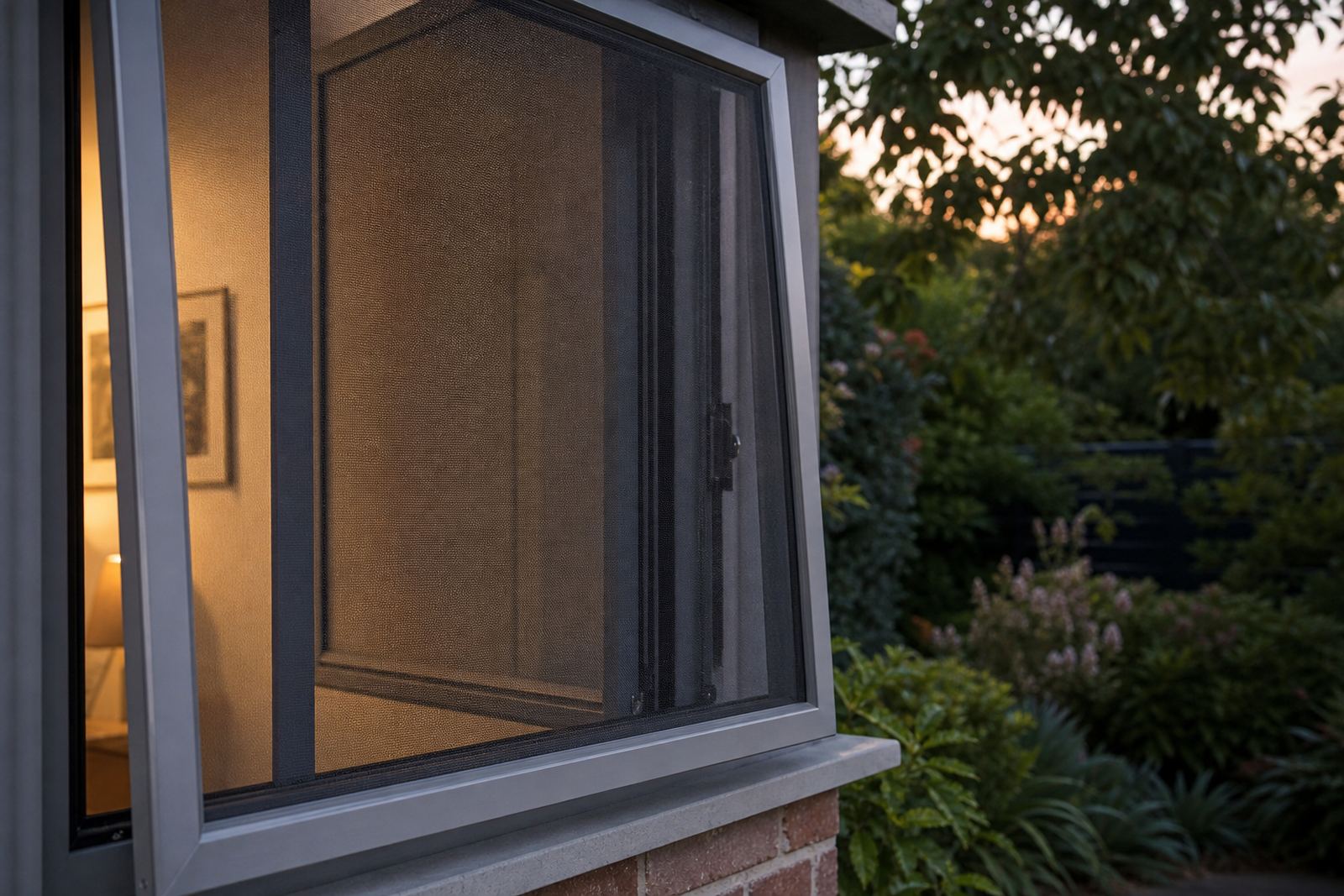
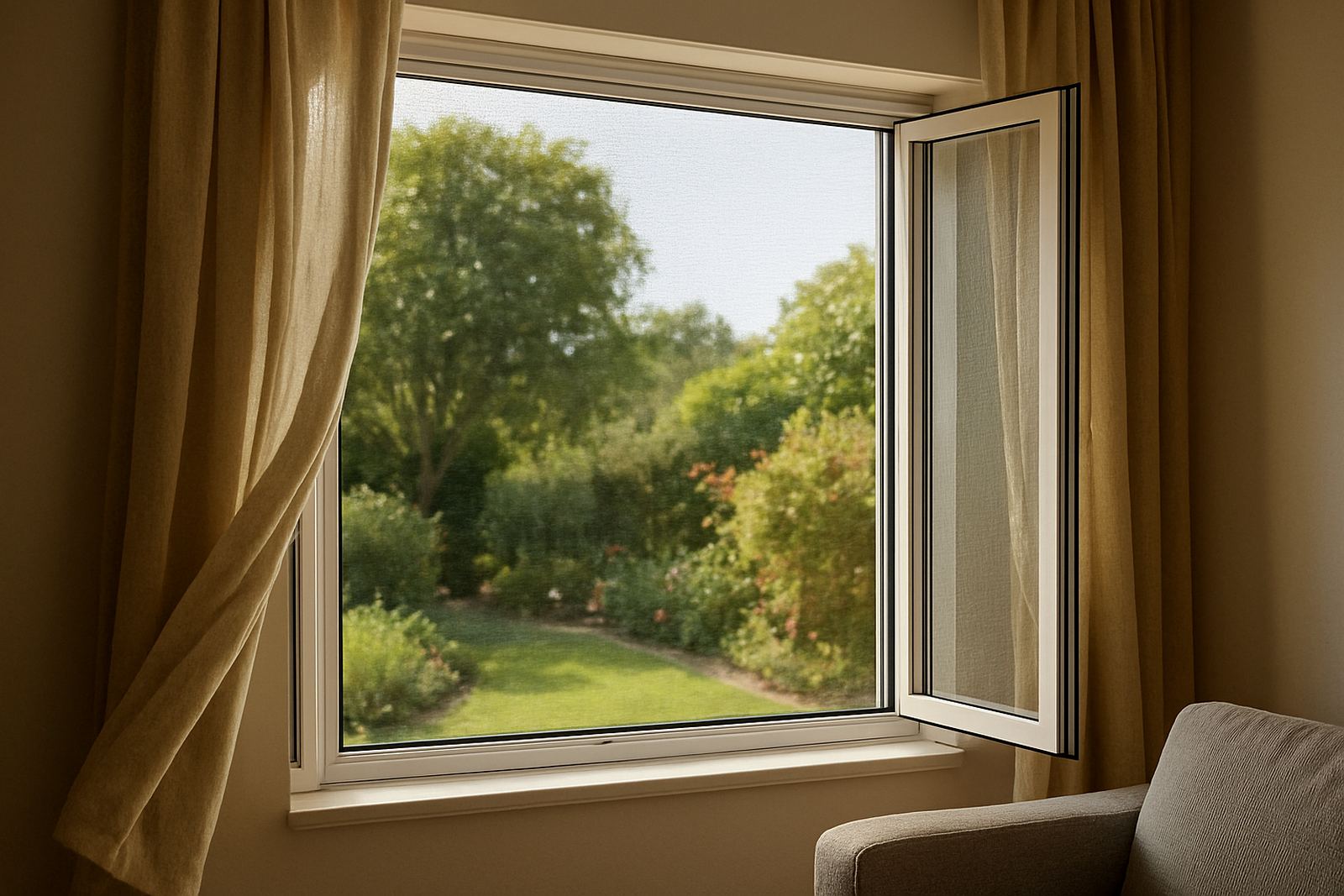
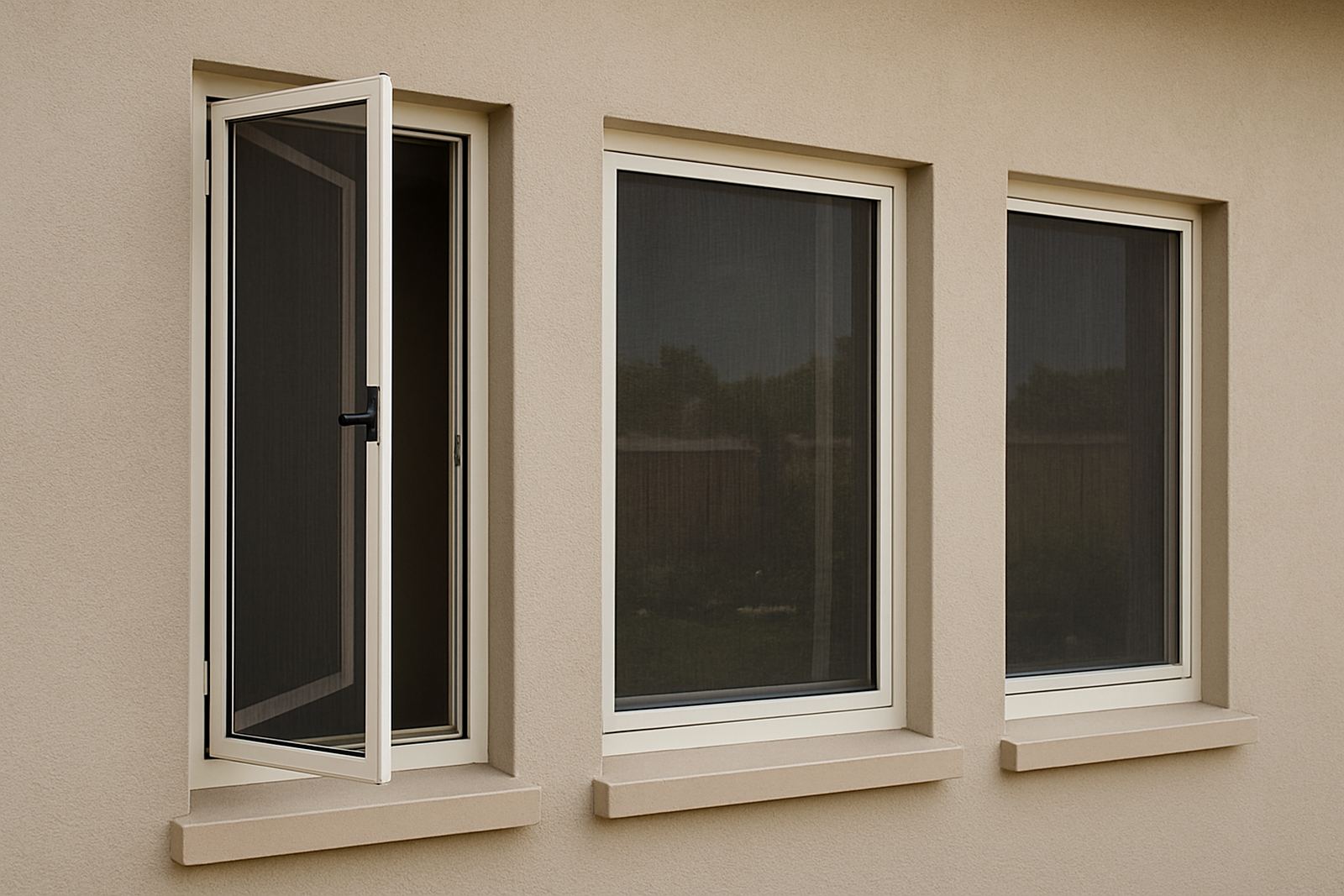
- Insect screens help with airflow and pest control.
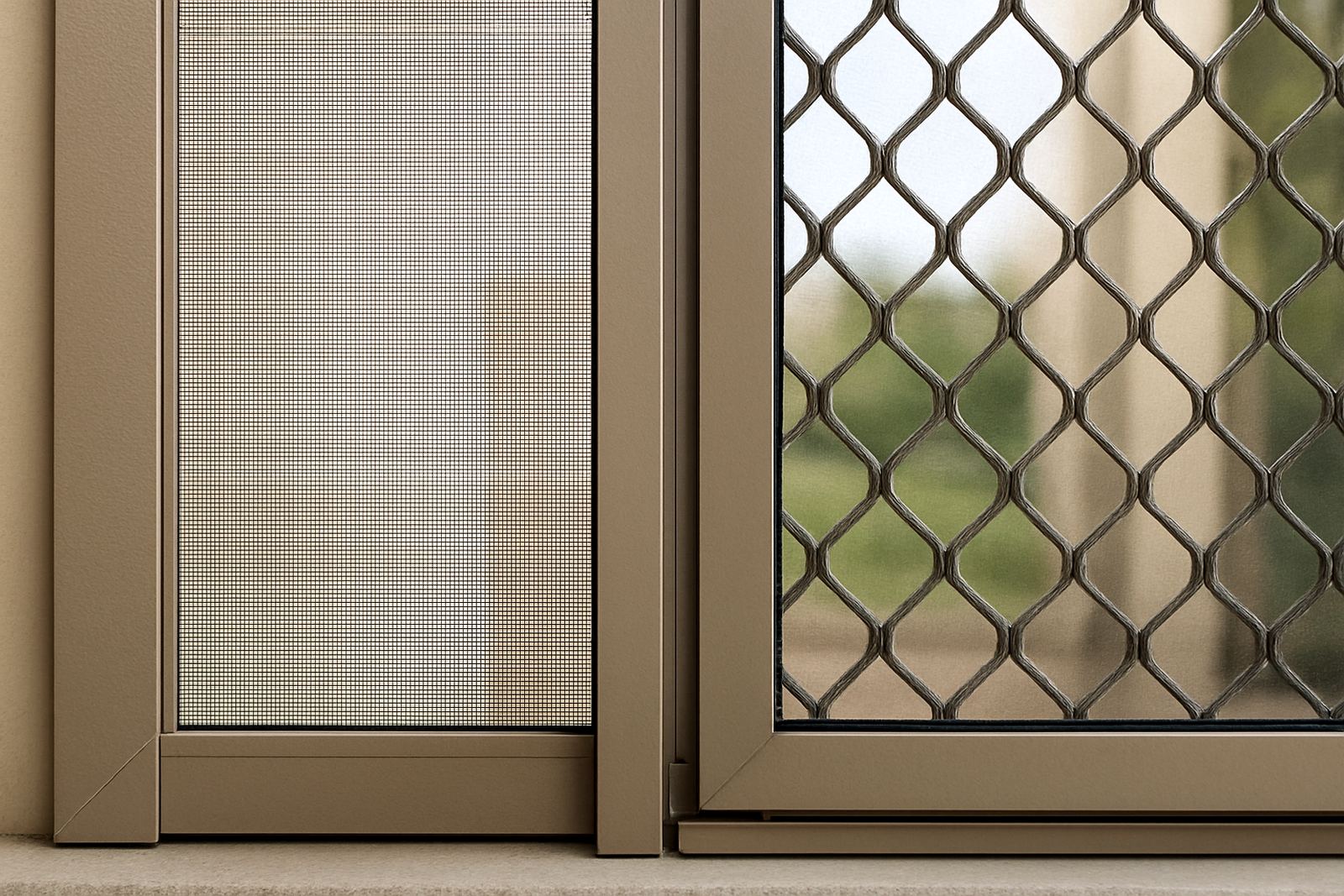
- Security screens add a visible barrier for doors and windows.
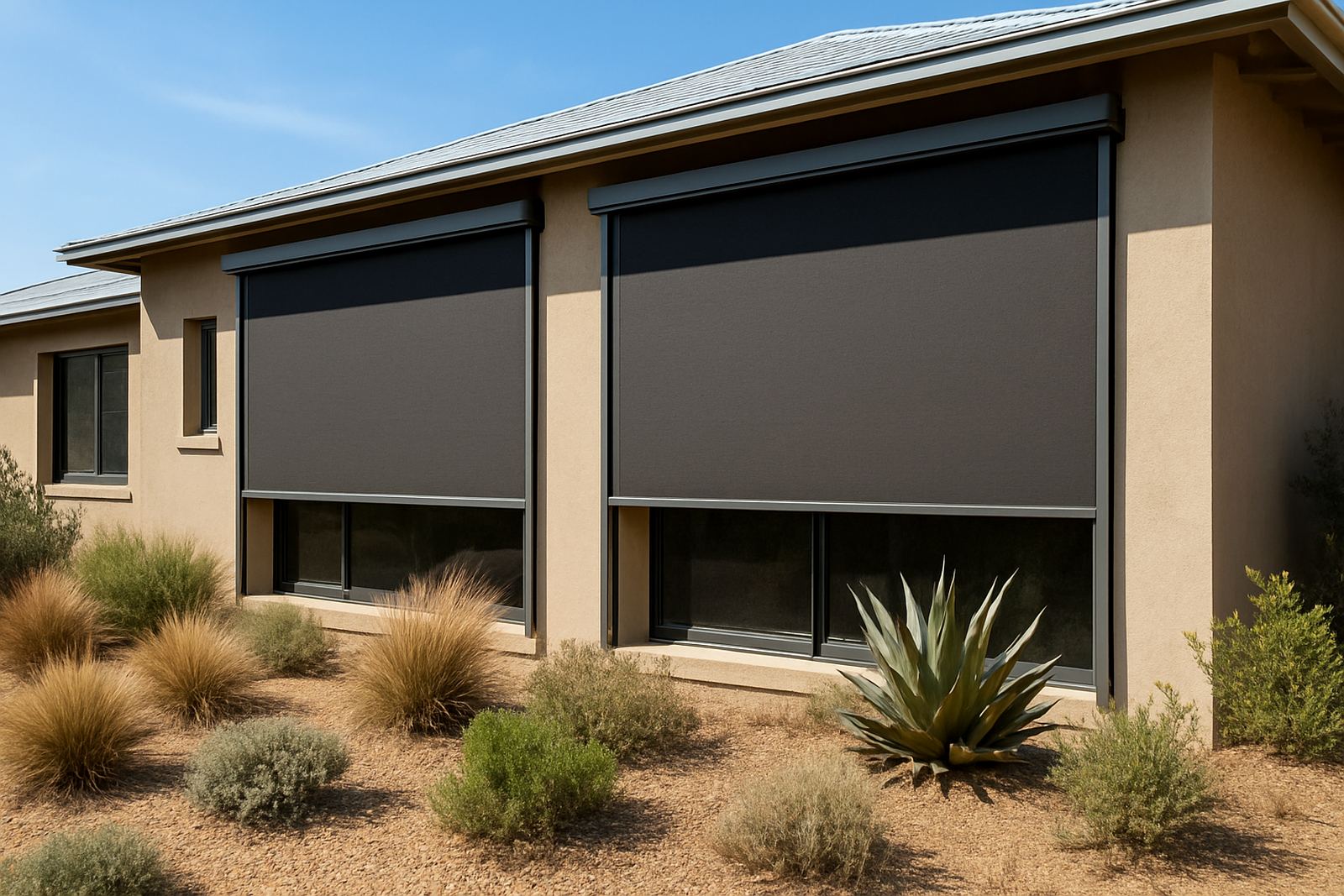
- Shading products reduce sun, glare and indoor heat gain.
Why Accurate Measurements Matter
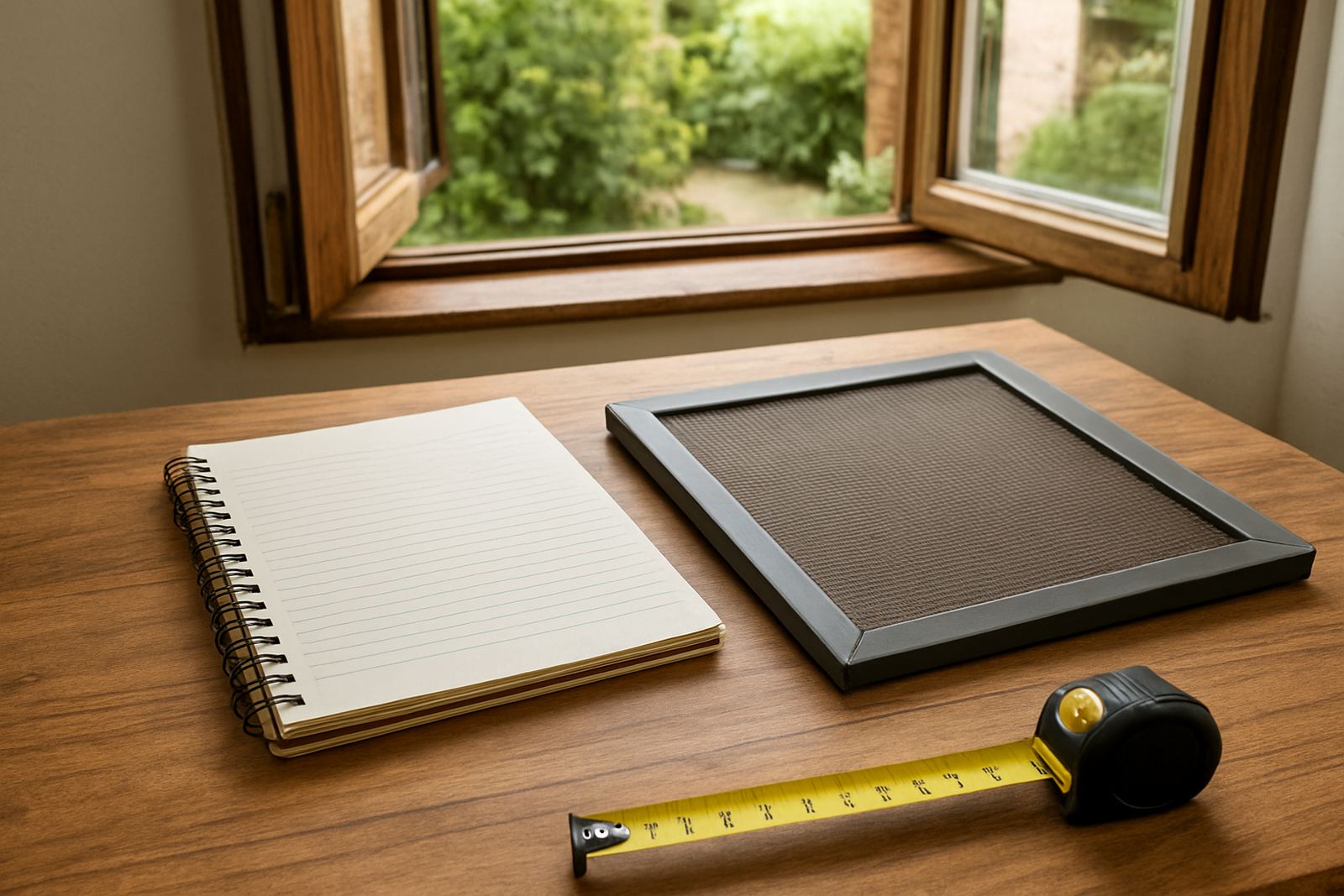
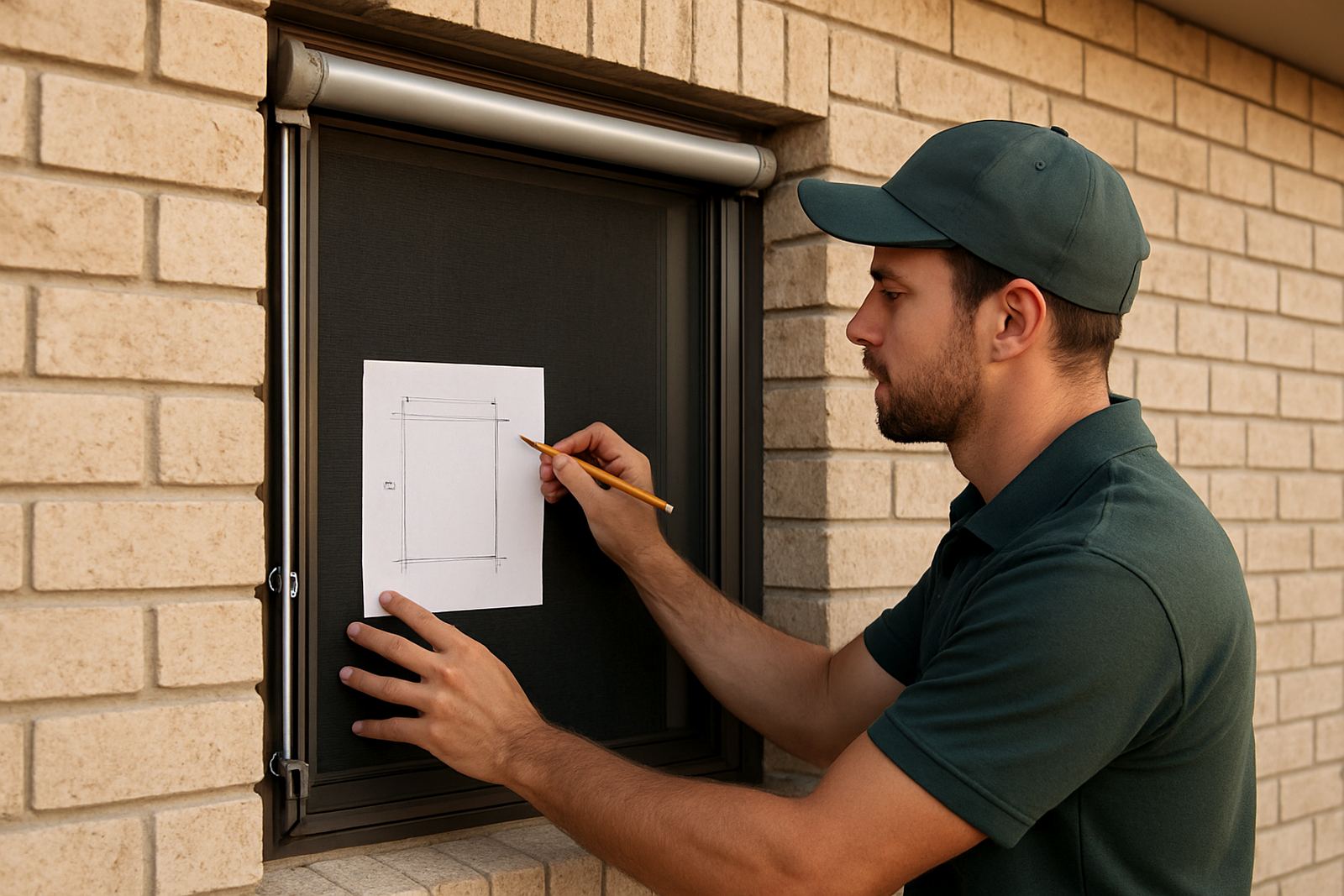
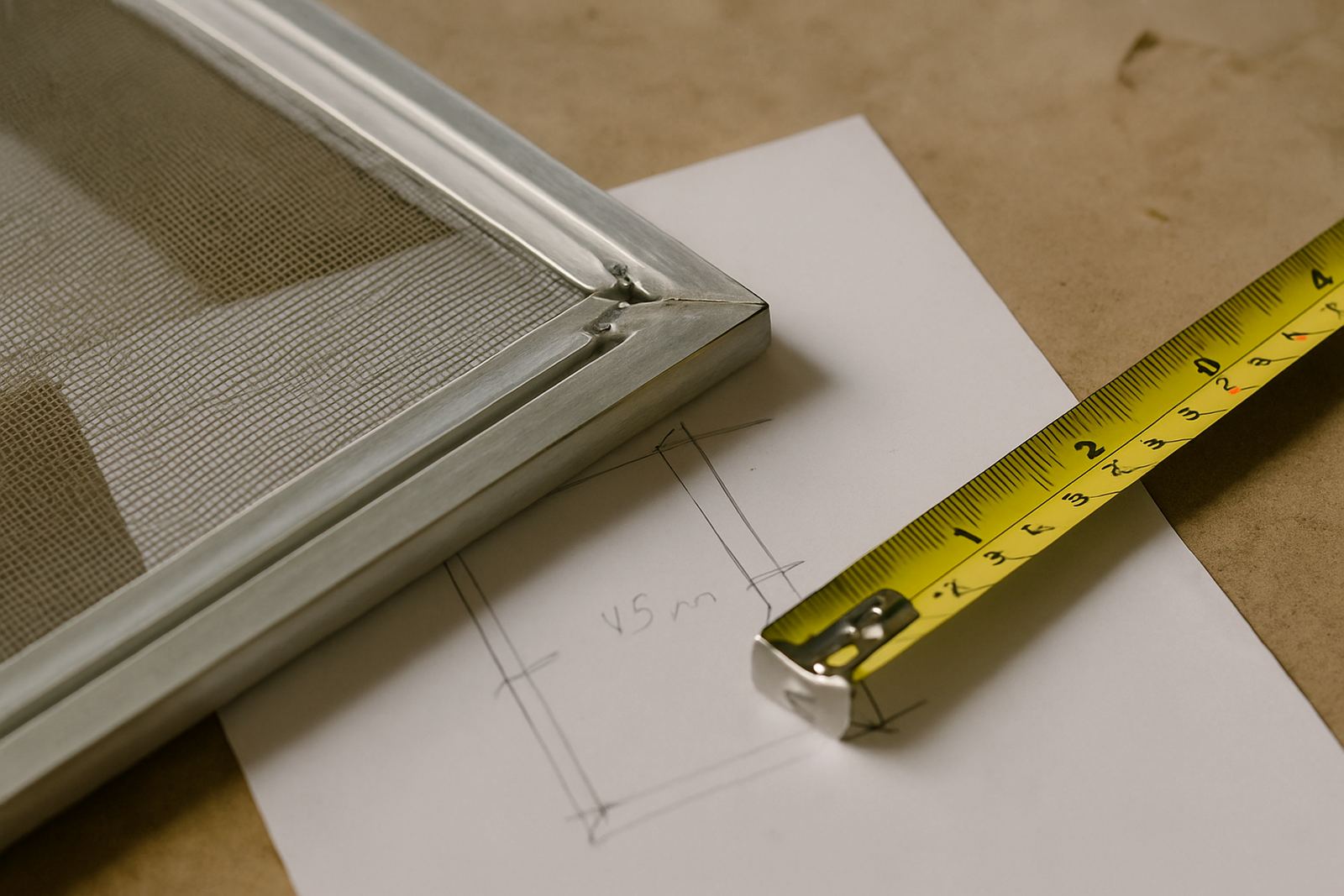
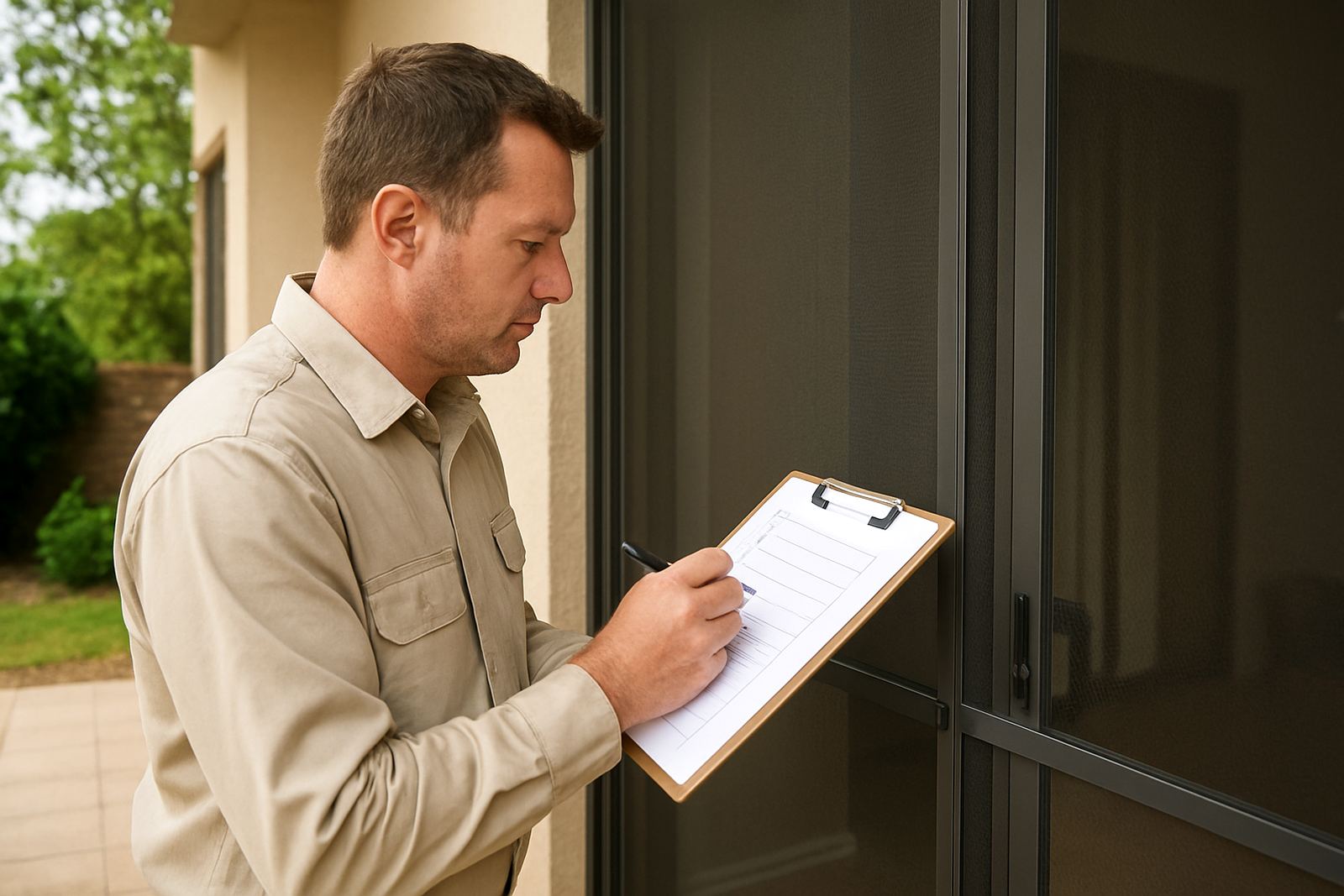
Custom screens only fit well when the measurements are right. A few millimetres can affect the way a frame sits, how a sliding unit runs, and whether a door closes cleanly. That is why site measurements are the best starting point, especially on older homes where openings are not always square.
In the Eastern Cape, homes often have a mix of aluminium windows, timber doors, tiled patios and uneven plaster reveals. Each one needs a different approach. A proper measure also helps avoid problems later with draughts, rubbing tracks or gaps that let insects through.
- Measure each opening individually, even if the windows look the same.
- Check for handles, hinges, burglar bars and security gates.
- Confirm opening direction before any manufacture starts.
For coastal properties, good fit is just as important as the mesh itself because wind can find any weak point, quick.
Maintenance That Saves Time and Money
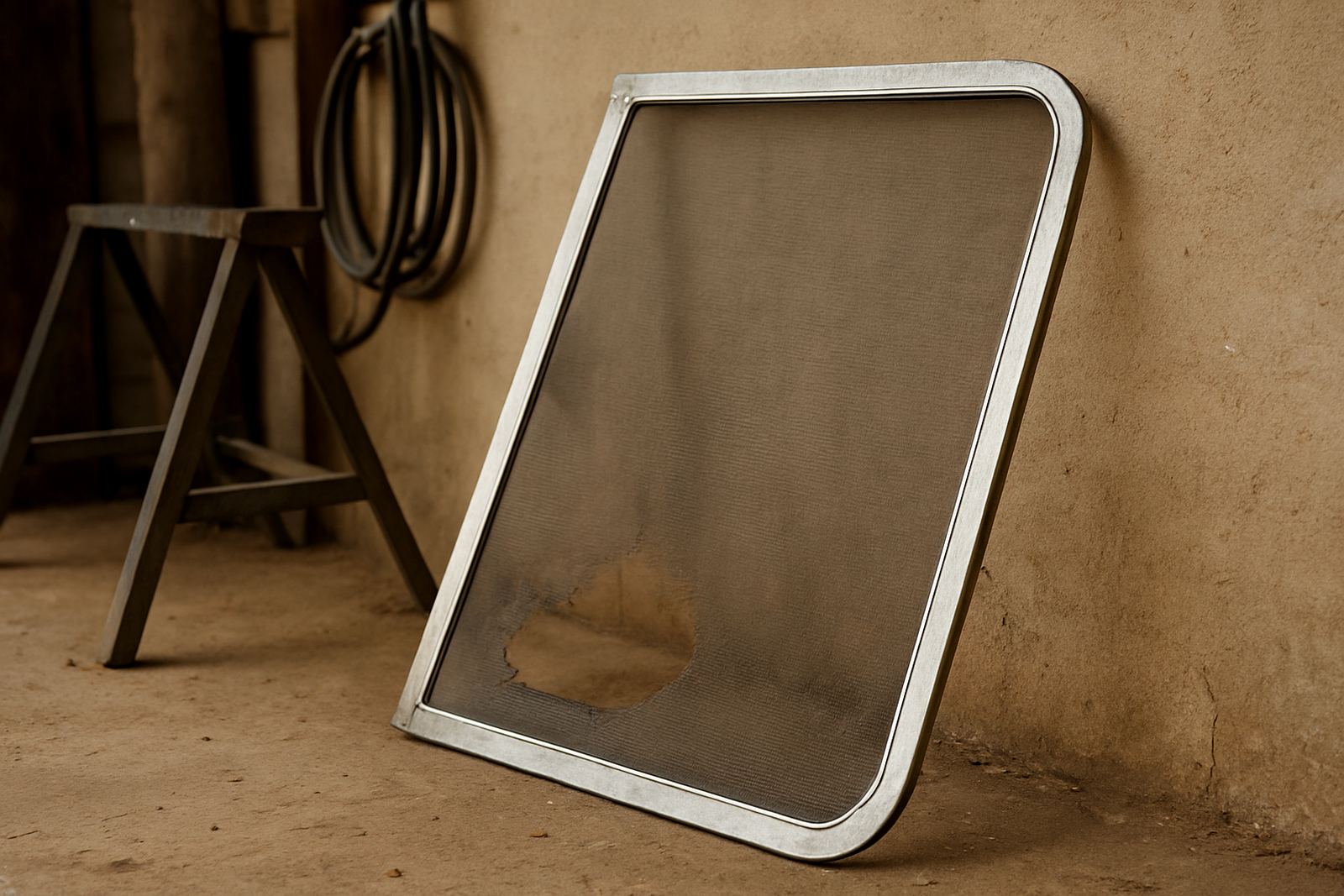
Most screen problems start small. A stiff slider, a torn mesh corner or loose hardware can often be sorted before it becomes a full replacement. Regular checks are useful in homes, rentals and estates where many units get daily use.
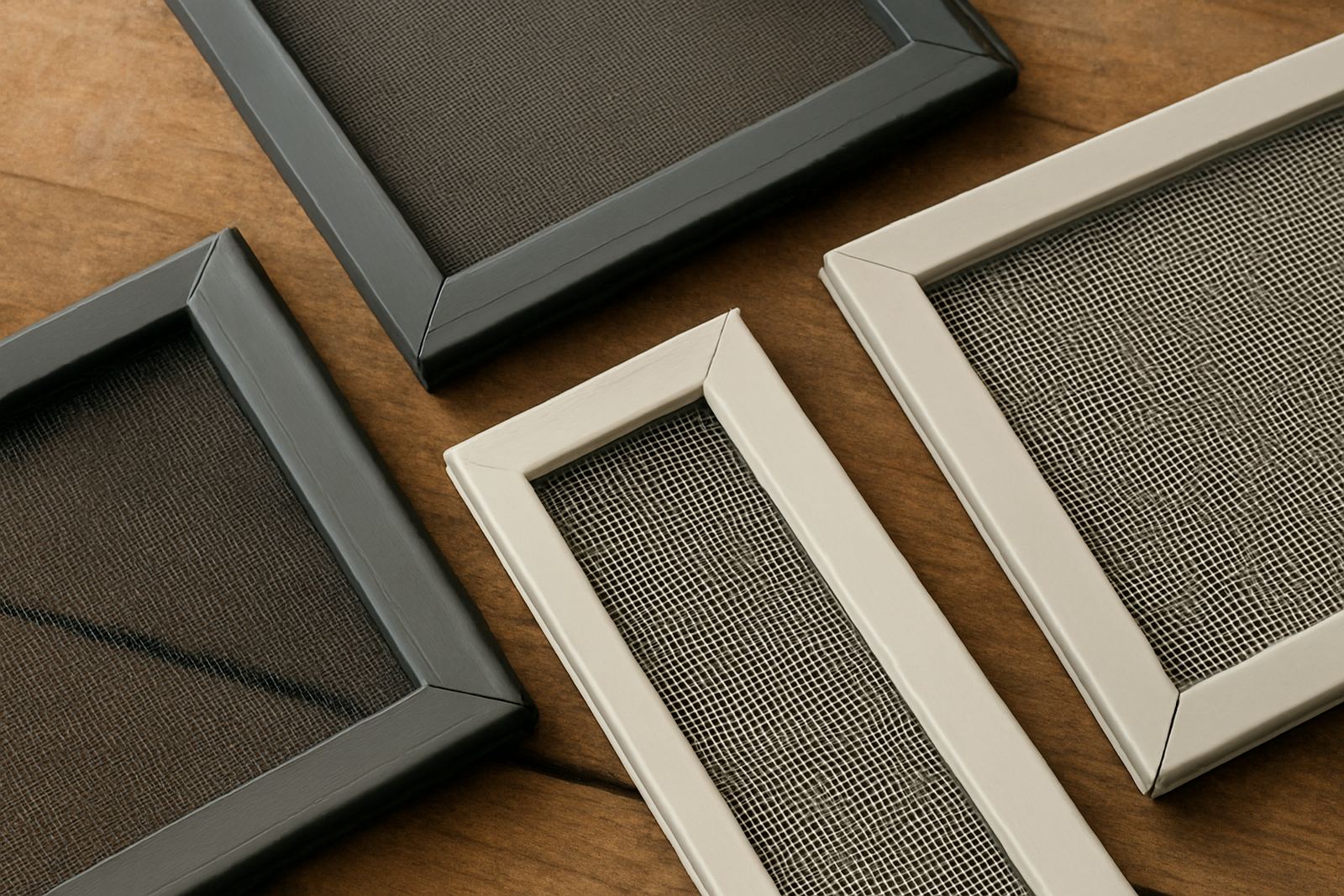
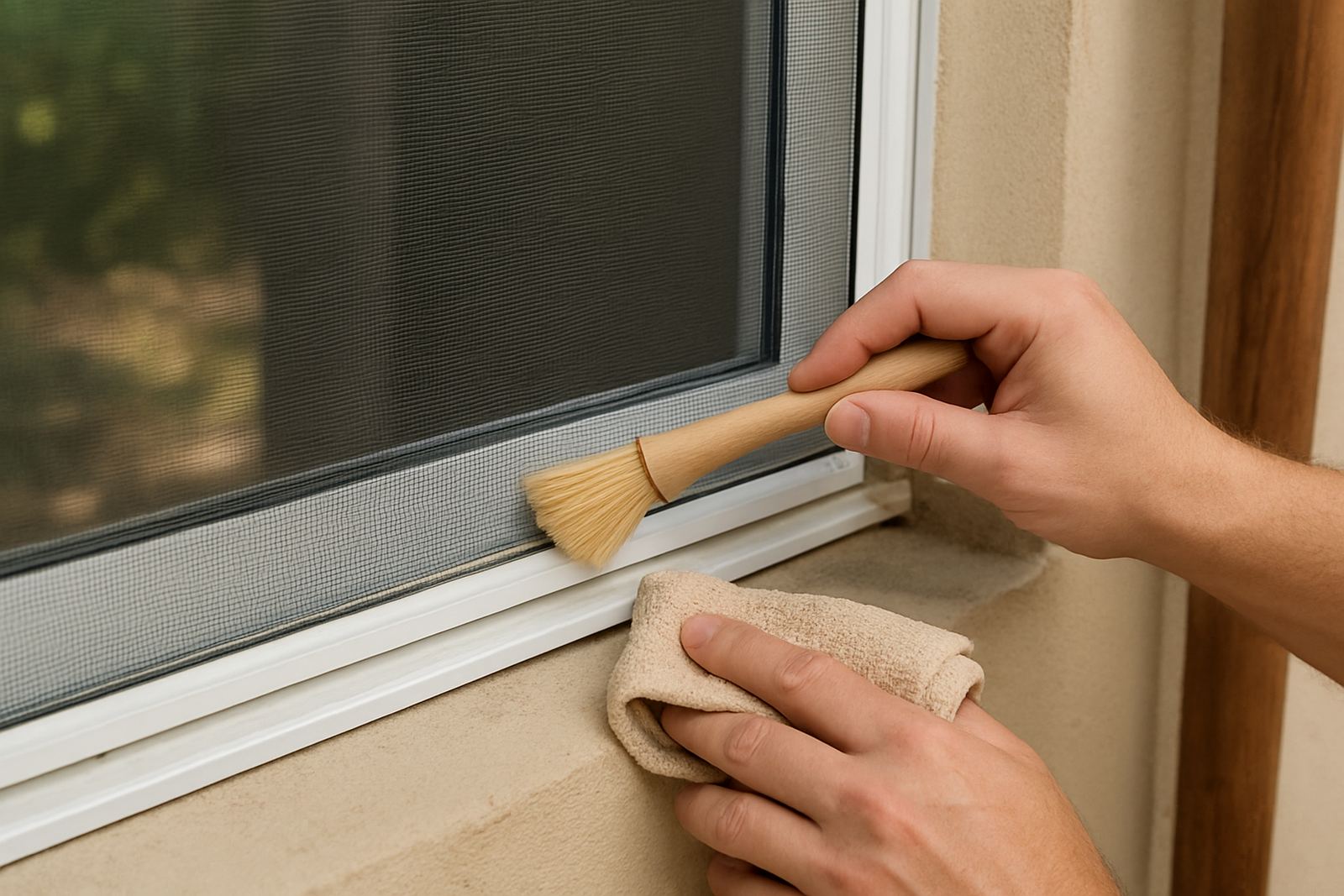
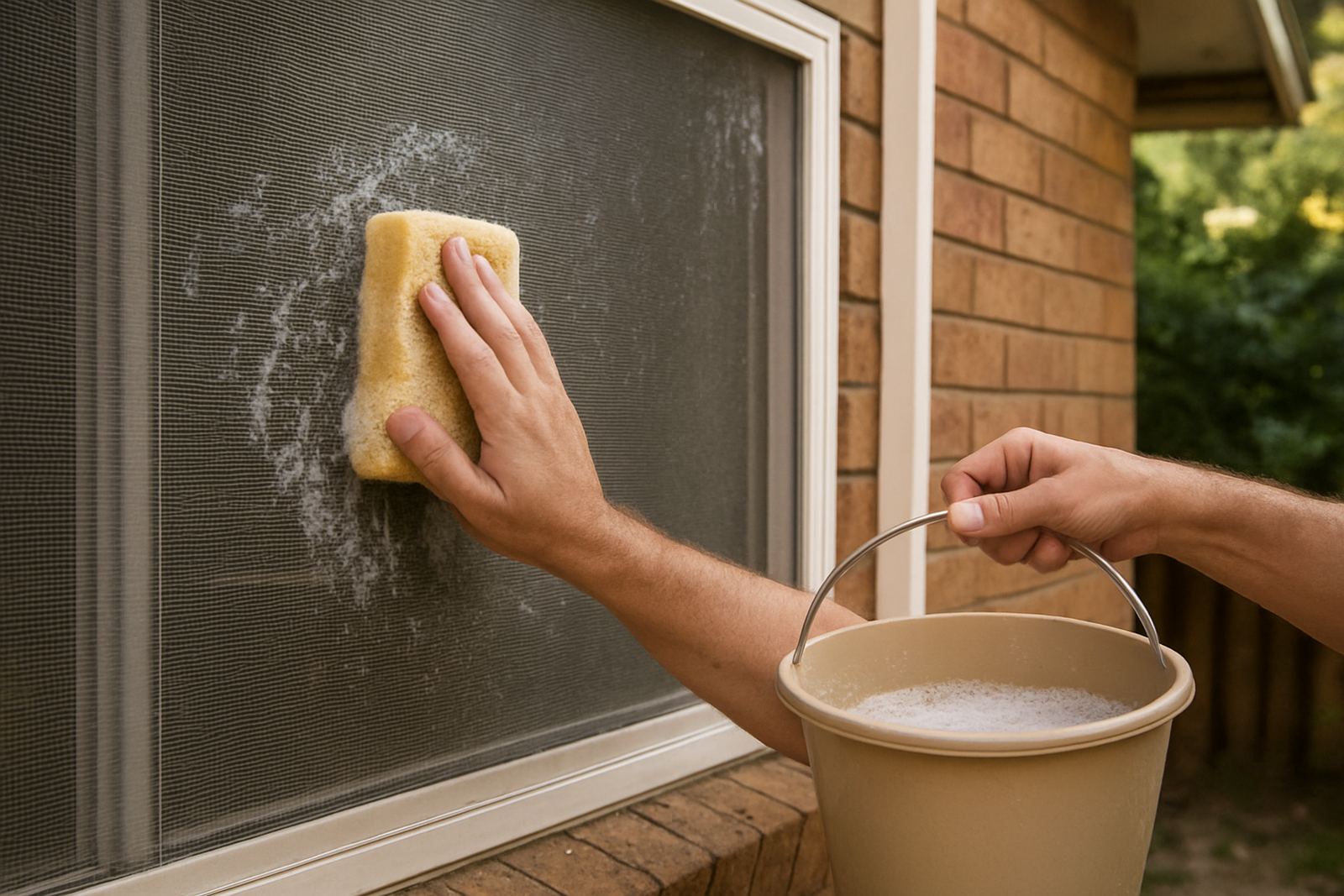
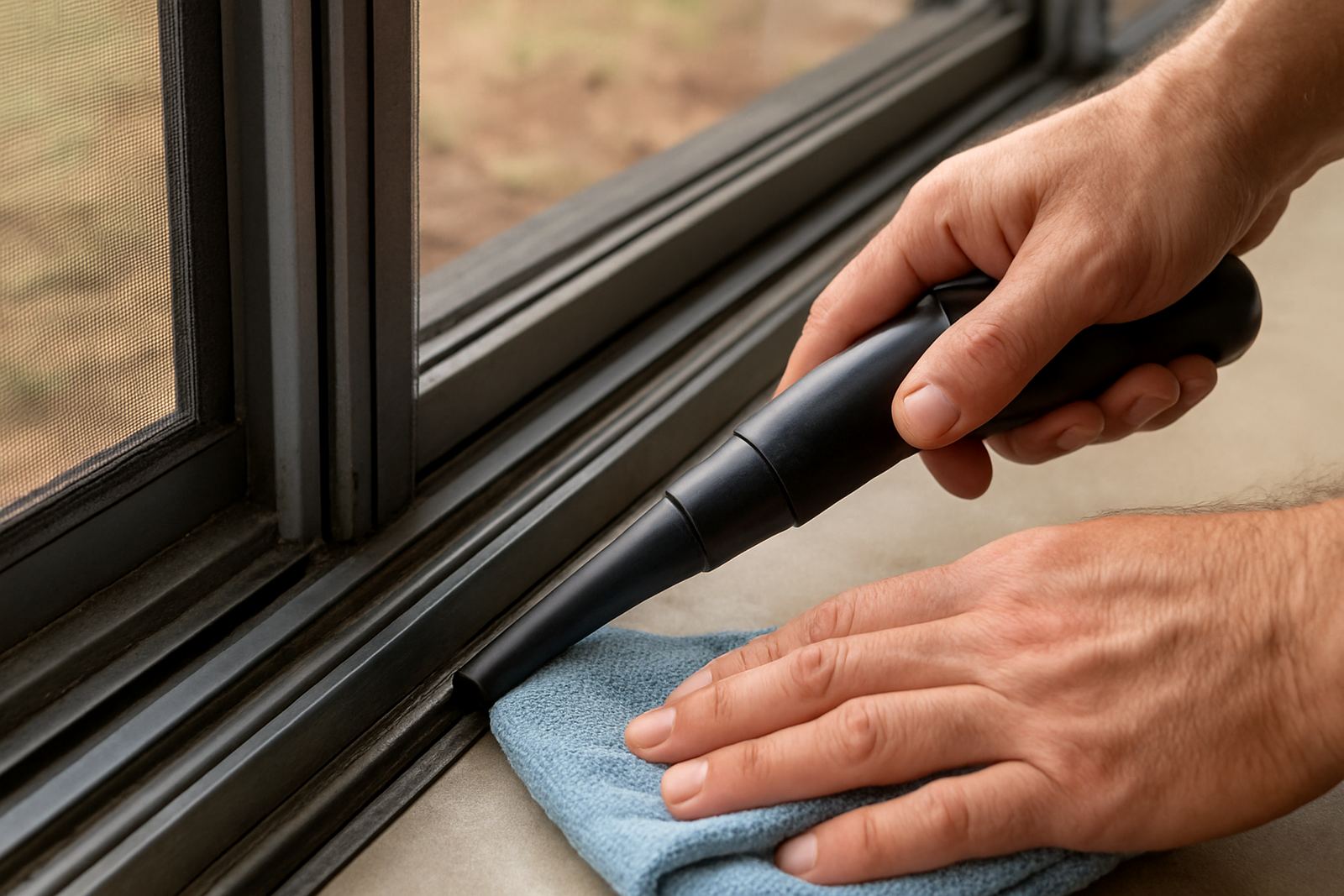
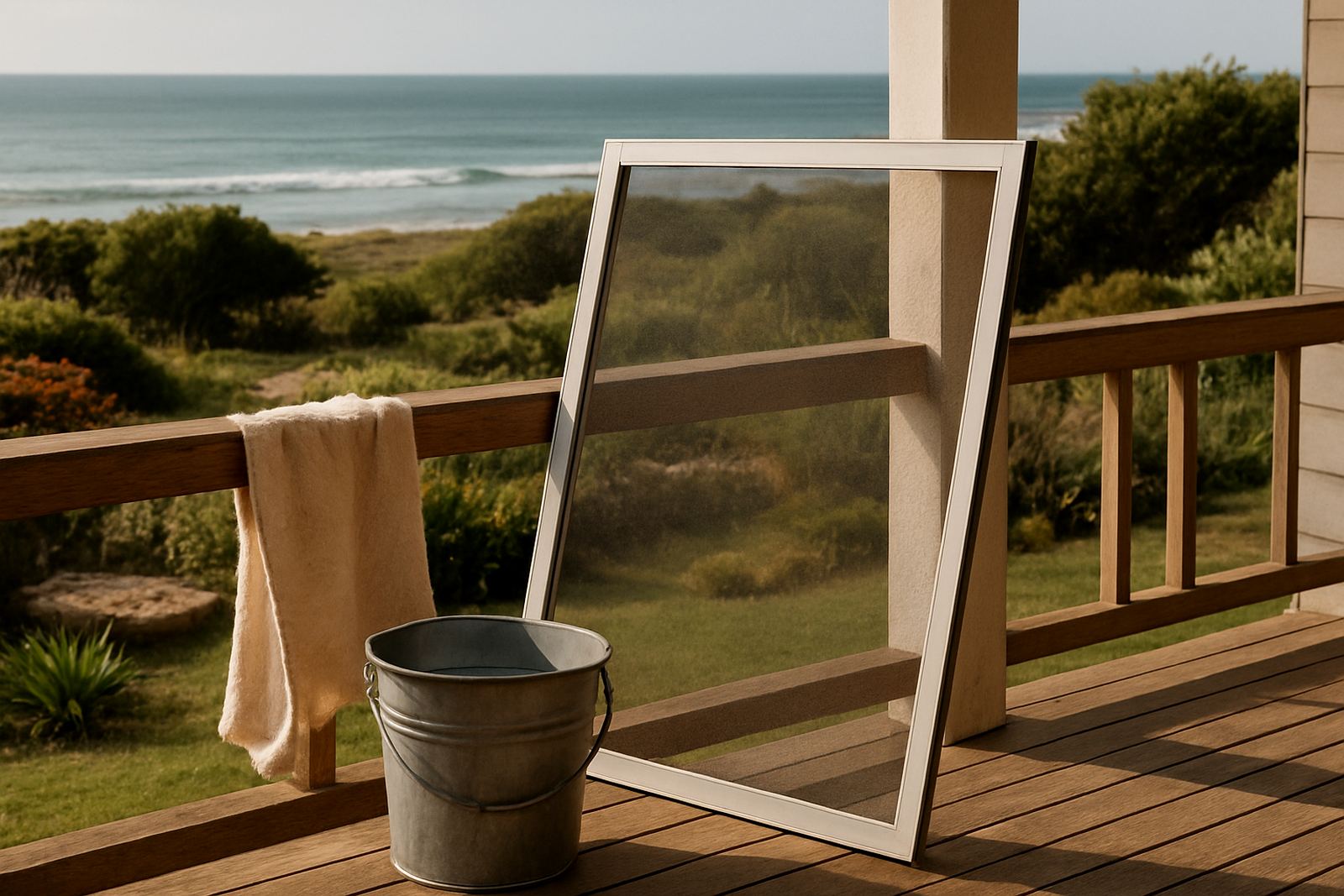
Salt air, fine dust and summer insects all leave marks on screens and tracks. A quick clean with fresh water and a soft brush can help. Avoid harsh chemicals on mesh or powder coated frames, and keep tracks clear of sand if the property is near the coast.
- Wash frames and mesh a few times a year.
- Lubricate moving parts lightly where needed.
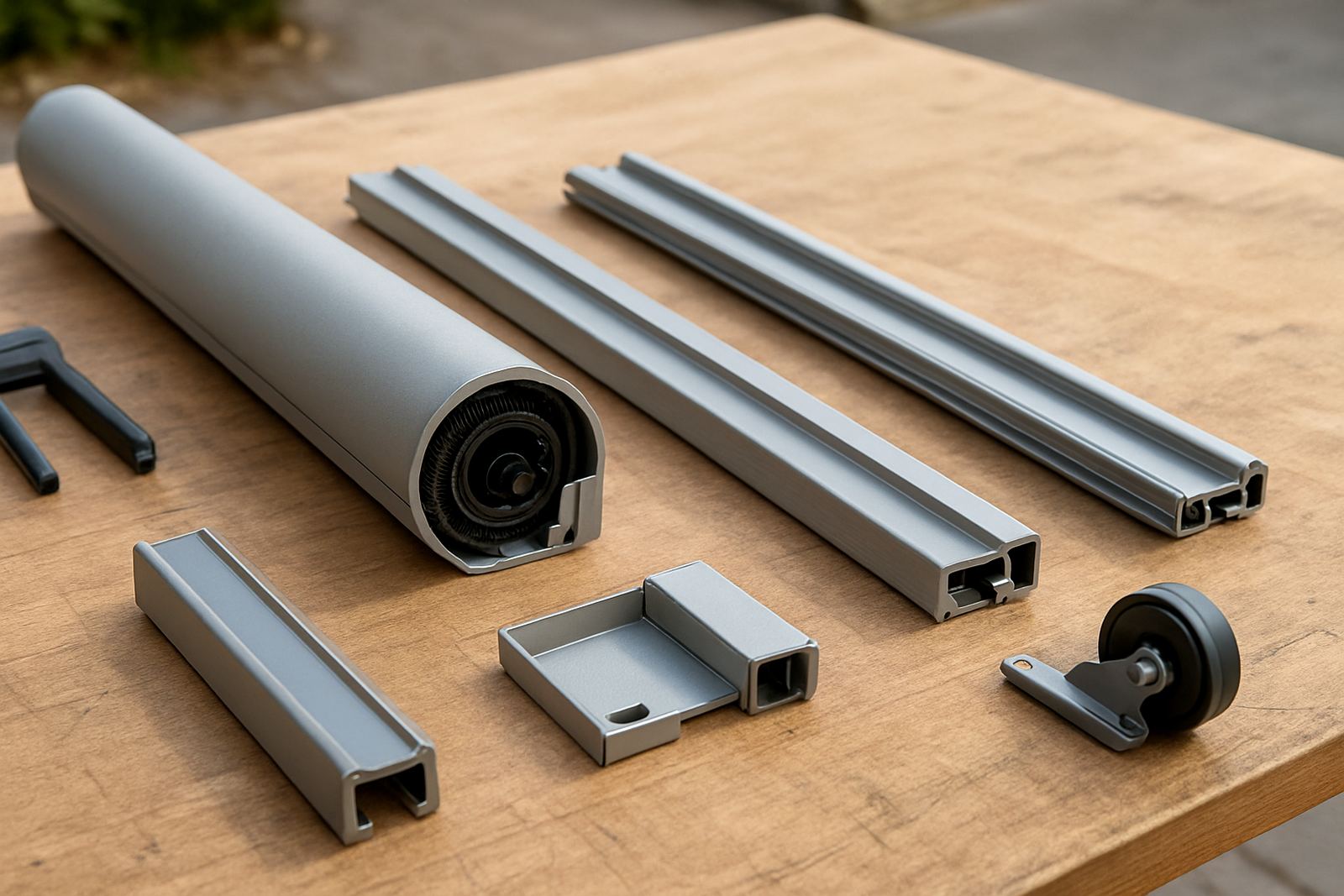
- Inspect corners, rollers, magnets and catches after strong winds.
- Book seasonal checkups before summer or before holiday rentals start.
Security Screens for Homes, Flats and Offices
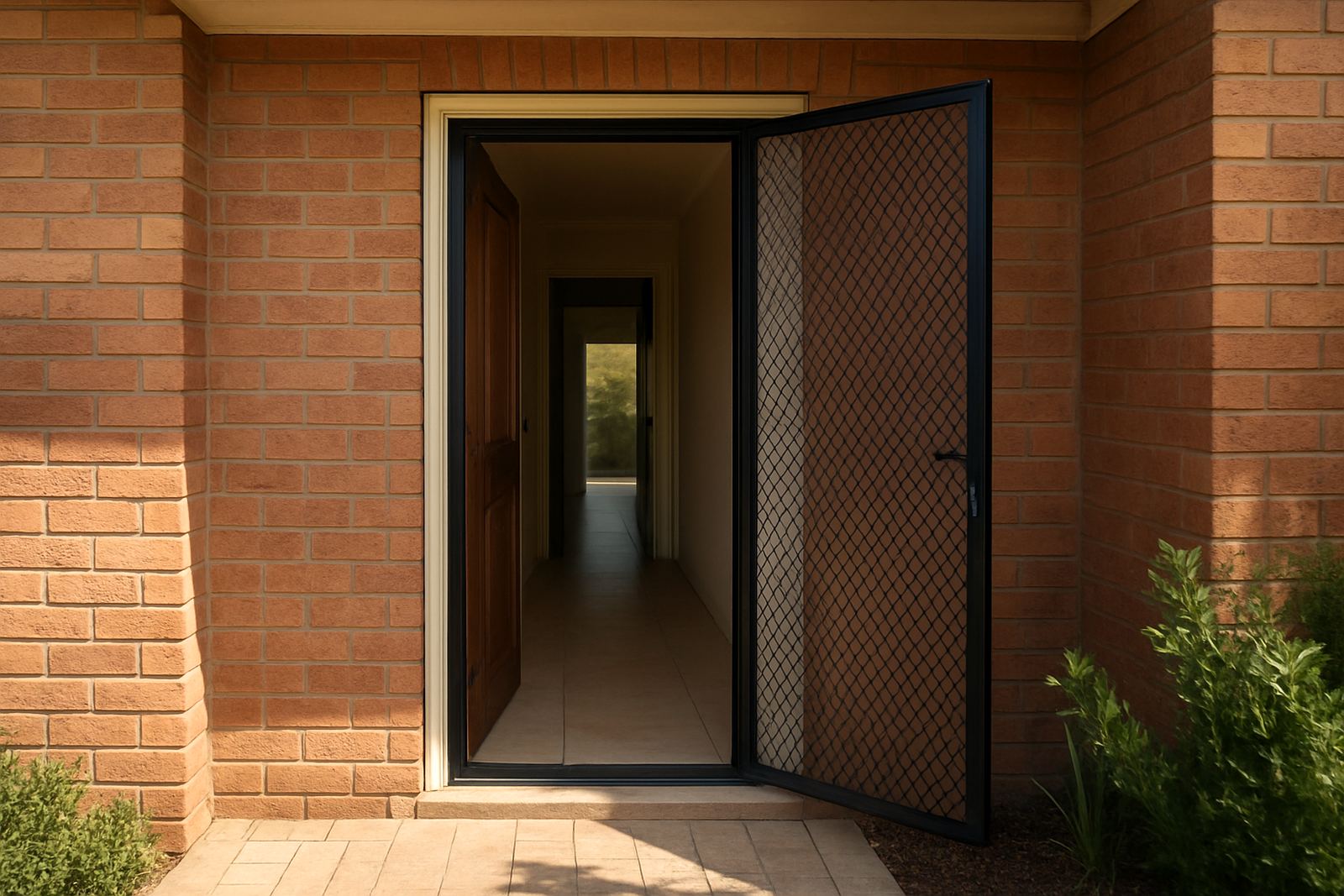
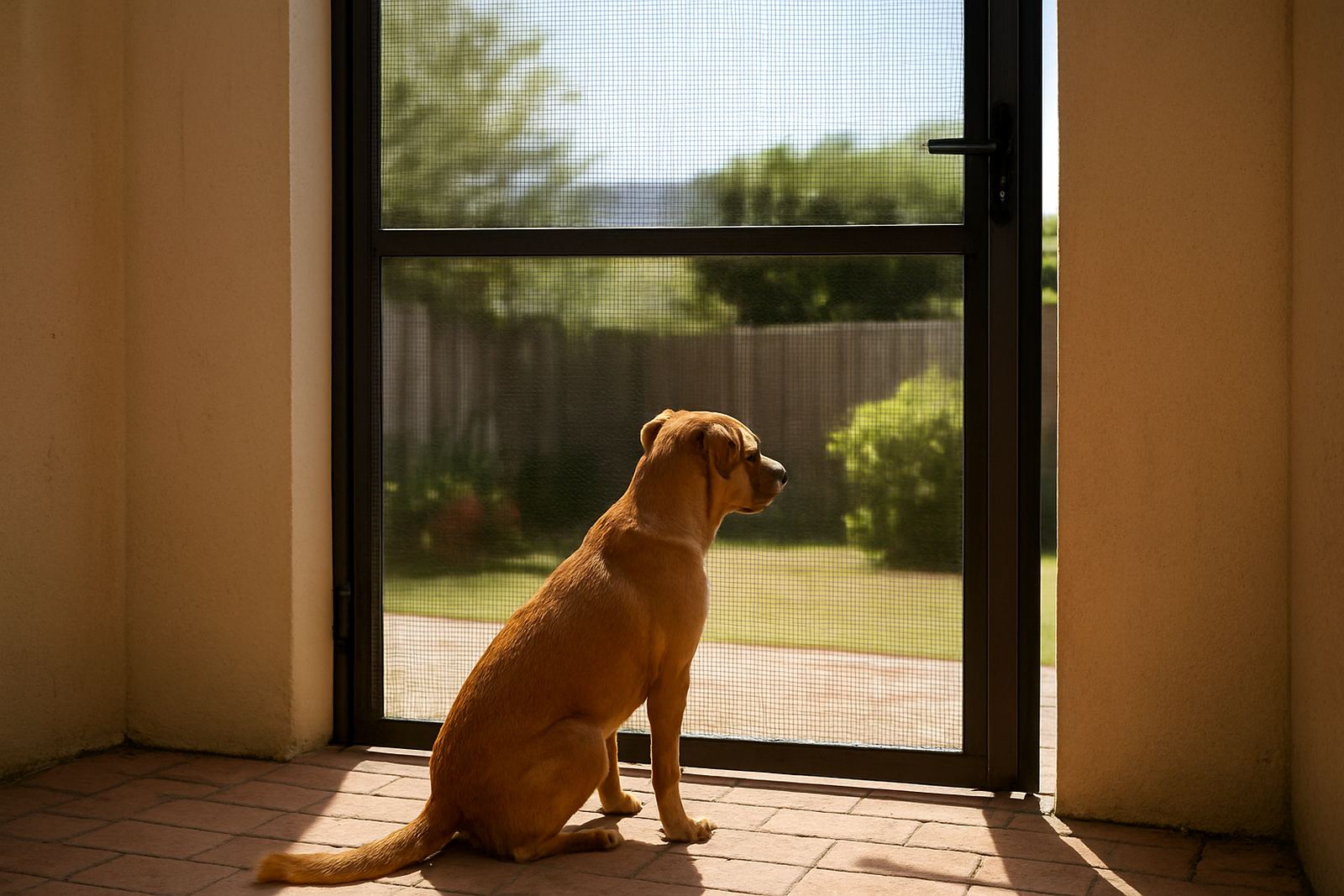
Security screens should do more than look neat. They need to support daily use, handle repeated opening and closing, and fit with existing gates, burglar bars or access control. In places like Newton Park and Summerstrand, many clients want a cleaner option that still lets in light and air.
A well planned security screen can suit a front door, patio opening or business entrance. For commercial sites, it can also help control access without making the frontage feel closed off. The finish, locking method and visibility all matter, especially where staff, clients and residents use the space at different times of day.
- Ask how the screen will work with your current door set-up.
- Check whether the product suits salt air and high traffic use.
- Consider how easy it is to clean, lock and service over time.
Shading Choices for Hot Summers and Bright Rooms
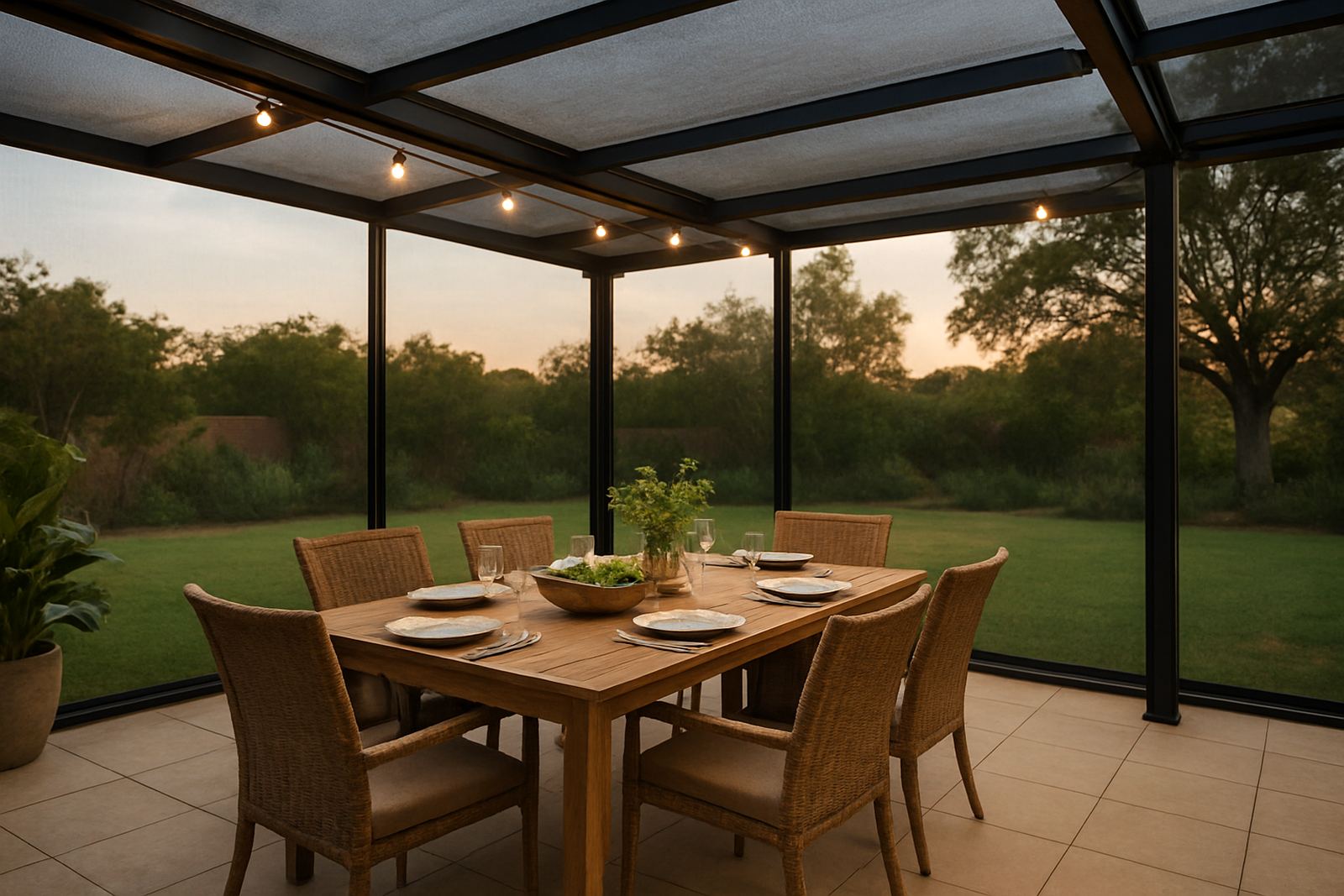
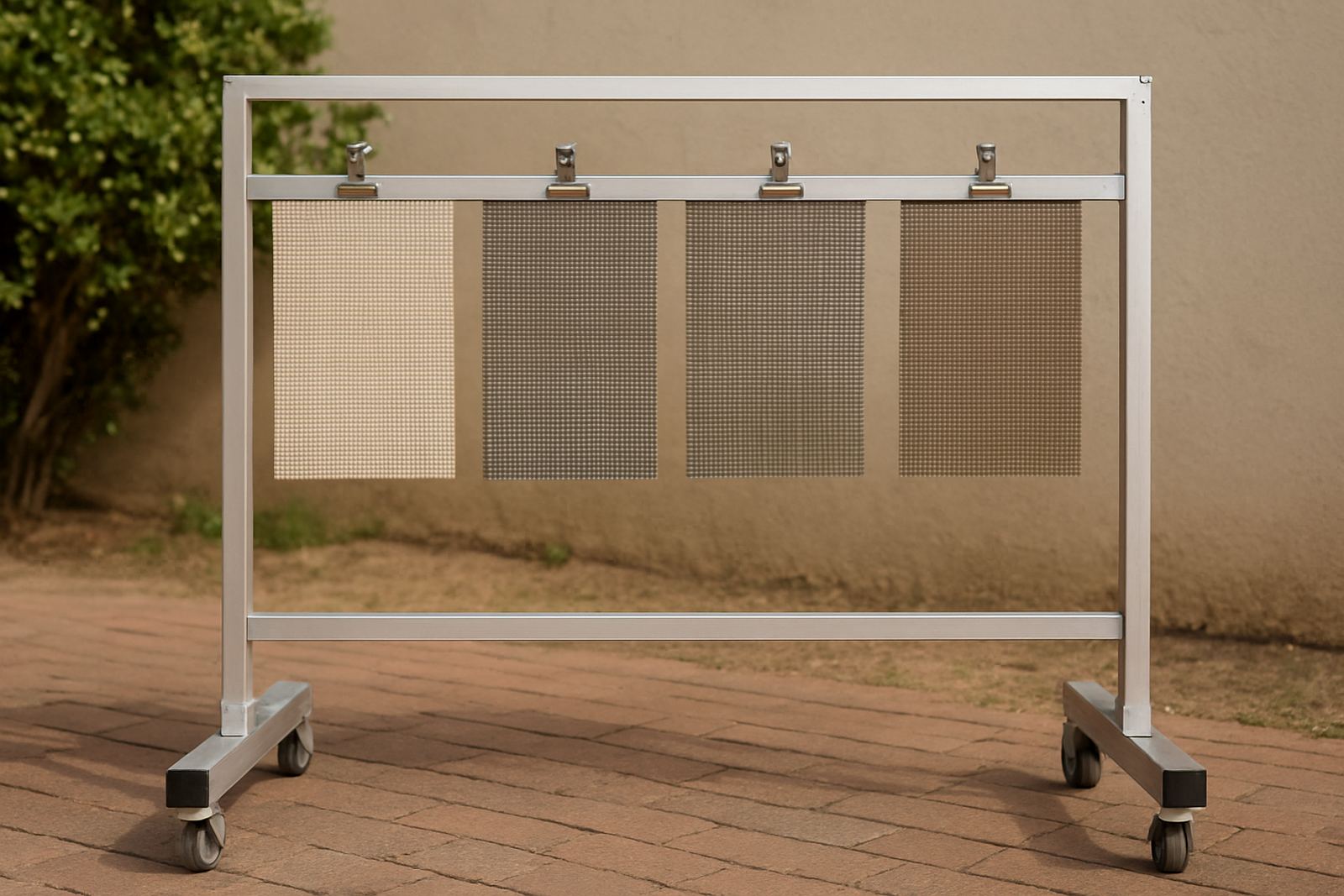
Shading is not only about keeping rooms cooler. It also helps with glare on TV rooms, home offices and shopfronts. In Port Elizabeth and across Gqeberha, many north and west facing windows need some form of sun control to make spaces more comfortable through summer.
Good shading can reduce the strain on air conditioners and make indoor areas easier to use during load-shedding periods when cooling options are limited. It can also protect furniture and flooring from sun fade. The best choice depends on how much light you want to keep, and whether the area needs daytime privacy too.
- Choose lighter control where natural light is still important.
- Use stronger shading on west-facing rooms with harsh afternoon sun.
- Match the product to the opening size and daily use pattern.
Questions to Ask Before You Order
Before you commit, it helps to think through the full job, not just the product. A screen that works in a spare room may not suit a family patio or a busy guesthouse. The right advice should cover measurements, hardware, cleaning and aftercare.
Ask how long manufacture will take, whether repairs are possible later, and if replacement mesh or track servicing is available for the same unit. If the property is in a complex or estate, check the body corporate or municipal rules on appearance, fixing points and any visible changes to the building. It saves hassle later and keeps the project moving.
What to Expect From a Good Supplier
A good supplier should know the local conditions in Walmer, Despatch, Jeffreys Bay and the wider Eastern Cape. That means understanding coastal humidity, strong sun, busy family homes and commercial sites that need practical access solutions. Clear advice, neat installation and proper aftercare all matter.
When you read our notes, you will see the same approach repeated: start with the opening, choose the right function, then plan for maintenance. That is usually the simplest way to get a screen or shade product that lasts and keeps doing its job. It may sound basic, but it saves money in the long run.