Start With the Job You Need the Screen to Do
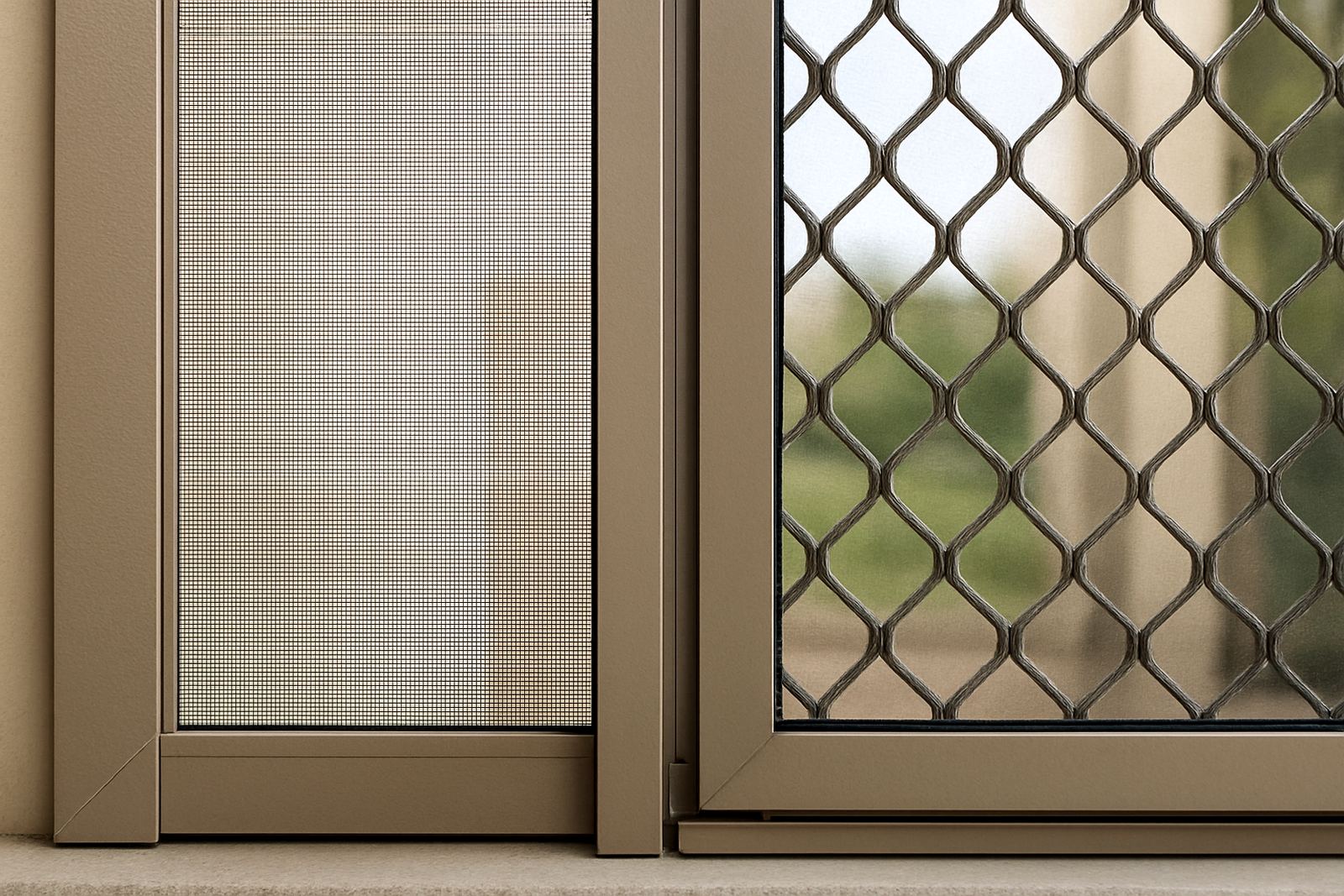
In many Walmer and Summerstrand homes, the first question is simple: are you trying to keep insects out, or slow down unwanted entry at doors and windows? An insect screen is built for airflow and bug control. A security screen is built to add a physical barrier, so its mesh, frame and fixing method are all heavier and more forceful in its purpose.
If you spend summer evenings with doors open, or you want to leave windows ajar for cross ventilation during hot spells and load-shedding, insect screens make a big difference. If you are more concerned about ground-floor access, outbuildings, or shopfront openings in busier streets, security screens are the better fit. Some properties need both, especially where a home office faces the street and the kitchen opens onto a garden.
The key is to match the product to the opening and the risk. A well-fitted insect screen can improve daily comfort right away, but it is not a substitute for a security screen. Likewise, a security screen is not there to act like a fly screen first and foremost, even if it still allows decent airflow.
What Insect Screens Do Well in Coastal Conditions
Insect screens are about practical living. In coastal areas like Gqeberha, humidity and warmer evenings can bring mosquitoes, flies and other pests inside the house fast. Screens let you keep a window open without fighting off insects every hour, which is useful in bedrooms, kitchens and enclosed patios.
They are also a smart choice for businesses. Cafes, guest houses and offices in Newton Park or near the beachfront often want fresh air without losing comfort for staff and visitors. A good insect screen should sit neatly in the opening, move easily where needed, and not rattle when the wind picks up.
Proper measurement matters here. A frame that is even a few millimetres off can leave a gap big enough for insects to get through. That is why site measurements and custom manufacture are worth doing properly, rather than forcing a standard size into a non-standard opening.
- Good for bedrooms, kitchens, patios and light commercial spaces
- Helps with ventilation during warm nights and power cuts
- Works best when the frame is measured to the opening exactly
- Needs regular cleaning in salty air to keep it looking tidy
Where Security Screens Earn Their Place
Security screens are chosen for the added barrier they bring. On homes in Uitenhage, Despatch and parts of Gqeberha where doors open onto accessible yards or side passages, a stronger screen can make a real difference to day-to-day peace of mind. The value is not only in the material itself, but in how the screen is fixed and how it operates under pressure.
People often want a screen that feels solid without making the house look closed in. That is where design and fitting matter. A properly made security screen should open and close cleanly, lock correctly, and sit square in the frame. If it is badly fitted, it can become a nuisance instead of a help.
For businesses, security screens suit entries that need controlled access after hours. Reception doors, side passages, storeroom openings and lower windows all need a different level of attention. In places like Jeffreys Bay and St Francis Bay, coastal air also means fixings and moving parts should be checked from time to time, because salt and moisture can wear hardware faster than people expect.
How to Compare the Two Before You Order
Choosing between the two comes down to a few practical questions. Think about how often the opening is used, who uses it, what time of day it stays open, and whether you need airflow more than strength. A family home with a back door left open at supper time may need insect control first. A ground-floor office with public access may need security first.
It also helps to look at the frame, hardware and the daily use pattern. Sliding systems, hinged doors, and fixed windows each call for a different setup. The wrong choice can cause dragging, loose latches, or wear on tracks that turns into a service call later on.
- Ask whether the opening needs airflow, protection, or both
- Check whether the screen must suit a sliding, hinged or fixed opening
- Consider wind exposure, especially on exposed coastal walls
- Think about who will use the opening every day and how often
- Allow for maintenance, because even good hardware needs attention over time
Why Measurement and Custom Manufacture Matter
Screen products work best when they are made for the opening, not forced into place. At ScreenMaster, the process starts with site measurements and a proper product consultation, because no two homes or shopfronts are exactly the same. Older homes in Walmer often have uneven reveals or settling around the frames, while newer builds may have larger openings that need careful planning.
Custom manufacture means the screen fits the space, the finish suits the property, and the hardware is chosen for the job. That is important for both appearance and function. A screen that is too tight can bind. One that is too loose can let dust, insects or movement creep in. In the Eastern Cape, where people deal with coastal humidity, seasonal wind and dusty winter spells, those details matter more than most people think.
It also means the product can be matched to the use of the property. A family home in Summerstrand might need quieter operation and easier cleaning. A small business in Newton Park may need tougher daily use. The right setup saves repeat callouts and keeps the screen doing what it was made to do.
What Ongoing Care Looks Like in Real Use
Most screen problems start small. A track fills with grit, a latch loosens, a mesh gets nicked, or a frame starts sticking after months of use. If you catch these issues early, repair is usually straightforward. Leave them too long and you can end up replacing more parts than expected.
Seasonal checkups are worth it, especially before the warmer months or after a stretch of strong wind and rain. In coastal areas, a quick service can help prevent corrosion on hardware and keep moving parts working properly. For rental properties, estates and small commercial sites, scheduled checks make more sense than waiting for someone to report a fault.
Screen repairs, mesh replacement, track servicing and hardware replacement are all part of keeping the system useful. That applies whether you chose a comfort-first insect screen or a protection-focused security screen. The product is only as good as its upkeep, and small fixes usually cost less than waiting for the whole unit to fail.