What guesthouses need from every screen
Guesthouse screens do more than keep insects out. They help guests sleep with windows open, protect rooms from mozzie pressure in summer, and reduce the need to run air-conditioning all night. For owners and managers, the bigger issue is consistency across many rooms. If one screen is stiff, noisy or awkward to latch, it becomes a small complaint that staff have to deal with again and again.
In Walmer, Summerstrand and the older parts of Newton Park, many guesthouses work with a mix of window sizes and door openings. That is why custom measurements matter. Off-the-shelf fittings can leave gaps, rattle in wind, or need too much force to open. A proper fit keeps the experience clean and predictable for every room.
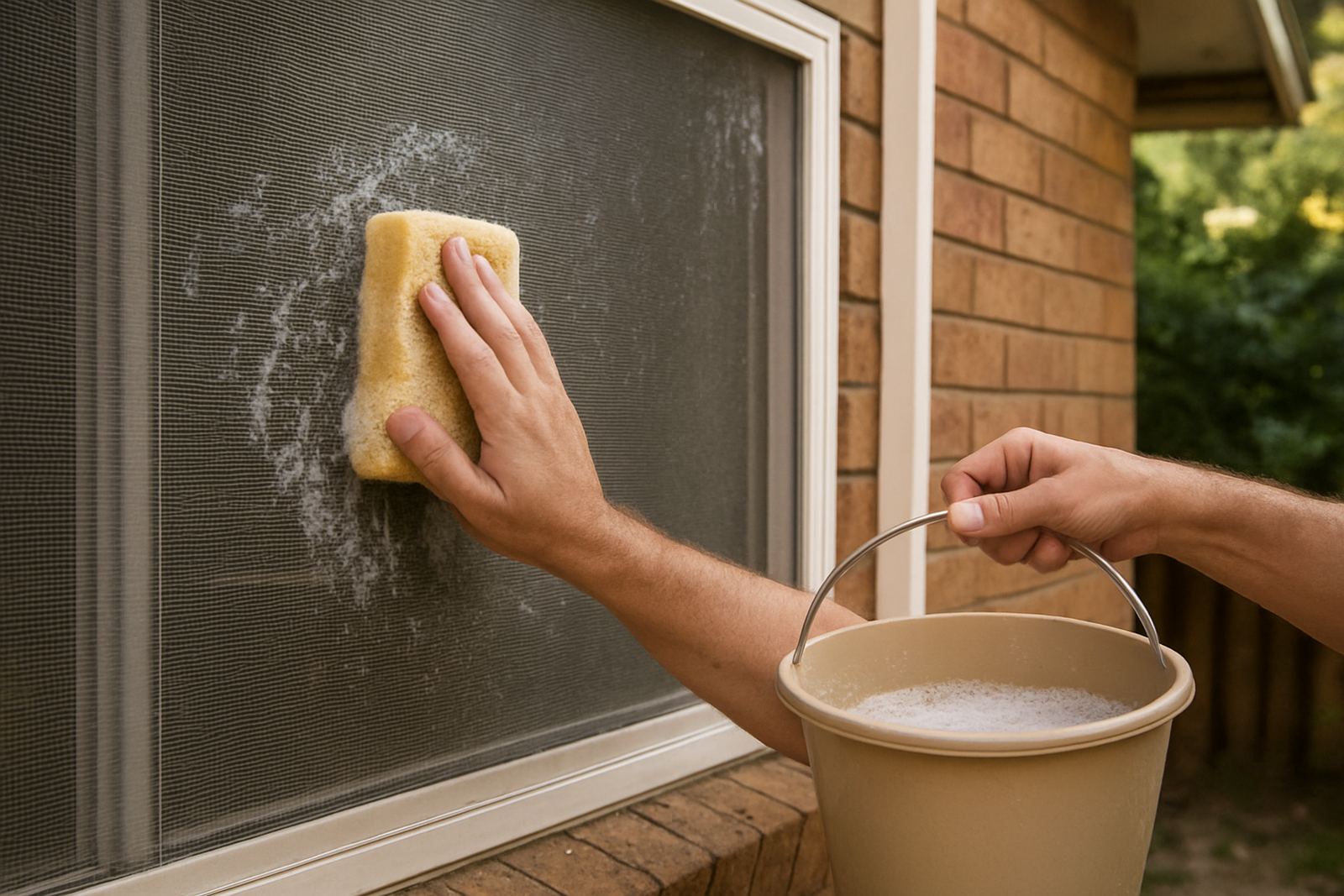
Guesthouses also need to think about turnover. Linen is changed, windows are wiped, and maintenance time is limited. Screens should be easy to clean with a soft brush or damp cloth, and hardware should be accessible without stripping the whole unit. If the property hosts corporate guests, families, or long-stay visitors, durability is just as important as looks.
- Easy for guests to slide, swing or open without instruction
- Neat fit on different window and door types
- Low maintenance for housekeeping and the maintenance team
- Suitable for coastal conditions and daily use
Insect screens for bedrooms, bathrooms and breakfast rooms
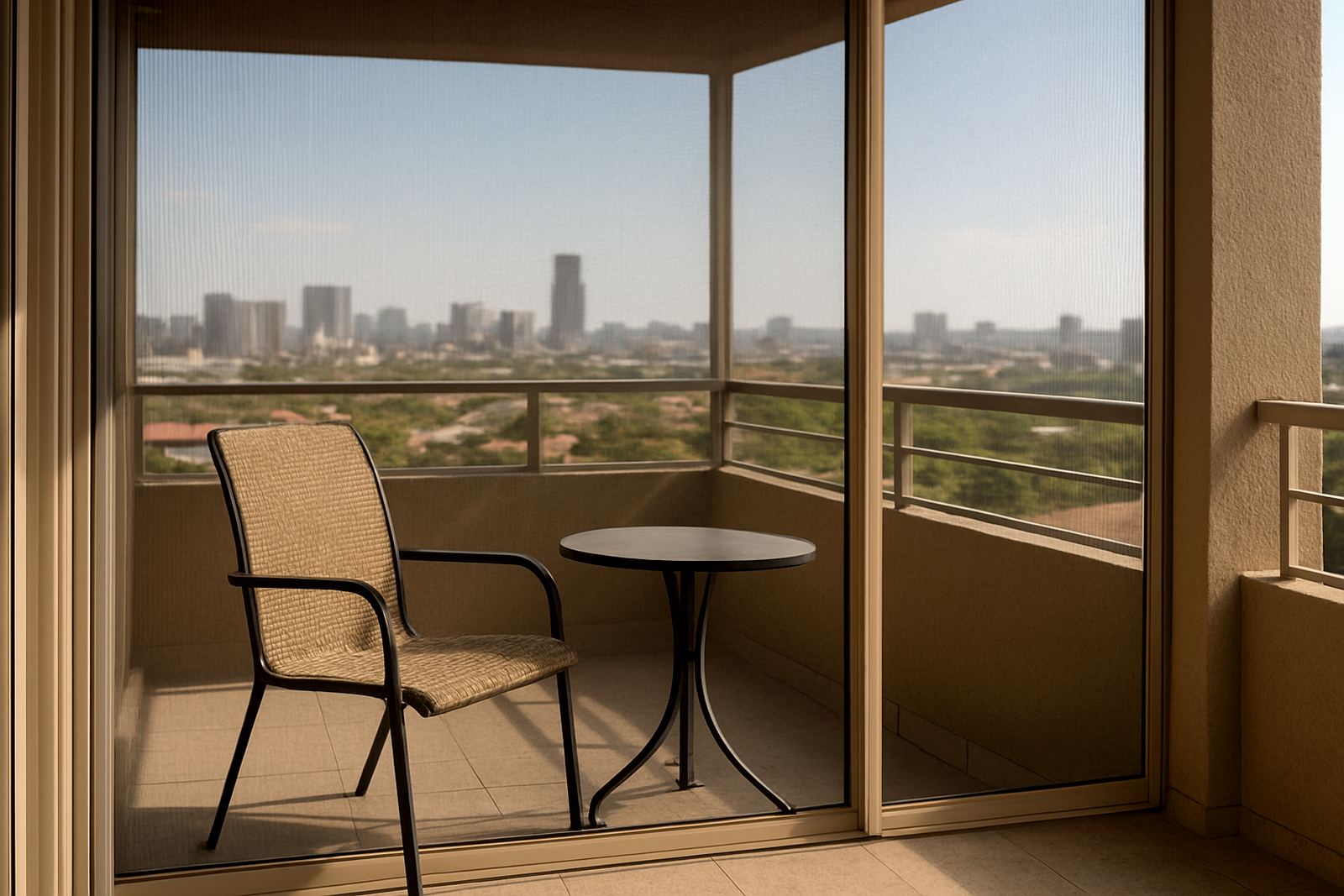
Insect screens are usually the first line of defence for guesthouses in Gqeberha and along the coast. They are useful in bedrooms, bathrooms with opening windows, kitchenettes and breakfast rooms where doors may stay open during service. The mesh should be fine enough to stop small insects, but still allow air flow and a decent outward view.
For sleeping rooms, many guesthouse owners prefer screens that are neat and unobtrusive. Guests want fresh air and a calm room, not a heavy barrier across the window. In rooms facing gardens or pool areas, the screen should also stand up to frequent opening for cleaning and ventilation. Good track alignment makes a big difference here, especially where windows are used every day.
- Fixed screens for windows that open for ventilation but do not need regular removal
- Sliding screens where access to the window pane is needed for cleaning
- Hinged options for doors and service openings that get used often
- Fine mesh for smaller insects common in warmer months
Coastal humidity can affect cheaper fittings and loose tracks pretty quickly. On a guesthouse, that means more call-backs, more staff frustration and more time with rooms out of action. A good installation should take the local conditions into account, from sea air in Summerstrand to breezier sites near St Francis Bay.
Security screens for guest safety and peace of mind
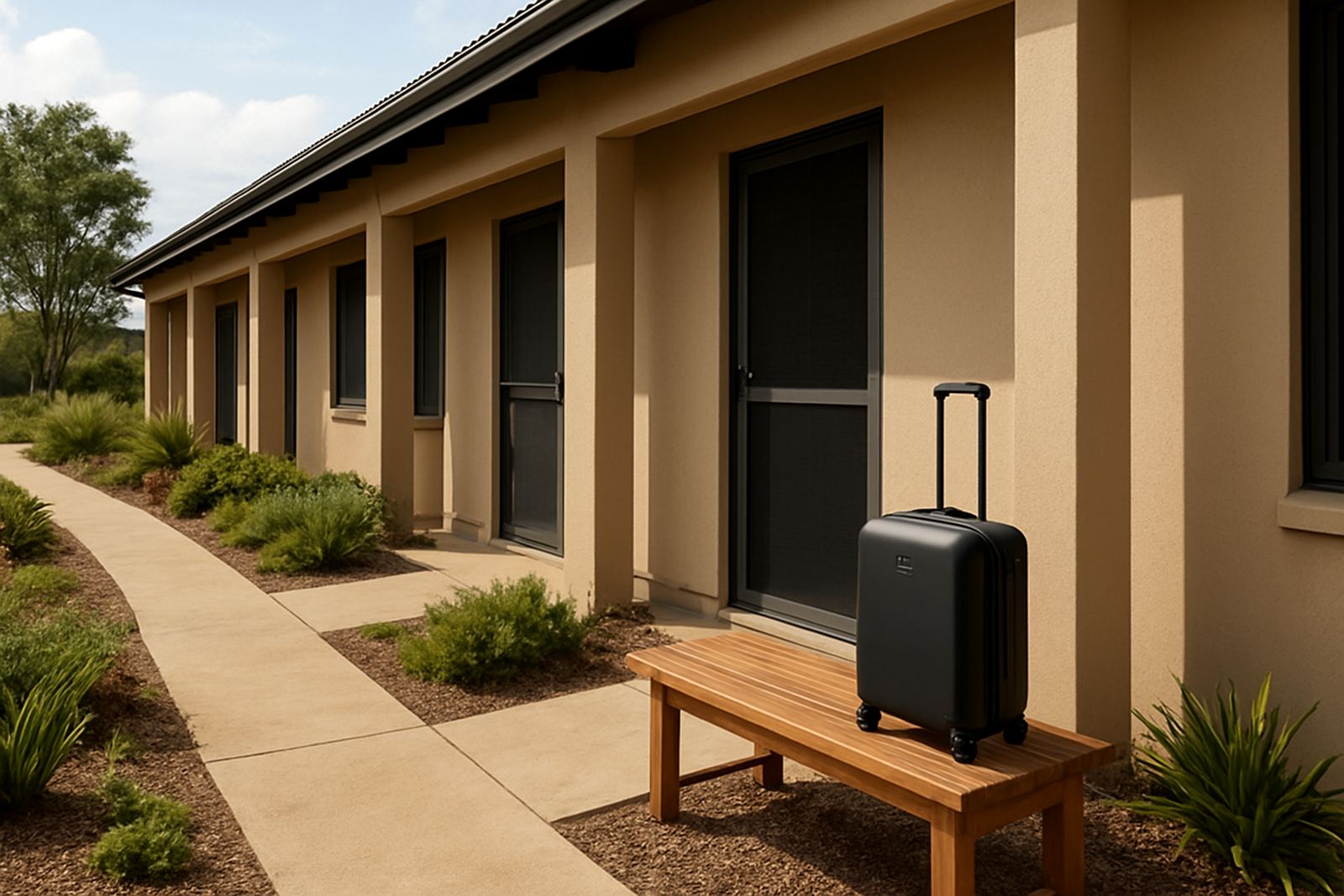
Security screens are a practical choice for guesthouses that want added protection without making rooms feel closed off. They work well on ground-floor openings, patio doors and staff-access areas, especially where windows may be left open overnight. The aim is to support safety while still keeping airflow and light.
For a guesthouse, the best security screen is one that does not cause confusion for visitors. Guests should be able to open and close it easily, and staff should be able to use it without special tools or long explanations. A tidy finish matters too because the screen is part of the room presentation, not just a security item.
- Ground-floor rooms near parking bays or walkways
- Patio doors leading to courtyards or pool areas
- Rooms with larger opening sections that need extra protection
- Staff areas where controlled access is important
On properties in Walmer or near busy roads, security screens can be part of a wider plan that includes good locks, lighting and sensible key control. They are not a full solution on their own, but they do help reduce the risk of casual access and improve guest confidence. That matters when people are travelling for work and want to feel settled from the first night.
Shading choices for rooms that get morning or afternoon sun
Shading is often overlooked until the first hot spell hits. Then the rooms on the east or west side become harder to cool, curtains get pulled shut, and the guests pay the price in comfort. In Port Elizabeth summers, a well chosen shading product can help keep rooms cooler without blocking natural light completely.
For guesthouses, the right shading choice depends on the room type. Breakfast areas may need softer light control, while upstairs rooms that face direct sun may need stronger coverage. Exterior shading can reduce heat before it enters the glass, which helps more than heavy indoor curtains alone. This also reduces strain on air-conditioning during load-shedding because rooms stay more comfortable for longer.
- Window shading for guest rooms with strong morning or afternoon sun
- Outdoor shading for patios, breakfast areas and shared seating spaces
- Simple operation so staff can adjust it quickly between check-ins
- Materials that cope with sun exposure and coastal conditions
In practice, the best setup often combines insect control and shading in the same room plan. A guest may open the window at night, then use the shade during the day. If both systems are easy to use, the whole property feels more considered and less fussy.
How to plan for housekeeping and maintenance
Guesthouse screens need to suit the people who use them every day, not only the owner. Housekeeping staff should be able to wipe them down, open them for airing rooms, and spot problems early. Maintenance teams should be able to replace mesh, adjust tracks and sort hardware before a small issue becomes a bigger one.
That is why it helps to standardise where possible. If several rooms use the same opening type, the same mesh and the same hardware, repairs are simpler and spare parts are easier to keep on hand. It also means seasonal checkups take less time. A guesthouse that runs full during holidays can not afford a batch of sticky sliders or torn mesh panels just before a busy weekend.
- Seasonal checkups before summer and before long holiday periods
- Track servicing for screens that stick after dust, wind or salt build-up
- Mesh replacement where pets, luggage or frequent use have caused wear
- Hardware replacement for handles, catches and rollers that have loosened
Repairs should be quick and tidy. Rooms need to return to service fast, and guests should never see a temporary fix that looks unfinished. On multi-room properties, aftercare support is just as important as the first install because it keeps the whole setup working the way it should.
A local example from Walmer to Jeffreys Bay
A good example is a small guesthouse in Walmer with six rooms, a breakfast area and two ground-floor patio doors. The owner wanted fresh air in every room, but also needed better security at night and less trouble with insects near the garden side. Some rooms were catching strong afternoon sun, while the seaside rooms had more wind exposure.
The solution was not one product for everything. Bedrooms received insect screens matched to each window opening, the patio doors were fitted with security screens, and the sunniest rooms got shading to help with heat and glare. The breakfast area used screening that allowed doors to stay open for service while keeping flies out. That meant less noise from portable fans, fewer complaints and a cleaner overall look.
For guesthouses spread across Gqeberha, Jeffreys Bay or St Francis Bay, the lesson is simple: one size does not fit all. The better approach is to assess each room by use, exposure and traffic. Some areas need lighter access, others need stronger protection, and the finishes all need to hold up to regular cleaning and coastal wear.
Choosing the right partner for a guesthouse fit-out
When a guesthouse is being upgraded, the installer should understand both the property and the timetable. Site measurements need to be accurate, product advice should match the room use, and the final installation should be neat enough for paying guests. It also helps when the same team can handle repairs later, because guesthouses rarely stay the same for long.
ScreenMaster works across Walmer, Gqeberha, Summerstrand, Newton Park, Uitenhage, Despatch, Jeffreys Bay and St Francis Bay, with custom manufacture and installation for homes and commercial properties. For guesthouses, that means a practical process from first measurement to aftercare support. The aim is to make the screens easy for staff to live with and easy for guests to use, without adding extra admin.
For owners, the real value is calm rooms, fewer maintenance calls and better control over comfort. If the screens are fitted properly and matched to the way each room is used, they quietly do their job for years.