Why mesh cleaning matters in coastal Eastern Cape homes
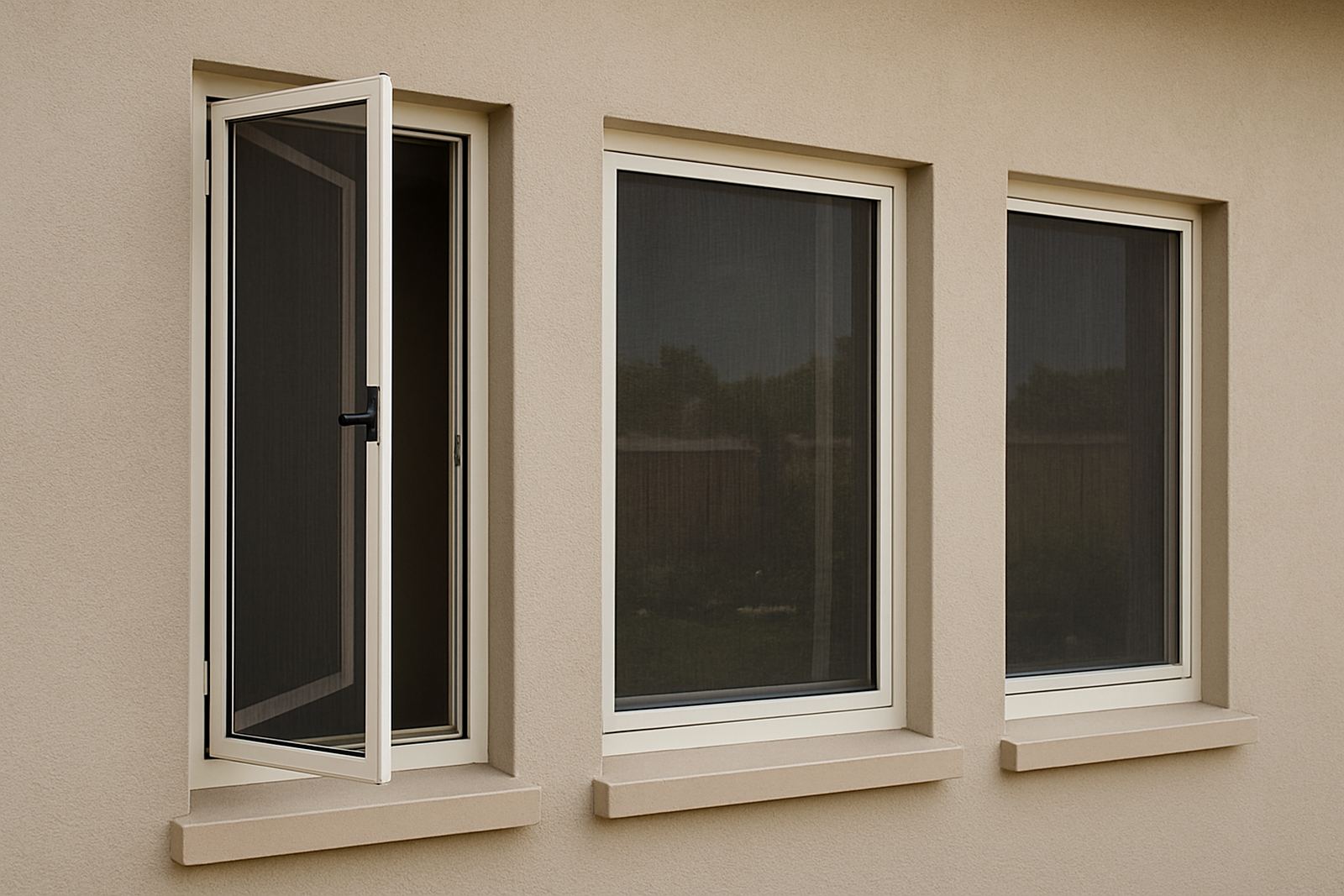
In places like Walmer, Summerstrand and Jeffreys Bay, screen mesh deals with more than just insects. Salt in the air, fine dust, pollen and even smoke from braai areas can settle into the mesh and frame. If it is left too long, the mesh can start to look dull and airflow becomes less effective.
Clean mesh also helps you spot damage early. A small tear, loose corner or bent track is easier to repair when it is noticed during routine cleaning instead of after pests have already found a way in. For coastal properties, regular care is especially useful because moisture and salt can mark aluminium fittings quicker than inland conditions.
A simple cleaning routine that works
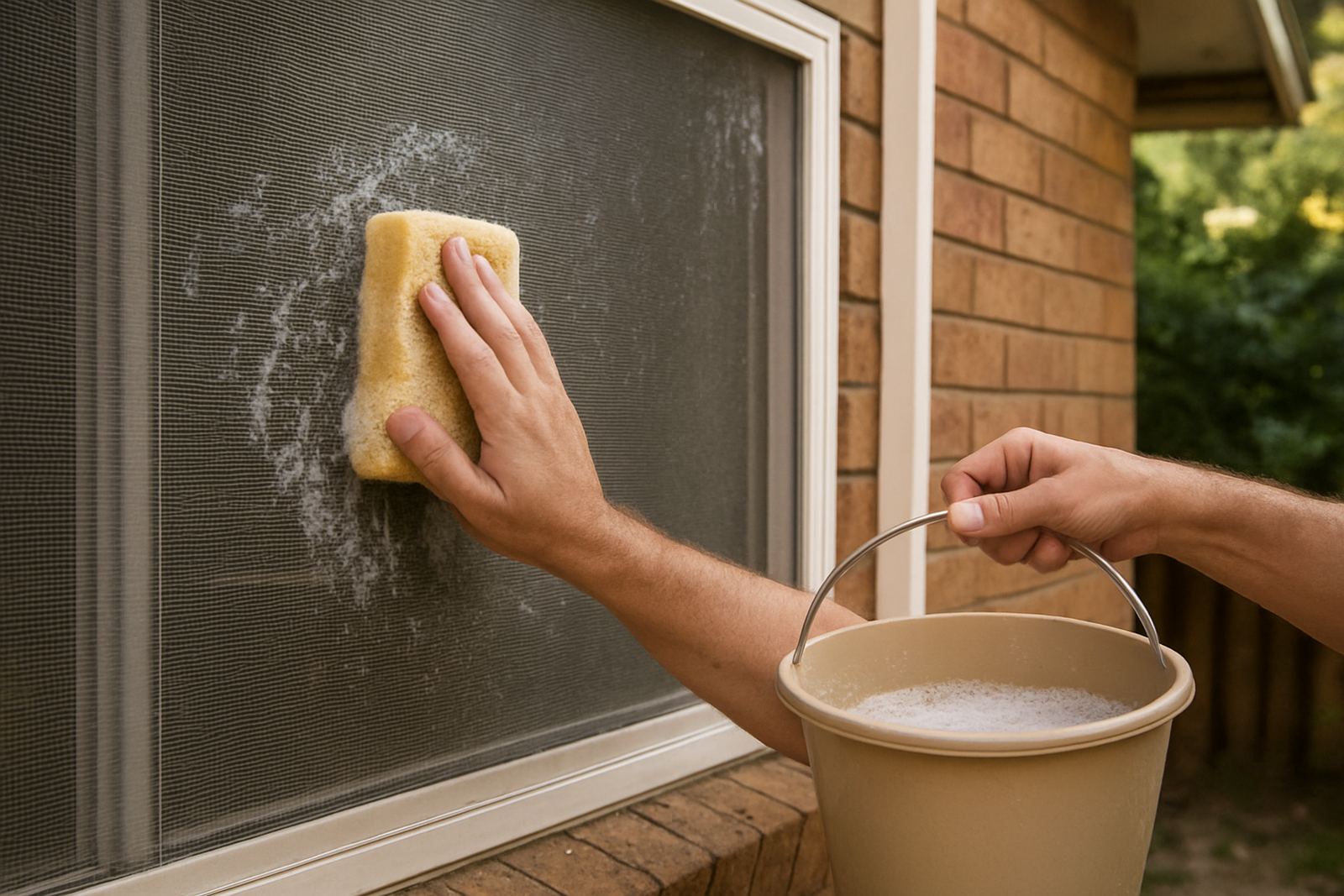
You do not need special chemicals for most screen mesh. A soft brush, lukewarm water and a mild soap solution are usually enough for day-to-day cleaning. The aim is to lift dust without pushing it deeper into the mesh or scratching the finish.
- Dust the mesh lightly with a soft brush or dry cloth first.
- Mix a little mild soap into lukewarm water.
- Wipe the mesh gently from top to bottom.
- Rinse with clean water, then let it air dry.
- Clean both sides where possible, especially on doors and opening panels.
If the screen is fitted on a sliding track, check for sand or grit while cleaning. That grit can cause sticking and wear over time. A quick vacuum around the track often helps more than forceful scrubbing.
What to avoid so the mesh does not lose shape
Mesh is made to breathe, but it is still a fine tensioned surface. Harsh treatment can stretch it, polish off coatings or damage the frame edges. In homes with security screens, too much pressure on the mesh can also affect the locking action if the whole panel starts to flex.
A few things are best avoided:
- Wire brushes or rough scouring pads
- Strong solvents, bleach or acid cleaners
- High pressure hoses aimed at close range
- Hard scraping with metal tools
- Leaving wet cloths folded against the mesh for long periods
If you are cleaning near painted frames or powder-coated hardware, gentle methods are safest. That is especially important in coastal towns where protective finishes already work harder. A little care now saves a repair later, and keeps the screen neat without marks.
How often to clean different screen areas
Not every screen needs the same schedule. A kitchen window near cooking vapour will need attention more often than a bedroom window that stays closed most of the time. Homes close to the sea may also need more frequent wipe-downs because salt settles on exposed surfaces.
A practical guide is to do light cleaning every month or two, then a deeper check at change of season. In summer, when windows and doors stay open longer, mesh can gather more dust and insect residue. Before the windy months in the Eastern Cape, it is also useful to inspect screens for loose edges or small punctures.
- Monthly: quick dusting and a visual inspection
- Every 2 to 3 months: full wipe-down with mild soapy water
- After storms or strong wind: check for debris and frame movement
- At least twice a year: track cleaning and hardware check
Special care for security screens and sun control mesh
Security screens and shading products need a bit of extra attention because their fittings, tracks and locks do more work than a plain insect screen. Dust can collect around hinges and latches, while shading mesh may hold more grime on larger surface areas. If the screen is part of a commercial entrance, foot traffic can add fingerprints and scuff marks too.
When cleaning these systems, keep an eye on the moving parts. Wipe the mesh first, then clear the hardware and track. If a panel is harder to open than usual, do not force it. Dirt, swelling from moisture or worn rollers can all be part of the problem. In some cases, a service check is better than another round of cleaning.
A local example from a Walmer home
A family in Walmer had mesh doors fitted on a kitchen opening and a patio access point. After the winter rains and a windy spell, they noticed the mesh looked grey, and the sliding door was not moving as freely as it should. The screens were not damaged, but fine grit had settled into the lower track and coastal dust had coated the panels.
After a careful clean with mild soap, a soft brush and a vacuum around the track, the airflow improved again and the panels moved properly. The family then added a quick monthly wipe to their routine, which is simple enough to keep up with load-shedding and busy weekdays. It was a small job, but it made the screens easier to live with and helped delay wear.