Start with the opening style, not the mesh
When people ask about window screens, the first question is not the mesh type but how the window opens. A casement, sliding window, top-hung awning or fixed pane all need a different approach if you want clean operation and proper insect control. In a place like Walmer or Summerstrand, that detail matters because coastal humidity and wind can shift a badly fitted screen out of line over time.
For most homes, the screen must allow the window to open fully without scraping the frame or catching on locks. That is why ScreenMaster starts with site measurements and a product consultation before recommending anything. A screen that suits a small bedroom window in Newton Park may not be the right answer for a larger lounge opening in St Francis Bay.
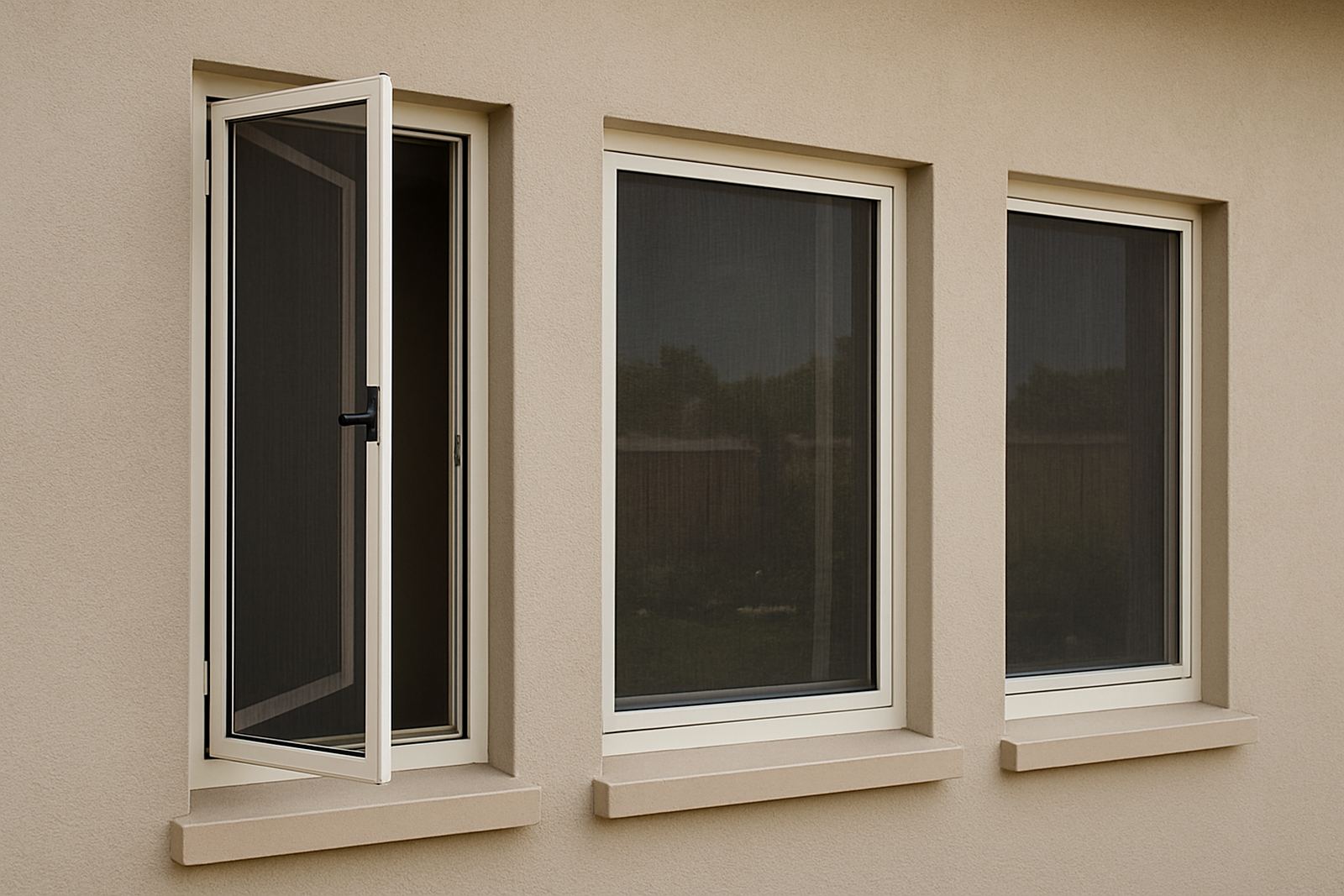
- Hinged windows usually need an opening screen that swings with the sash or sits neatly on the outside face.
- Sliding windows work well with slim framed inserts that do not block the track or handles.
- Awning and casement windows often need special clearances for the handle and opening arc.
Fly screens for everyday ventilation
Insect screens are the most common choice for households that want fresh air without flies, mozzies or dust drifting in. They suit bedrooms, kitchens, living rooms and offices where the window stays open for long periods, especially during warmer months when load-shedding makes natural ventilation useful.
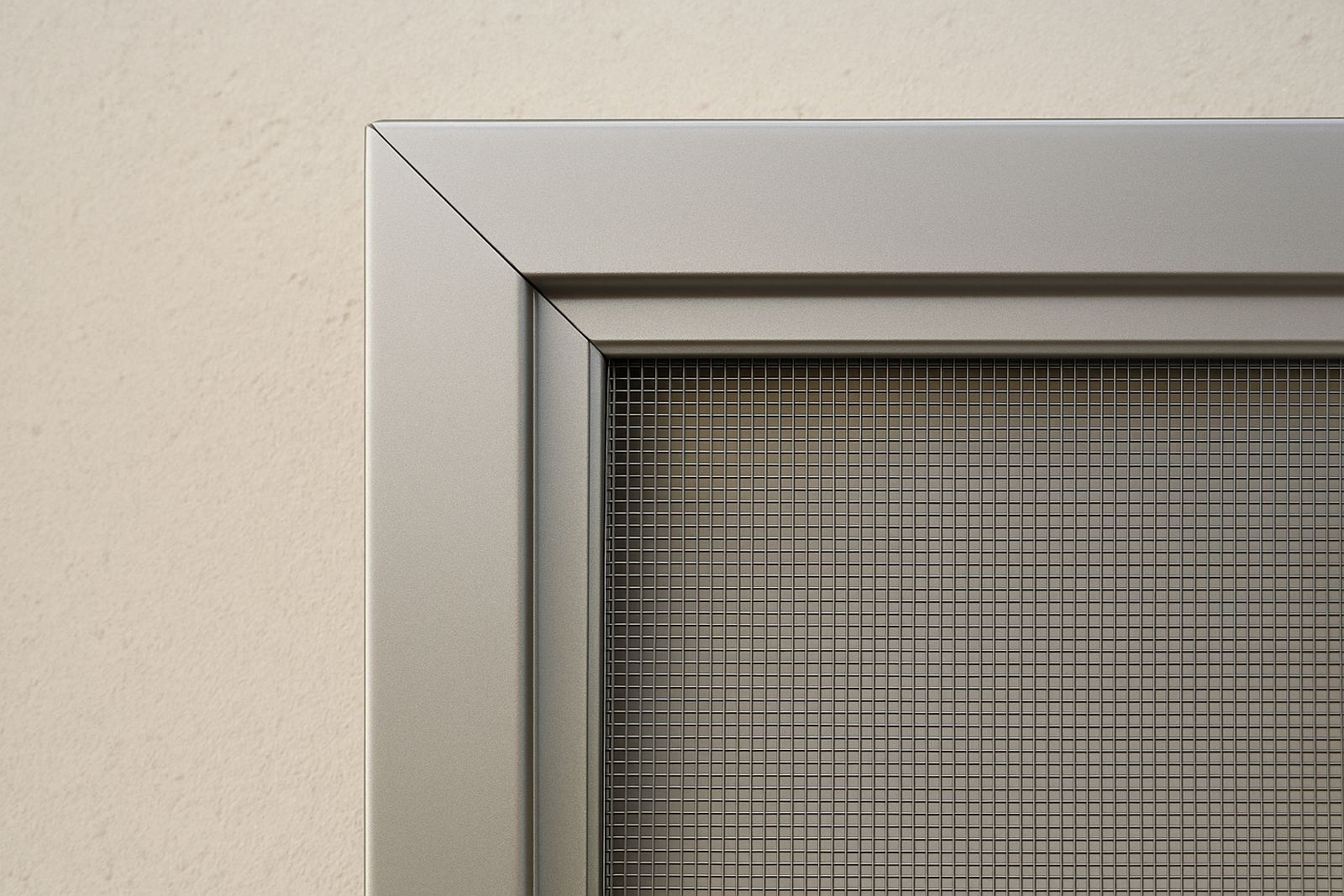
Good fly screens should be easy to clean, simple to remove for maintenance, and tight enough to keep out fine insects. Mesh choice matters too. Finer mesh helps with tiny insects, while a slightly more open mesh can improve airflow in rooms that already have limited ventilation. The frame colour is also worth considering so the screen sits neatly with the existing window finish.
- Choose a tighter mesh for bedrooms near garden areas or water.
- Choose a standard insect mesh where airflow is the main priority.
- Ask about removable panels if you need easier cleaning on upper floors.
Security screens for windows that need extra protection
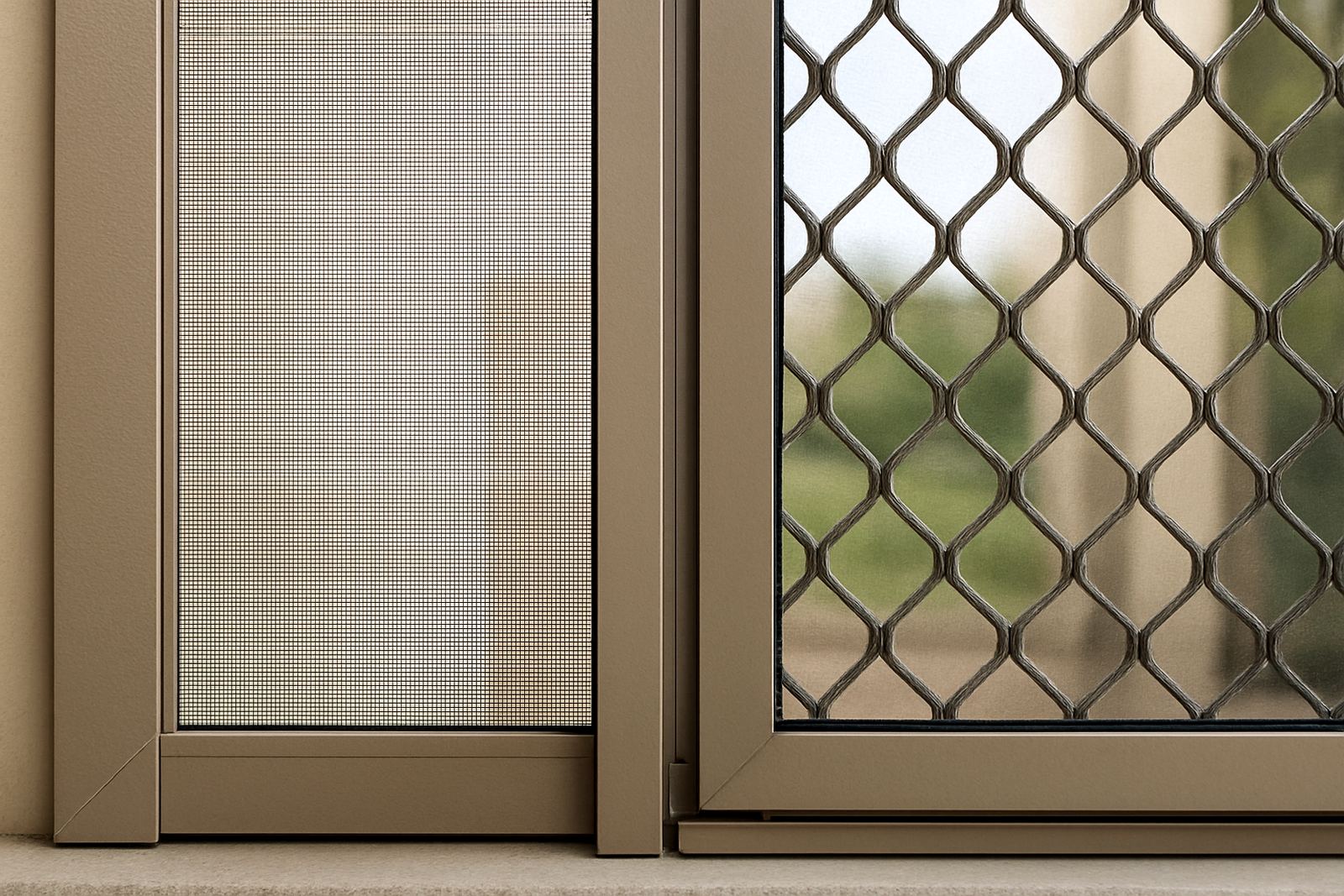
Some windows need more than insect control. On ground floors, in rental units or in business premises, security screens help slow entry while still allowing air through the opening. They are useful where you want a visible deterrent without closing off the room or relying only on bars.
In Gqeberha, especially in homes close to the street or along more exposed coastal properties, owners often want a screen that looks tidy from the outside but still holds up to daily use. The frame, locking points and fixings all matter. A screen should open for cleaning and emergency exit, yet sit firmly when shut. It should not rattle in high wind, which is a common complaint near open coastal suburbs.
- Best for ground-floor bedrooms, patios and street-facing office windows.
- Useful where a property needs ventilation after hours.
- Can be matched with other screens across the property for a consistent finish.
Screens for sliding and top-hung windows
Sliding windows are common in many Eastern Cape homes and small businesses because they are simple and practical. They need a screen that stays clear of the running track and does not interfere with the moving sash. A slim insert or a purpose-made fixed frame usually works best, depending on how the window is used day to day.
Top-hung windows, often used in bathrooms and kitchens, need another approach. The screen must leave enough space for the window to open outward while still covering the gap when shut. If the frame sits too close, it can stop the window from opening fully and cause wear on the hinges. That is one of the most common issues we see during service calls and seasonal checkups.
- Sliding windows need smooth track clearance and easy removal for cleaning.
- Top-hung windows need accurate hinge and handle allowance.
- Bathroom windows may need a corrosion resistant finish because of steam and salt air.
Custom manufacture matters more than standard sizes
Standard sizes might seem convenient, but window openings are rarely exact once the builder’s work, plaster, trims and existing fittings are taken into account. That is why custom manufacture is often the better option, especially for homes in Walmer, Jeffreys Bay and St Francis Bay where older windows, renovations and mixed materials are common.
Custom screens also help when a property has unusual openings, French-style windows or windows with security gates close to the frame. A measured-to-fit screen reduces gaps and gives a neater finish. It also cuts down on repeat callouts because the product has been made for the actual opening rather than a rough estimate. A properly fitted screen is easier to maintain and less likely to need hardware replacement too soon.
For commercial properties, custom sizes are often essential where offices, guesthouses and retail spaces need a consistent look across different window shapes.
Repairs, mesh replacement and servicing keep screens useful
Window screens are not a once-off fit and forget item. Mesh can tear, tracks can clog with salt and dust, and fixings can loosen after years of use. If a screen frame is still sound, a repair or mesh replacement is usually the practical route instead of starting over. That saves cost and keeps the opening usable with minimal disruption.
Regular servicing is especially helpful near the coast where humidity and wind can wear down small parts faster than expected. A seasonal checkup can pick up bent corners, worn handles, loose clips and damaged rollers before the screen starts to jam. For businesses, that means fewer interruptions and less risk of leaving windows open without proper screening. It also helps avoid bigger repair bills later on, which is always a relief.
- Mesh replacement is ideal when the frame is still in good condition.
- Track servicing helps sliding screens move without sticking.
- Hardware replacement is useful when locks, handles or clips have worn out.
A practical choice for Gqeberha homes and estates
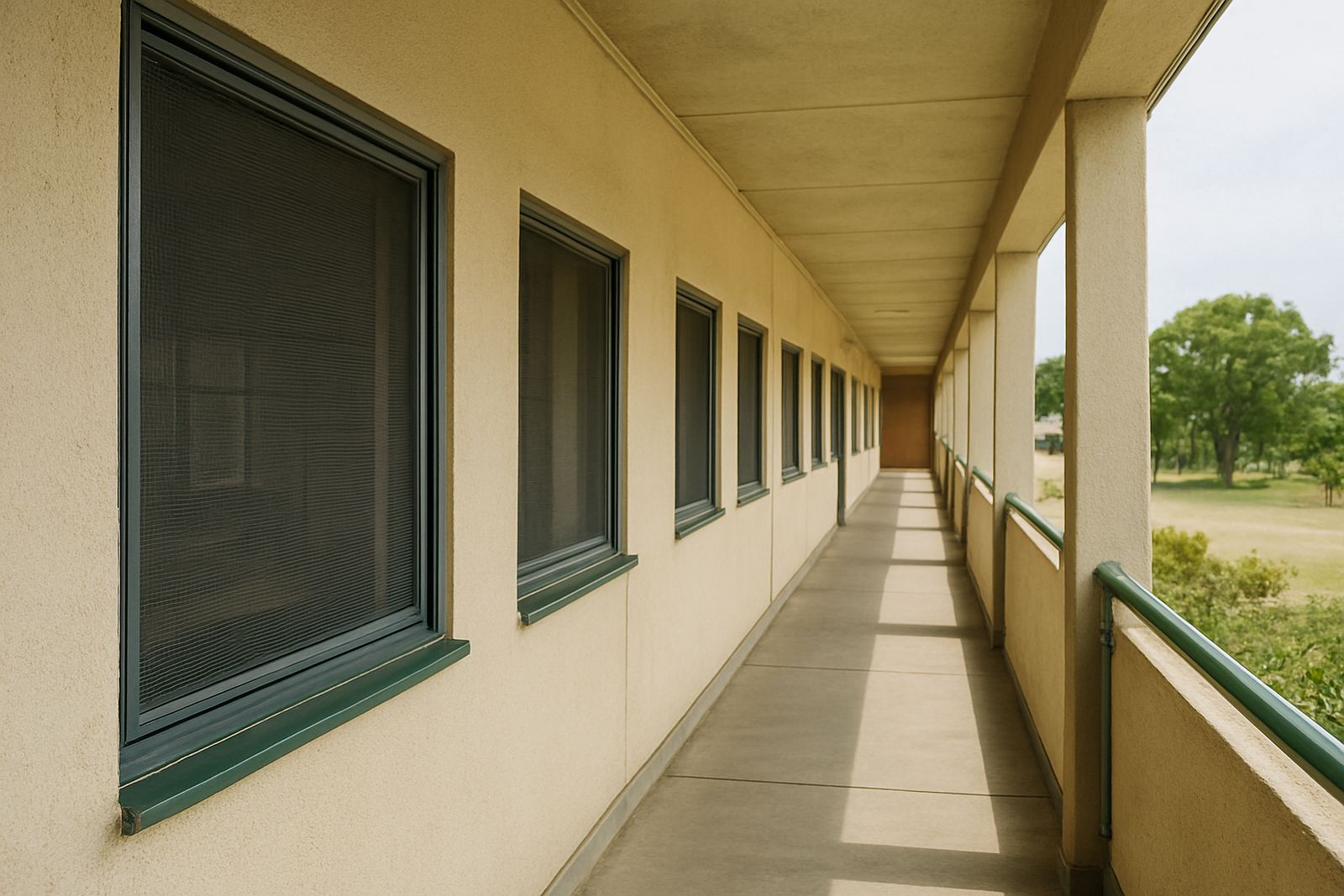
A good screen should suit the way the property is used, not just the window opening itself. In a family home in Newton Park, that might mean easy-clean insect screens on bedrooms and a stronger option for the ground floor. In an estate near Summerstrand, a coordinated rollout across several units may need the same frame colour and mesh type for a neat result. For a business in the Walmer area, the priority may be ventilation during trading hours and extra security after closing.
ScreenMaster handles site measurements, product consultations, home installations, commercial installations and aftercare support across Gqeberha and the Eastern Cape. That local approach helps with practical details like coastal exposure, municipal requirements on access, and the realities of keeping windows usable during summer heat and load-shedding. The best screen is the one that fits the opening, suits the building, and keeps working without fuss.