

Choosing the Right Screen for the Job
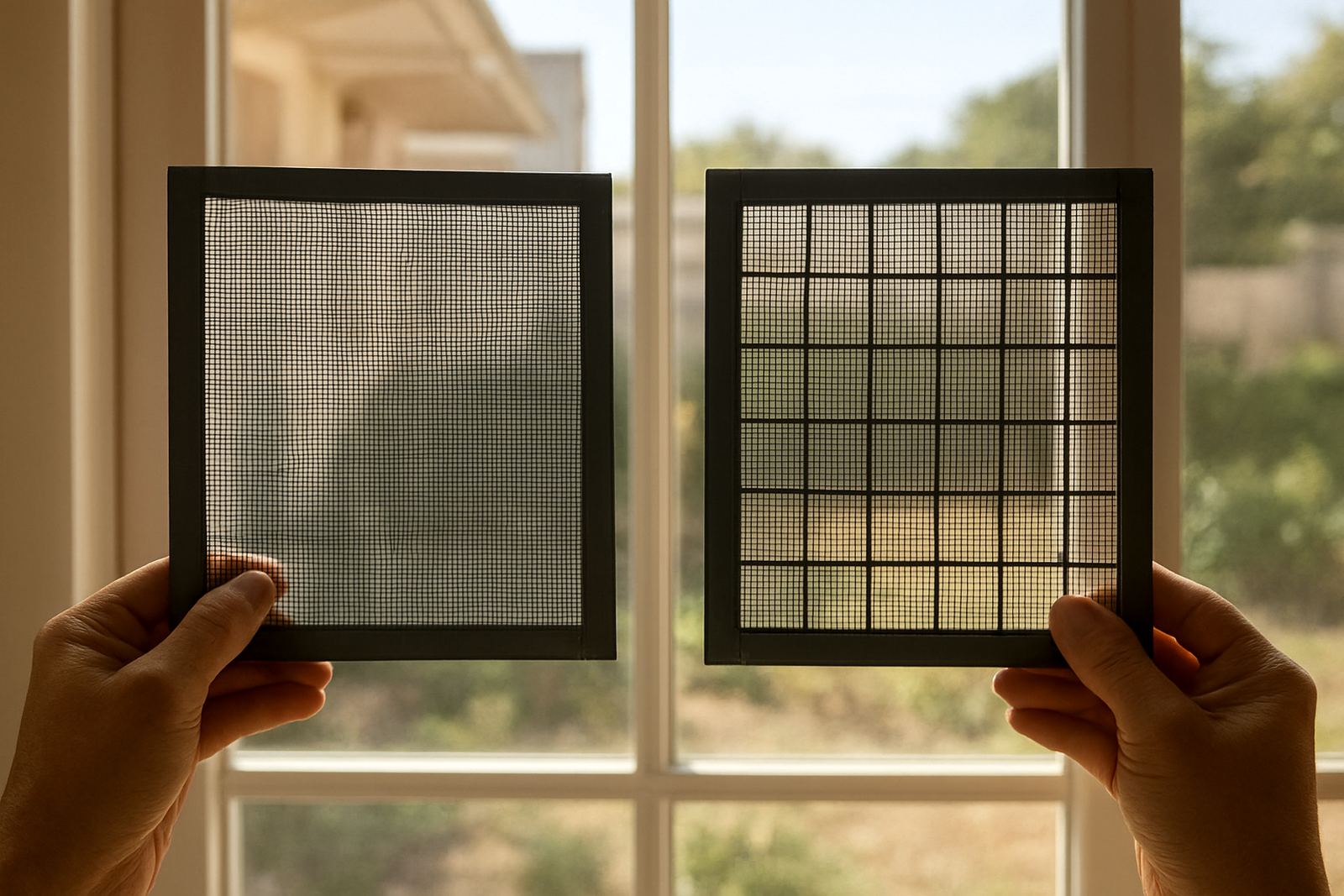
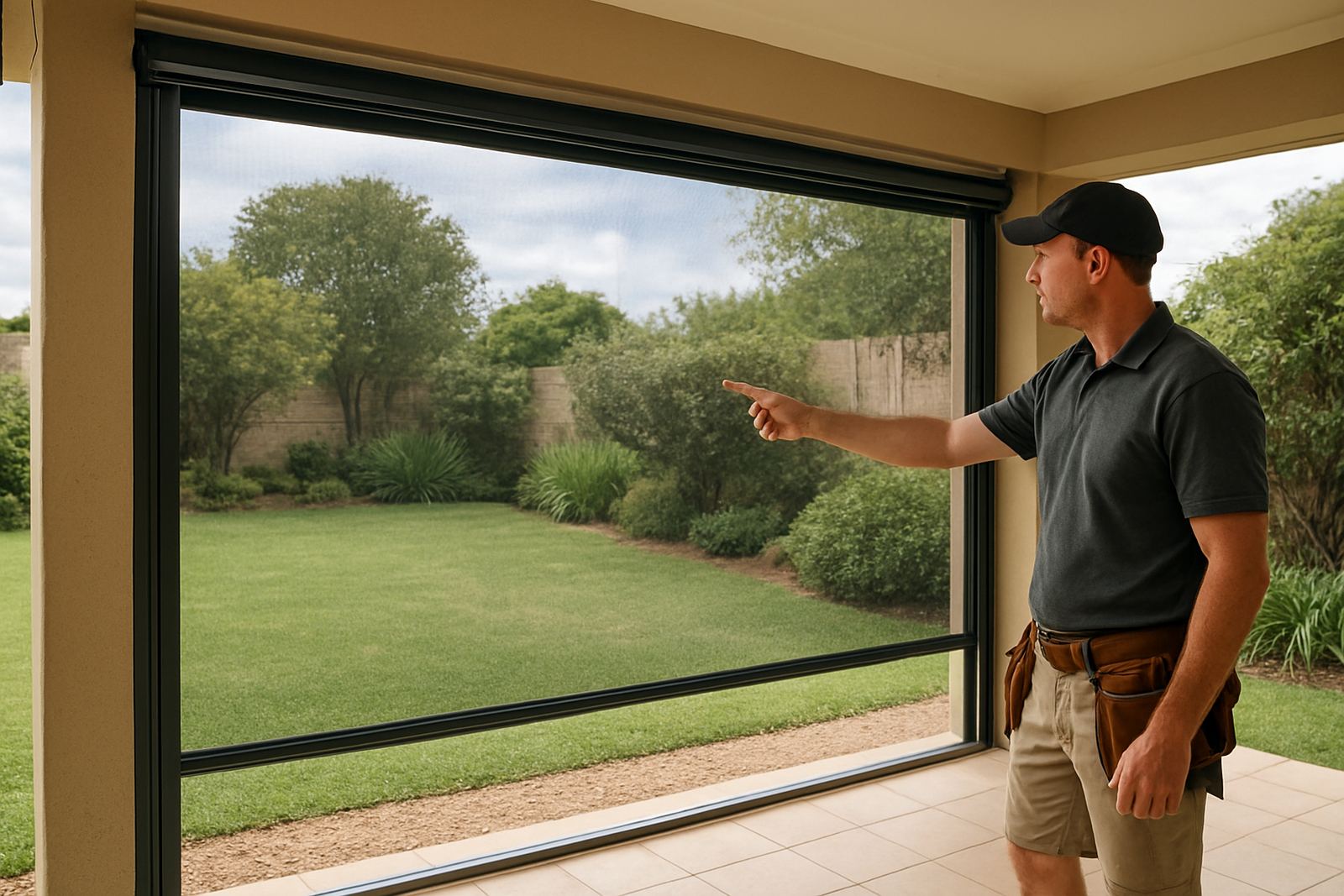
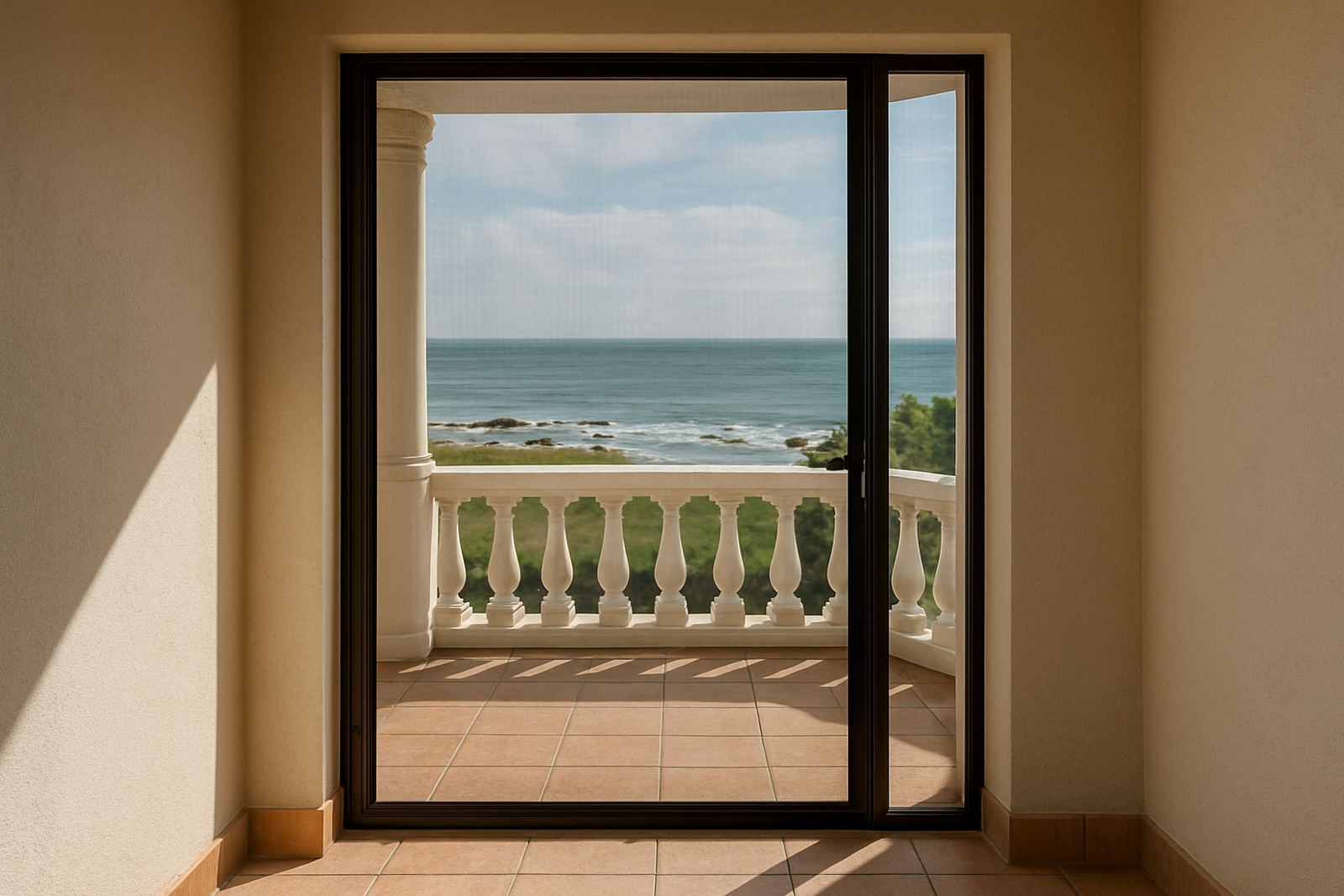
Different openings call for different screen types. A kitchen window in Walmer may need fine insect mesh and easy cleaning, while a patio opening in Summerstrand might need a stronger frame with better sun control. For ground floor units, rentals and coastal homes, security and corrosion resistance often matter just as much as airflow.
When you are comparing options, think about how the space is used every day. A family home with pets and children needs practical access. A guest house or office may need a neater finish and simpler servicing. We help clients across Gqeberha, Uitenhage, Despatch and Jeffreys Bay choose screens that suit the opening, the local weather and the level of use.
- Insect screens suit bedrooms, kitchens and sliding openings where airflow matters.
- Security screens suit lower windows, doors and exposed access points.
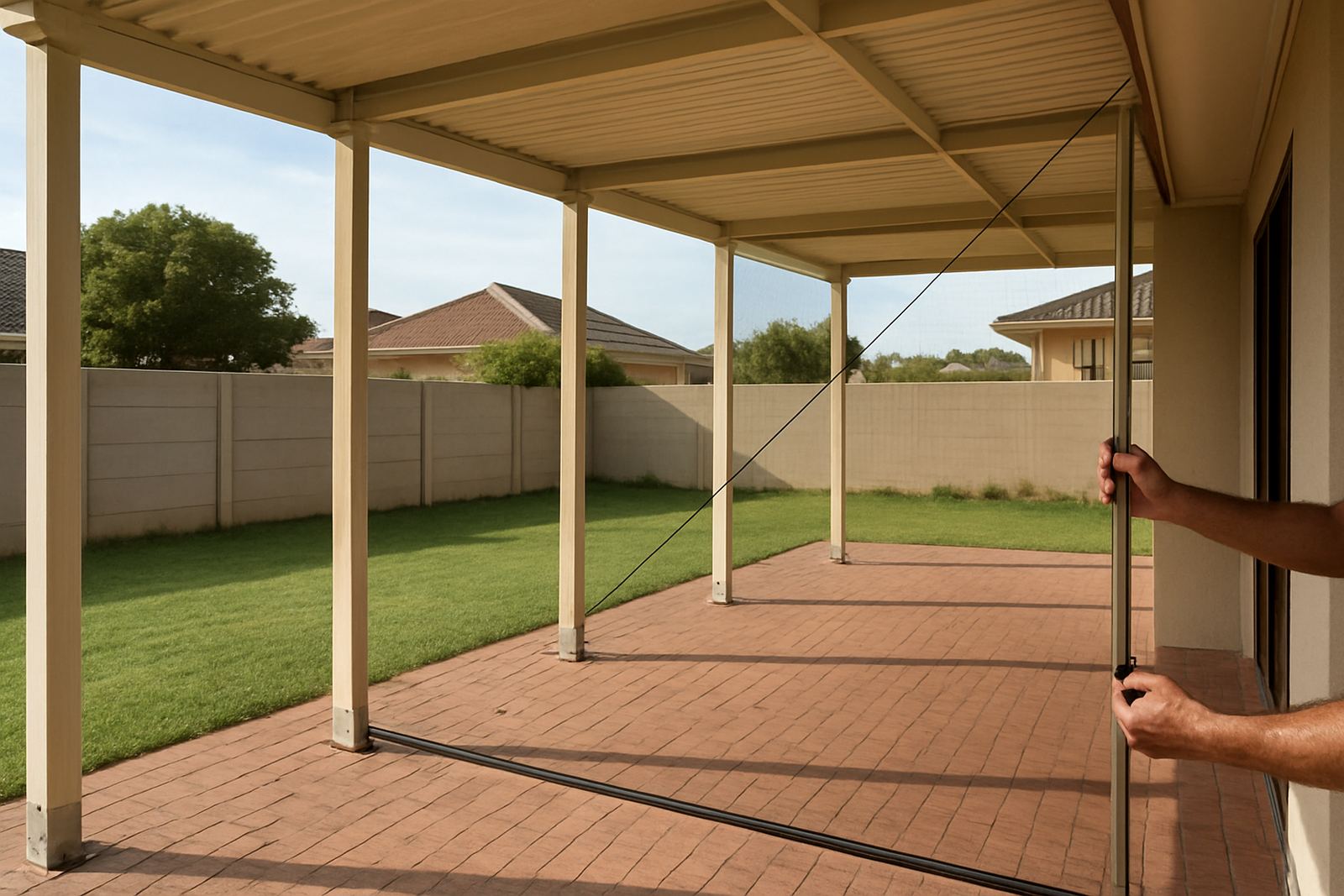
- Shading solutions suit verandas, west-facing windows and rooms that heat up in summer.
- Commercial sites often need a mix of appearance, access control and easy maintenance.
How to Measure Openings Before a Site Visit
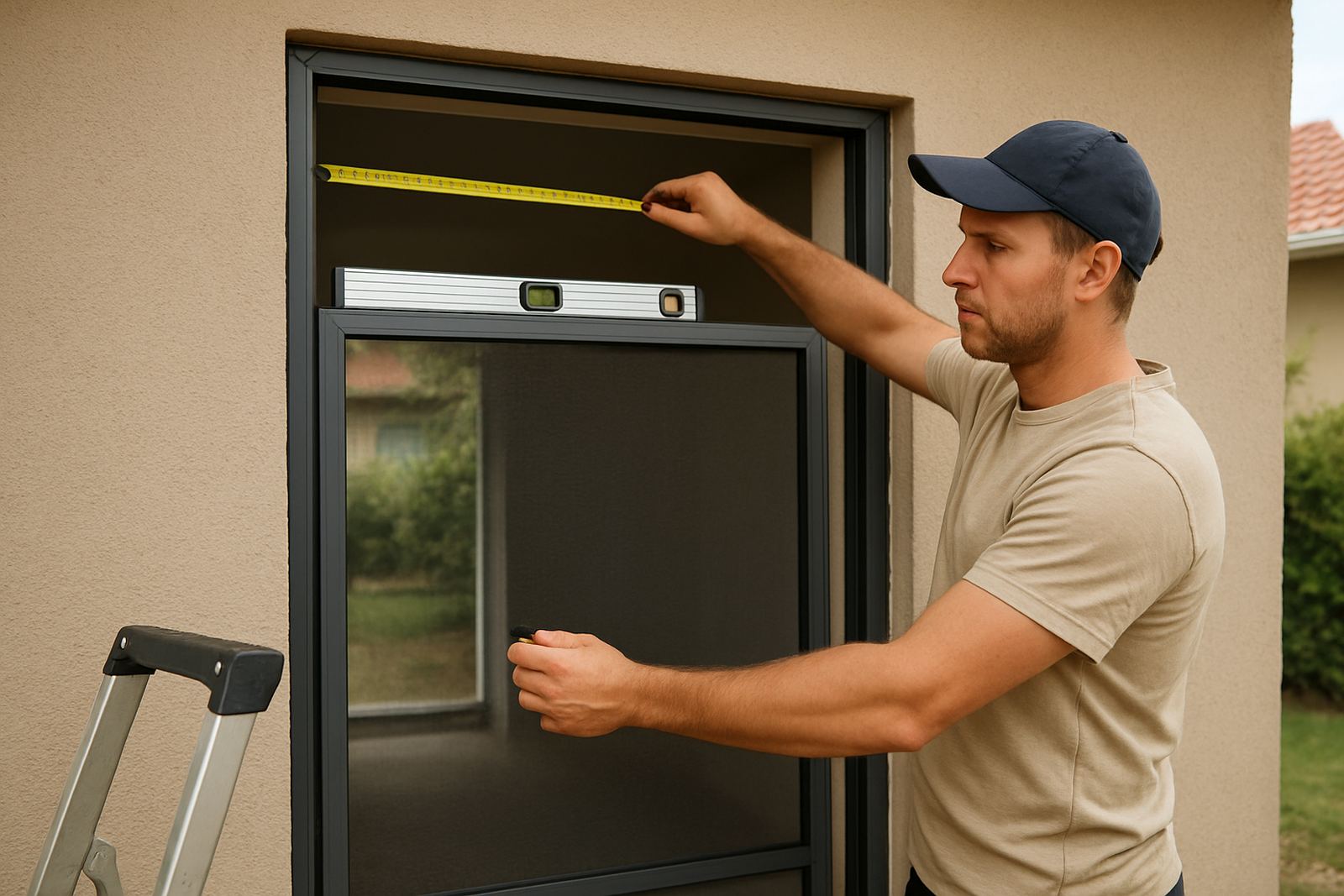
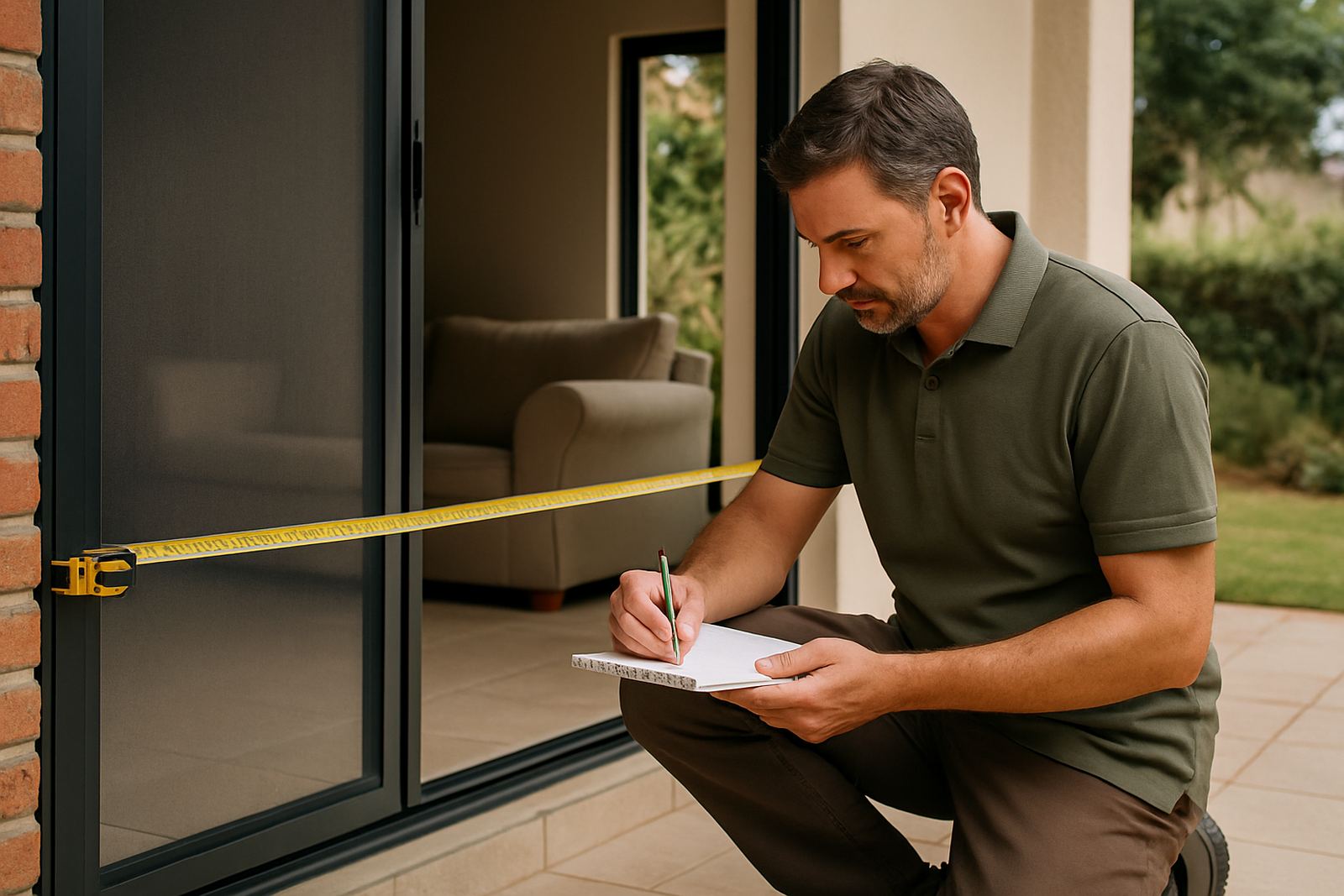
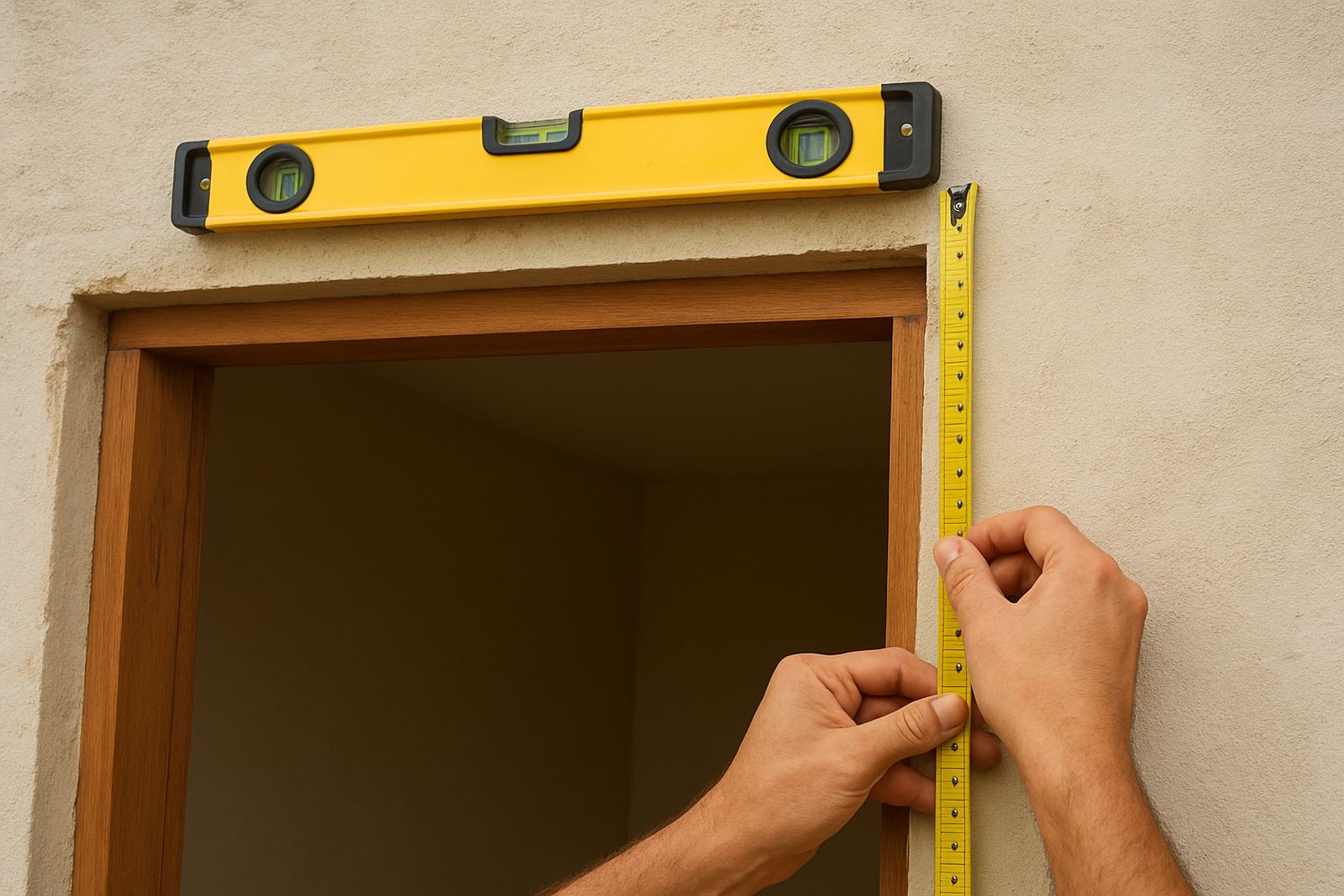
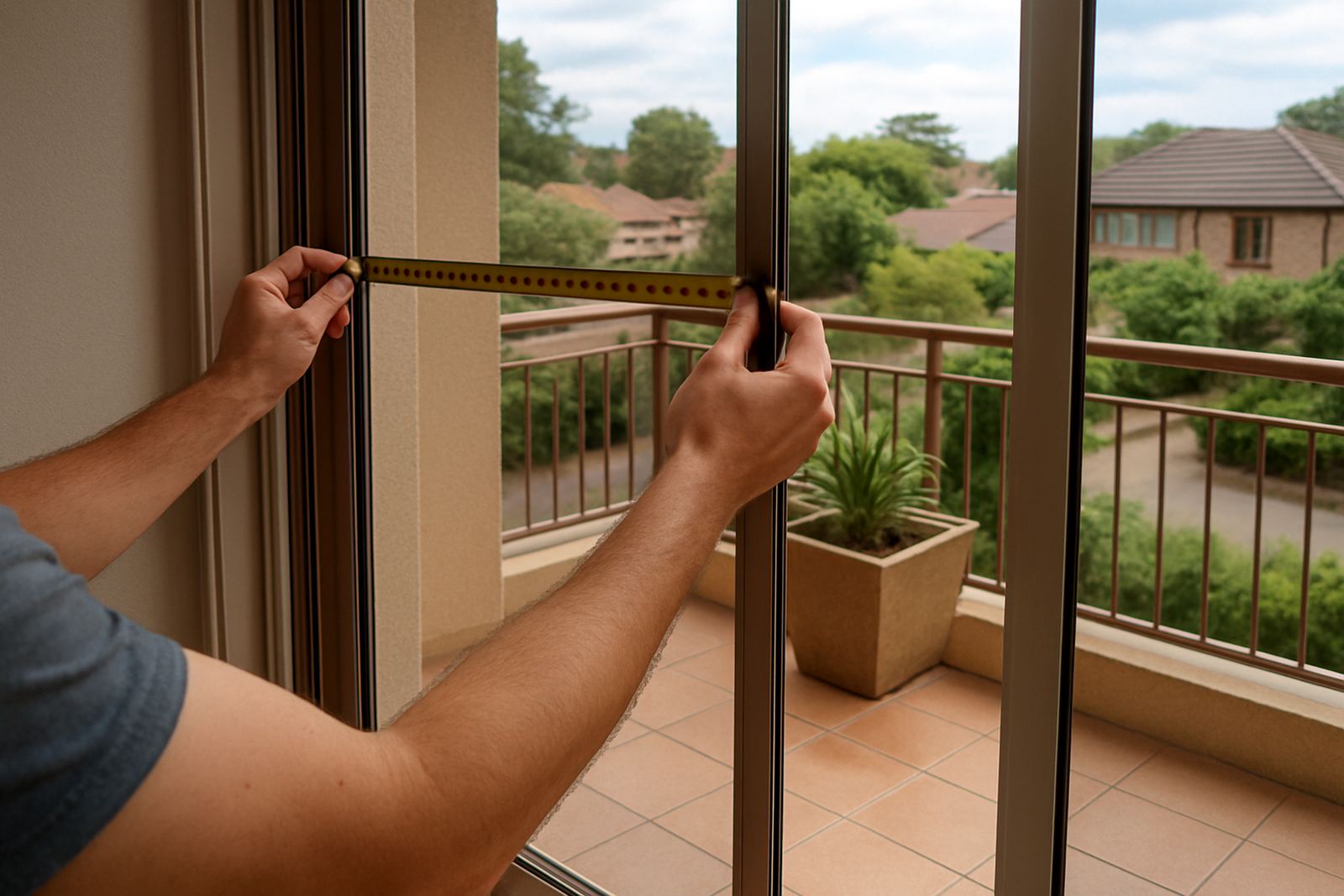
Good measurements save time and help avoid repeat visits. If you are planning ahead, measure the visible opening width and height in millimetres, then check the frame condition. Old timber, uneven plaster, rusted aluminium and out-of-square openings can all affect fitment. On coastal properties around Gqeberha and St Francis Bay, salt air can also cause swelling or corrosion that is not obvious at first glance.
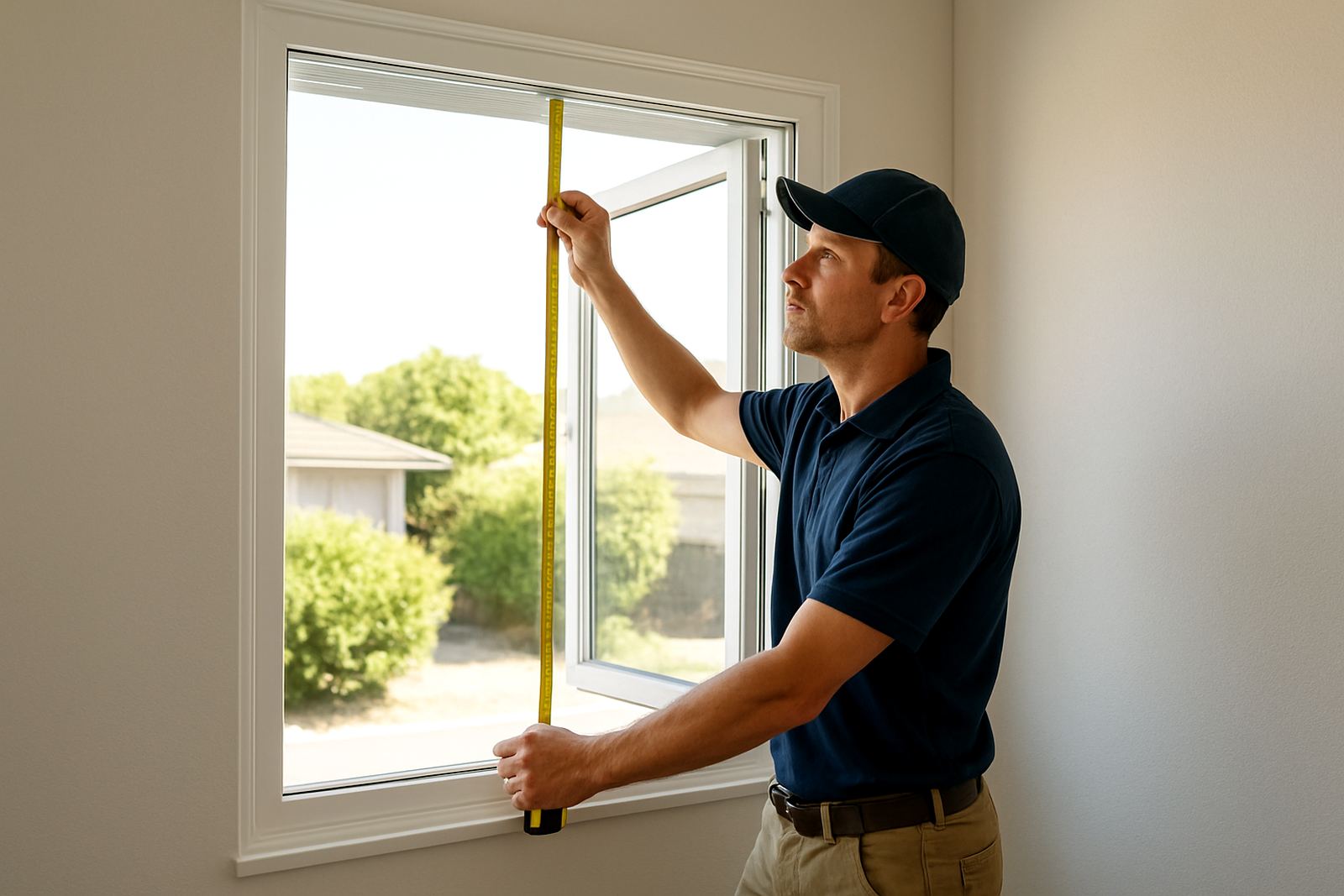
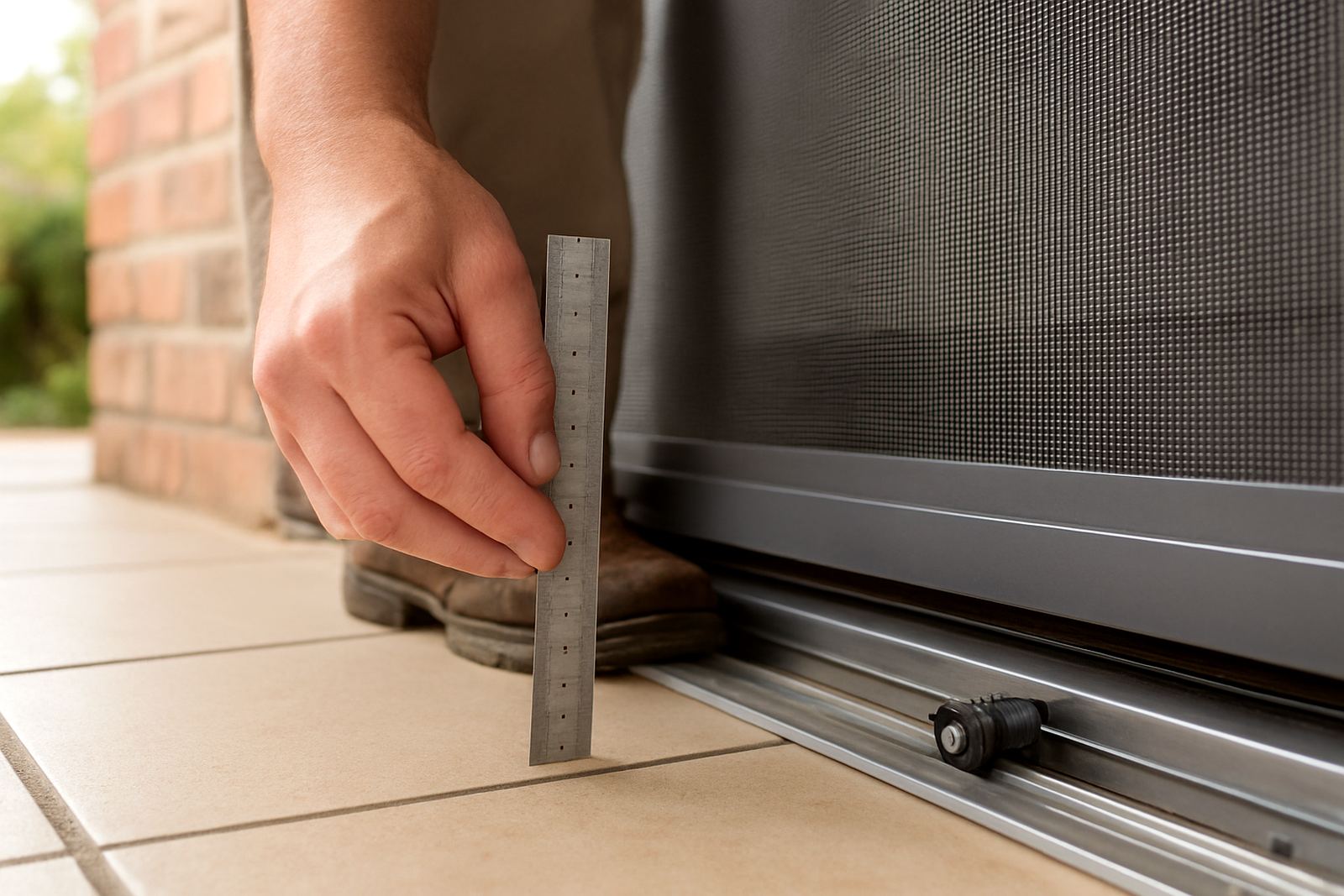
Use a metal tape measure if you have one, and measure in at least three places across the width and height. Record the smallest figures. If the opening has tiles, burglar bars, handles or blinds, note those too. A few millimetres can change how a screen sits, especially on tighter openings. It is also worth checking whether windows and doors still open fully without fouling on sill edges or gates.
- Measure width at the top, middle and bottom.
- Measure height on the left, centre and right.
- Check for protrusions such as latches, locks and bars.
- Photograph the opening if the site is tricky or access is limited.
What to Prepare Before Installation Day
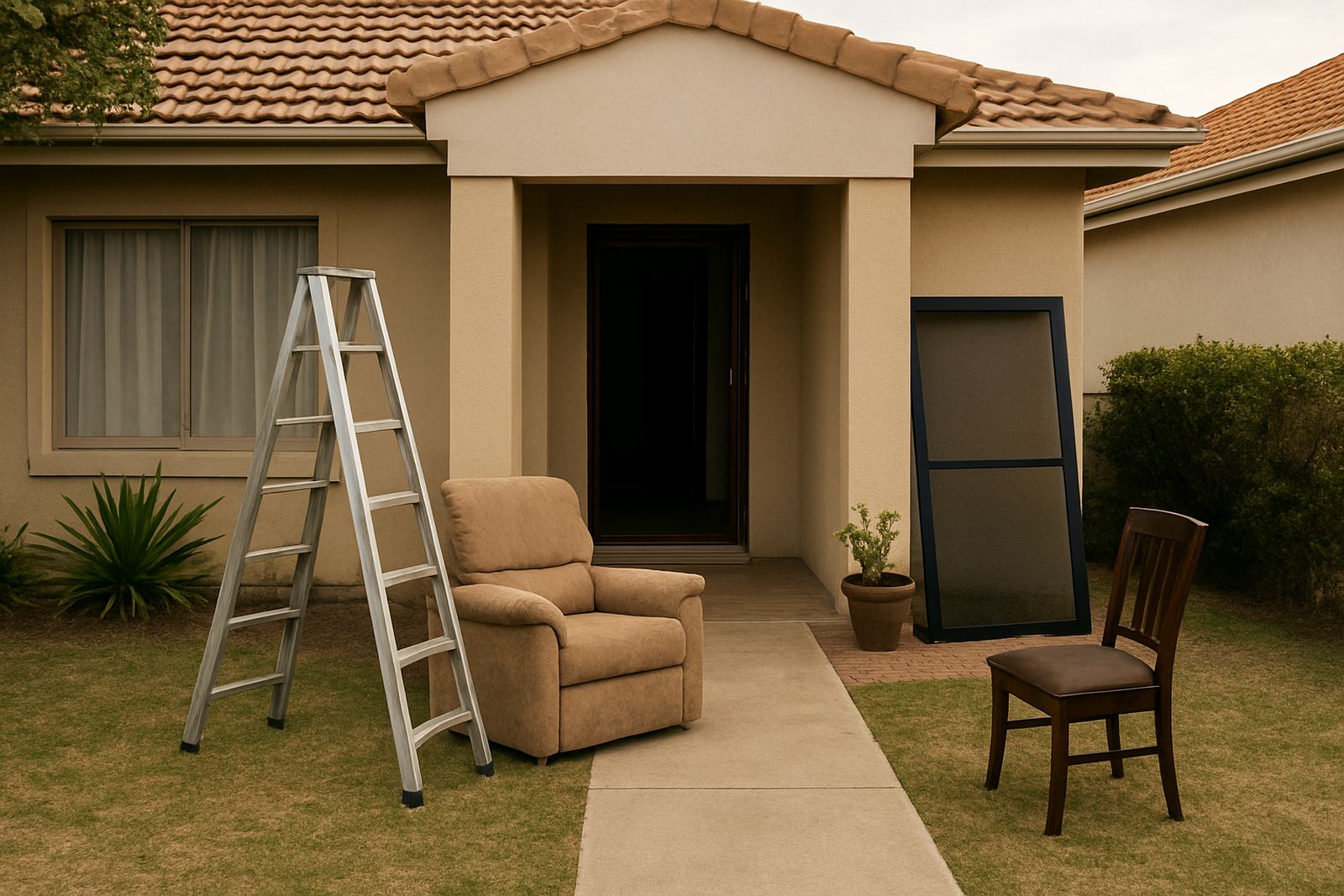
A clean, clear opening makes installation easier and safer. Please move pots, furniture, curtains and fragile items away from the work area. For commercial premises, it helps to let reception, security or building management know in advance so there is no delay at the gate or parking bay. If access is through an estate or sectional title scheme, make sure the necessary rules are in place before the appointment.
It also helps to check power and lighting in the work area, especially during load-shedding. Good light makes a difference when a team is aligning tracks, fixing hardware or adjusting closures. If the site has pets, let us know so arrangements can be made to keep them safe while work is being done. Small prep steps keep the visit moving and reduce the chance of a return trip for a missing detail.
- Clear access to windows, doors and paths to the opening.
- Remove loose items, curtains and fragile décor.
- Confirm parking, access codes and estate rules.
- Keep the work area lit if power is interrupted.
Buying Considerations for Homes and Businesses
Some clients want the least visible solution, while others need a screen that can take daily use in a shopfront, office or rental unit. Think about whether the opening needs frequent use, child safety, pet resistance or regular cleaning. In humid areas, especially near the coast, material choice matters because corrosion can shorten the life of fixings and moving parts.
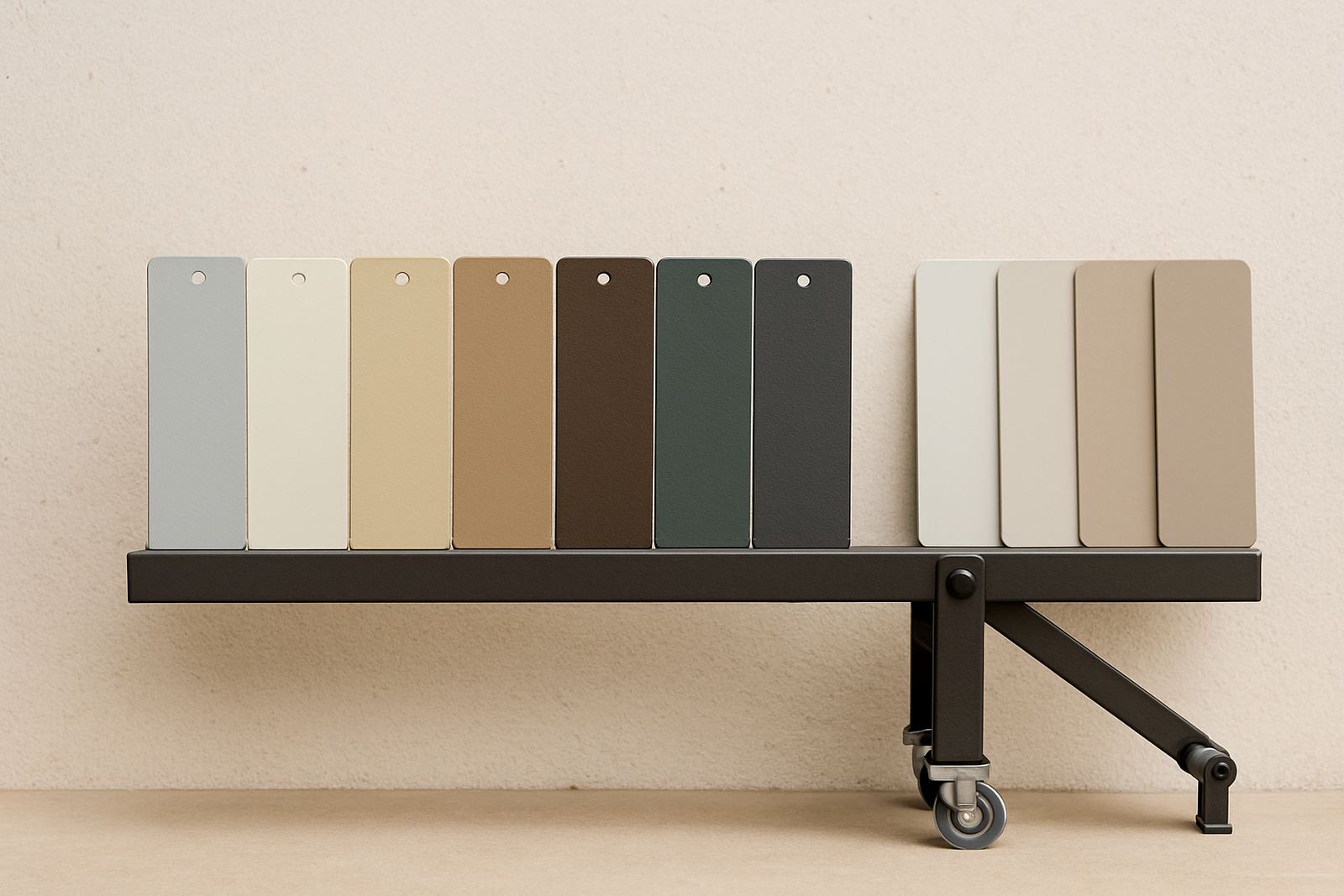
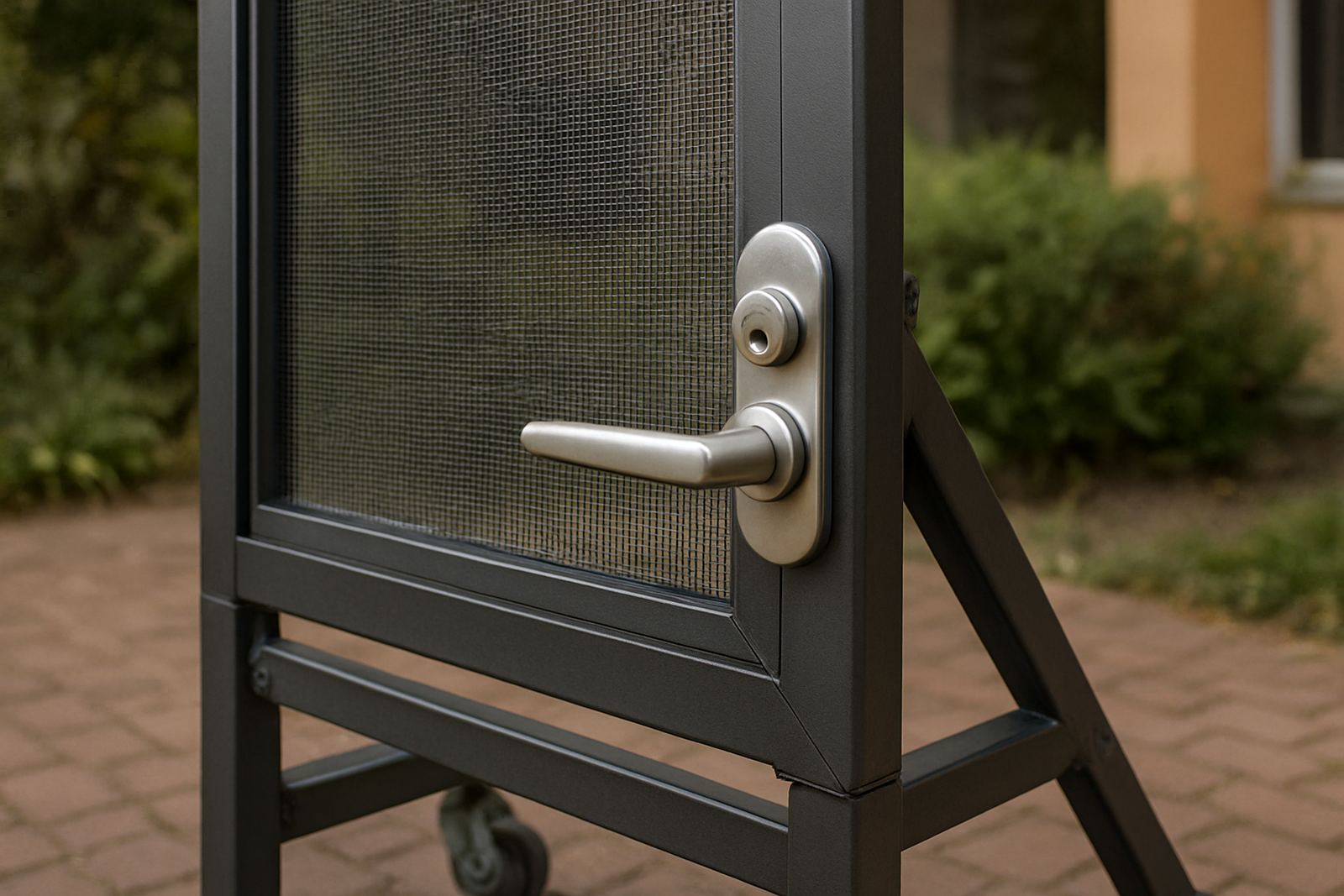
A practical buying decision is not only about the mesh itself. Frames, tracks, catches and handles all affect day to day use. If the property is subject to municipal or estate guidelines, that can influence the colour, finish or fixing method too. We often see better long term results when clients choose a screen that suits both the opening and the maintenance they are willing to do.
- High traffic doors need stronger hardware and easier operation.
- Rental units may need simple servicing and durable finishes.
- Coastal properties benefit from corrosion aware material choices.
- Commercial sites should consider appearance, access and safety together.
Repairs, Replacements and Seasonal Checkups
Not every screen needs a full replacement. In many cases, a torn mesh, a worn track or a loose fitting can be repaired and put back into service. That is useful for homes in Newton Park or businesses in Walmer where the frame is still sound but the screen no longer closes properly. Regular checkups are also worthwhile before summer, after heavy rain or once the coastal wind has done its worst.
During a seasonal service, we look at mesh condition, hardware wear, alignment and smooth operation. If a screen is sticking, rattling or pulling loose at the corners, it is better to sort it early. Waiting too long can turn a small repair into a bigger job. A quick inspection now can save time and money later, which is usually the sensible option.
- Mesh replacement for tears, holes and UV wear.
- Track servicing for stiff or noisy sliding units.
- Hardware replacement for worn handles, catches and fixings.
- Seasonal checkups for homes, estates and commercial sites.
How Our Fitment Process Usually Works
Our process starts with an enquiry through the contact form, followed by a site measurement or product consultation where needed. From there, the opening is assessed, the right product is chosen and the fitting details are confirmed. For larger projects, including estate rollouts and commercial installs, we plan the order of work so the job runs in a practical sequence.
Once the product is made up, the installation team fits it carefully and checks that it opens, closes and latches as it should. If there are follow up adjustments or aftercare needs, those are handled as part of the normal support process. The aim is straightforward: a screen that fits properly, works day to day and keeps doing its job without fuss.
- Enquiry and initial needs assessment.
- Site measurement or consultation.
- Custom manufacture to suit the opening.
- Professional installation and aftercare support.