Start With the Room and How It Will Be Used
Before you compare mesh types, look at the room itself. A bedroom window in Walmer does not need the same wear level as a patio opening in Summerstrand or a restaurant back door in Newton Park. Bedrooms and upstairs windows usually need dust and insect control first, while kitchens, living areas and slider doors need stronger mesh because they are used more often.
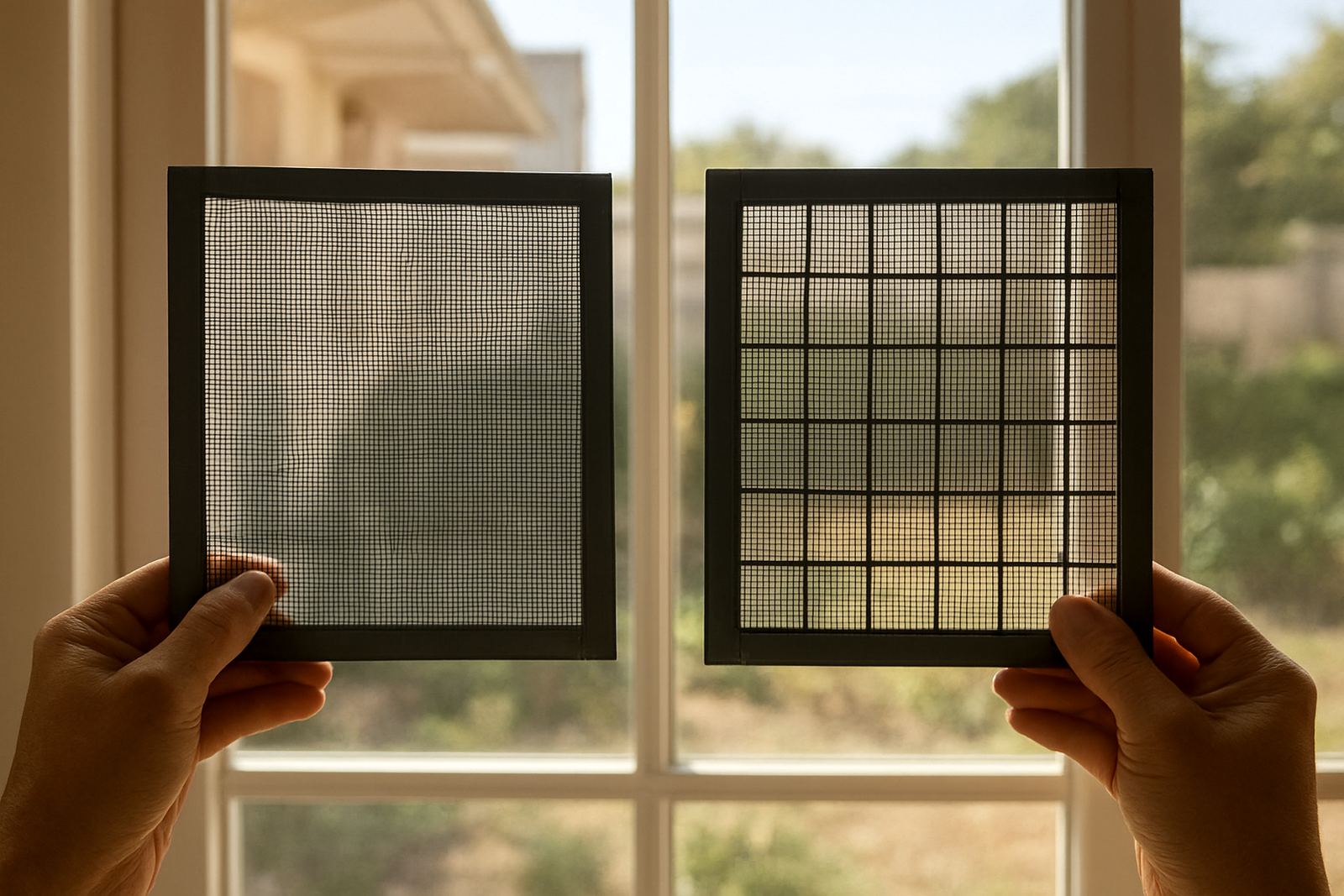
Ask three simple questions: how often will it open, who will touch it, and what is it trying to stop. If the answer is mostly mosquitoes and flies, a finer mesh can work well. If there are children, pets or regular staff movement, go for a tougher option. In high use areas, a slightly stronger mesh saves you from repeat repairs and keeps the frame neater for longer.
Match Mesh Strength to Pets, Children and Daily Traffic
Pet claws and rough handling are the biggest reasons screens fail early. Cats jump at the corners, dogs push noses through lower panels, and children grab at the mesh when learning to open doors. For those spots, a heavier duty mesh with tighter tension is worth the extra cost. It is also a better choice for passageways where people carry groceries, laundry or equipment in and out often.
- Low traffic rooms: lighter insect mesh for windows that stay closed most of the day.
- Medium traffic rooms: stronger mesh for kitchens, lounges and family rooms.
- High traffic points: heavy duty mesh for doors, stoep openings and pet access areas.
- Pet homes: ask for reinforced lower panels or a tougher grade on the whole opening.
If there is any doubt, choose by the worst case use, not the average day. A screen that lasts in a quiet guest room may not cope in a family home with two dogs and a busy back door.
Coastal Air, Sun and Humidity Around Gqeberha
In coastal areas like Gqeberha, Walmer, St Francis Bay and Jeffreys Bay, salt in the air and strong sun can shorten the life of lower grade materials. Mesh does not only need to stop insects, it must also hold up against corrosion, warping and constant cleaning. Coastal humidity can leave fine residue on the mesh and frames, so a stronger product with suitable fittings is usually the better long term choice.
For homes near the beach or businesses exposed to sea air, ask about mesh and hardware that can handle repeated use and regular washing. If the opening faces wind, choose a setup that stays tensioned properly and does not flap in gusts. That matters on exposed sites and upper floors where screens take more punishment.
Security Screens Need a Different Strength Check
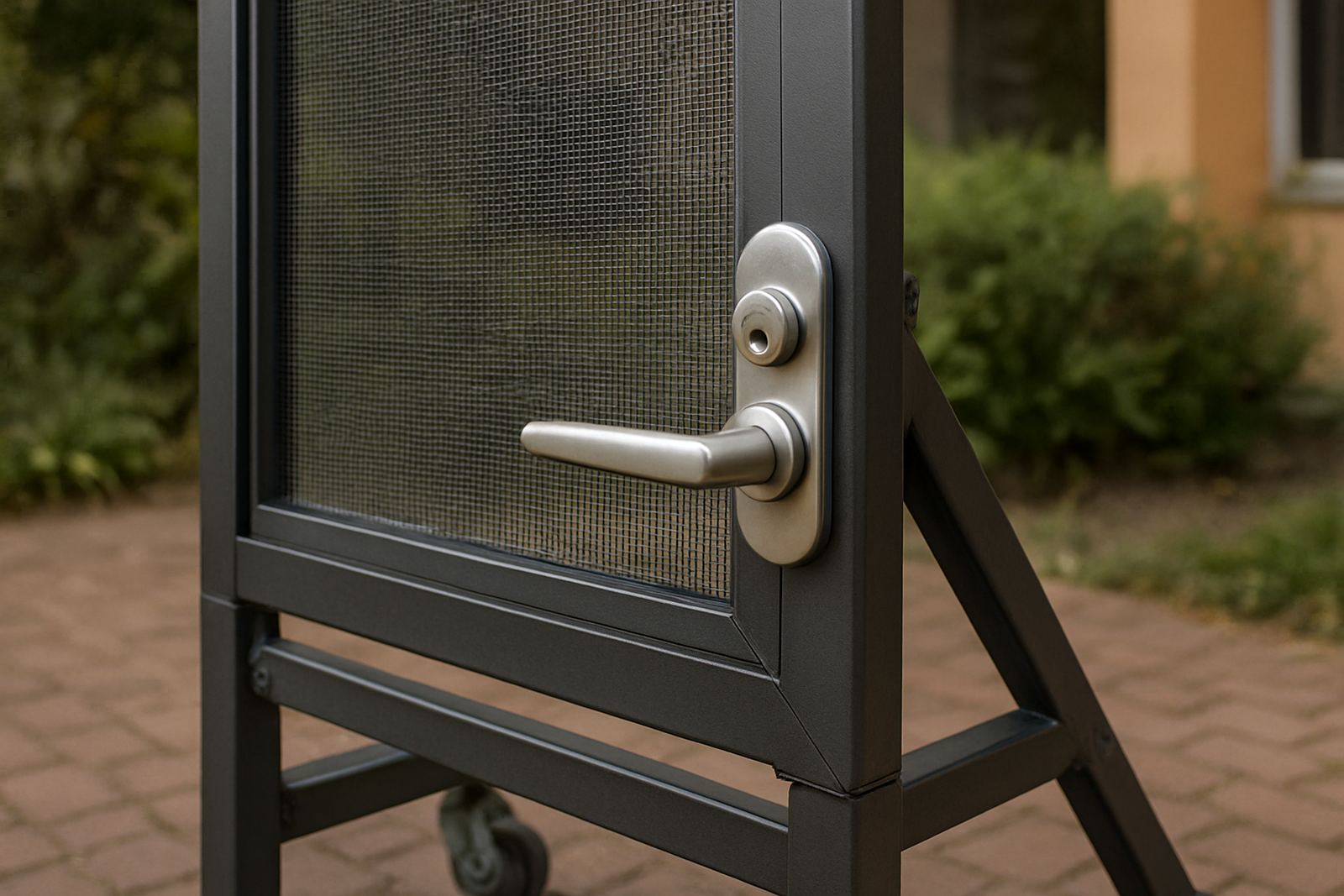
Security screens are not chosen the same way as standard insect screens. The mesh strength, frame, fixing method and hardware all work together. A good security screen should resist forced entry attempts while still allowing airflow and visibility. On commercial properties, this can matter for after-hours protection, storerooms and loading doors where staff need fresh air without leaving a weak point.
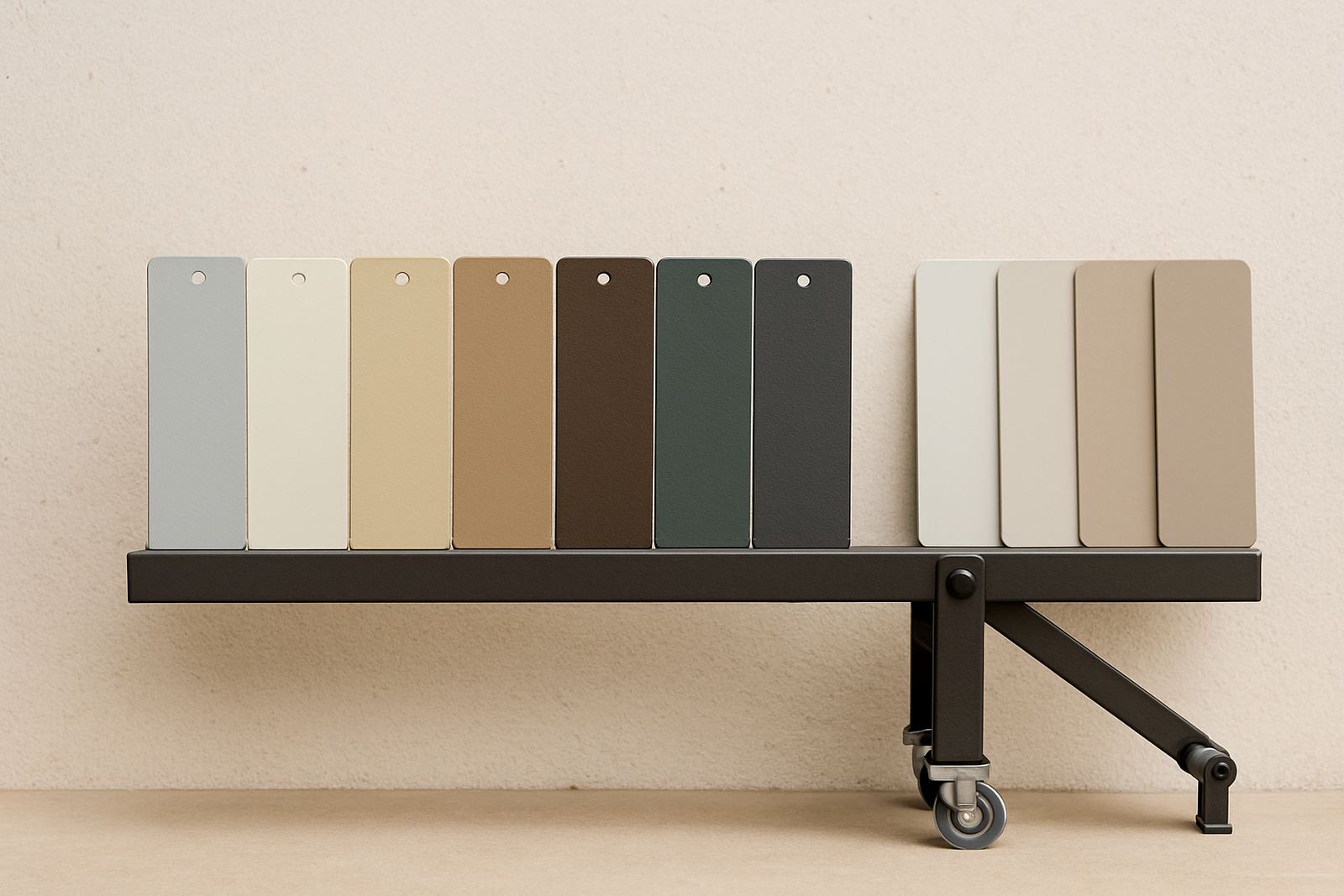
Where estates or business parks have rules on exterior finishes and visible fittings, the screen specification must still suit the property standard. That is common in managed developments and office parks across Port Elizabeth and the wider Eastern Cape. The right product is the one that meets the site rules and still gives proper resistance at the opening.
- Check the frame size and fixing points before choosing mesh strength.
- Match the hardware to the weight of the screen.
- Ask how the screen will be removed for cleaning or servicing.
- Keep a note of any estate or body corporate requirements.
A Simple Choice Guide for Homes and Businesses
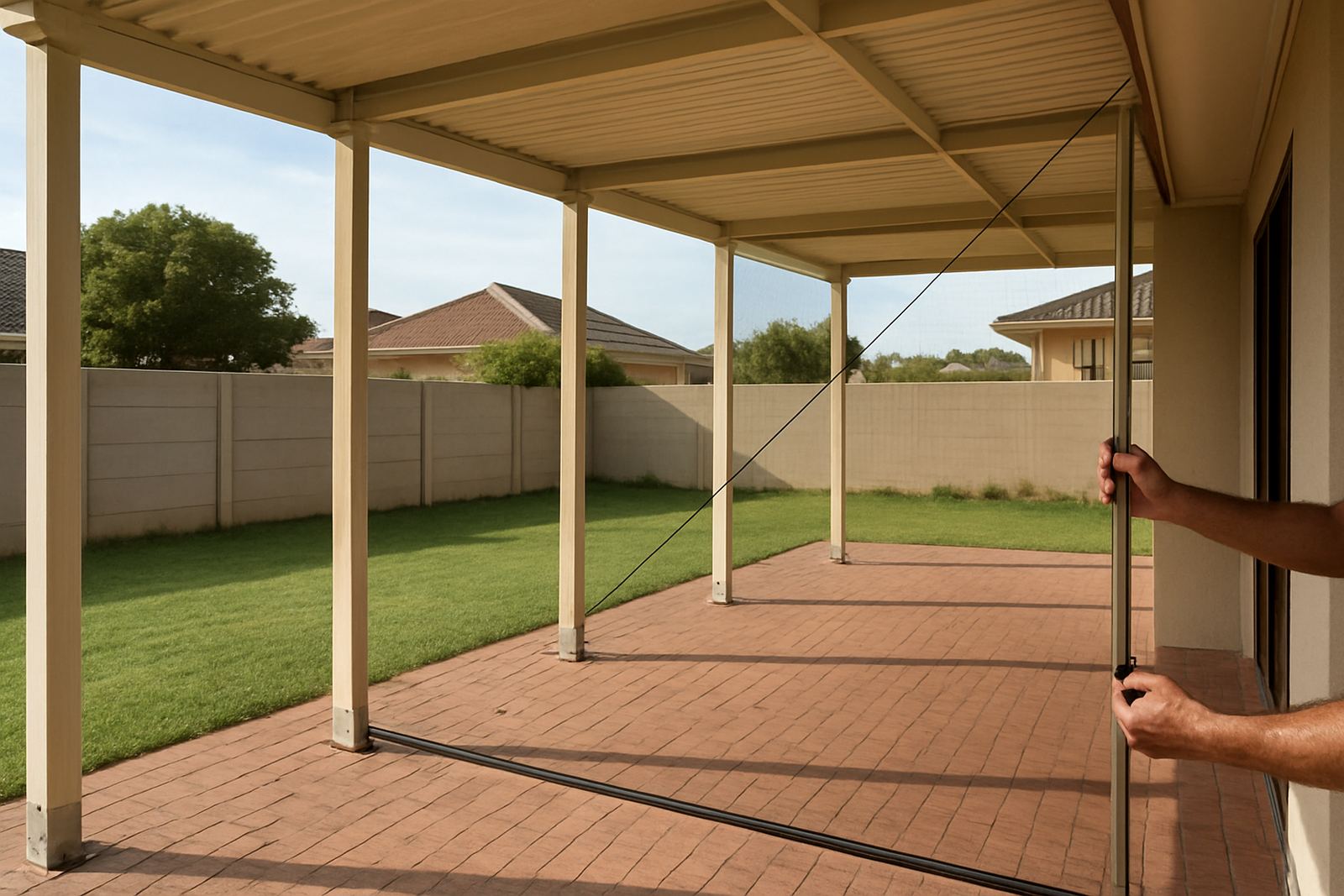
If you want a quick way to choose, use the room, the traffic and the risk. A light bedroom window in Newton Park may only need basic insect control. A family room door in Summerstrand will need more strength. A café opening in Uitenhage, a clinic room in Despatch or a rental unit in Jeffreys Bay may need a tougher screen because of constant use and different people handling it every week.
Here is a practical rule: if the opening is touched daily, pick the stronger option. If the opening sees pets, wind or salt air, pick the stronger option. If the screen is hard to reach for repairs, pick the stronger option. It is better to fit once and get years of use than to save a little and replace the mesh early.
Care, Repairs and When to Replace the Mesh
Even a good mesh needs care. Dust, insect build-up and seaside grime can affect airflow and make screens look tired before the material actually fails. Seasonal checkups help spot loose corners, bent tracks, worn rollers and damaged hardware before they become bigger problems. A small tear can often be fixed early, but if the mesh is stretched, frayed or damaged across a large section, replacement is usually the better option.
Look out for these warning signs:
- Visible holes, fraying or pulled threads.
- Mesh that sags or has lost tension.
- Frames that rub, stick or sit out of square.
- Corrosion on fixings, especially near the coast.
- Damage from pets, moving furniture or repeated impact.
If your screens are on a busy home or business site, track servicing and hardware replacement can extend the life of the whole opening. That is often the most cost effective way to keep things working, especially during load-shedding when people open windows more often for air flow.