Start with the patio you actually have
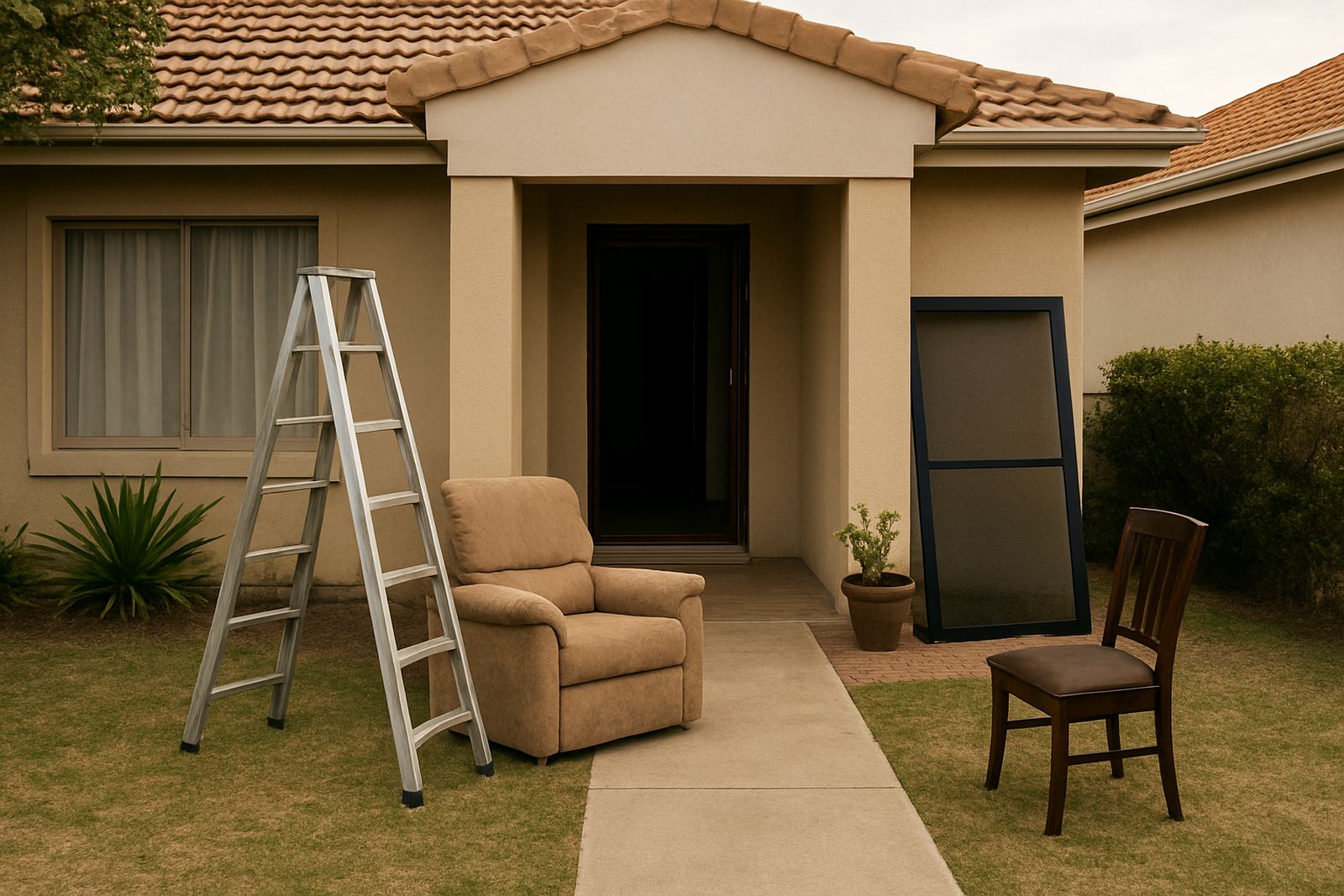
Every patio behaves differently once you add screens. A sheltered courtyard in Walmer will need a different approach from a semi-open braai area in Jeffreys Bay, where wind and salt air can work on frames, tracks and fixings much harder. Before anything is ordered, look at how the space is used through the day and in different seasons.
Check whether the patio is enclosed on three sides, open on one side, or fully roofed with side openings. Note the floor level, the height of columns, and where doors, steps, drains and lights sit. If you already have existing balustrades, pillars or brickwork, these can affect how screens are mounted and how much clear opening is left.
- Measure the full width and height of each opening
- Check for uneven paving or sloped surfaces
- Mark where sliding doors, gates or furniture may interfere
- Look for wind channels and salt exposure if you are near the coast
Choose a screen type that suits the way you use the patio
The right screening solution depends on whether your main problem is insects, security, glare or weather protection. In Gqeberha and Summerstrand, many homeowners want insect screens that let air move through during the warmer months. In townhouses and complexes, security screens are often part of the plan where extra peace of mind is needed without closing off the space completely.
Shade screens can help reduce heat on west-facing patios, especially where afternoon sun bounces off paving or boundary walls. If the patio is used for meals or as a sitting area, a combination of insect screening and shading can make the space far more comfortable. We usually recommend choosing the lightest practical option first, then adding security or shade where needed rather than overloading the opening from the start.
- Insect control for flies, mozzies and dust
- Security screening for doors and low accessible openings
- Shading for strong sun and glare
- Combination systems where one opening needs more than one function
Get the measurements right before you commit
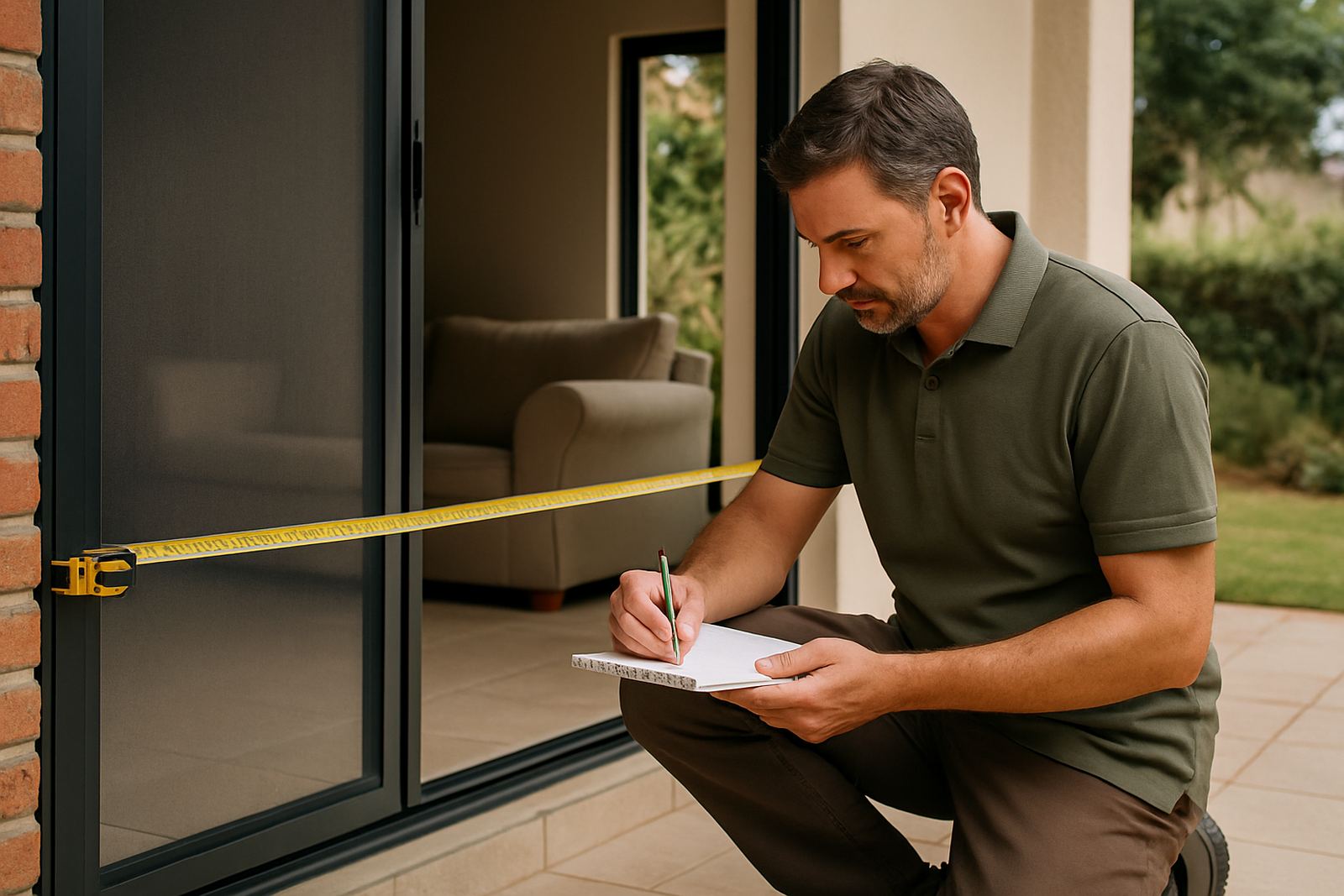
Good measurments are what make a patio screen sit neatly and work properly. Even a small error can leave a gap, cause rubbing on a track, or make a panel difficult to remove for cleaning. For homes in Newton Park, Uitenhage and Despatch, we often come across patios where the opening looks square at first glance but varies by a few millimetres from top to bottom.
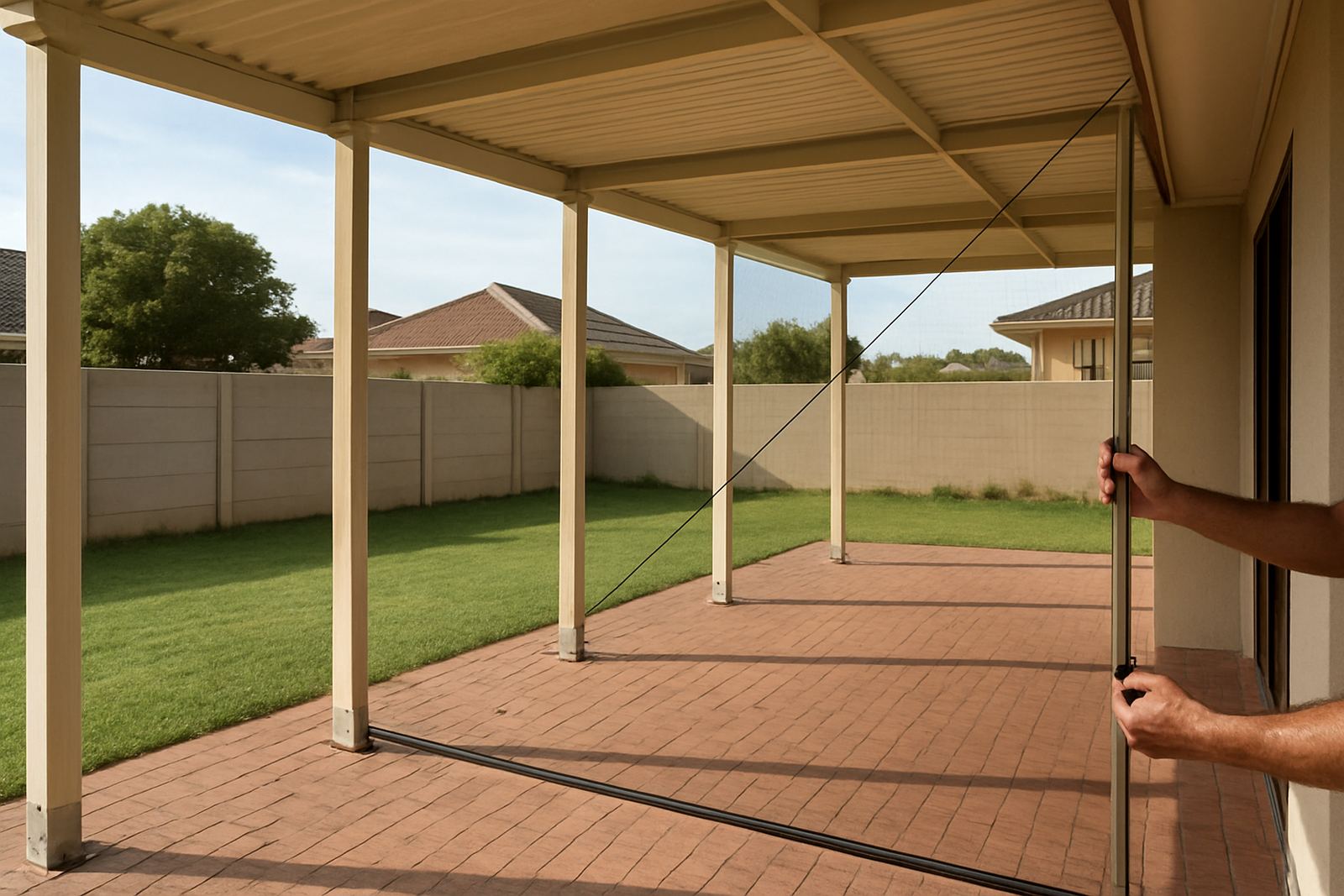
That is why site measurements matter. The frame, the fixings and the way the screen opens all have to match the actual opening, not just the rough size on paper. If the patio has brick returns, coping, tiles or drainage channels, these details must be checked before manufacture. This also helps avoid delays on installation day.
- Measure width at top, middle and bottom
- Measure height at both sides and the centre
- Check diagonal lengths if the opening may be out of square
- Record any obstructions such as taps, lights or security gates
Plan for coastal air, wind and daily wear
Patio screens in the Eastern Cape have to cope with salty air, strong sun and regular opening and closing. On the coast, powder-coated frames and suitable hardware matter because corrosion can start early if inferior parts are used. In windy spots, the screen must also be anchored properly so it does not chatter, flex or pull loose over time.
Think about how often the patio door will be used. A family that opens the patio several times a day needs smooth operation and hardware that can handle repeated movement. If there are pets or small children, consider where a lower panel might take more contact and ask for materials that are easier to keep clean. It is better to plan for real use than to spec something pretty that becomes a nuisance after a few months.
- Choose finishes that cope with coastal humidity
- Allow for strong wind if the patio is exposed
- Use hardware that can be serviced later
- Consider cleaning access for glass, mesh and tracks
Security and comfort can work together
Many patio spaces need more than one outcome. A screen should not block airflow so much that the area becomes stuffy, and it should not create awkward access where people must fight with latches every time they step outside. Where security is a concern, the locking points and the frame strength need to be considered at the same time as the look of the screen.
For patios used as part of a living area, the screening should also suit the house style. A neat finish matters in suburban homes around Walmer and in larger commercial spaces that open onto courtyards or smoking areas. If the patio is in a complex or estate, there may also be rules around exterior colours, visible fixings or changes to the opening, so it is worth checking those before you place an order.
- Check estate or body corporate rules first
- Balance airflow against security needs
- Keep access points practical for daily use
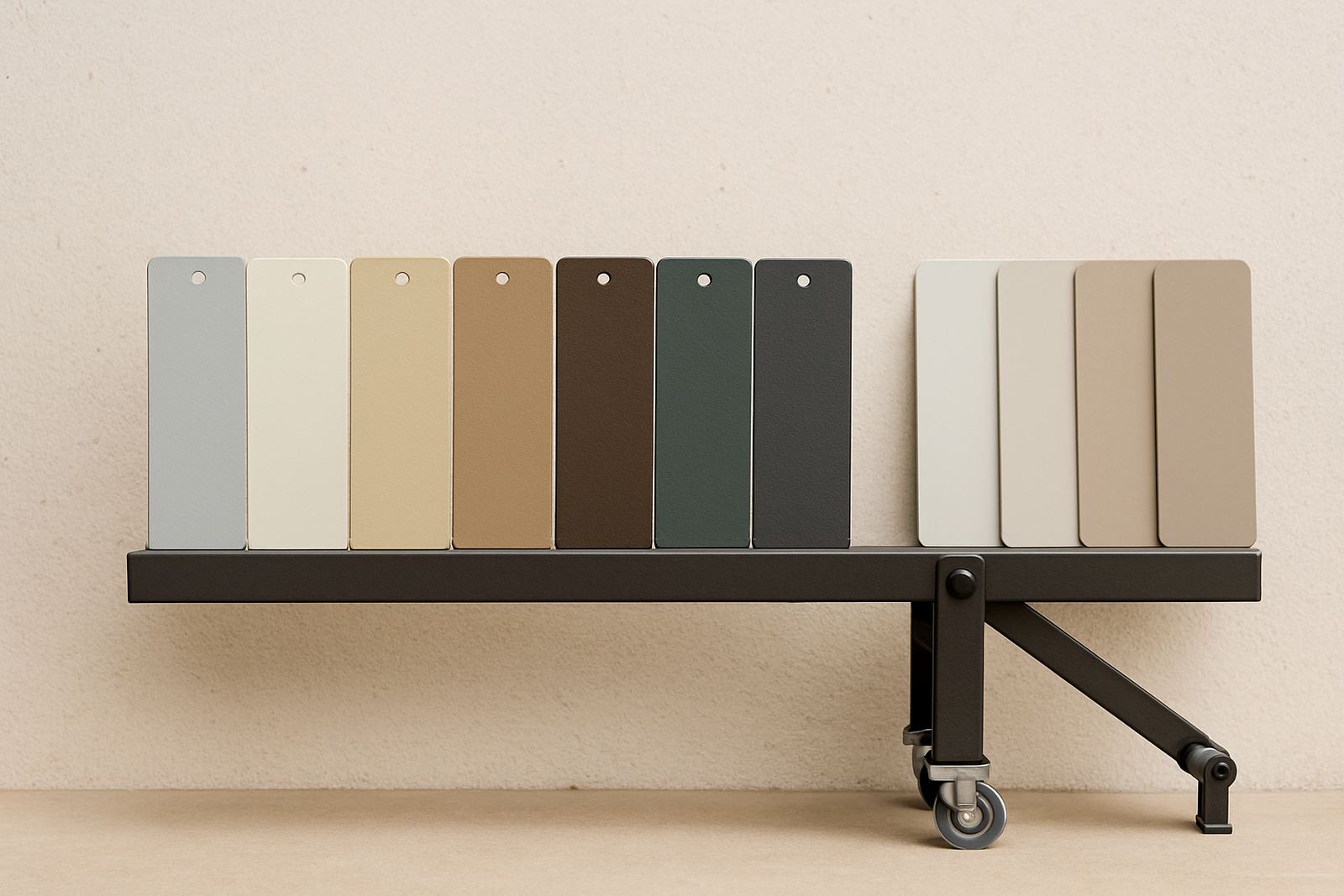
- Match frame colour to the building where possible
Keep the patio screen working after the install
Once a patio is screened, a bit of ongoing care keeps it working properly. Dust, sand and coastal air can build up in tracks and on mesh, especially where the patio is near garden beds or an open driveway. A seasonal checkup helps catch loose screws, worn rollers, stretched mesh and small alignment issues before they turn into larger repairs.
We also recommend a quick clean before summer and again after the windy months. If the screen starts sticking, rattling or leaving a gap, do not force it. That usually means the track needs servicing or the hardware has shifted slightly. A small adjustment now is cheaper than replacing a whole panel later.
- Vacuum or brush tracks regularly
- Wash mesh and frames with mild soap and water
- Check locks, hinges and rollers every few months
- Book repairs early if the screen starts catching