Start with the opening you want to protect
Before comparing features, decide how the screen will be used. A front door, sliding patio door, stacker opening, shop entrance and first-floor window all face different pressure points. In homes across Gqeberha and the surrounding coast, the main issue is often a mix of insects, wind, salty air and everyday traffic through the opening. For commercial sites, you may also need clear access, stronger holding points and a finish that stands up to frequent use.
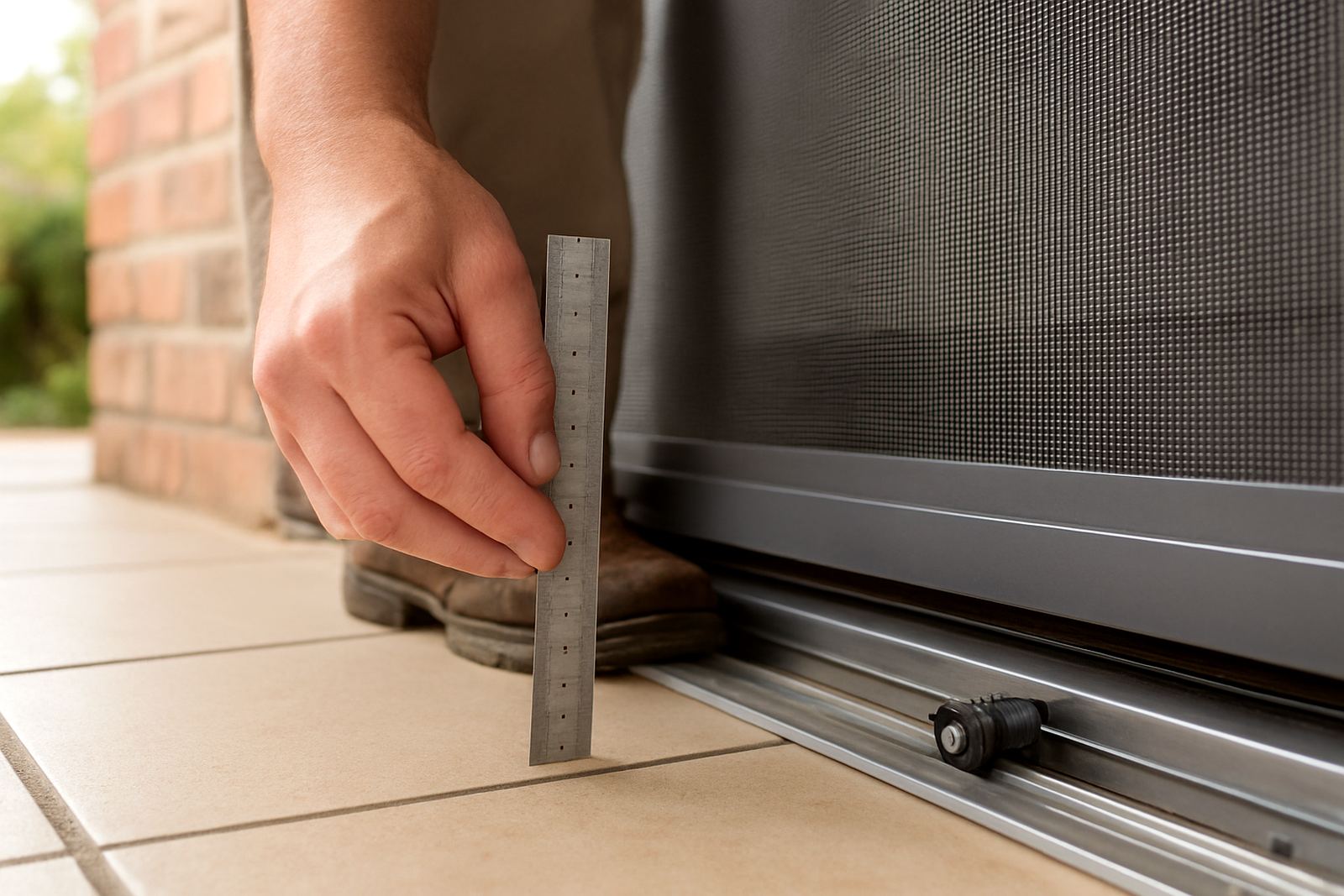
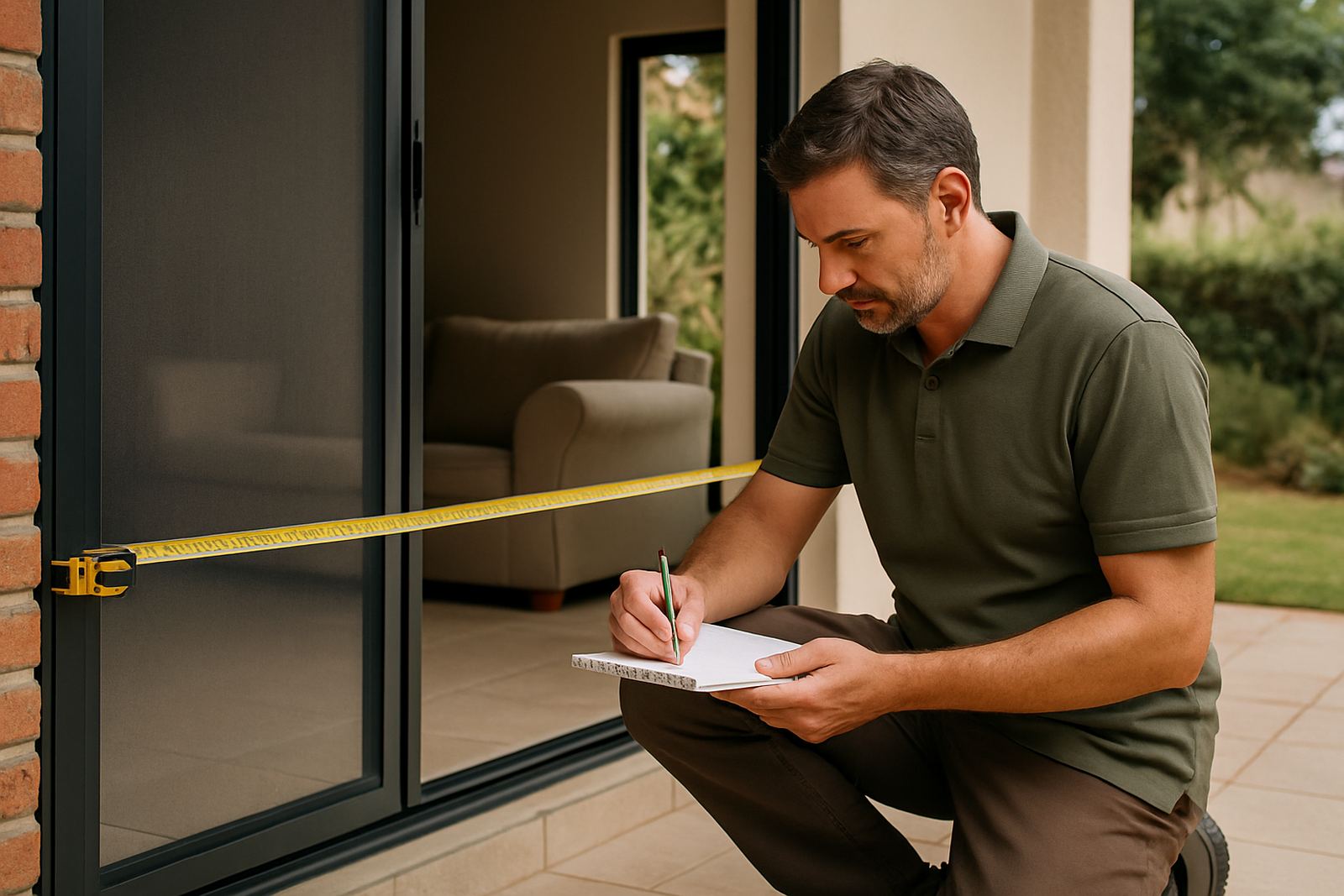
Measure the opening properly and note how the door or window moves. A screen that suits a hinged door may not work on a sliding opening without the right track and hardware. If the property has uneven plaster, old timber, or aluminium frames that have shifted over time, those small details can affect both security and day-to-day use.
Check the frame strength and fixing method
The frame is the backbone of any stronger screen system. Ask what profile is used, how corners are joined, and how the screen is fixed into the wall or existing opening. A better system should feel firm under hand pressure and should not twist when the door is opened quickly. On coastal properties, corrosion resistance matters just as much as strength, because moisture and salt can shorten the life of weaker fixings.
- Look for neat mitre joints and solid corner reinforcement.
- Ask whether the frame is suited to aluminium, timber or masonry surrounds.
- Check that screws, rivets and brackets are rated for long term use.
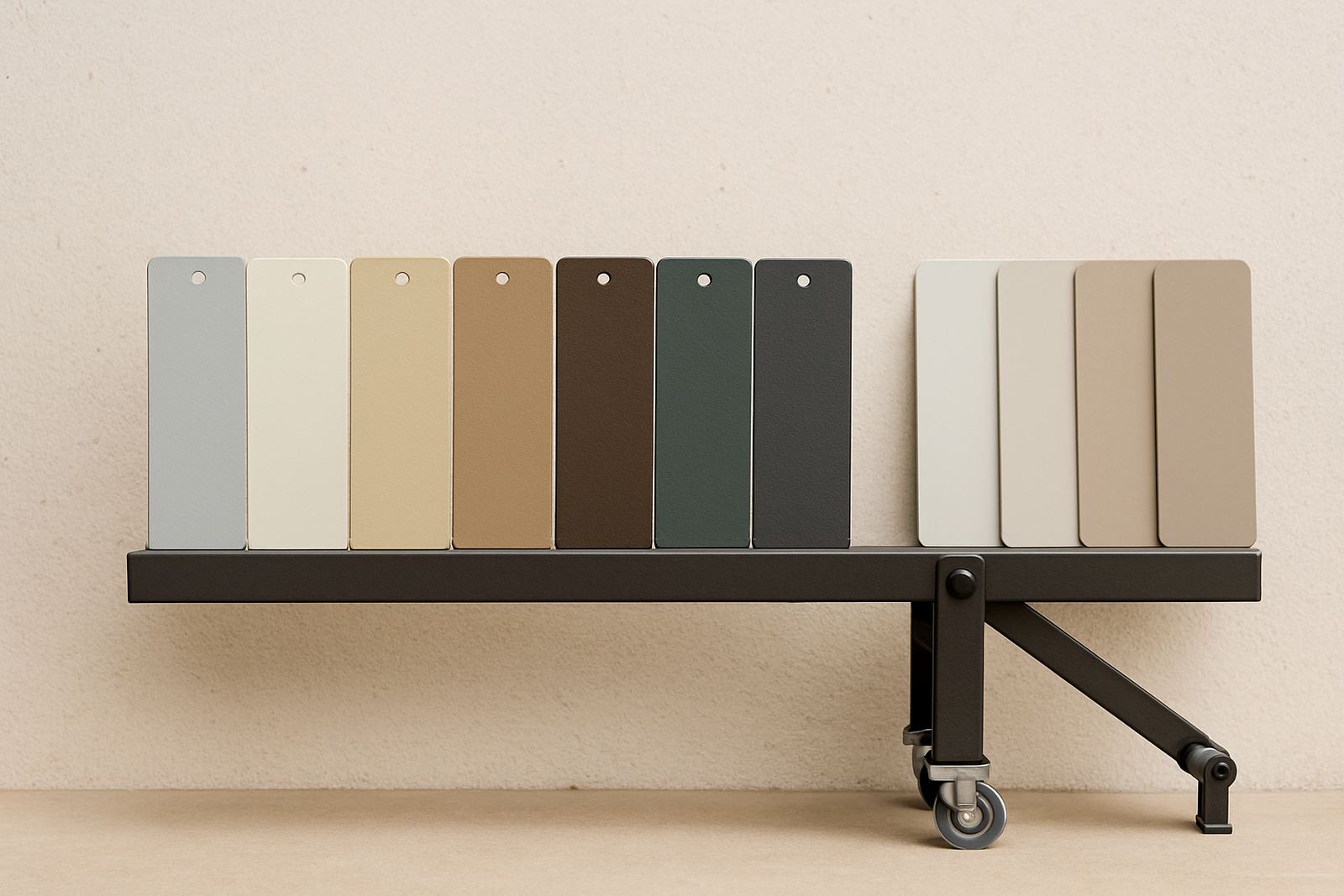
- Make sure the colour finish suits the site and will not mark easily.
For estates and commercial premises, consistent frame sizing also matters. If multiple units are being rolled out, the same fixing standard should be used throughout so maintenance stays simpler later on.
Compare mesh types by purpose, not just by look
Mesh choice changes how the screen performs. Fine insect mesh keeps out flies and mozzies, while stronger woven options are intended to handle more force and everyday contact. If privacy is important, there are mesh styles that reduce direct visibility while still allowing air movement. For homes that rely on natural ventilation during load-shedding, that balance can be very useful.
Do not only ask whether the mesh is strong, ask what problem it is solving. A family in Summerstrand may want airflow and insect control for bedrooms. A shop in Uitenhage may need a tougher barrier for a service entrance that gets regular use. If the opening is exposed to pets, children or frequent cleaning, the mesh should be able to take that wear without sagging or fraying at the edges.
Also check how the mesh is held in the frame. A secure spline or clamping system will usually last better than a loose fit, and it should be easy enough to service later if replacement is needed. Tiny gaps at the corners can undo the value of a good mesh, so the finish must be tidy.
Look closely at locks, latches and everyday access
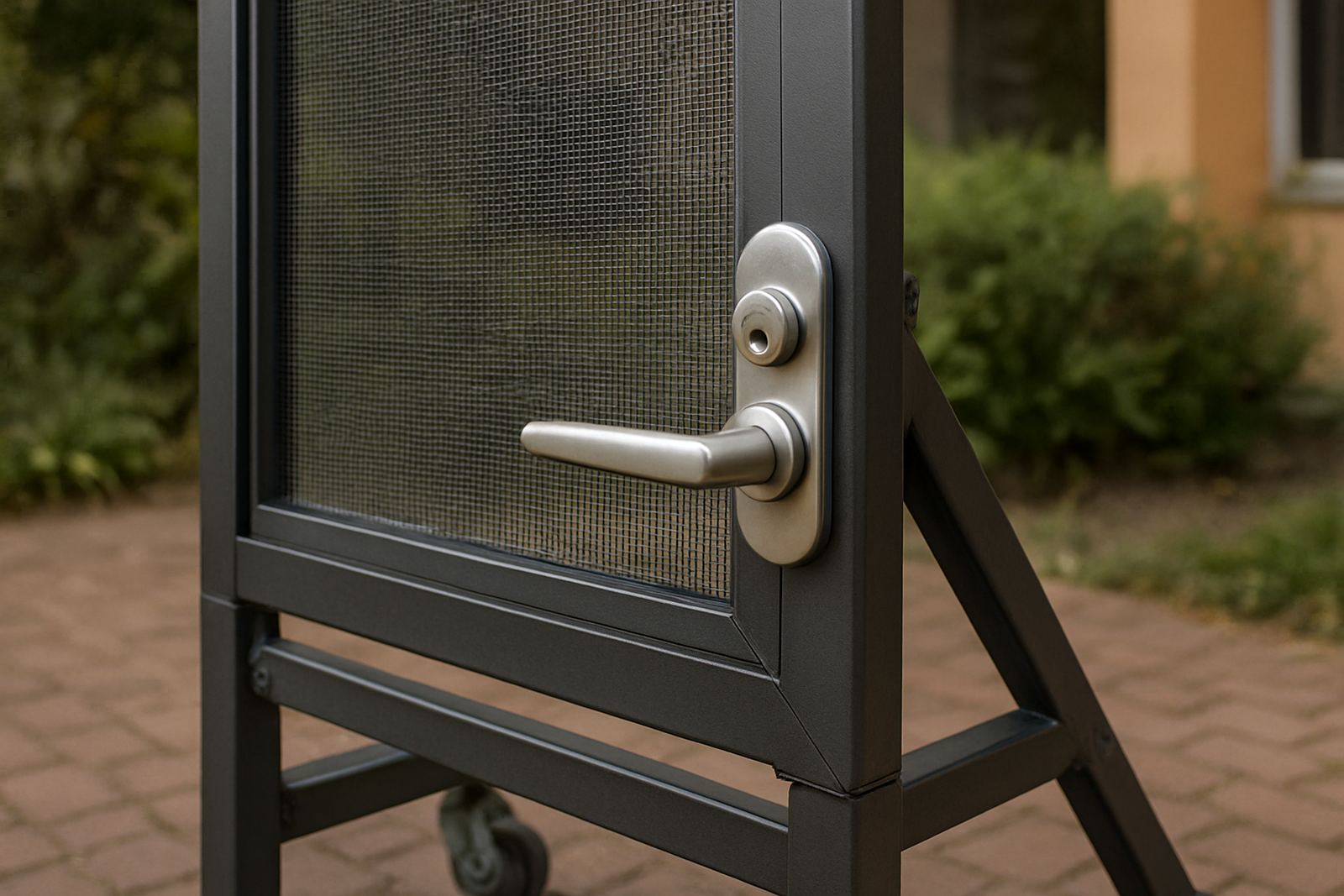
Security is not only about stopping entry. It is also about how the screen works when you use it every day. A screen that is awkward to open or close gets left open, knocked out of line or bypassed. Good hardware should feel simple, solid and reliable. If children, staff or tenants will use the opening, the handle and latch should be intuitive and not require too much force.
- Test the latch with one hand, then with a carrying grip if possible.
- Ask whether the lock can be keyed, thumb-operated or fitted to suit the opening.
- Check that the closing action does not slam or catch on the track.
- Confirm that the handle sits comfortably and does not protrude too far.
For commercial sites, access control matters too. A secure screen should support the daily flow of staff and visitors without creating a bottleneck. Where a property has multiple entrances, the hardware should be consistent enough that maintenance and training stay simple. A loose latch is often the first sign that the system needs attention, so service access is worth asking about from the start.
Judge the track, hinges and movement quality
The best screen systems move smoothly and close square every time. If the screen is sliding, the track must stay free of grit, and the rollers or guides should handle regular use without wobble. If it is hinged, the hinges should carry the weight without drooping over time. In windy areas such as parts of Jeffreys Bay and St Francis Bay, a poor hinge setup can rattle or pull out if the fixings are not suited to the site.
Ask how easy it is to service the moving parts. Track servicing, hardware replacement and seasonal checkups matter because dust, moisture and repeated use eventually affect alignment. A good system should be adjustable, with parts that can be cleaned or replaced without removing the entire installation. That saves time and keeps the opening usable.
Pay attention to the sound as well. A clean movement usually tells you the frame is true and the hardware is under the right tension. If the screen scrapes, lifts unevenly or needs a shove to close, that is a sign the system may not hold up well in daily use.
Match the screen to the site and the climate
What works in a sheltered inland property may fail quicker on the coast. Walmer and other parts of Gqeberha can see salt in the air, while some homes and businesses also face dust, strong sun and quick temperature changes. The finish, mesh and fittings should all be suitable for those conditions. On a shaded veranda, shade control may be part of the brief as well, especially where afternoon sun makes rooms too warm.
It helps to compare the screen against the site conditions in plain terms:
- Coastal humidity and salt exposure
- Frequent opening and closing during business hours
- Pets or children using the opening daily
- Security needs after dark and during load-shedding
- Exposure to wind, dust or direct sun
If the property is part of an estate or managed complex, check the rules first. Some sites require a particular colour, fixed profile or approved fitting method. Getting that right from the start avoids delays and extra costs later.
Use a practical checklist before you decide
A proper comparison is easier when you follow the same checklist for each option. That keeps the decision focused on fit, strength and serviceability rather than sales talk. Site measurements, product consultation and a clear discussion of use should happen before custom manufacture begins. If the screen is being added to an existing home or business, ask about repairs and aftercare too, because every opening needs attention over time.
- Does the frame feel solid with no flex at the corners?
- Is the mesh suitable for insects, privacy or stronger resistance?
- Do the locks and latches operate smoothly with one hand?
- Will the hardware cope with wind, moisture and daily use?
- Can the system be repaired, rescreened or adjusted later?
- Does the finish suit the property and its surroundings?
If you are comparing options for Walmer, Summerstrand, Newton Park, Despatch, Uitenhage or Jeffreys Bay, it is worth looking at the opening in person before deciding. A careful measurement and a practical check on how the screen will be used often make the choice much clearer, and saves a lot of bother later on.