Start With the Flat Layout, Not the Screen Type
Before choosing insect screens or security screens, look at how the flat is actually used. A one bedroom unit in Walmer, a sea-facing apartment in Summerstrand, and a rental in Newton Park can all need different solutions because the openings, wind exposure and access points are not the same. Start by noting which windows open inward, which ones slide and where the balcony doors sit in relation to furniture, blinds and rails.
For flats, the best result usually comes from matching the screen to the opening and the daily routine. If the window is high up or blocked by fixed furniture, a removable frame or a sliding option may be more sensible than a hinged panel. If tenants change often, choose a system that can be serviced quickly without affecting the existing frame or making marks that the landlord will query later.
Also check whether the building has rules on visible changes from outside. Some estates and sectional title blocks want a neat finish with colours that match the existing frames, while others require approval before anything is fitted. It is worth getting that right from the start, because a neat screen that slips through the body corporate process is far easier than replacing it later.
Measure Access Points, Not Just the Glass Size
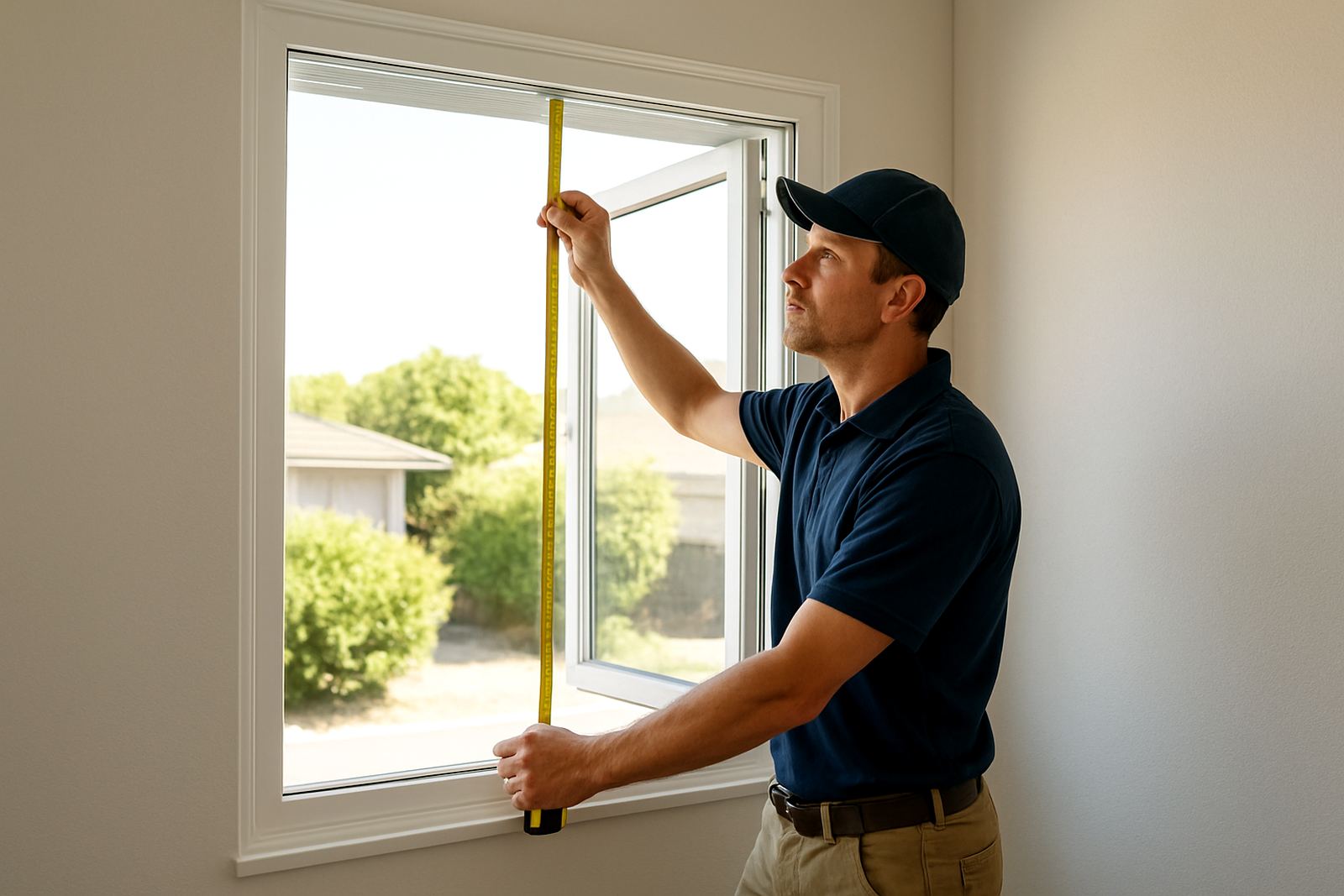
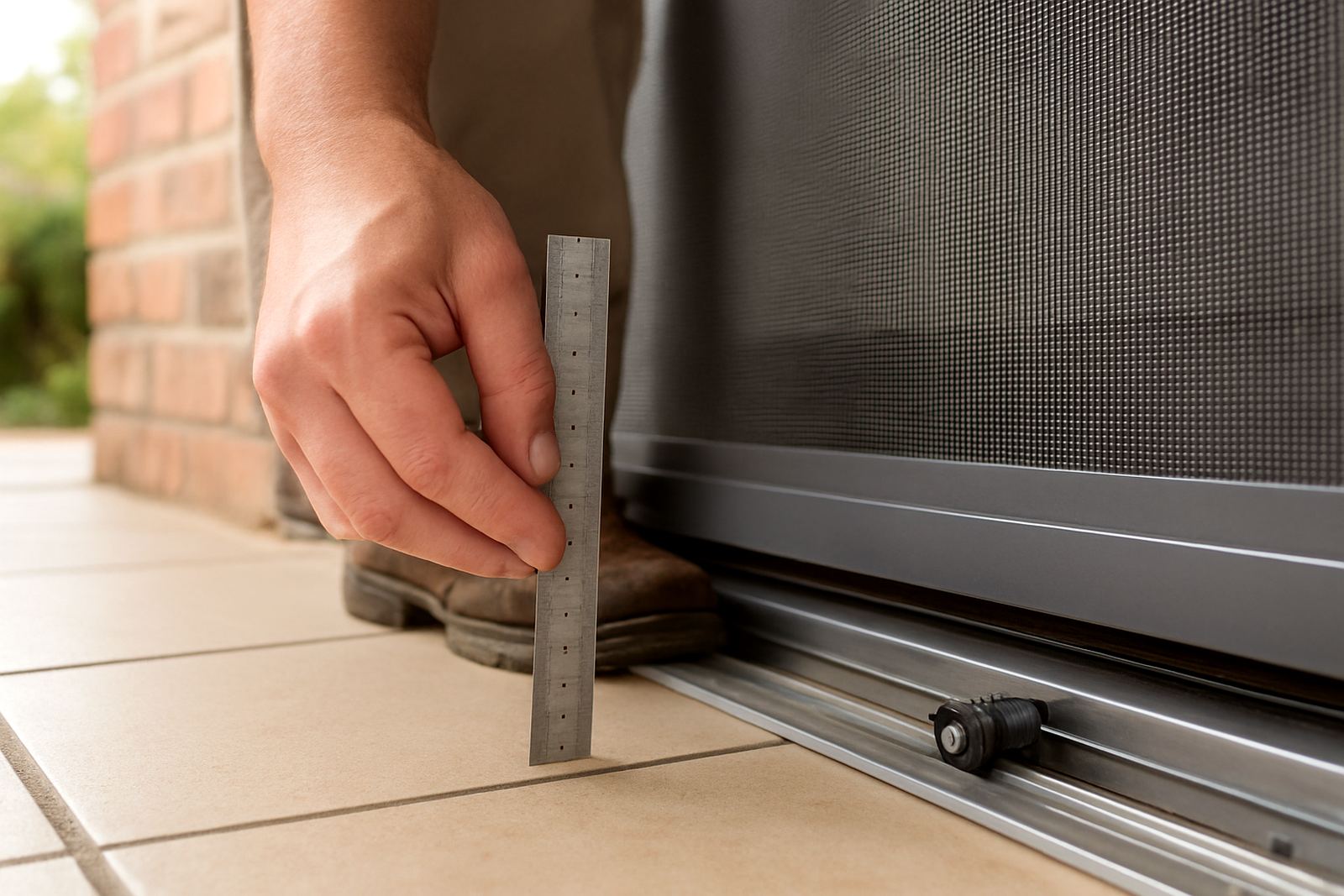
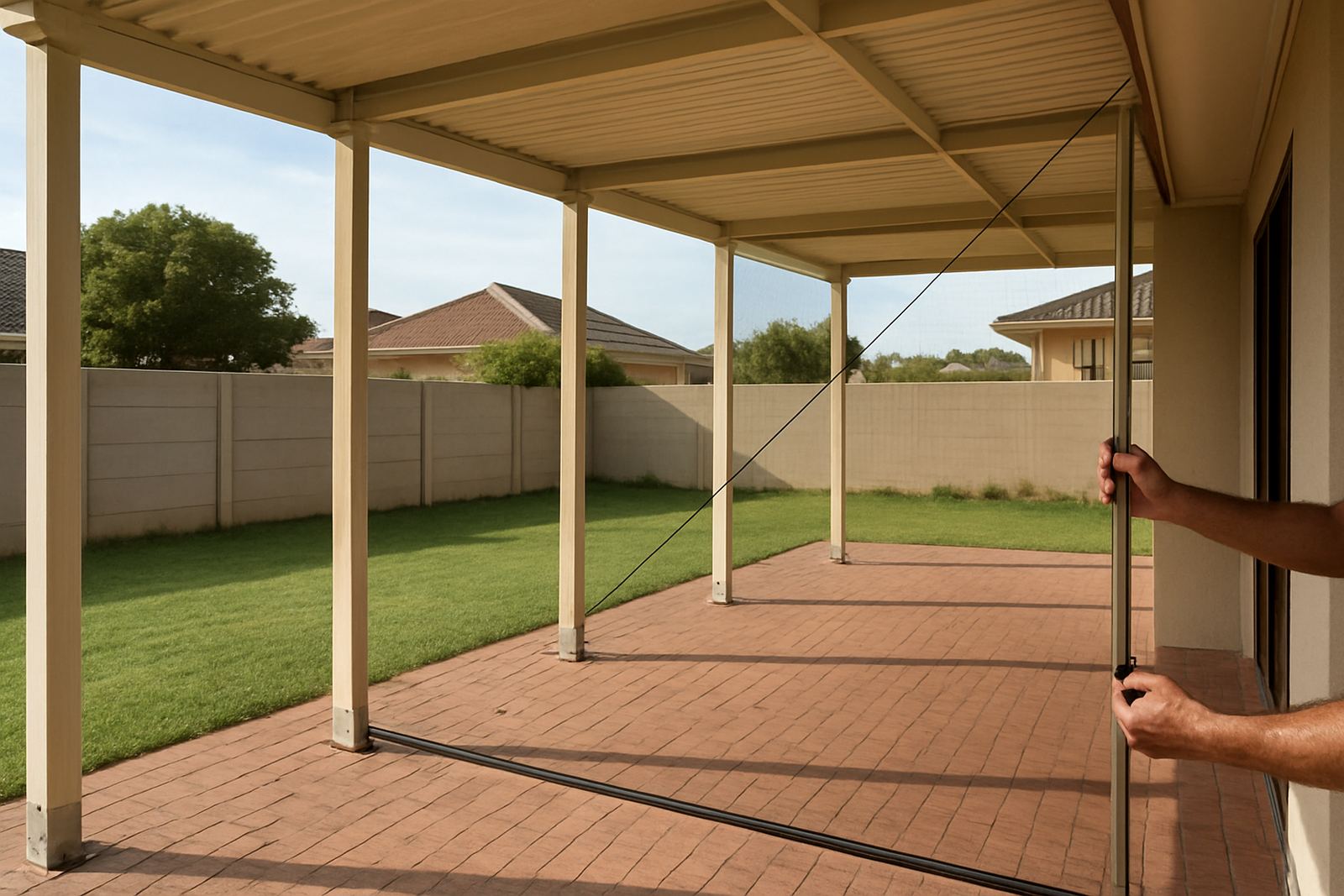
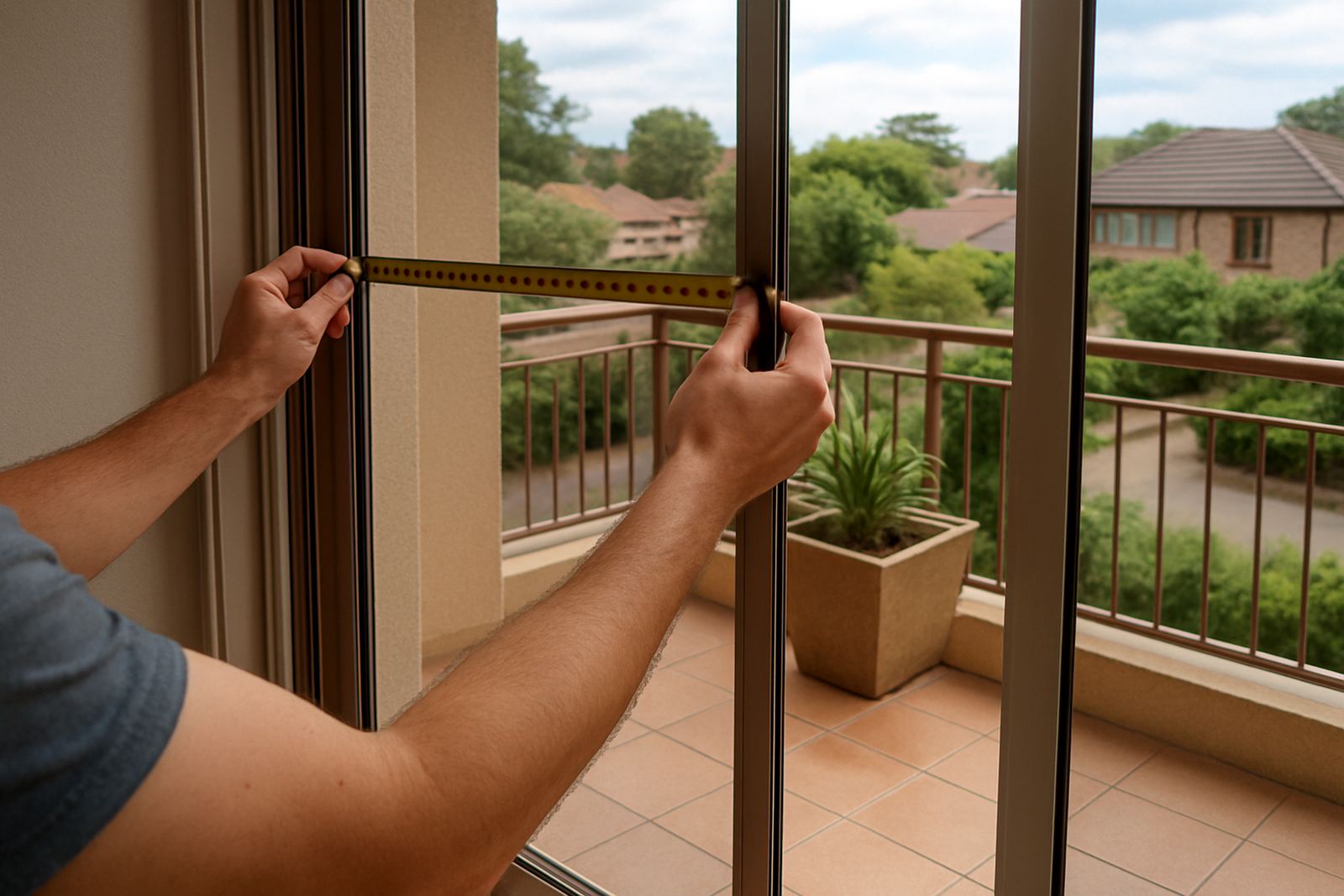
Apartment openings are often measured too quickly. The visible glass size is only part of the job. You also need the surrounding frame depth, the space for handles, the direction of travel and any obstruction from burglar bars, curtain rails or a sliding track. A balcony door in a flat can look simple, then you find the handle needs clearance, the sill is uneven and the floor drops a few millimetres across the opening.
When measuring, think about how the screen will be installed and removed. If the unit must come out for cleaning or emergency access, make sure there is room to lift it clear. In coastal areas such as Jeffreys Bay and St Francis Bay, salt in the air can also affect tracks and fittings, so the hardware choice matters as much as the size. A screen that fits well but binds after a season of humidity is not doing the job properly.
- Measure the opening in more than one place, top, middle and bottom.
- Check the depth available for the frame and any magnets, clips or tracks.
- Note handle position, locking points and nearby security bars.
- Record whether the opening is square or slightly out, which is common in older blocks.
- Confirm if the screen must be removable for window cleaning or maintenance.
Choose the Right Screen for Windows and Balcony Doors
Different apartment access points call for different screening methods. Smaller bedroom windows often suit fixed insect screens or neat removable inserts. Living room sliders and balcony doors usually need a stronger moving system that still allows daily use without sticking. In flats where safety is a concern, security screens can add a layer of protection without making the space feel closed in.
For insect control, fine mesh is useful where mozzies and flies are persistent, especially in warmer months near green belts or open courtyards. For strength and visibility, a tighter mesh and a slim frame can keep the unit tidy while still allowing airflow. In a unit with strong afternoon sun, a shading solution may also help reduce heat build-up, which is useful when loadshedding means fans and aircons are not always running.
- Fixed screens work well for windows that open less often.
- Sliding screens suit balcony doors and large openings with regular traffic.
- Hinged screens are useful where access is needed for cleaning or ventilation changes.
- Security screens are better where the opening needs both airflow and protection.
- Shading can be added where direct sun and privacy are part of the brief.
Plan Around Body Corporate Rules and Neighbour Sightlines
In sectional title buildings, the outside view of the unit often matters. Before fitting anything, check whether the scheme has rules about colour, profile size or what can be seen from common areas. A screen that looks tidy from the inside can still be rejected if it changes the external appearance too much. This is common in managed blocks around Gqeberha where consistency is expected across balconies and windows.
It also helps to consider sightlines from neighbouring units. A balcony screen should not create an awkward visual barrier if the building is closely spaced. Neat frames and correct colour matching usually solve this. If you are on a windy side of the building, the fitter should also allow for extra pressure on the frame and check that doors do not rattle in the track when the wind picks up. Small details like that matter, especially on higher floors.
Keep a copy of any approval and the final measurements. If there is later a repair, mesh replacement or hardware change, it is simpler to match what was approved before. This saves time for owners, tenants and managing agents.
Make Daily Use Easy for Families, Tenants and Guests
A screen only works if people actually use it. In flats, that means thinking about how children, visitors, cleaners and tenants open doors and windows day to day. If a balcony door is used many times a day, the handle, latch and screen track must all be easy to operate. If the opening is awkward, people will leave the screen open or remove it and that defeats the purpose.
For rentals, it is worth choosing a setup that is simple to maintain. Track servicing, seasonal checkups and hardware replacement can keep a system working without needing a full replacement every time one part wears out. On coastal properties, this is especially useful because dust, salt and moisture can build up faster than people expect. A quick service once or twice a year can prevent a sticking door or a warped fitting.
- Keep the opening clear of pot plants, baskets and loose furniture.
- Show tenants how to open, close and lock the screen without forcing it.
- Check that children can reach handles safely without climbing on furniture.
- Allow enough room for blinds and curtains so they do not snag.
- Book servicing before summer and after heavy weather, not after the unit fails.
What to Check Before Installation Day
A smooth installation starts with a simple checklist. Make sure windows and balcony doors are accessible, remove loose items from the sill or floor and confirm that someone can authorise final placement if there are any small onsite decisions to make. In apartment buildings, access can be limited by parking, security gates or time restrictions, so the appointment should allow enough time for measurements and adjustments.
It is also smart to mention any known issues up front: old paint, damaged tracks, uneven tiles, loose handles or previously repaired frames. These things can affect the fit and should be noted before the product is made. If a screen is being fitted in a flat near the coast, ask about suitable hardware and how often the unit should be checked. That little bit of planning saves repeat visits and keeps the screen moving properly.
- Confirm the correct unit, floor and access arrangements.
- Clear windows, tracks and balcony thresholds before the visit.
- Share any body corporate requirements or colour rules.
- Point out existing damage, especially bent tracks or corroded hardware.
- Ask for aftercare guidance so the screen stays in good shape.
When to Repair Instead of Replace
Not every flat screen needs to be replaced. If the frame is sound and the issue is only a torn mesh, worn rollers, a loose handle or a stiff track, repair is often the better choice. Mesh replacement and hardware replacement can extend the life of the existing system without changing the look of the unit. That is useful where the body corporate wants consistency or where the original fit is still correct.
If the door or window has changed over time, or if the screen no longer closes squarely, then replacement may be the cleaner option. A good installer will check the alignment, the frame condition and the amount of wear before advising what to do next. In Gqeberha and nearby areas, where wind, sand and humidity all play a part, the right call is usually based on how the opening works now, not how it worked when the flat was first fitted.
Good apartment screening should be neat, easy to use and practical for the people living there. When the measurements, access and maintenance plan are all handled properly, the result is a screen that fits the flat and the lifestyle too.