Start With the Coastal Exposure at Your Property
Not every home in Walmer, Summerstrand or St Francis Bay faces the same level of wear. A property that is 300 metres from the beach will usually need a different material and maintenance plan from one farther inland in Newton Park or Despatch. Salt spray reaches further than most people expect, especially on upper floors and sea-facing sides, so it helps to look at the whole site before deciding on a product.
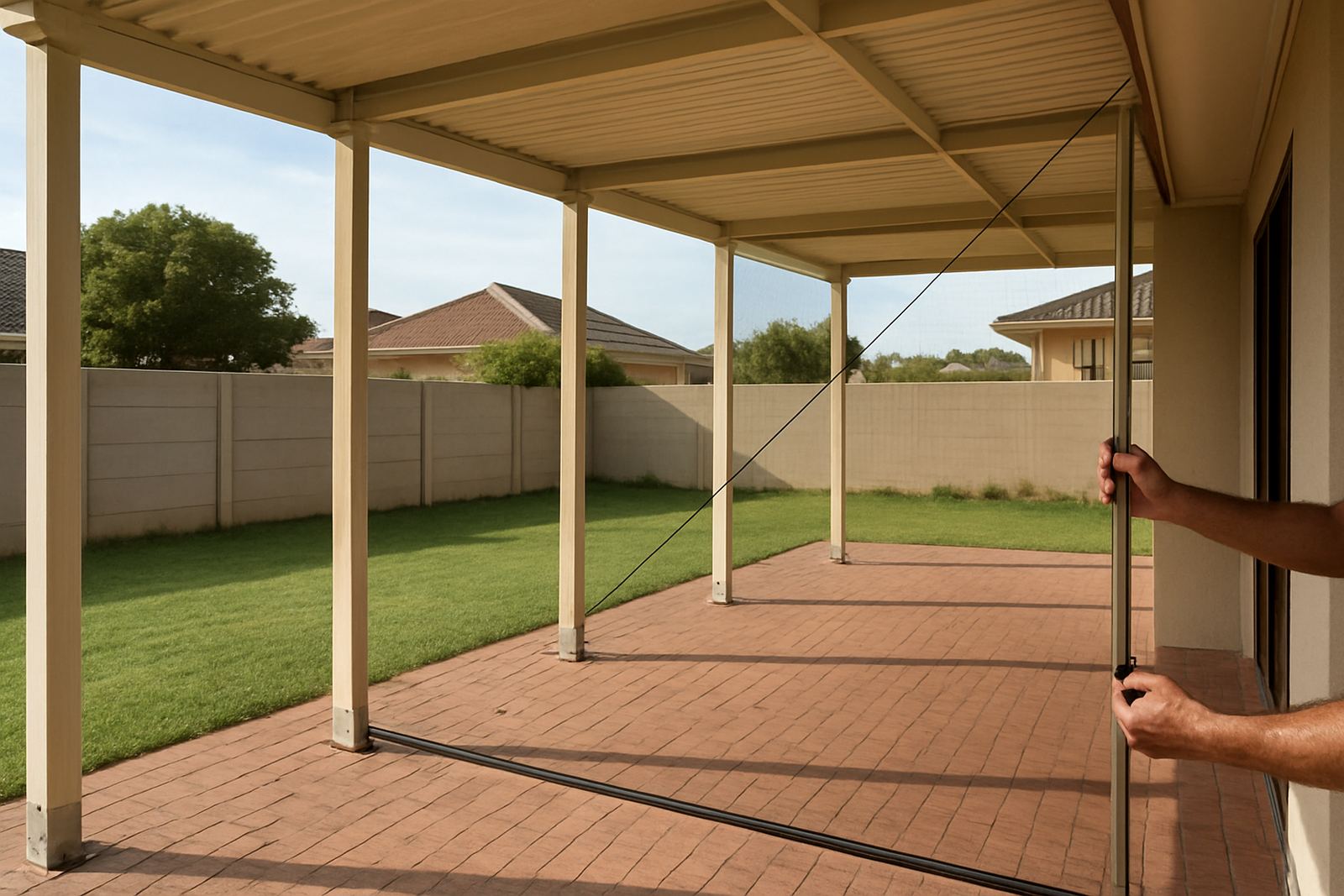
Think about where the strongest wind comes from, which windows stay open for airflow, and which doors are used every day. In coastal homes, insect screens, security screens and shading products often work best when they are planned together rather than one by one. That way the frames, hinges and tracks can all be matched to the same conditions.
- Sea-facing openings may need more frequent washing
- Upper floors often get more wind and salt mist
- Sliding doors and high-use entries need stronger hardware
- Shaded openings can reduce direct weather exposure on fittings
Choose Materials That Handle Salt Air
The main issue near the sea is corrosion. Salt starts attacking metal fittings, screws and moving parts long before the screen itself looks worn. For that reason, it is worth asking how each component performs in humid, coastal conditions. Frames, mesh, hinges, handles and fasteners should all be considered as a set, not in isolation.
For homes in Gqeberha and the surrounding coast, custom-made products are usually the safer choice because the sizes, opening direction and mounting points can be set to suit the property. If a screen is too tight in its frame, it will rub more often. If a track is not set level, sand build-up becomes a problem. Good planning from the start saves repeat callouts later on, especially where sea air and load-shedding both affect day-to-day use.
- Use corrosion-resistant hardware where possible
- Keep moving parts simple and easy to service
- Allow for wind pressure on larger openings
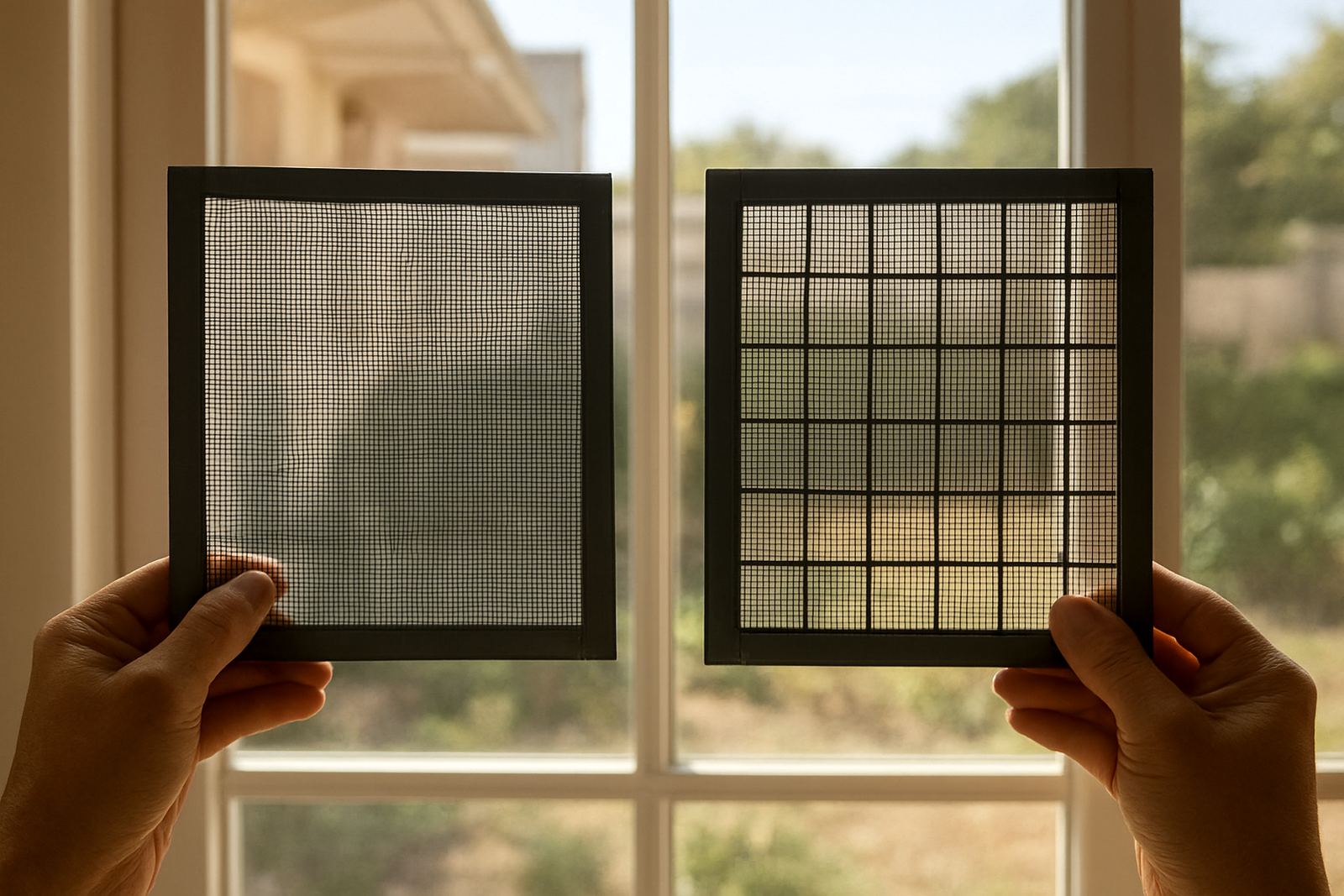
- Choose mesh that suits the level of dust, insects and privacy needed
Plan the Right Screen for Each Opening
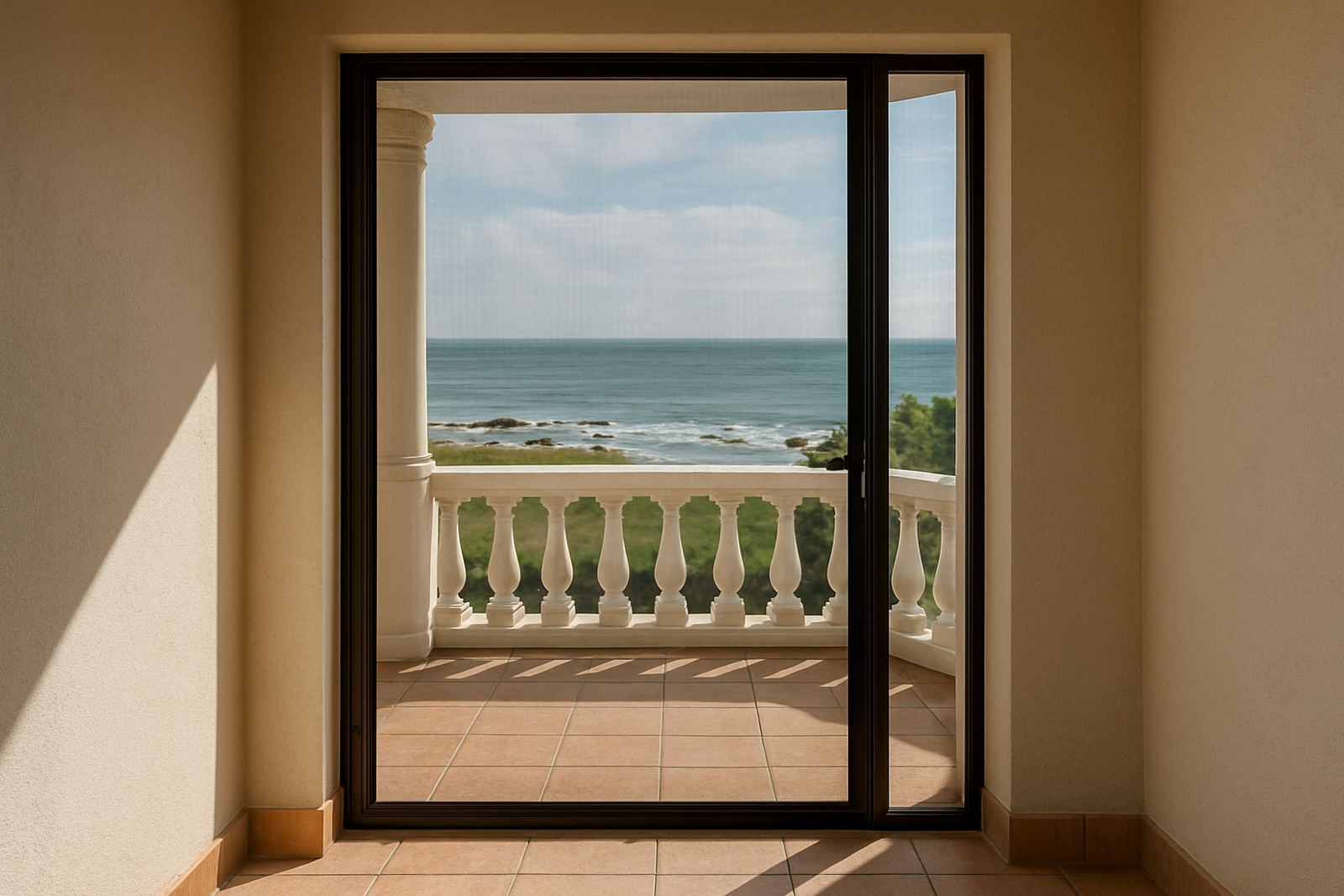
Different openings need different solutions. A bedroom window in Summerstrand may only need insect control and light airflow, while a patio door in Walmer Heights might need a more secure option that still allows daily access. Kitchens and laundry rooms often benefit from easy-clean screens, because moisture and grease can collect on the mesh. In business premises, entrance areas and service doors may need heavier-duty setups with better wear tolerance.
It also helps to think about how the screen will be used in winter and summer. If a door is opened often for fresh air, the sliding action should stay smooth even after a few windy weeks. If a room faces afternoon sun, shading can reduce glare and help protect interiors. The aim is not just to fit a product, but to make the opening easier to live with all year.
- Bedrooms: insect control and airflow
- Patio doors: frequent use and firmer hardware
- Kitchens and laundry areas: easy cleaning and moisture resistance
- Commercial entrances: higher traffic and stronger components
Set a Maintenance Routine Before Summer Arrives
In coastal towns, waiting until a screen sticks or starts rattling is usually too late. A simple maintenance plan keeps small issues from turning into damage. Before the hotter months, check each screen for loose mesh, gritty tracks, worn brushes and any screws showing rust. A quick clean can make a real difference, because sand and salt act like fine abrasive powder if left to build up.
A household near the sea should treat screen care as part of normal property upkeep, much like cleaning gutters or checking roof sheets. If you can hear a frame knocking in the wind, or see that a door is no longer closing evenly, get it checked early. The longer a fitting is left under strain, the more likely it is to bend or seize up. That applies to homes, guest houses and commercial sites alike.
- Rinse frames and mesh regularly with fresh water
- Brush tracks clean of sand and debris
- Check screws, catches and hinges for corrosion
- Book a seasonal inspection before peak summer use
Use Repairs and Mesh Replacement to Extend Service Life
Not every coastal screen needs replacing. Often the frame is still sound and only the mesh, hardware or track parts need attention. That is where repairs and mesh replacement can save money and reduce waste. If the mesh has a tear from wind, pet damage or general wear, replacing it early stops the opening from becoming a pest entry point. If the hardware has started to seize, track servicing may be enough to bring it back into proper working order.
In areas with strong coastal exposure, repair work should include a check on the hidden fixing points too. A surface clean might make the screen look fine, but the brackets and fasteners can tell a different story. If a screw head is rusting through, or a track is lifting on one side, that needs attention now rather than later. Coastal maintenance is less about big dramatic failures and more about catching small problems before they spread.
Build a Simple Checklist for Homes and Businesses
A practical checklist makes it easier to keep screens in good shape without guessing. It is useful for homeowners, landlords, guest houses and estate managers in Port Elizabeth, Gqeberha and nearby towns. The same approach works whether you need one sliding door fixed or a larger estate rollout with several openings across one site.
Keep a record of what was fitted, when it was last cleaned, and any parts replaced. That way you can spot patterns, such as one side of the building wearing faster because of wind direction. If you manage a business property, it also helps with planned maintenance and aftercare support. A clear service record saves time when a repair is needed, especially if the problem comes back after heavy weather or a long holiday closure.
- Monthly: clean visible dirt and check smooth movement
- Seasonally: inspect mesh, tracks and hardware
- After storms: look for loosened fixings or bent frames
- Yearly: review whether any opening needs a better suited product
When to Ask for a Site Check in the Eastern Cape
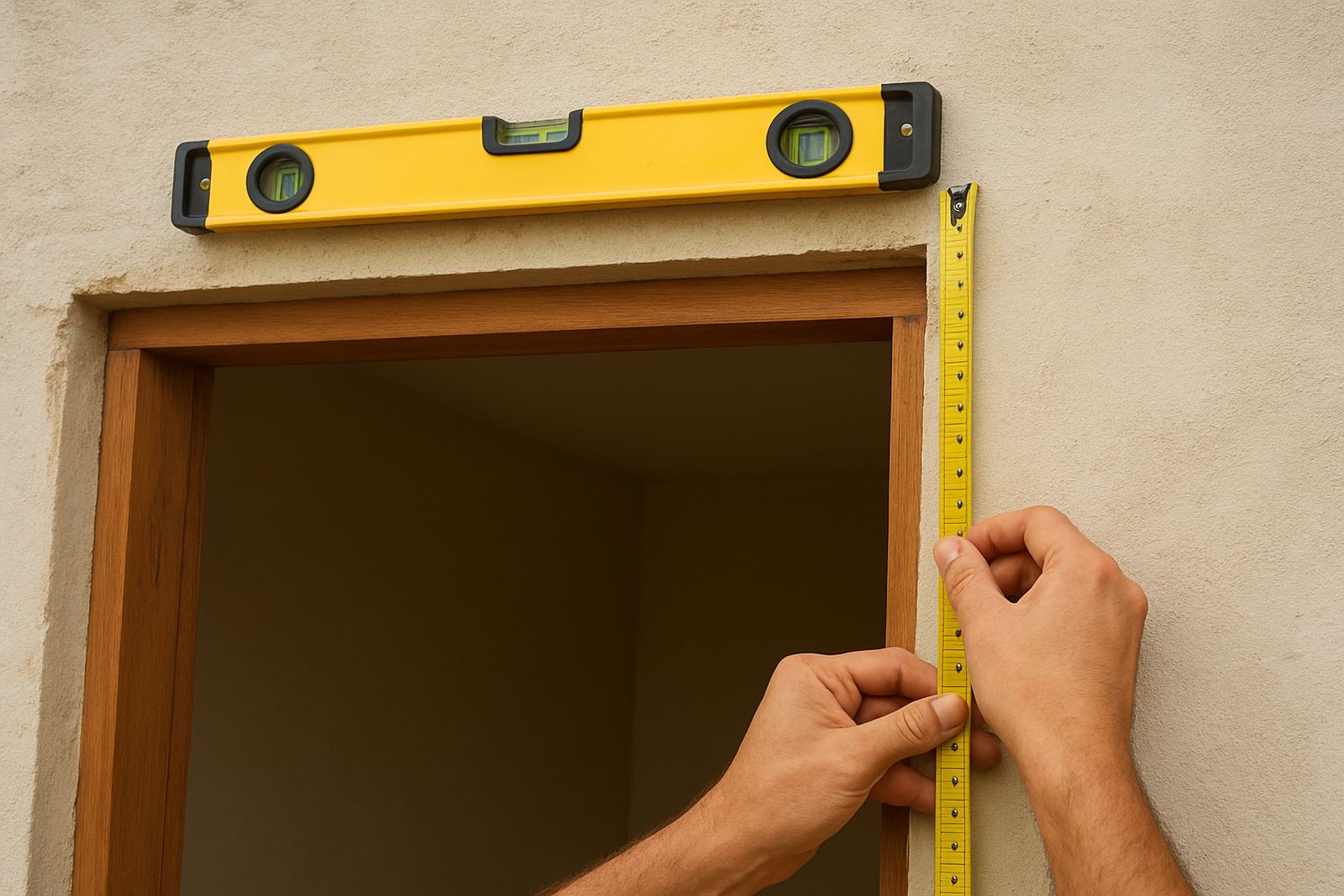
If you are unsure which material will last best on your property, a site measurement and product consultation is the best place to start. Coastal use is not just about the oceanfront, because wind and fine salt can travel further inland than many people realise. A proper visit can show whether a standard solution will work, or whether a more specialised screen, shade or service plan is needed.
For homes and businesses across Walmer, Gqeberha, Summerstrand, Uitenhage, Despatch, Jeffreys Bay and St Francis Bay, it makes sense to plan early, before summer traffic and weather put extra pressure on openings. The right setup should be easy to use, easy to clean and built for the conditions outside your windows and doors. In the long run, that is what keeps a coastal property comfortable and practical.