Why squareness matters before any install
A frame can look fine at first glance but still be out by a few millimetres. That small shift is enough to affect how a screen sits, how a lock engages, and whether a sliding system runs freely from top to bottom.
In homes around Walmer, Summerstrand and Newton Park we often see older openings where plaster has moved, timber has swollen in coastal humidity, or a previous repair was set slightly off. If the opening is not checked properly, you can end up with rubbing corners, uneven gaps, or a product that needs more maintenance than it should.
How to spot an out-of-square opening
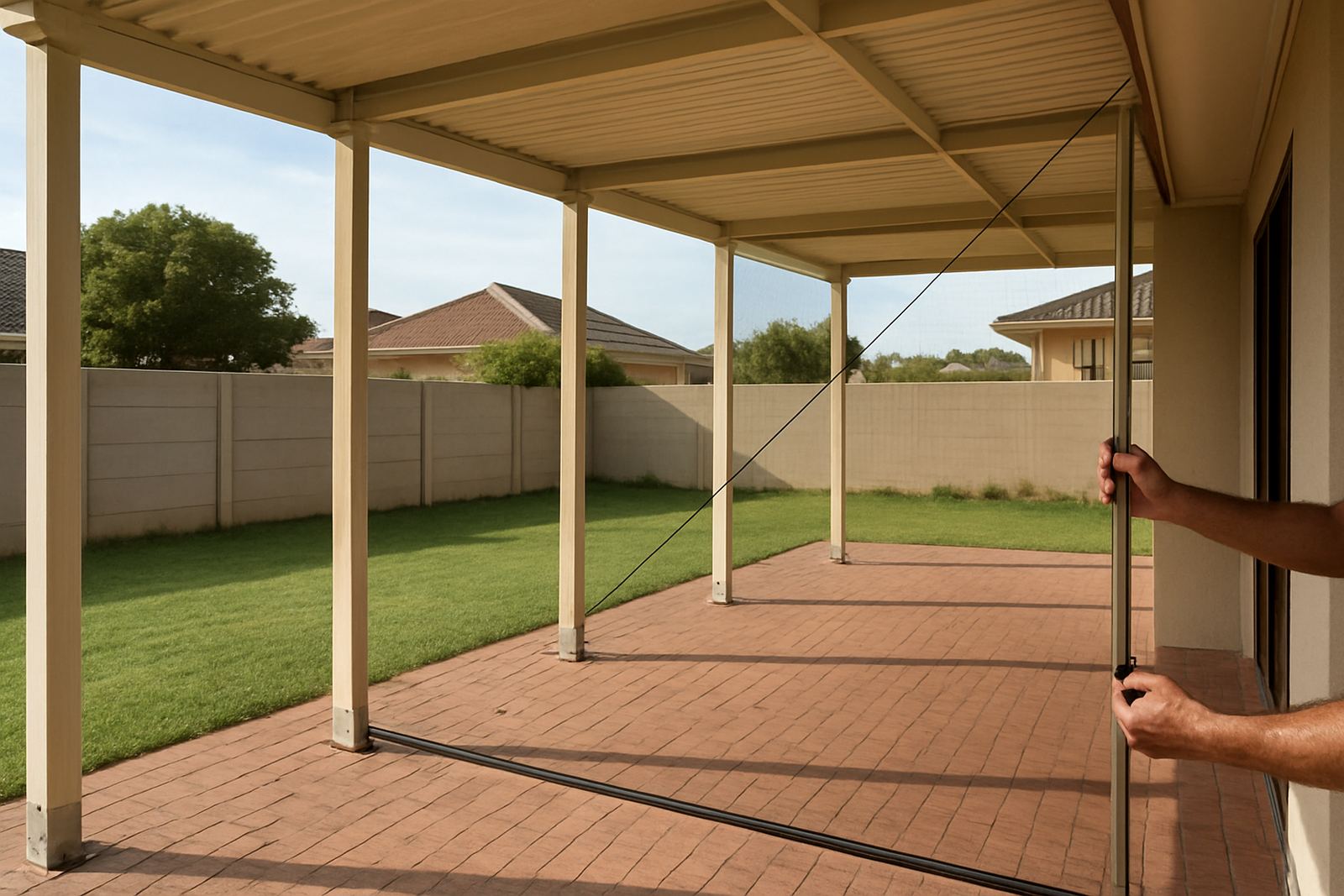
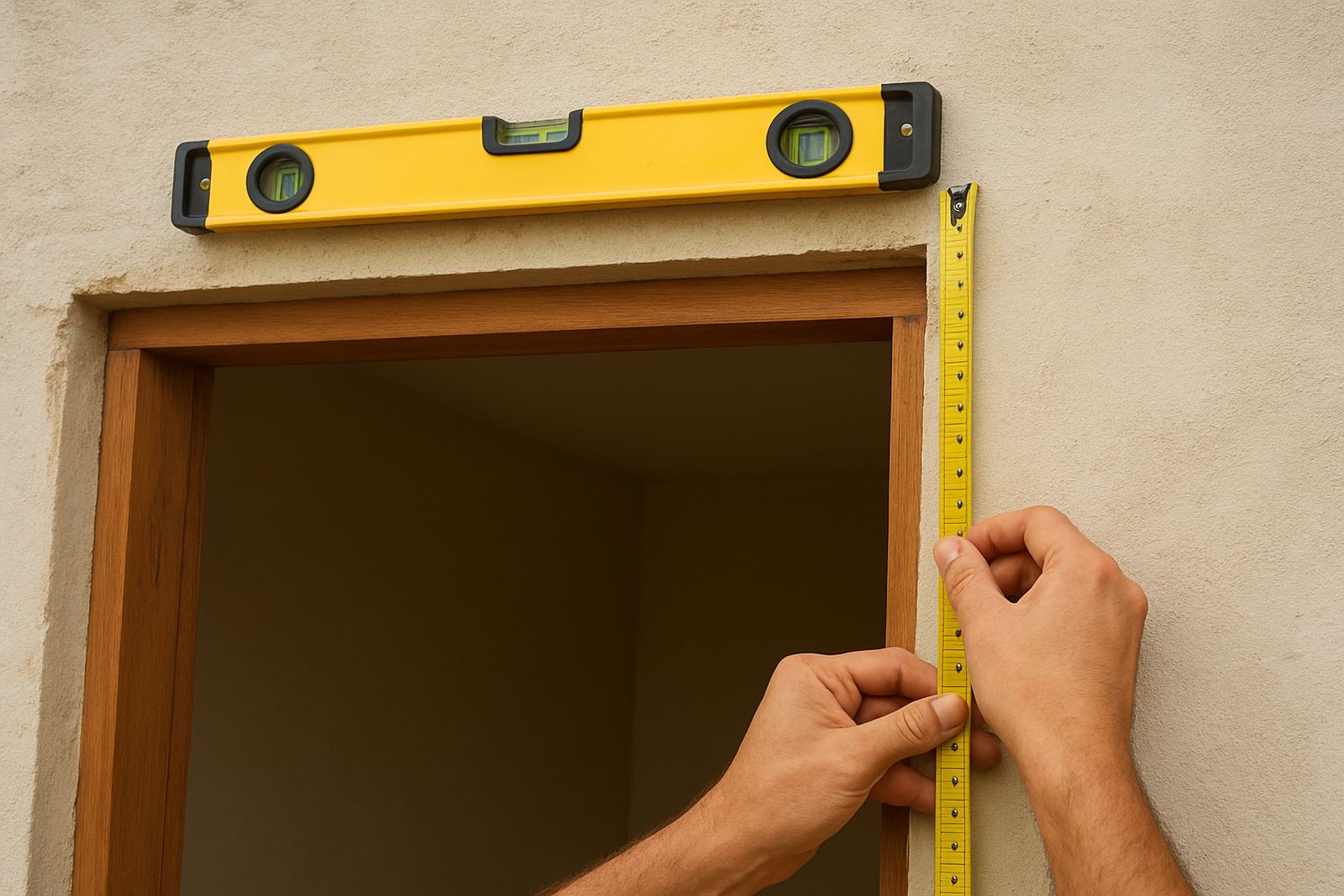
There are a few simple clues you can check with a tape measure and a spirit level. Measure both diagonals of the opening from corner to corner. If the two measurements differ, the frame is out of square. Even a 5 mm difference can matter on tighter fit products.
Look for these signs as well:
- Uneven reveal on the left and right sides
- Top rail or sill not level
- Side jambs leaning inward or outward
- Visible light gaps at one corner
- Doors or windows that already catch when opening or closing
A simple measuring check you can do first
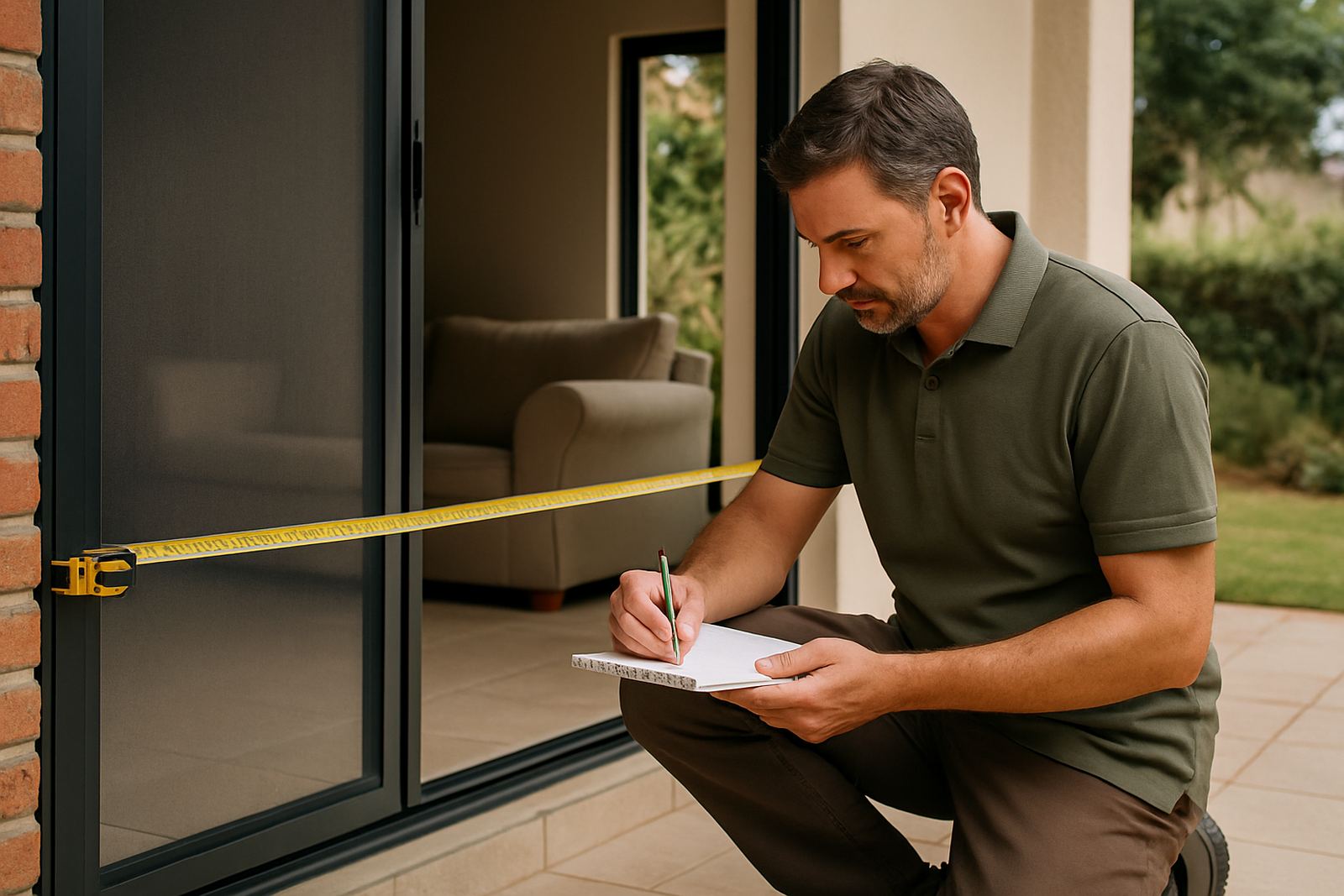
Before installation, take the time to measure width at the top, middle and bottom of the opening. Then measure height on the left and right sides. If the numbers change more than expected, the opening may be out of square or out of plumb.
Use this quick checklist:
- Measure in millimetres, not centimetres
- Check both diagonals and record the difference
- Confirm the head is level and the sides are vertical
- Note any damaged plaster, sealant or timber repairs
- Watch for moisture swelling on coastal properties near Jeffreys Bay or St Francis Bay
What causes frames to move over time
Movement is common in South African homes and business premises. Brickwork can settle, timber can expand and contract, and heat can shift thin aluminium or steel surrounds over time. Security bars, repainting and old sealant repairs can also hide a problem until new hardware is fitted.
In commercial sites, frequent use and impact from trolleys, deliveries or foot traffic can knock a frame slightly out of line. On estate rollouts, it is worth checking each opening individually instead of assuming all units are the same. One off opening can throw out the final fit and cause extra call-backs.
What our team checks on site
During a site measurement, the installer looks at the opening, the fixing points and the surface condition before any product is made. If the frame is out of square, the team will note where the issue is and how far it shifts from corner to corner. That lets us decide whether a standard fit is suitable or whether a custom adjustment is needed.
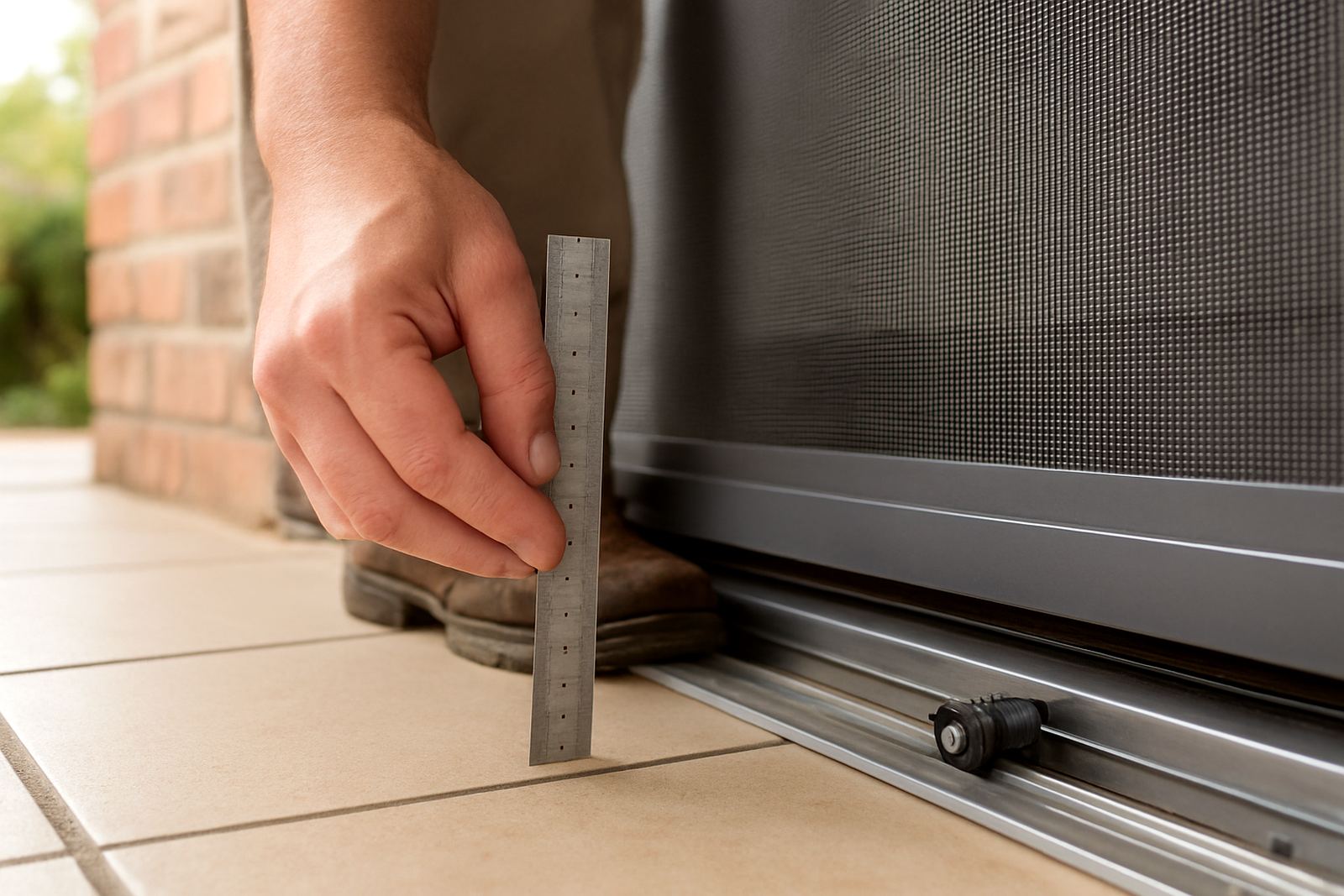
We also check for service matters that affect long-term use, including worn tracks, loose hardware and uneven sealing. In some cases a small repair is enough. In others, the opening needs to be corrected first so the final product can sit properly and function as intended.
What to check before ordering a screen
If you are preparing for insect screens, security screens or shading, gather a few basics before the consultation. Clear the area around the opening, make sure the sill or floor is accessible, and note any existing damage. If the property has been repainted or renovated recently, tell the consultant so the measurments can be checked against the finished surface.
- Keep the opening clear of furniture and washing lines
- Open and close nearby doors or windows to check for interference
- Tell us about coastal exposure, dust or high-use areas
- Point out any recent repairs, cracks or rust
- Ask for aftercare advice if the opening has moved before
That preparation helps avoid delays and makes the final installation smoother, whether it is for a home in Gqeberha or a commercial site elsewhere in the Eastern Cape.