Start with the opening, not the product
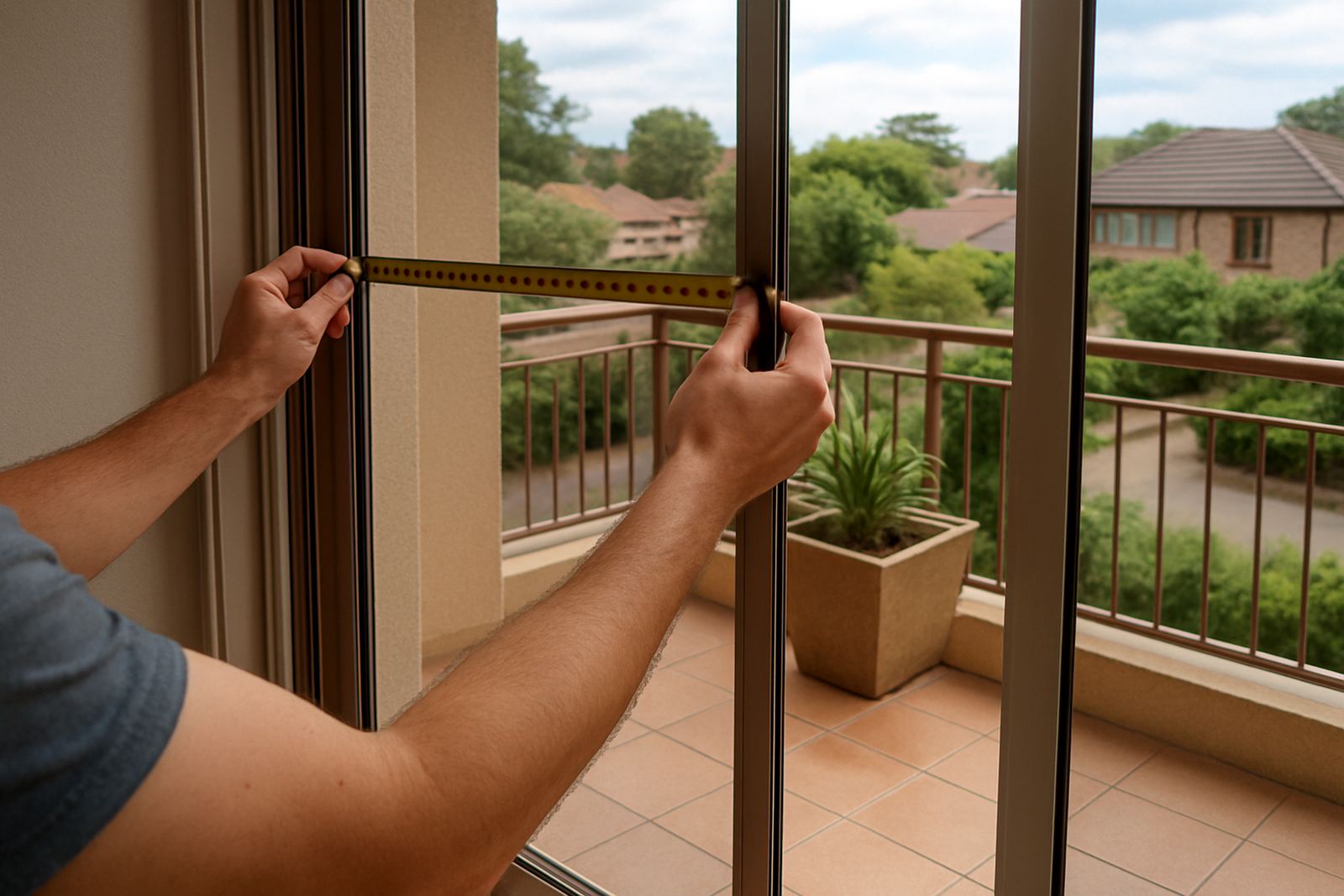
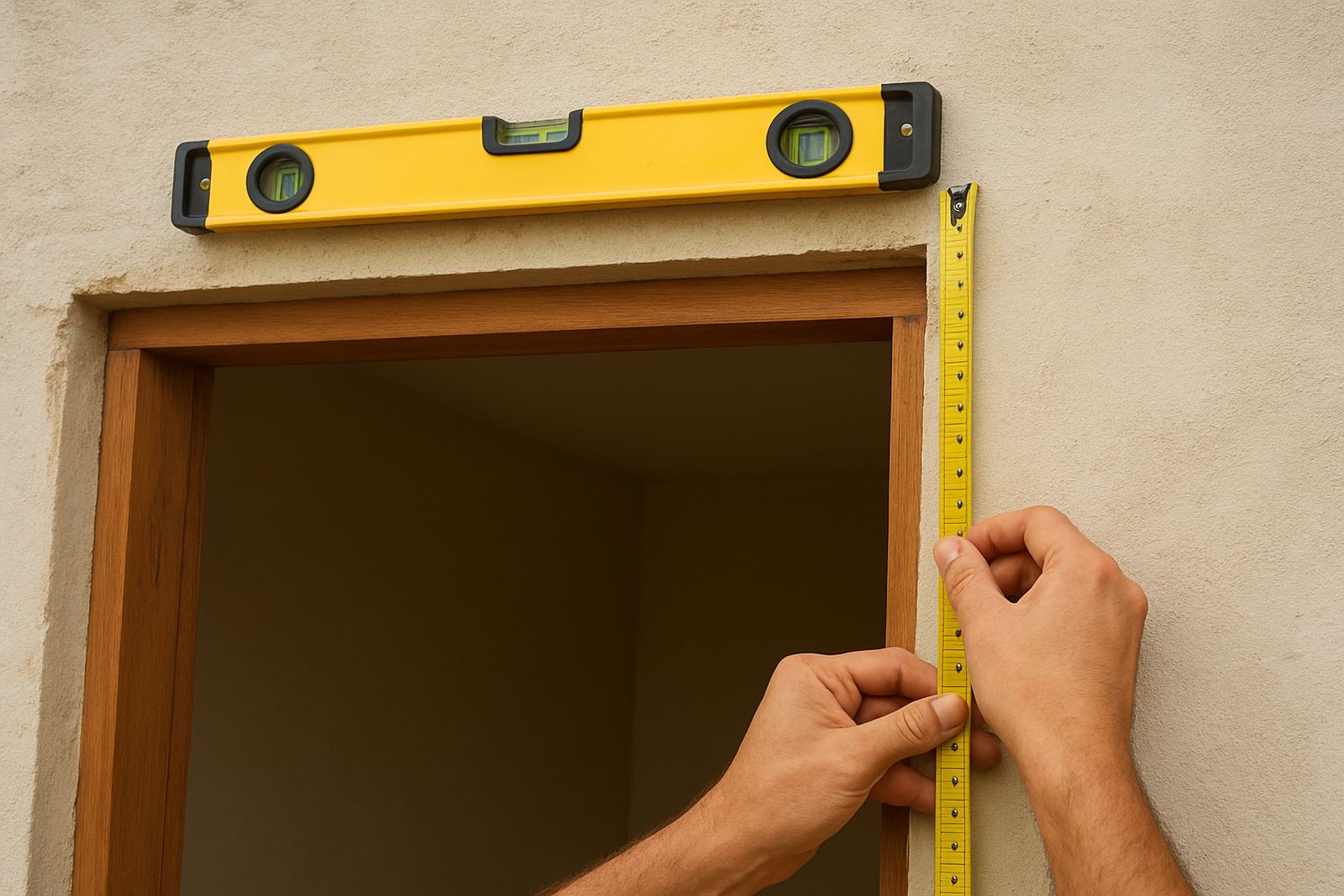
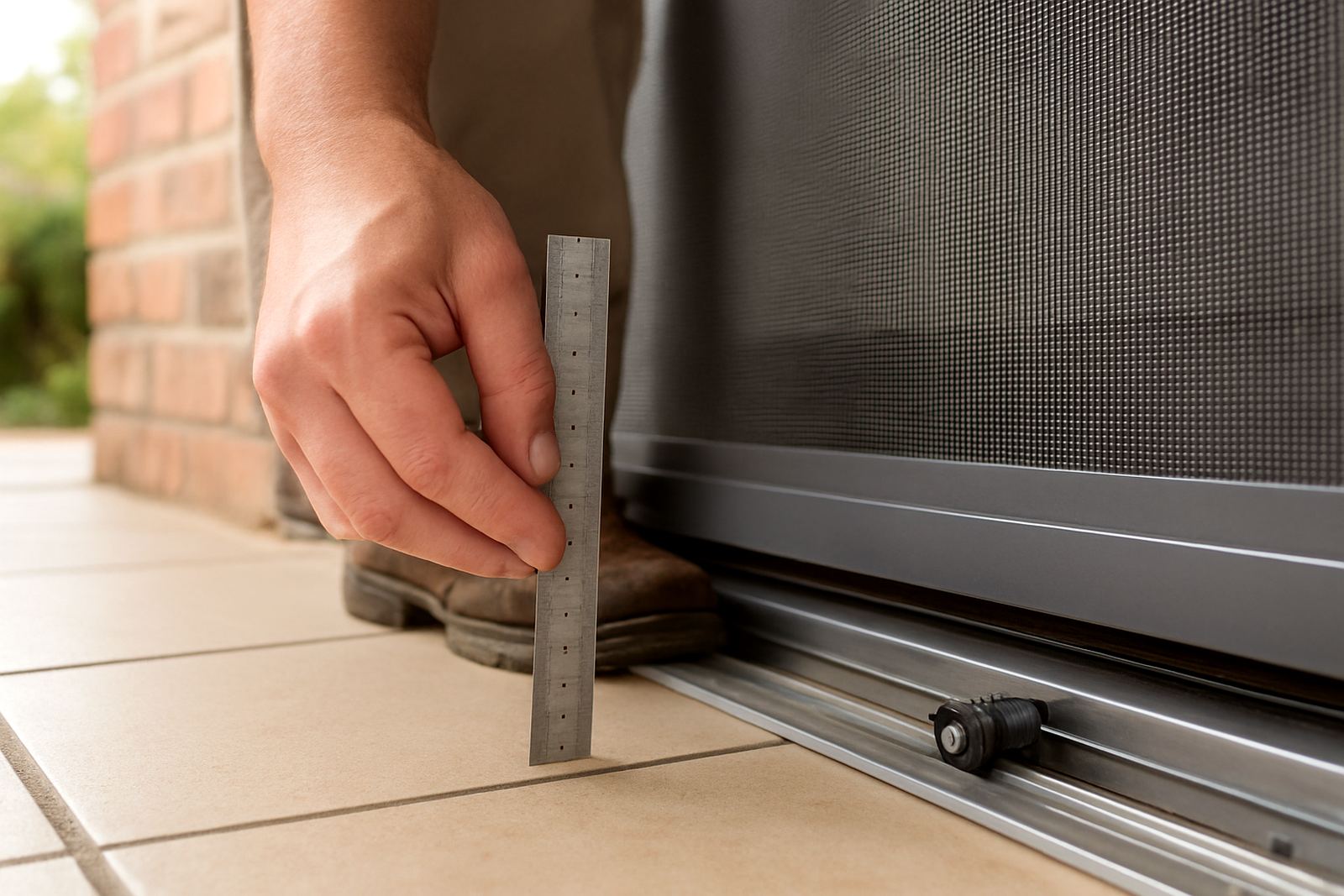
Large spans begin with accurate site measurements. Measure the full width and height of the clear opening, then note the frame style, sill detail, floor finish and anything that could affect movement such as tiles, paving, thresholds or a raised track. In Walmer, Summerstrand and along the coast, a small level difference can change how a long screen runs, so it is worth checking carefully before you choose a layout.
When an opening is wide, the way it is used matters just as much as the size. A braai area that opens daily to the stoep may need a different setup from a commercial entrance that is closed after hours. We look at how often the door opens, whether children or staff use it, and whether the span must stay clear for furniture, delivery trolleys or wheelchair access.
- Measure width at the top, middle and bottom.
- Check the opening height on both sides and in the centre.
- Note wall returns, nearby corners and light switches.
- Record which way doors, sliders or panels stack.
Choose the right layout for wide stacking doors
For large spans, the layout should support the way the opening works day to day. Some homes in Gqeberha prefer screens that slide away neatly to one side, while other properties need multiple panels that share the load across the span. The aim is to keep the opening usable without forcing the screen to carry too much weight on one side.
Stacking doors often need a careful plan around panel widths, track length and where the screen will park when open. On very wide spans, we may recommend a split arrangement so the system feels lighter to move and easier to service later. That also helps in homes where the opening stays open for long periods in summer and catches salt air off the coast.
- Decide whether the screen must park left, right or in the middle.
- Check if the opening needs one large panel or several smaller ones.
- Allow space for handles, latches and overlap points.
- Confirm that the track position will not create a trip point.
Plan for wind, humidity and daily wear
Eastern Cape homes and businesses deal with heat, coastal humidity and wind, so the finish and hardware need to suit those conditions. Around Jeffreys Bay and St Francis Bay, salt in the air can affect moving parts if they are not chosen correctly. In Gqeberha, strong wind can also put strain on large panels if they are not guided well. A wide opening is not just about looks, it needs to keep working after months of use.
For shaded spans, think about how much sun hits the opening in the afternoon and whether the area needs glare control, privacy or cooler indoor temperatures. In summer, a wide entertainment area can become uncomfortable fast if the sun comes straight in. On the other hand, a shaded opening that stays too dark during winter may need a lighter fabric or a different angle of coverage.
- Choose materials suited to salt air and coastal moisture.
- Check whether the opening faces prevailing wind.
- Allow for easy cleaning of tracks and mesh.
- Plan access for future service without removing the full system.
Security screens for large spans need extra thought
Security over a wide opening needs more than stronger mesh. Long spans must still open and close properly, so the frame, locking points and fixing method all matter. If the opening is used as a main living area access point, the screen should support regular movement without rattle, flex or misalignment. That is especially important for estate homes, guest houses and offices where the door is used often.
We also look at the building itself. Older homes in Newton Park or Uitenhage may have uneven masonry, while newer builds can have large openings that need exact tolerances. A proper plan checks the wall condition, lintel, side returns and whether the surface will take the correct fixings. If the opening is not true, the screen may need adjustment before manufacture rather than after installation.
- Confirm the fixing surface is sound and level.
- Ask where the lock, latch or release point will sit.
- Allow enough clearance for cleaning and servicing.
- Check that emergency escape use is still practical where needed.
What to expect at site measurement and consultation
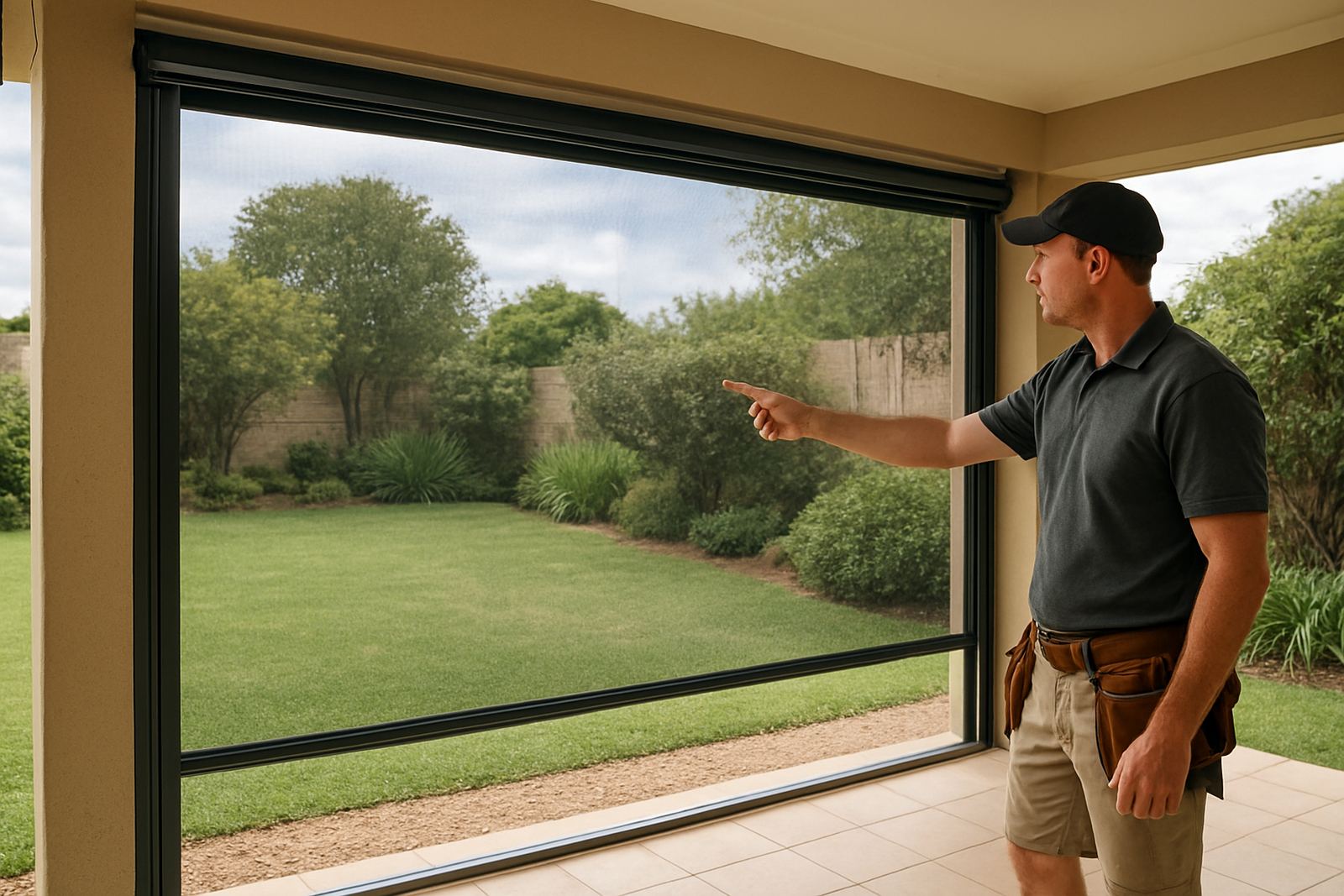
A good large-span project starts with a site visit. During the consultation, we review the opening, talk through how the room is used and note any special points such as pet access, children, blinds, shutters or existing door furniture. For commercial properties, we also consider trading hours, foot traffic and any access rules for the building or estate.
This is the stage where small details save time later. A handle that sits proud, a floor that rises by a few millimetres, or a stacker that does not close square can all affect the finished result. It is better to catch those points before manufacture than after, because a wide opening leaves very little room for guesswork. A short check now can prevent repeated callouts later on.
- Have the opening clear for measuring and photos.
- Tell us if there are pets, toddlers or tenant access concerns.
- Share any body corporate, estate or municipal rules that apply.
- Ask about maintenance, repairs and seasonal checkups at the same time.
Install, maintain and keep the span moving well
Large openings need regular attention if you want them to keep moving smoothly. Tracks collect dust, fine sand and insect debris, while coastal air can leave a film on hardware. A seasonal checkup helps before summer use or after a windy spell. If a panel starts to drag or the mesh loosens, it is best to sort it early rather than wait until the opening is hard to use.
For homes and businesses across Walmer, Gqeberha and the wider Eastern Cape, our aftercare approach covers track servicing, mesh replacement and hardware replacement where needed. If the opening changes after a renovation, new flooring or a repaint, we can also assess whether the span still runs true. Small maintenance steps keep the system useful for years and avoid unnecessary strain on the moving parts.
- Vacuum tracks and wipe hardware regularly.
- Check locks and rollers after heavy use.
- Look for mesh wear near handles and corners.
- Book a service if the panel starts sticking or scraping.
A simple planning checklist for large spans
If you are starting from scratch, use this as a quick guide before requesting measurements. It helps narrow down the best option for your opening and makes the consultation more productive. Wide entertainment areas, stacking doors and commercial entries all benefit from the same practical approach: measure properly, match the use case and choose materials that can handle the local climate.
- Know the exact opening size and how it changes across the span.
- Decide whether the main goal is insect control, security, shade or all three.
- Check the space available for stacking, parking and daily movement.
- Think about coastal air, wind and sunlight on the opening.
- Plan for future servicing before the product is made.
ScreenMaster works from Walmer, Gqeberha and installs across the Eastern Cape, including Summerstrand, Newton Park, Uitenhage, Despatch, Jeffreys Bay and St Francis Bay. If you need help planning a large span, send an enquiry through the contact page and we will take it from there.