Start with the room’s purpose, not the frame size
Every school room asks for something slightly different. A Grade R classroom needs easy airflow and quick visibility for teachers, while a computer room or admin office may need stronger security and less direct glare. Before any measuring starts, think about how the room is used from morning assembly through to aftercare, because that is where the screen choice is made.
In Gqeberha and the wider Eastern Cape, schools deal with wind, salt air near the coast, dust in dry months and a fair amount of foot traffic. That means the screen system must suit the room and the site. A ground-floor classroom facing a passage has different risks from an upper storey library window or a staff room door that opens often during break time.
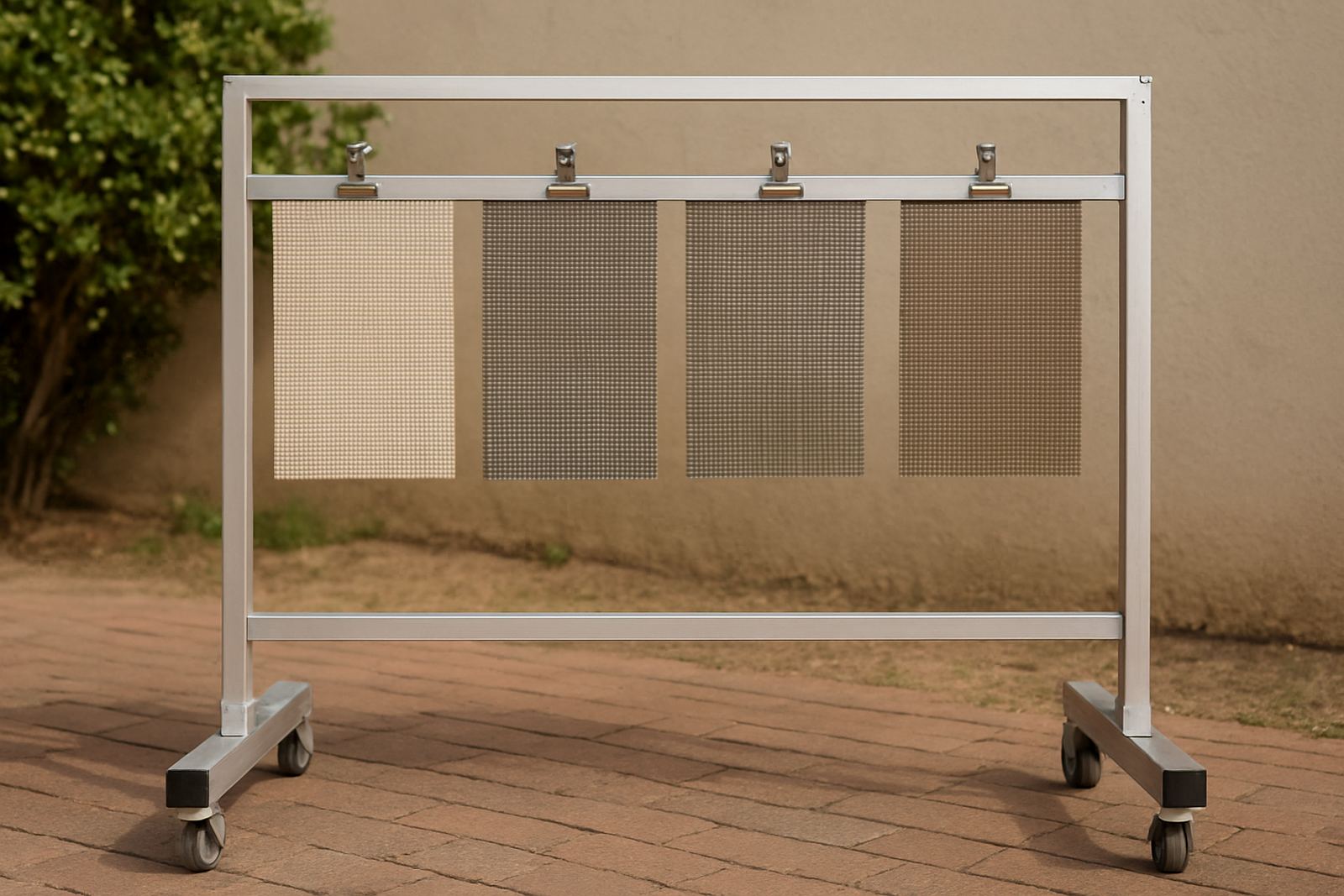
A proper site measurement helps to pick the right opening direction, fixing method and mesh type. It also avoids common problems like a door that catches on a threshold or a window that cannot open fully once the screen is fitted. If a school has several blocks, it is worth planning room by room rather than treating every opening the same.
Choose screening that supports safety and supervision
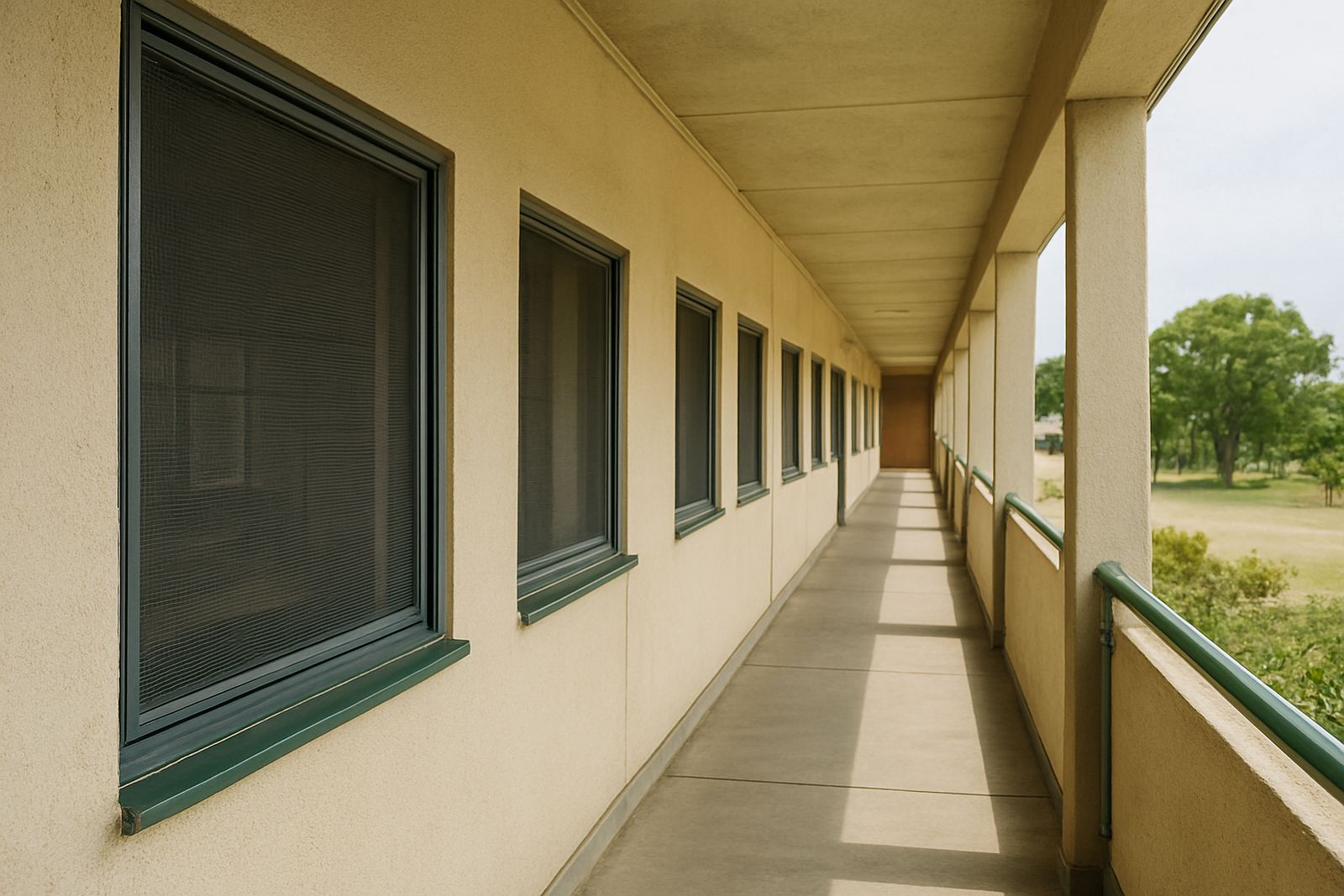
Schools need screening that works with daily supervision. Staff must be able to see into classrooms, corridors and play areas without darkening the room. For this reason, mesh openness, frame colour and placement all matter. A screen should reduce insects and outside debris while still allowing a clear view through the opening.
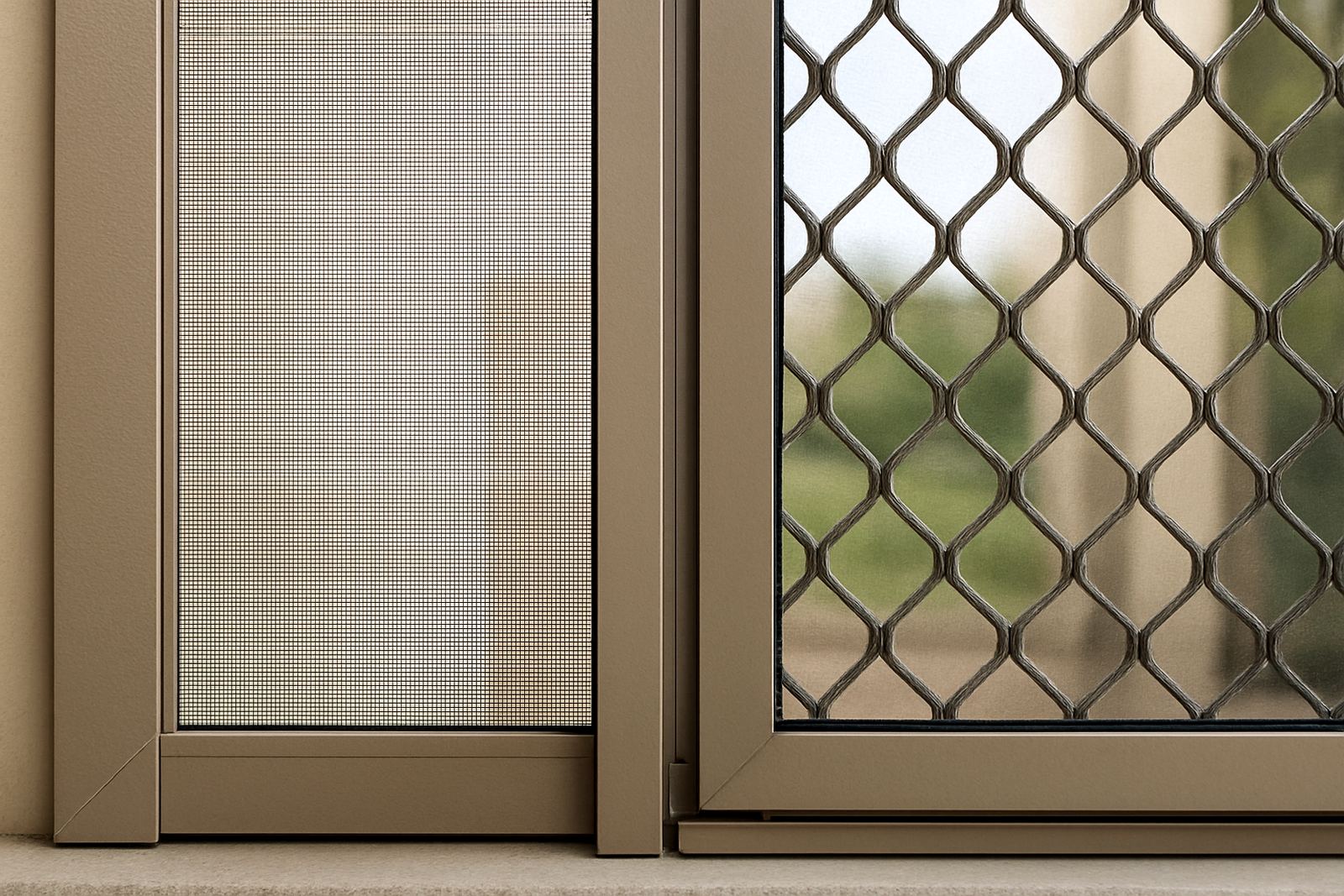
Security is also a practical concern. On many school sites, especially where rooms open onto public pathways or perimeter edges, a stronger screen on doors and lower windows can add a useful barrier. It should not make evacuation harder or block safe exit movement, and that balance needs to be checked during the consultation.
- Lower classroom windows may need stronger mesh and locking detail.
- Doors used for break-time traffic need hardware that can handle repeated use.
- Rooms facing busy streets or taxi routes often need more privacy and less direct exposure.
- Where learners move in and out often, easy operation matters as much as strength.
A school in Walmer with classrooms opening onto a shared passage may prefer different screen specifications from a small school in Jeffreys Bay with sea wind exposure. The right choice is not about one product for every opening, it is about matching the screen to the risk and the room.
Allow for airflow, shade and the South African climate
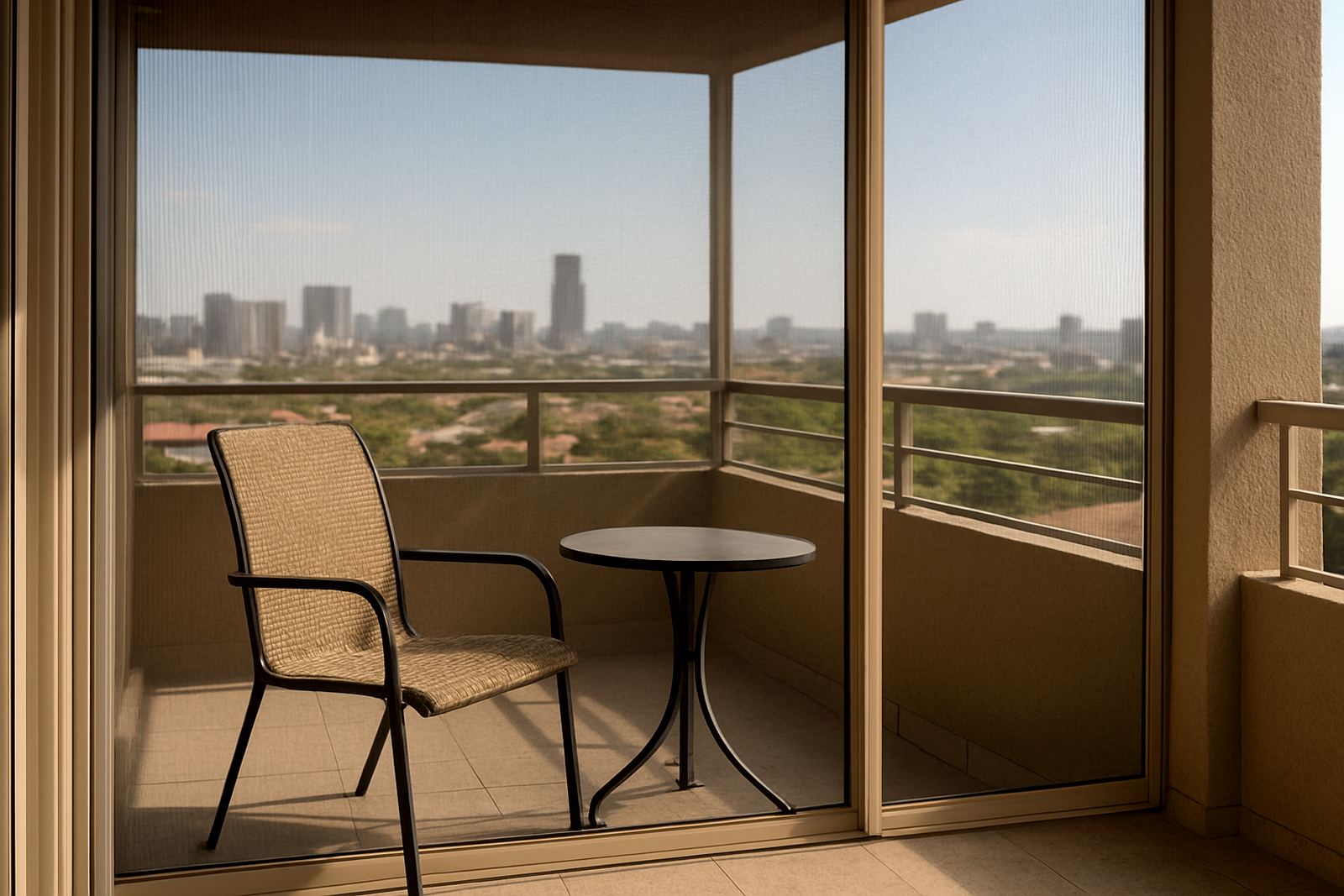
Many classrooms still rely on natural airflow, especially where load-shedding affects fans, extractors and air-conditioning. Screening should not close a room off too much. The aim is to keep air moving while reducing flies, mozzies and other insects that build up in warm months. In coastal areas like Gqeberha and St Francis Bay, that balance matters because sea air can make rooms feel sticky if there is poor circulation.
Shading is part of the same conversation. A sunny west-facing classroom can become uncomfortable by early afternoon, which affects attention and concentration. In those rooms, a screen or shade solution may need to work with blinds, curtains or exterior shading so the room stays usable without blocking light completely.
For schools, it helps to think about seasonal change too. Summer screening needs are not the same as winter needs. Seasonal checkups can pick up loose hardware, worn mesh and tracks that need cleaning after wind and rain. That is especially useful on exposed sites where dust and salt can build up faster than expected, and small faults become bigger ones if left too long.
Plan for cleaning, repairs and daily handling
School equipment gets touched often, moved often and cleaned often. Screens are no exception. If a classroom door screen is installed without considering routine cleaning, it can become a nuisance for cleaners and maintenance staff. Tracks need to be accessible, mesh must be easy to wipe down, and hardware should be simple to use by staff who are opening and closing the room all day.
It also helps to think ahead about repairs. A damaged mesh panel, a loose handle or a track that starts to drag should be fixable without replacing the whole unit. That saves time and keeps classrooms in use. In busy schools, especially during term time, short repair visits are often better than waiting for a larger breakdown.
- Ask how the screen is removed or serviced if a repair is needed.
- Check whether replacement mesh can be fitted without altering the frame.
- Look at how easily staff can clean around the bottom rail and corners.
- Plan a simple schedule for aftercare support before term starts.
Where schools are spread across several blocks, a maintenance checklist can be kept room by room. That makes it easier to spot the same fault pattern early, whether it is a worn hinge on a staff room door or a mesh panel that has taken repeated knocks from trolley movement.
Make installation work around school hours and site rules
School installations need to happen with as little disruption as possible. That means planning around lessons, exams, assemblies and sports use. A small site may only allow work during holidays or after hours, while a larger campus can sometimes be done in phases block by block. Clear scheduling matters because noise, dust and open rooms can affect teaching.
Some schools also have estate rules that govern access, contractor sign-in, vehicle movement and working times. These details should be sorted before the first measure-up so the job does not stall on the day. If the site has multiple entrances or controlled access points, the installation team should know exactly where to report and which areas are off limits.
A practical rollout usually starts with a site measurement and product consultation, then moves to custom manufacture and staged installation. For larger education estates, that can include several classrooms at once, or a mix of windows, doors and service areas. The aim is to finish neatly and keep the school operating, not to create extra admin for the office staff.
A local example from the Eastern Cape school environment
Think of a school in Newton Park with classrooms that face a windy play area and an admin block that catches strong afternoon sun. The junior rooms may need insect screens that allow air through, while the admin side may need tougher door screening because of repeated use and more traffic. If the school also has a hall used for evening meetings, those openings may need a different solution again.
Now add Gqeberha conditions. Coastal humidity can affect hardware, and dusty periods can shorten the life of tracks if they are not serviced. A good screening plan allows for these realities. It takes into account where the room is, how often the opening is used, who uses it and how much maintenance the school can realistically handle during the year.
That is why a one-size-fits-all approach usually misses something. The better route is to measure carefully, fit for the actual room and keep future servicing in mind from the start. In schools, that practical thinking saves time, reduces complaints and keeps the rooms pleasant to use, which is half the battle already.
What schools should ask before signing off a screen plan
Before approving any screening work, schools should ask a few plain questions. These help avoid surprises later and make it easier to compare options fairly. A good supplier should answer clearly and without pressure, because the site has to live with the result for years.
- Will the screen allow enough airflow for this room in summer?
- Can learners and staff open and close it easily every day?
- What happens if a mesh panel is damaged or a track wears out?
- How will the screen hold up near the coast or in a dusty area?
- Can installation happen in stages around the school calendar?
If those questions are answered properly, the school is far more likely to end up with screens that suit the building and the people using it. That is the real value of careful planning: fewer disruptions, better comfort and a safer, tidier learning environment across the year.