Start with what you want the mesh to do
Most people ask for a fly screen, but the right mesh depends on the job. A kitchen window facing the garden needs a different finish to a patio door in Walmer, and a ground floor flat in Newton Park has different security needs to a holiday home in Jeffreys Bay. Before choosing, think about airflow, insect size, visibility, privacy and whether the screen must also help with safety.
On the coast, the small details matter. Salt air, wind and fine dust can affect frames and moving parts over time, so the mesh should suit the opening and the way it is used. A screen that works well in a bedroom may be the wrong choice for a braai area, storeroom or business entrance.
- For bugs only, fine or standard insect mesh usually does the job.
- For better security, a tougher woven or stainless option is worth considering.
- For doors that open often, durability and easy cleaning matter just as much as visibility.
Fine mesh for smaller insects and better screening
Fine mesh is usually the first choice where tiny insects are a problem. It helps with gnats, mozzies and other small pests that can get through more open screen types. Because the weave is tighter, it gives a neater look and can improve privacy a little, though it may reduce airflow slightly compared with a more open mesh.
People often choose fine mesh for bedrooms, nurseries and kitchens. It is useful in areas near the river, damp ground or established gardens where insect pressure is higher. If you live close to the coast in places like Summerstrand or St Francis Bay, fine mesh can make evenings far more comfortable when windows need to stay open for fresh air.
Fine mesh does need a bit more care. Dust can build up on the tighter weave, so a soft brush or vacuum on a low setting helps keep it clear. If a screen is fitted on a windy side of the house, check that the frame and fittings are suitable too, because the mesh is only one part of the job.
- Best for: bedrooms, kitchens and rooms with strong insect pressure.
- Good point: better protection against small insects.
- Trade-off: slightly less airflow and more visible dust build-up.
Standard mesh for everyday insect control
Standard mesh is the middle-ground option and suits many homes and businesses. It offers good visibility, decent airflow and reliable protection against most common insects. For a lot of clients, this is the practical choice because it is easy to live with and not too fussy to maintain.
In places like Walmer, Despatch and Uitenhage, standard mesh is often used on front windows, passage openings and shop back doors where people want fresh air without letting flies in. It is also a common choice for rental properties and body corporate complexes because it gives a clean finish and handles day-to-day use well.
Standard mesh works well when there is no special problem to solve, just a need for solid insect control. It is usually the option we recommend first for general use if the opening is not exposed to unusually rough handling. It is also easier to live with when you want less obstruction to the view, especially on bigger windows.
- Best for: general household and business use.
- Good point: balanced airflow, visibility and insect control.
- Trade-off: not the best choice where extra strength is needed.
Tougher mesh for security and heavy use
When the brief includes security, pets or heavy traffic, a tougher mesh becomes the better option. These meshes are designed for more strength and a firmer feel, and they are often used on doors, ground floor windows and access points that are opened many times a day. Some are made from stronger metal strands, while others use reinforced construction for added resistance.
This type of mesh is useful for shops, offices and homes where screens must handle daily movement without loosening too quickly. It is also the sensible choice where a screen might be pushed, bumped or leaned on. In a commercial setting, especially where staff and customers move through doors all day, a stronger mesh can reduce callouts and keep the opening looking tidy.
For coastal conditions, material choice matters. In salty air, certain finishes can hold up better than others, and fittings need to be chosen with care. A tougher mesh is not just about strength, it must also suit the frame, track and hardware or you end up with a product that does not last as long as it should.
- Best for: security doors, busy entrances and lower level openings.
- Good point: stronger resistance to pressure and wear.
- Trade-off: can cost more and may be more visible than lighter mesh.
How the right mesh changes by room and location
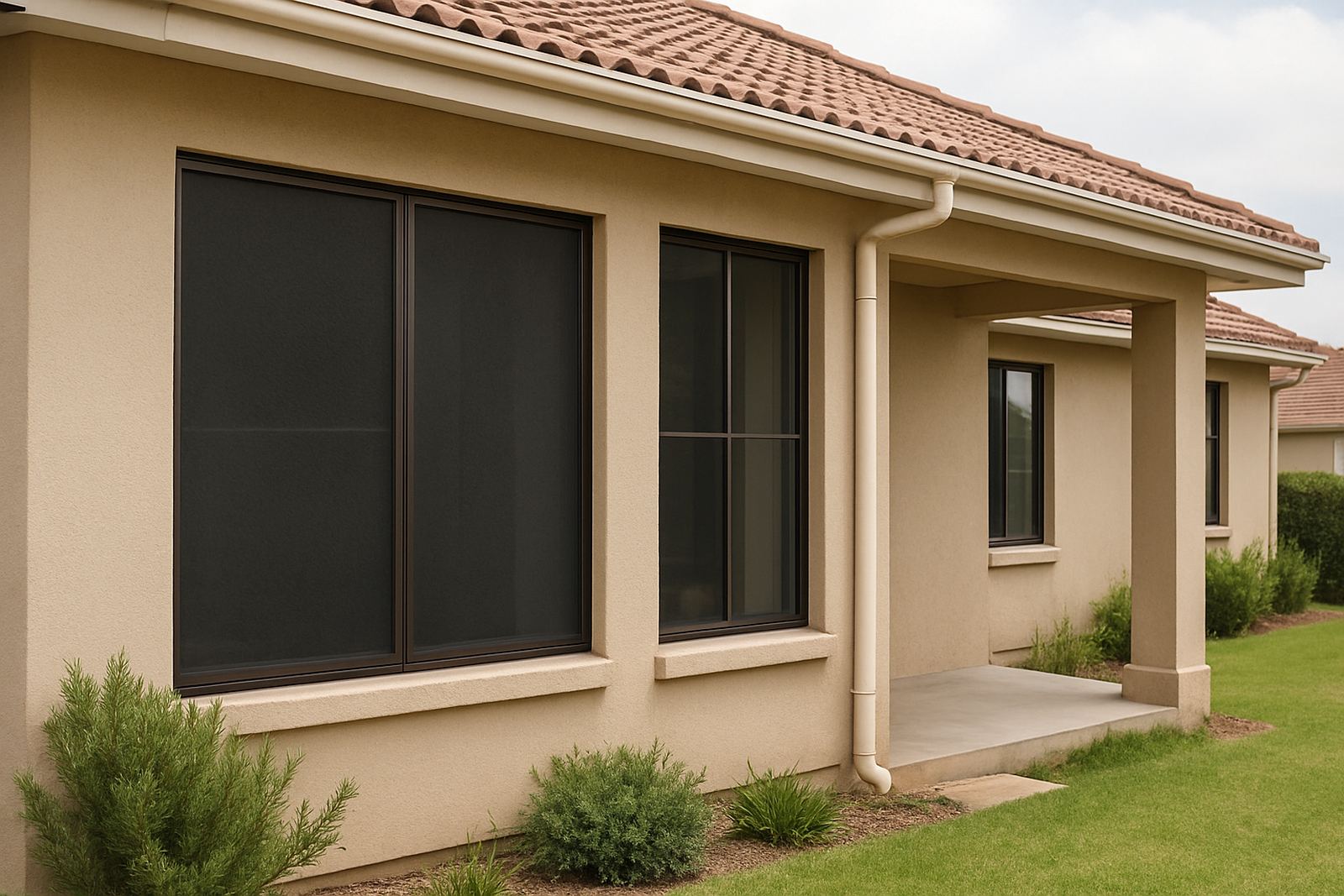
There is no single mesh that suits every opening. A family home in Gqeberha may need fine mesh on the bedroom side and standard mesh on the lounge side. A business in Newton Park could need tougher mesh on access doors and standard insect mesh on office windows. The right mix depends on how the building is used.
For homes near the coast, it helps to think about salt, moisture and cleaning. Bathroom and kitchen areas can collect more grime, so a mesh that is easy to wipe down may be the better call. In leafy suburbs or near open fields, finer mesh can help with smaller insects but may need more regular cleaning. We have seen many cases where the screen choice looked good on paper but the day to day use told a different story.
A local example: a homeowner in Walmer wanted screens for sliding doors facing a sheltered courtyard. The area had a fair amount of insect activity in the evening, plus strong afternoon wind. A standard mesh on the main living area and a finer mesh in the bedrooms gave the best mix of airflow and comfort, without making the rooms feel closed in.
- Match the mesh to the room, not only the window size.
- Consider salt air, wind and cleaning needs.
- Mixing mesh types is often the best answer.
Maintenance, repairs and when to replace the mesh
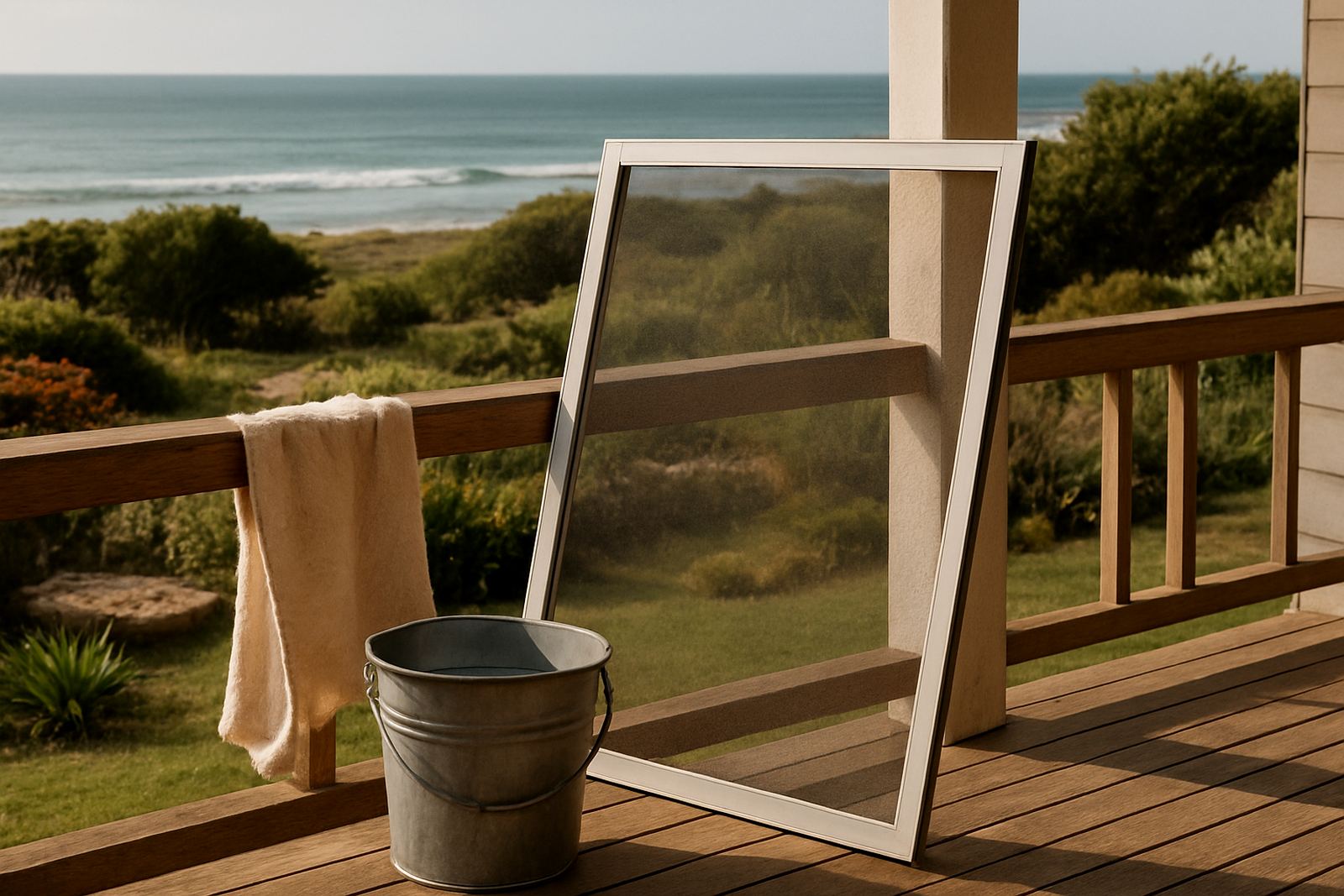
Even a good mesh will need attention over time. Small tears, loose corners and worn tracks can turn a useful screen into a nuisance. If the frame is still sound, mesh replacement or track servicing can often bring it back into working order without replacing everything. That is usually more practical and cost effective than starting over.
Seasonal checkups are worth doing before the warmer months, especially if the screens have been closed up through winter. Look for broken corners, rust spots, stretched mesh and door hardware that sticks. In homes with children or pets, a damaged screen can worsen quickly. In businesses, one loose panel can affect the whole front appearance.
We also advise clients to check screens after heavy wind, especially in the Eastern Cape where weather can shift fast. A small problem caught early is much easier to sort out. If you are in St Francis Bay or Jeffreys Bay, the sea air and sand can be hard on moving parts, so regular care pays off.
- Clean with a soft brush or cloth, not a harsh scrubber.
- Check tracks, corners and hardware for wear.
- Repair early, before a small tear becomes a full replacement.
Choosing the mesh that fits your property
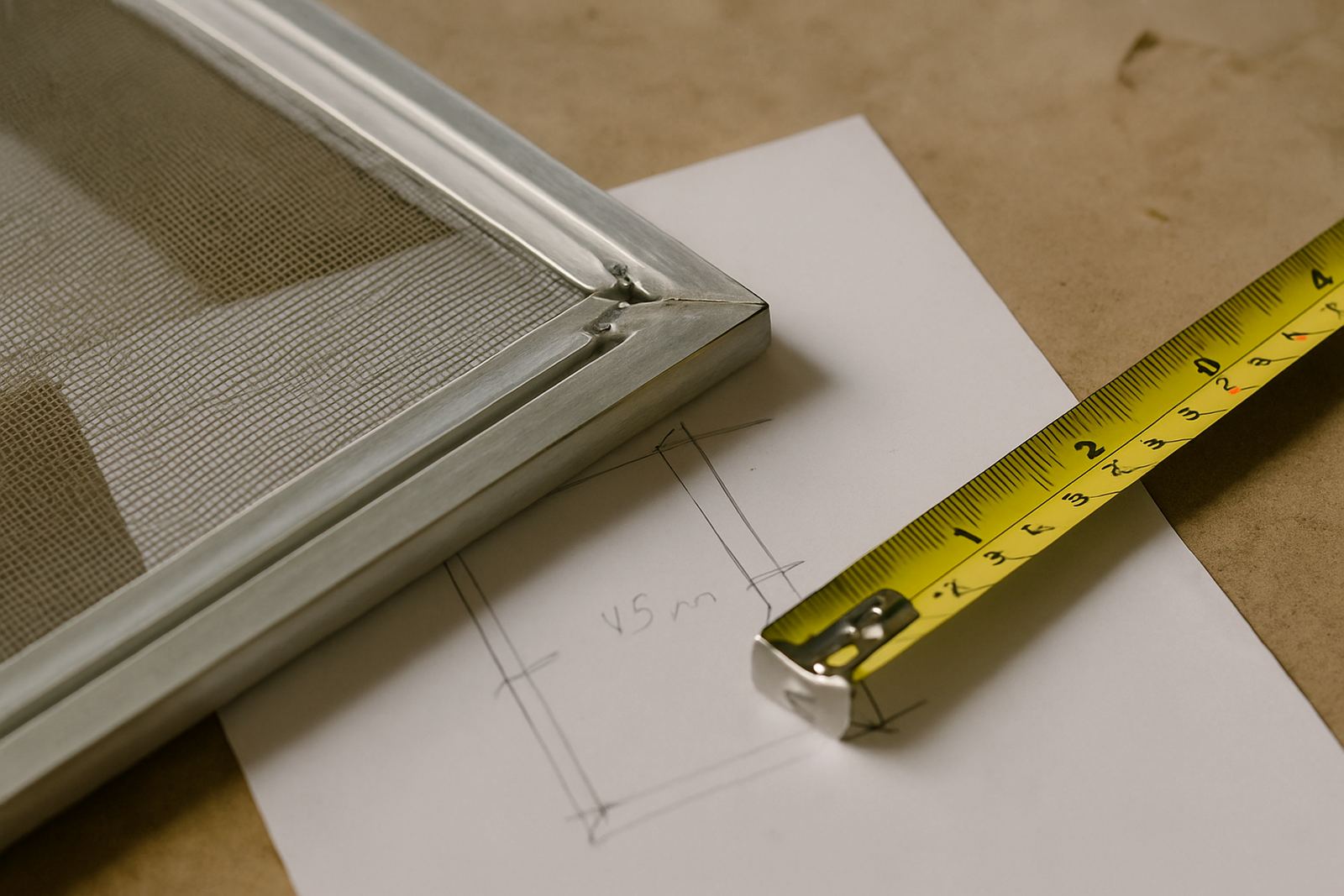
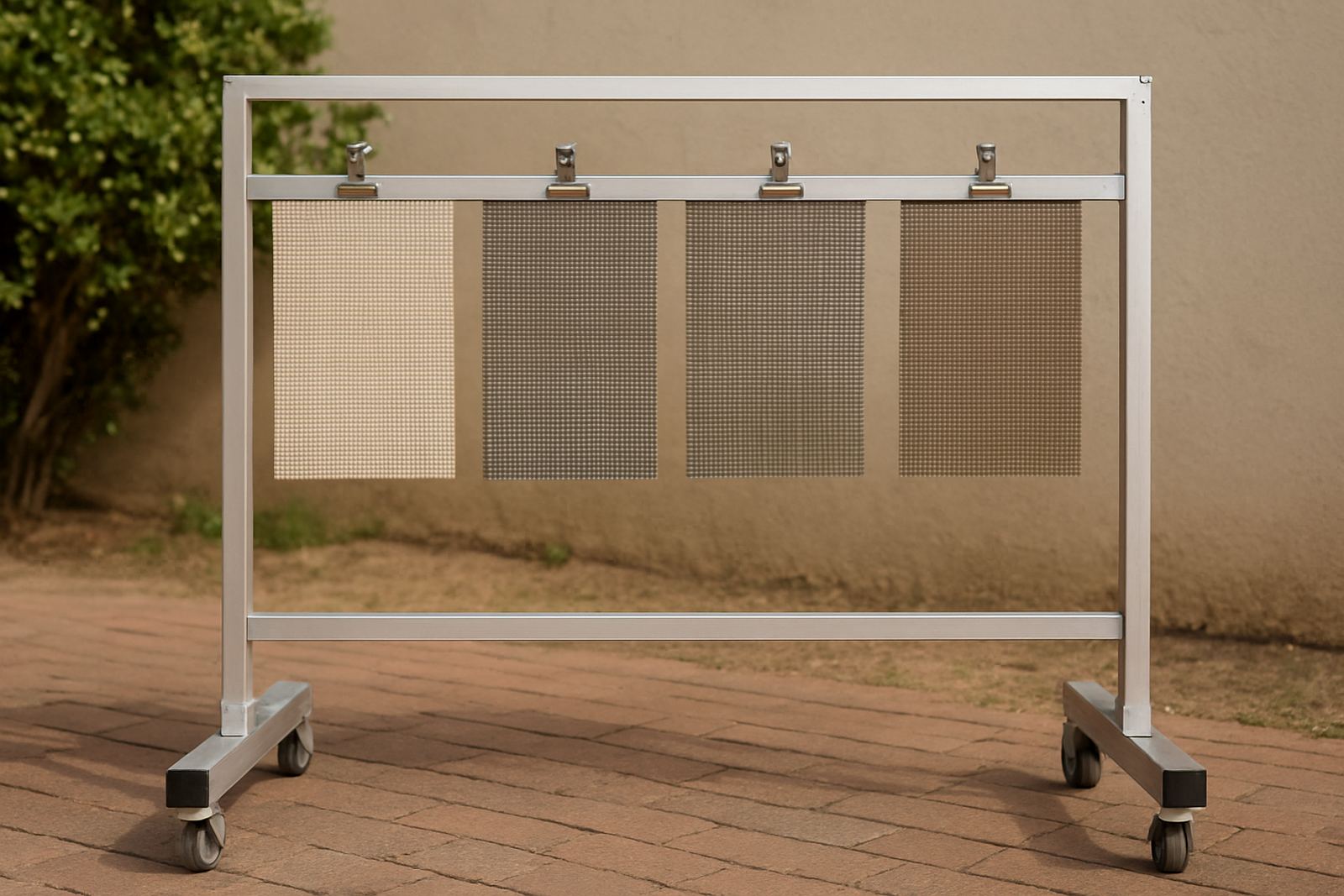
The best mesh is the one that suits your actual use. Fine mesh is good where small insects are the main problem. Standard mesh is the everyday all-rounder. Tougher mesh is for places that need more strength, more safety or more durability. If you are not sure, a proper site measurement and product consultation will save time and avoid the wrong fit.
For homes and businesses across Walmer, Gqeberha and the wider Eastern Cape, it often comes down to balancing comfort, safety and upkeep. A well chosen mesh should let air through, keep pests out and last through daily use without becoming a chore. That is the check that counts when choosing screens for Eastern Cape properties.
When the screen suits the opening, the room feels easier to live in. You notice it when the windows stay open on a warm evening and the insects stay out, or when a door keeps working smoothly after months of use. That is when the right mesh earns its keep.