Start with the rooms you use most
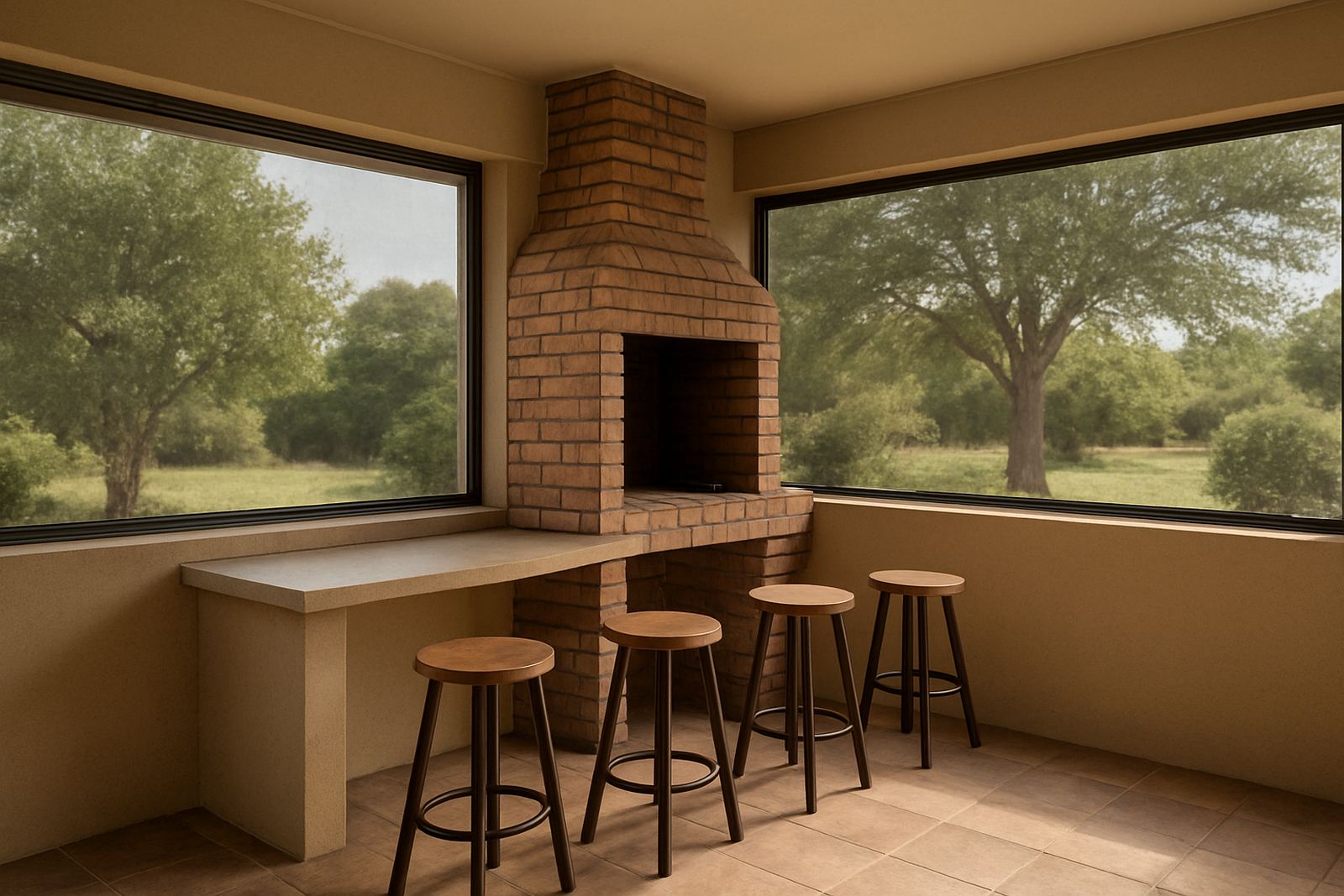
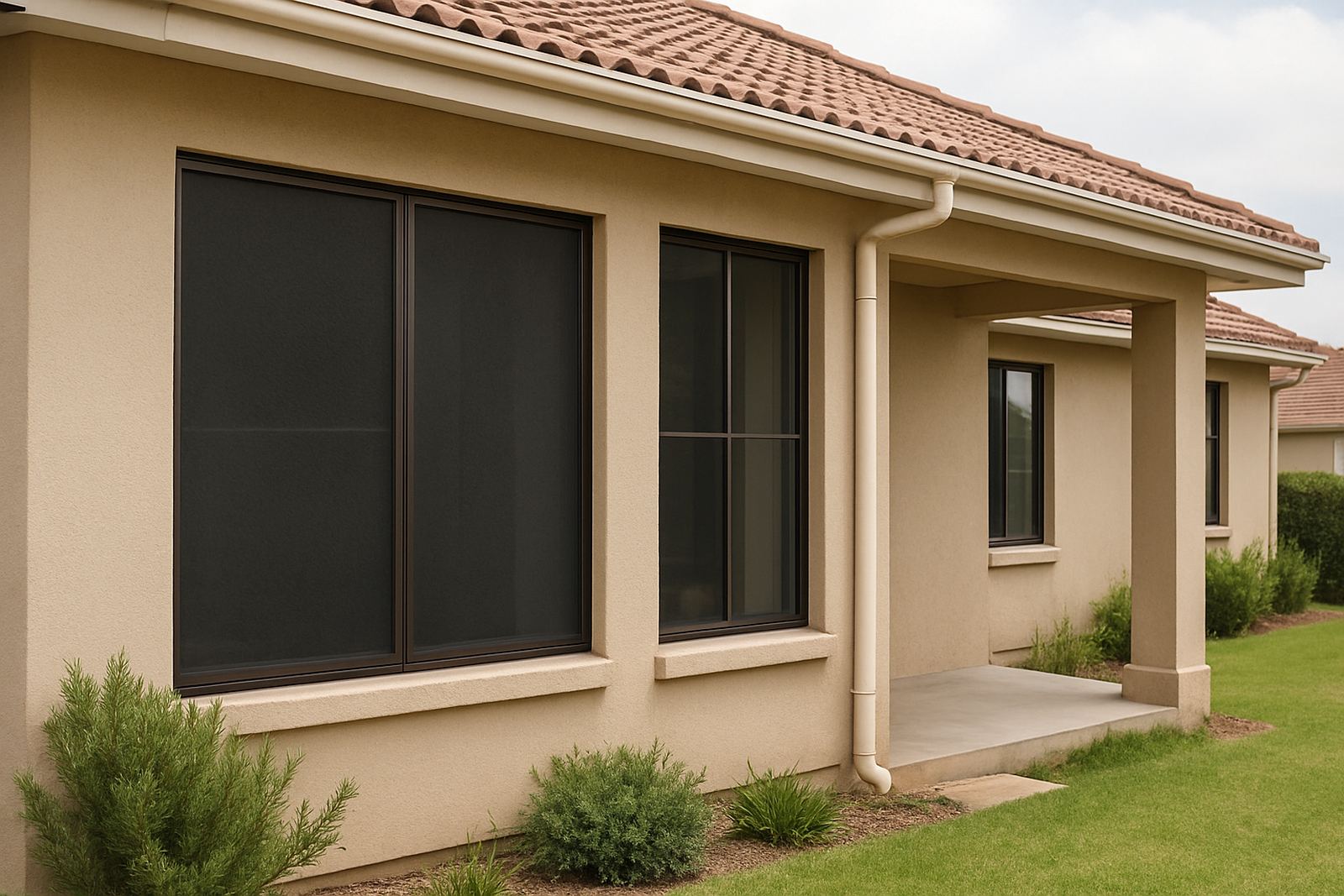
If you are deciding where full-house screening makes sense, begin with the rooms that work hardest every day. Kitchens, bedrooms, living rooms and braai areas usually give the best return because they are open for longer, used more often, and benefit most from fresh air without flies and mozzies coming in. In Walmer and Summerstrand, where sea air and evening breezes are common, these rooms often stay windows-open for much of the year.
Bedrooms are often the first priority in homes with children or light sleepers. If you keep a window open at night, a properly fitted insect screen is a practical fix. In homes near water, gardens, or overgrown boundaries, this can make a big difference without changing the way you use the room.
- Bedrooms with windows open at night
- Kitchens facing bins, drains or plant beds
- Lounges that stay ventilated during hot afternoons
- Patio doors used for braai or entertaining
Where screening pays off less often
Not every opening needs a screen. Some windows are rarely opened, some are too high to reach comfortably, and some rooms get little benefit from added airflow. In those cases, full-house screening can become unnecessary cost without much daily value. It is worth being honest about how a room is actually used, not how you wish it was used.
For example, storerooms, guest rooms that are seldom occupied, and passages with small high-level windows may not justify the same treatment as the main living areas. In commercial premises, some back offices and service areas only need screening on the windows that open for ventilation. The aim is to spend Rand where it changes daily comfort, not on every opening because it sounds complete.
- Windows that stay closed most of the year
- Small high-level openings with limited use
- Rooms with aircon running most days
- Areas where access for cleaning or servicing is difficult
The coastal factor changes the answer
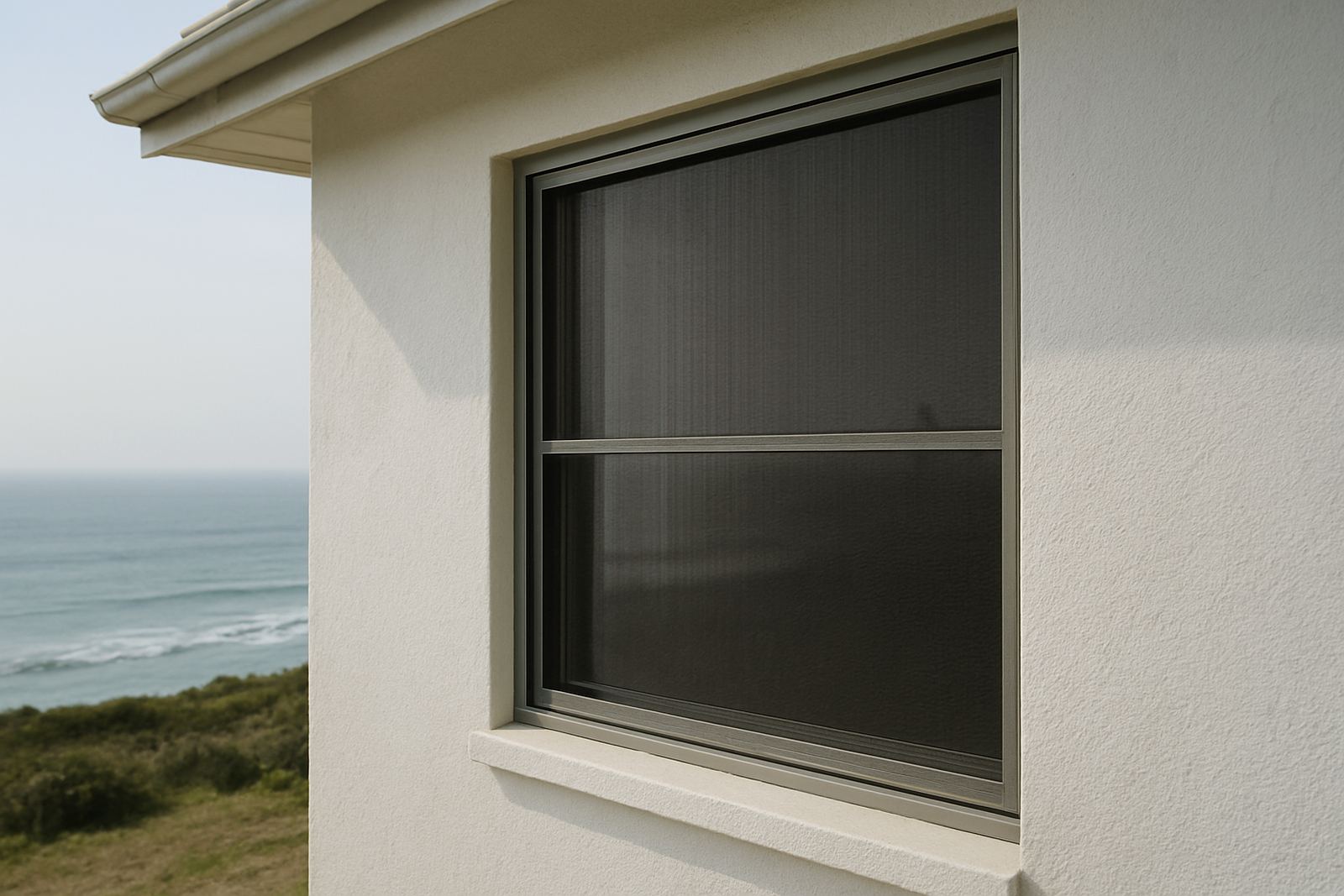
Along the Eastern Cape coast, the decision is not only about insects. Salt air, wind-driven dust and humidity all affect how screens perform over time. In places like St Francis Bay and Jeffreys Bay, the frame finish, mesh type and fixing method matter just as much as the size of the opening. A screen that is poorly chosen for a coastal home can need more attention than one fitted inland.
Coastal properties also have their own habits. Many owners keep windows open to move the air through the house, especially in hot spells or during load-shedding when fans and cooling systems are not doing the job. That is when screening earns its keep. It lets you keep air moving while reducing the number of insects coming through at dusk and after rain.
For homes close to the beach, it often makes sense to screen the rooms that are open most of the day and leave rarely used spaces until later. That gives you a practical starting point and keeps the budget under control.
Security screens are not the same choice as insect screens
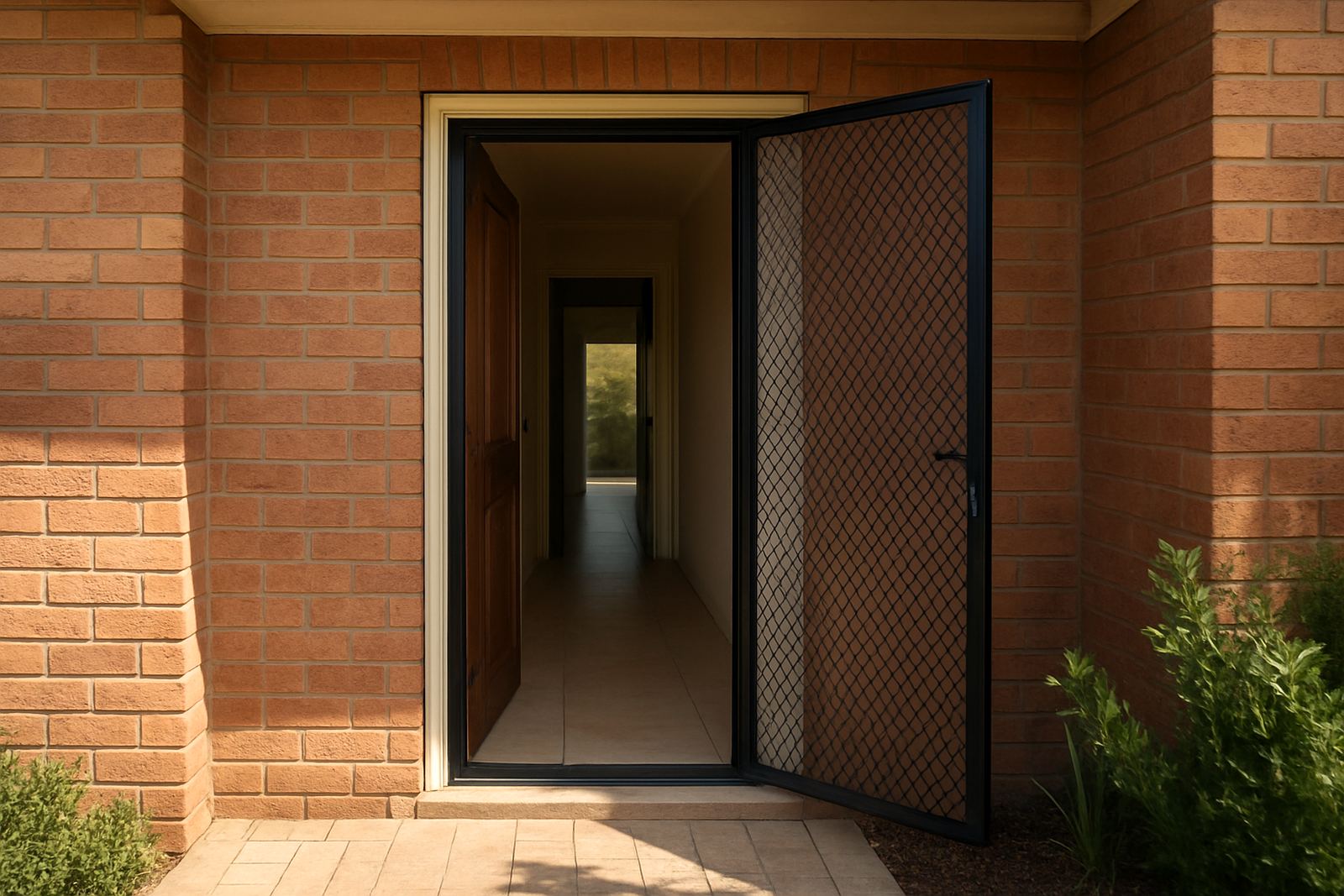
People often talk about screening as if it is one product, but the decision changes when safety is part of the brief. Insect screens are about airflow and keeping pests out. Security screens are built for additional protection on accessible openings, especially ground-floor rooms and doors that face a driveway, boundary wall or public path. The right answer depends on risk, visibility and how the property is occupied.
In Gqeberha suburbs such as Newton Park, Walmer and parts of Uitenhage, some homeowners choose security screens on selected openings only, then use lighter insect screens elsewhere. That is usually more practical than fitting heavy protection everywhere. The key is matching the screen to the opening and the room, rather than applying one approach across the whole property.
A useful rule is simple: if the window needs to stay open for fresh air, screen it. If it also needs a stronger layer of protection, consider a security screen on that opening and leave the rest as insect screening only.
Think about access, maintenance and day-to-day use
Screening works best when it is easy to live with. If a window is awkward to clean, blocked by furniture, or hard to reach for seasonal checkups, that should be part of the decision. Sliding doors, hinged openings, and windows with repeated use all need different hardware and servicing access. A screen that is convenient for a family in Summerstrand may not suit a rental unit in Despatch or a small office in Gqeberha CBD.
Before deciding on full-house screening, ask these practical questions:
- How often is this opening used?
- Does anyone need to reach it for cleaning or fresh air?
- Will the screen need regular track servicing or mesh replacement?
- Is the opening exposed to strong wind, salt air or dust?
If the answer to most of those is yes, the opening is probably a good candidate. If not, it may be better left for later. This is especially true in busy commercial premises where not every office window is opened during the day.
A Gqeberha example: one house, three different choices
A family in Walmer wanted a full-home solution after struggling with insects in summer and early evening wind through the house. On inspection, the bedrooms and kitchen were the clear priorities. The lounge had wide openings used daily, while two spare rooms were only opened when visitors stayed over. The final setup did not cover every opening the same way, and that was the point.
Bedrooms and the kitchen were screened first, because they gave the biggest comfort gain. The lounge received screening on the main openings used most often, while the spare rooms were left for later. That kept the install practical and reduced unnecessary spend. It also meant the family could live with the solution straight away instead of waiting to do every room at once.
That kind of staged approach suits many homes across the Eastern Cape. It is a sensible way to manage budget, improve airflow, and avoid overspecifying windows that are hardly used.
A better plan than full-house or nothing
The strongest approach is usually selective screening with a clear order of priority. Start with the rooms that matter most, then add the rest only when there is a real reason. That way you get the comfort of fresh air, the benefit of fewer insects, and the security or shading you actually need, rather than paying for openings that do not add value.
For homeowners, landlords and small businesses in Port Elizabeth, that usually means one site measure, a proper product consultation, and a plan that fits the property rather than a generic package. It is also easier to maintain over time, because repairs, mesh replacement and seasonal checkups can be handled room by room as needed.
If you are weighing up full-house screening, the question is not whether every window can be screened. It is which windows will genuinely improve daily life, and which ones can wait.