Why open windows still matter in coastal towns
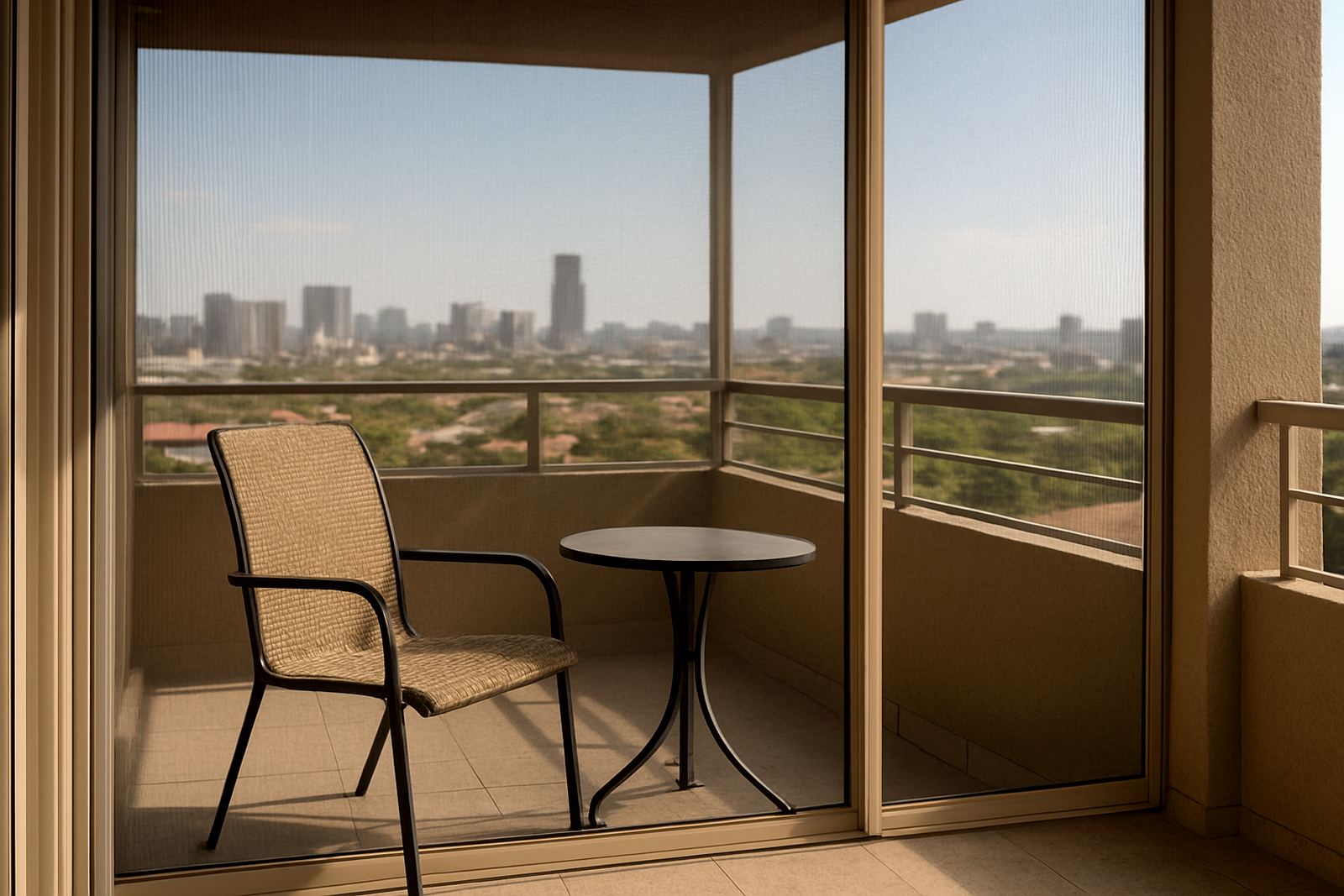
In places like Walmer, Summerstrand and Jeffreys Bay, people want fresh air for most of the year. Sea air helps, but so do warmer evenings, cooking smells, and the simple need to move air through a house without running a fan all night. Insect screens let you keep a window open at 3pm or leave a bedroom ventilated at night without inviting every mosquito inside.
That matters even more in homes near gardens, standing water, or busy verges where flies and moths gather after sunset. It also helps in offices and small commercial spaces that need airflow but cannot keep doors wide open all day. A well-fitted screen is not about making a place feel closed off, it is about keeping openings useful on your terms.
What a screen can do besides stop insects
Many people first ask for insect control, then find the same opening solution helps in a few other ways. A screen can soften glare, reduce wind-driven debris, and create a little more privacy without blocking light completely. On ground-floor rooms it can also slow casual reach-through at a window or patio door, which is useful in busy areas and estate settings.
- Keep flies, mozzies and midges out during the warmer months
- Allow ventilation during load-shedding when aircon and ceiling fans are off
- Make daily living easier in kitchens, bedrooms and enclosed patios
- Support a tidier look than hanging fabric or improvised mesh
For businesses, screens can help reception areas, canteens, and small break rooms stay open to air without turning every opening into a maintenance headache.
Choosing the right screen for the opening
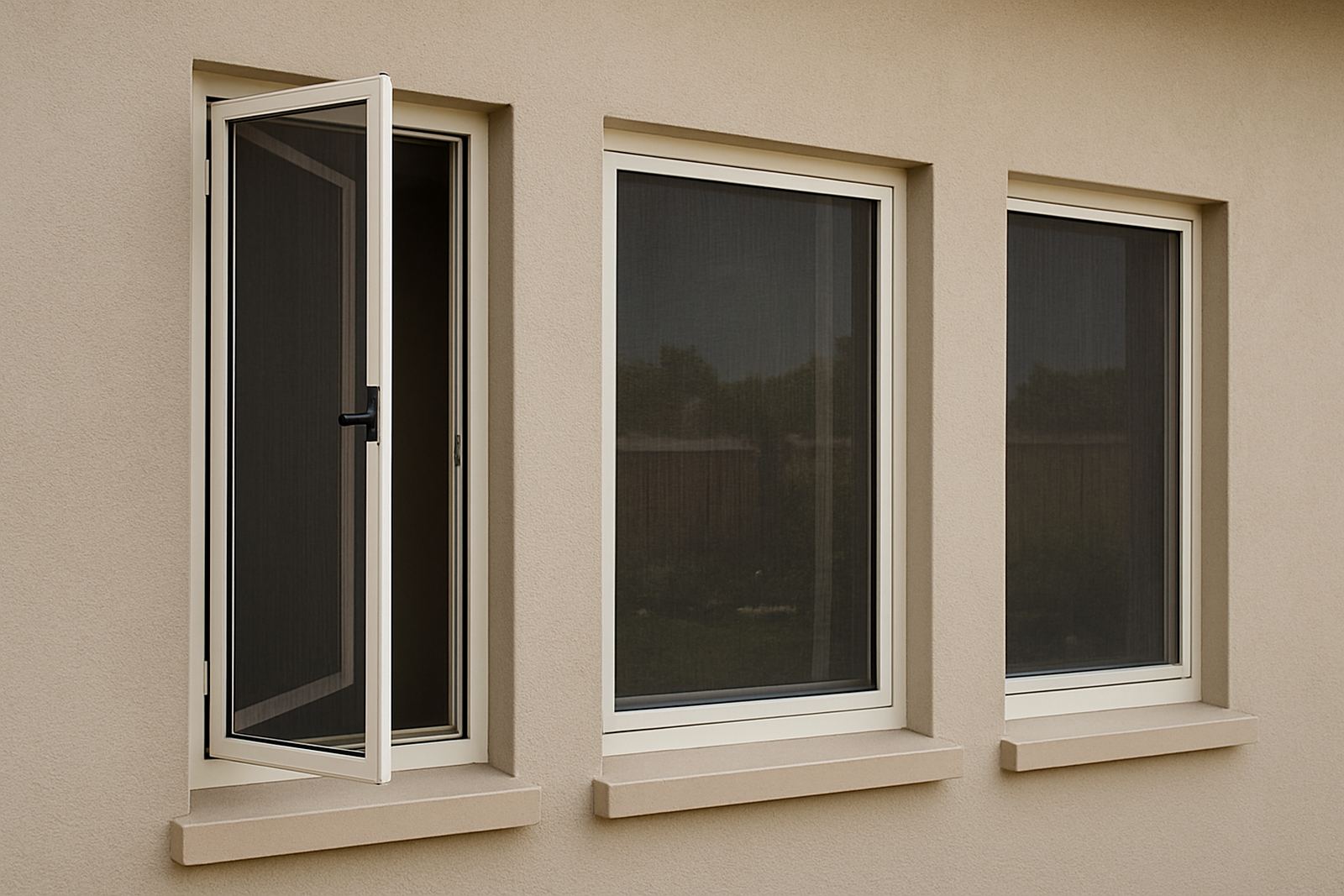
Not every opening needs the same solution. A hinged door to a stoep, a sliding patio entrance, and a bathroom window each need different hardware and different clearances. That is why site measurements matter. A screen that is too tight can scrape, while one that is too loose will rattle in wind and wear faster.
In coastal parts of the Eastern Cape, corrosion resistance is worth paying attention to. Salt in the air can shorten the life of poor fittings, especially on properties close to the beach in St Francis Bay or along exposed streets in Gqeberha. For inland areas like Uitenhage and Despatch, dust, heat, and repeated use are often the bigger issue. Good advice starts with the opening itself, the frame condition, and how often the screen will be used.
- Measure the clear opening, not only the visible frame
- Check how the door or window opens, slides, or locks
- Consider whether children, pets or staff will use it daily
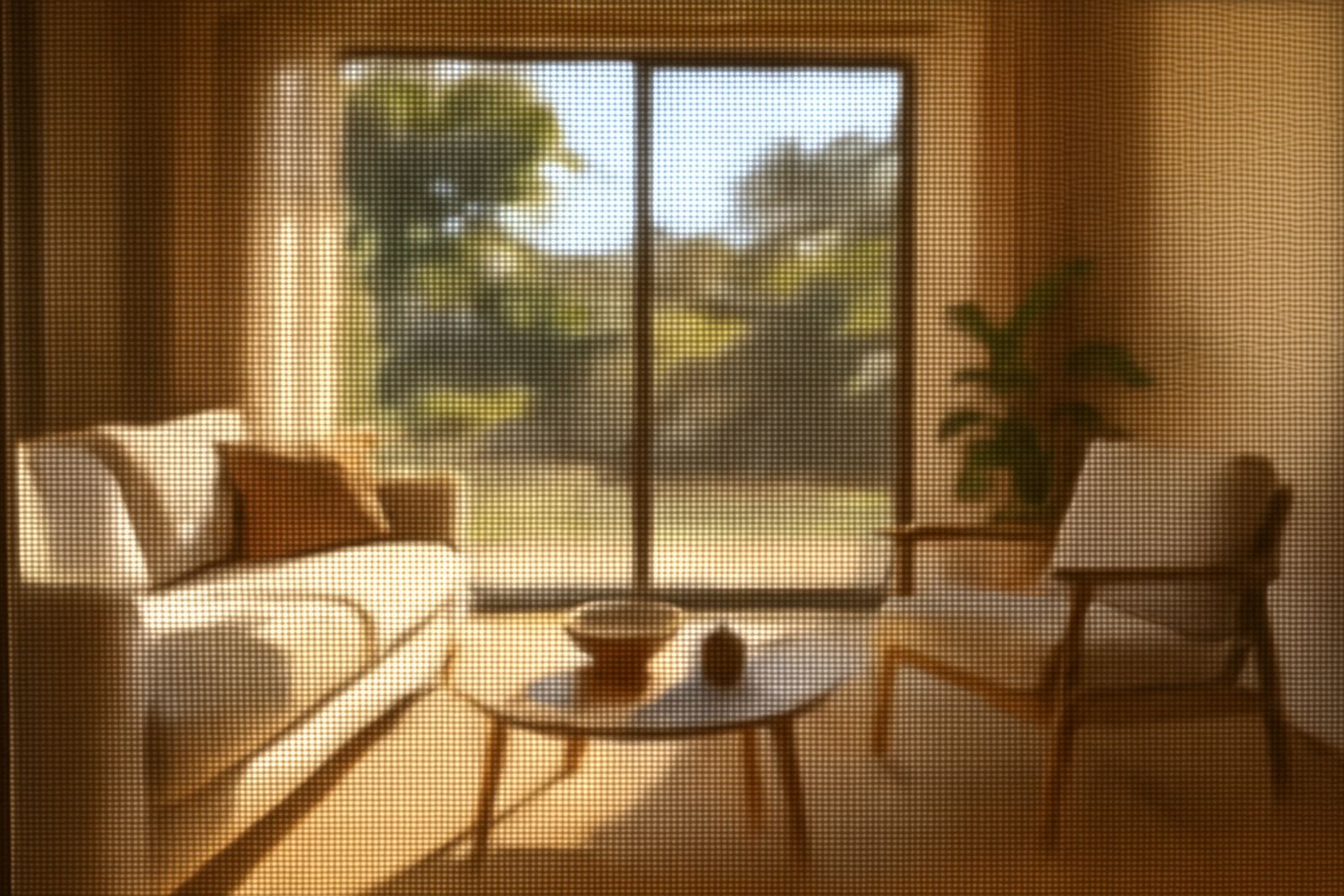
- Match the mesh to the level of airflow and visibility needed
Security screens and comfort can work together
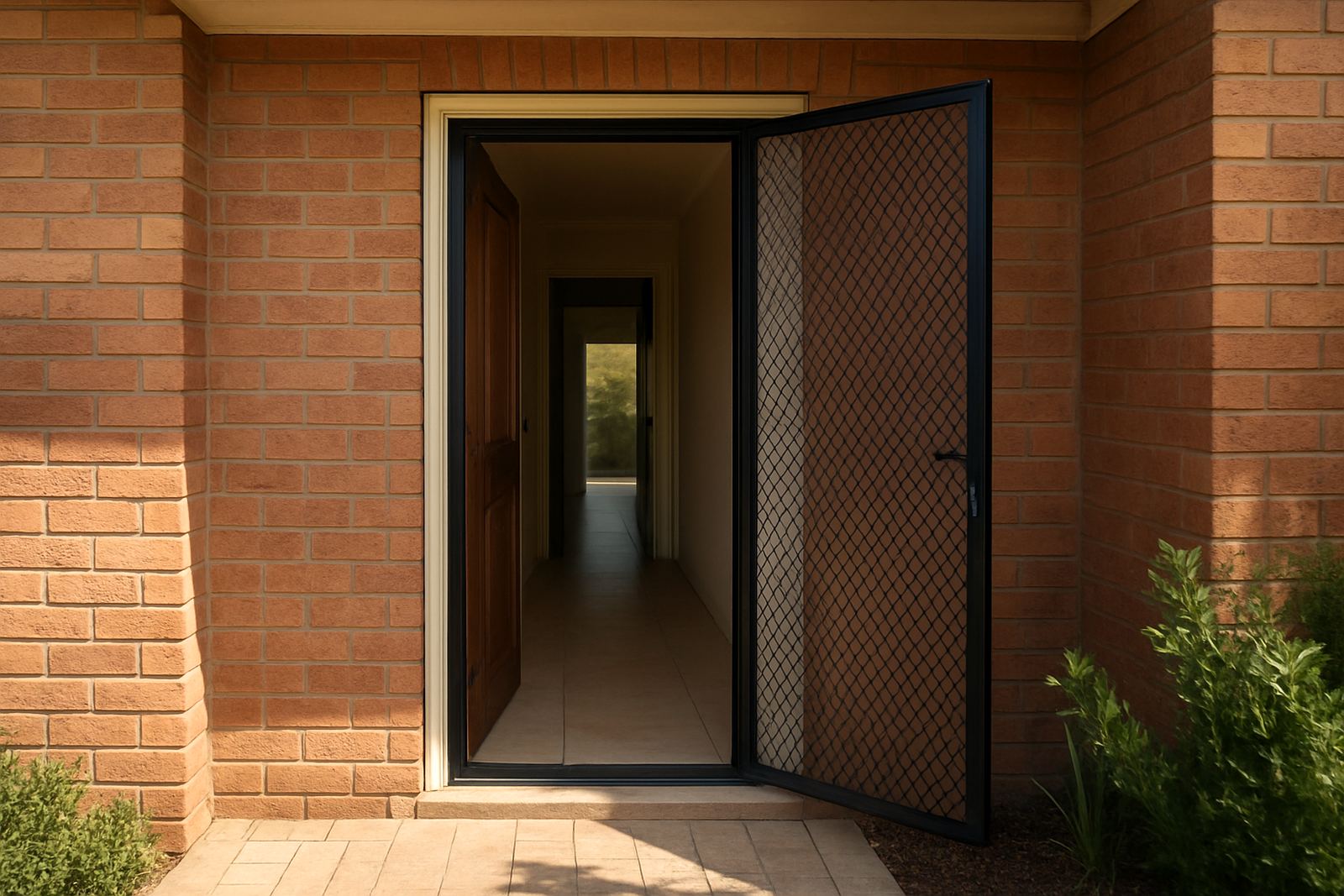
People often think they must choose between a screen that looks neat and one that feels secure. In practice, a properly specified security screen can give a stronger sense of control without making a room dark or stuffy. That is useful for front doors, bedroom windows, and side entrances where you want fresh air but also a visible barrier.
In suburban homes around Newton Park and Walmer, a layered approach often works best. A standard insect screen may suit a kitchen window, while a stronger security screen can be used on a ground-floor opening that stays open in the evening. It is practical to think about the whole property rather than fitting one type everywhere.
A local example from Walmer
A family in Walmer wanted to keep a living room door open to the garden during summer, but they were tired of flies getting in after braais and school sports. They also wanted something tidy enough for daily use, not a temporary fix. After site measurements and a product consultation, a custom screen was fitted to suit the opening and the way the family moved through that doorway.
The result was simple but useful. They could leave the door open for airflow in the afternoon, close up quickly after dark, and spend less time fighting insects at mealtimes. The same property later asked for track servicing on a second opening because the original frame was being used so often. That is usually how it goes, once one opening works well, people start sorting the rest.
Keeping screens working through the seasons
A screen is not a fit-and-forget item. Tracks collect grit, hinges loosen, and mesh can be damaged by pets, wind or rough handling. In coastal towns, that wear can show faster. A seasonal checkup helps catch small issues before they turn into bent frames or a door that no longer closes properly.
For homeowners and estate managers, the useful routine is straightforward: inspect, clean, adjust and replace worn parts when needed. Screen repairs, mesh replacement, hardware replacement, and track servicing all extend service life. For larger properties and estate rollout work, it is better to plan the maintenance cycle early instead of waiting for multiple failures at once.
- Wipe frames and tracks with a damp cloth to remove dust and salt
- Check that handles and latches engage cleanly
- Look for loose mesh corners or damaged seals
- Arrange aftercare support when an opening starts sticking
What to ask before you decide
Before choosing screens for a home, office, or guest property, ask how the opening is used day to day. Is it kept open for airflow, opened only in the evening, or used by many people in and out of the space? That answer guides the right mesh, the frame type, and whether a standard insect screen or a security screen makes more sense.
It also helps to work with a team that handles the full process, from site measurements and product consultations through to custom manufacture and installation. In the Eastern Cape, that practical approach matters because no two properties are quite the same. A screen that suits a townhouse in Summerstrand may not be right for a coastal home in St Francis Bay or a commercial space in the Gqeberha metro, and that is exactly why a measured solution is worth it.