Why light, air and visibility need to work together
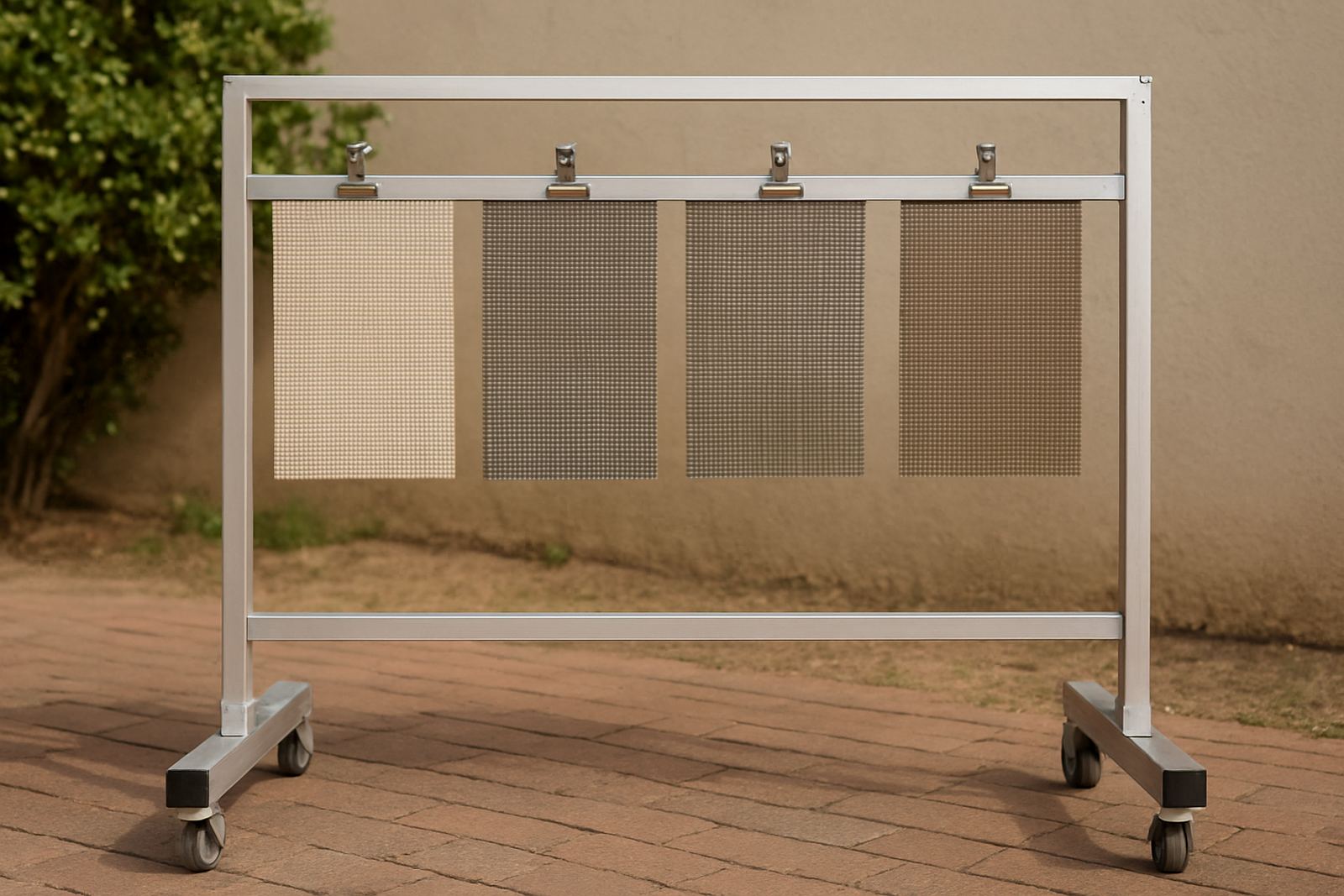
In the Eastern Cape, people want doors and windows open for fresh air but that often means flies, moths and windborne dust come in too. Screens solve part of the problem, yet the type of mesh you choose changes how much daylight, visibility and airflow you get in the room. Fine insect mesh gives better bug control, while a more open weave can improve visibility and reduce the feeling of blockage.
The goal is not to shut the house in. It is to match the screen to how the room is used. A kitchen facing a garden needs a different balance from a bedroom in Walmer or a shopfront in Newton Park. In coastal areas like Gqeberha and St Francis Bay, salt air and humidity also matter, because fittings and mesh need regular care to keep moving properly.
- Fine mesh: better insect control, slightly less light and airflow.
- More open mesh: better visibility, usually a lighter feel in the room.
- Shading solution: cuts glare and heat without making a room dark.
Kitchen and living areas: light without the flies
Kitchens are usually the first place where screens earn their keep. Doors stay open while cooking, kids move in and out, and flies are quick to find food. In these rooms, a screen should disappear as much as possible from daily use. A clean track, correct tension and the right mesh all help. If the screen is too dark or too heavy it becomes a nuisance, and people start leaving it open which defeats the point.
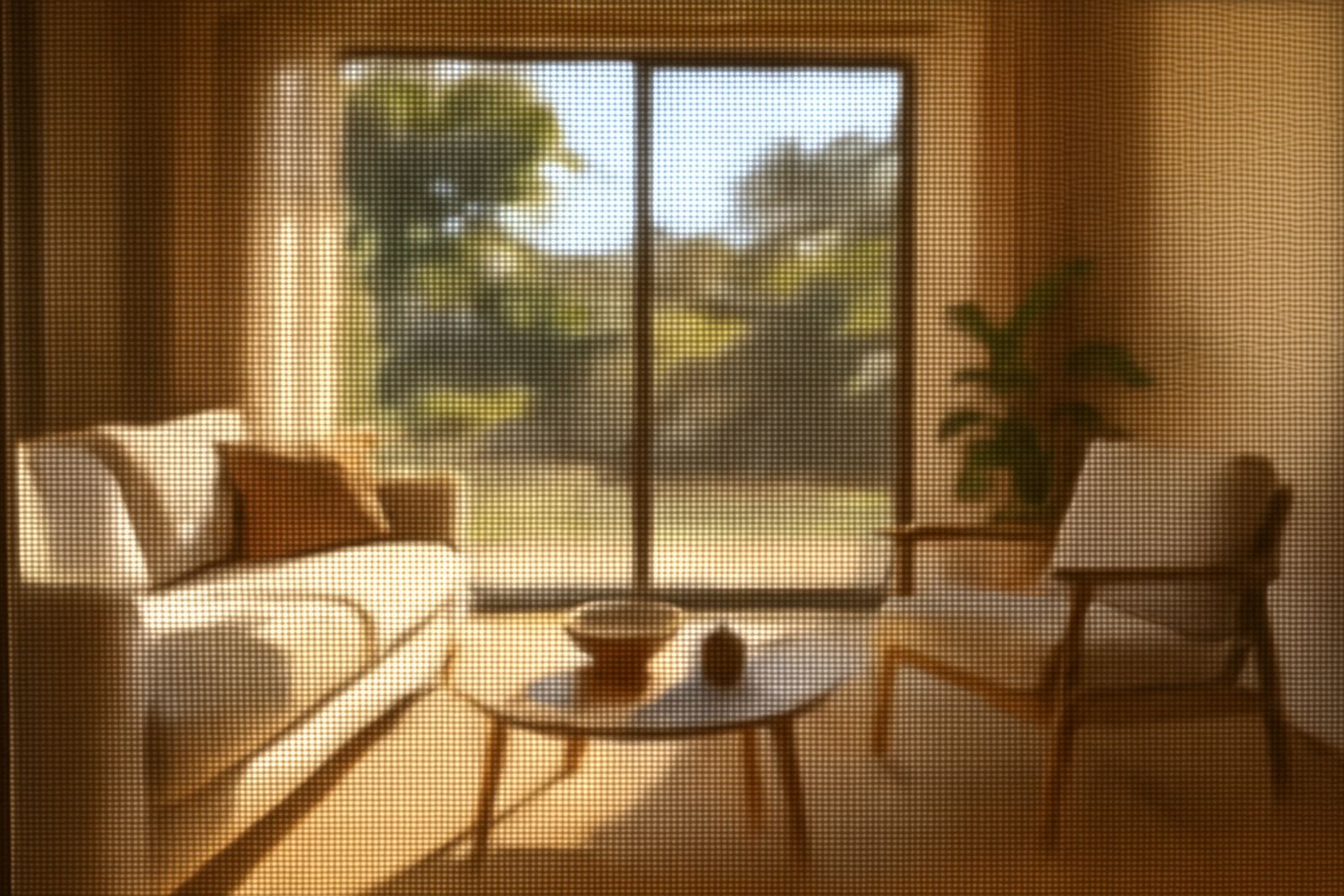
For living rooms, especially where there is a patio or stoep, visibility matters just as much as insect control. Homeowners often want to keep the view over the garden or pool, not block it. We normally guide people to consider how much afternoon sun hits the room, whether the opening is used all day, and if children or pets are likely to push against the screen.
- Use sliding screens where doors are opened often.
- Choose neat frames for lounge openings to keep the line of sight clear.
- Plan for cleaning, because pollen and salt build up faster near the coast.
Bedrooms: privacy, cooler mornings and better sleep
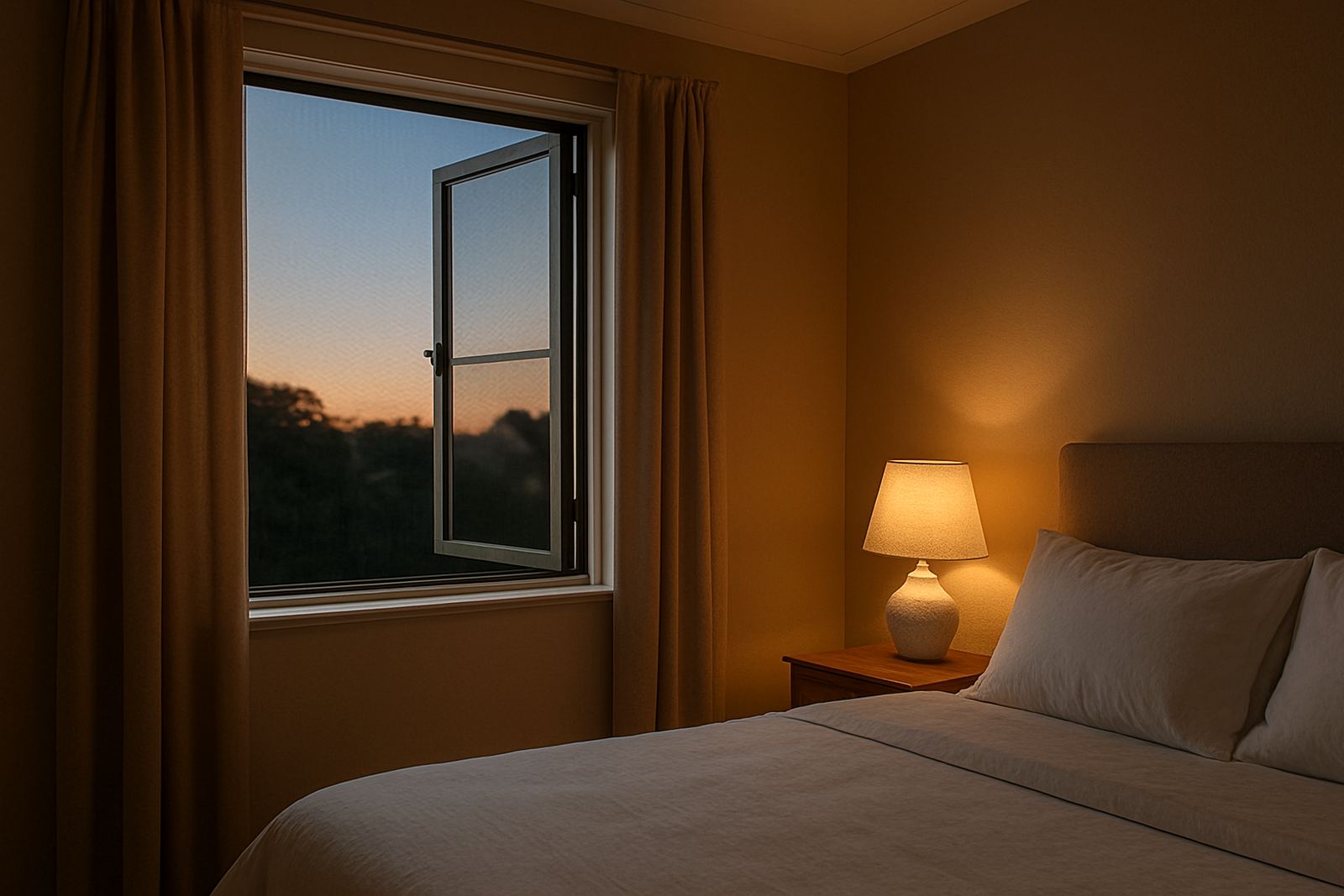
Bedroom screens are about more than keeping mosquitoes out. They also affect early morning light, privacy and how much breeze enters the room at night. In some homes, a lighter mesh is enough because the room already gets good airflow. In others, especially where the bedroom faces a neighbour or street, a combination of screen and shading gives a better result. That way the room stays bright in the day but feels calmer after dark.
For rooms that face east, early sun can wake people too soon. For west facing rooms, late afternoon glare can make the space hot before sunset. A properly selected shading layer can make the room easier to live in without making it gloomy. The trick is to work with the window position, not against it.
- East facing rooms may need softer morning light control.
- West facing rooms often need better afternoon heat reduction.
- Bedrooms with security screens should still open smoothly for ventilation at night.
Bathrooms and utility rooms need practical airflow
Bathrooms and laundry areas are often treated as afterthoughts, but they benefit a lot from the right screen choice. These rooms need airflow to move moisture out, especially in winter when windows stay closed longer. If the mesh is too restrictive, steam and damp can hang around and that can lead to smells or mould on painted surfaces. A screen that allows air movement while still keeping insects outside makes daily cleaning and ventilation easier.
At coastal homes the extra moisture in the air can also affect hinges, locks and small fittings. That is why a seasonal checkup is worth it. A screen that worked well in summer may need track servicing or hardware replacement after a windy winter, and it is better to catch that early than force a stiff panel open every day.
- Good airflow helps reduce moisture build up.
- Bathroom screens should be easy to wipe down.
- Check tracks and rollers after windy or salty months.
Shading for patios, shopfronts and bright workspaces
Shading is where many people notice the biggest difference in comfort. A patio that is pleasant at 9am can be too hot by 2pm, especially in summer. The same goes for small offices, consulting rooms and retail spaces that take direct sun through glass. Shading can soften glare, protect furnishings and make the room easier on the eyes without turning it into a dark box. That matters in places like Summerstrand and Gqeberha where afternoon sun and wind often arrive together.
Commercial clients often want a cleaner front view with less heat on staff and customers. Homeowners usually want privacy in the evenings and less fading on timber floors, soft furnishings or artwork. The right product depends on use, wind exposure and how often the area is opened. It is also worth checking estate rules or municipal requirements where screens affect the outside look of the property.
- Patios need shade that handles wind and daily use.
- Street facing offices may need privacy without blocking daylight.
- Choose fittings that can be serviced rather than replaced often.
A Walmer example: one home, three different needs
A typical Walmer home may have a kitchen door to the courtyard, a bright lounge facing the garden and bedrooms that need privacy at night. The kitchen may suit a finer insect screen, the lounge may call for a clearer viewing option, and the bedrooms may need a more careful balance between light and privacy. If the family also leaves for holidays, stronger security screens can be added to selected openings without changing the whole house. That approach keeps the budget under control and avoids overdoing it.
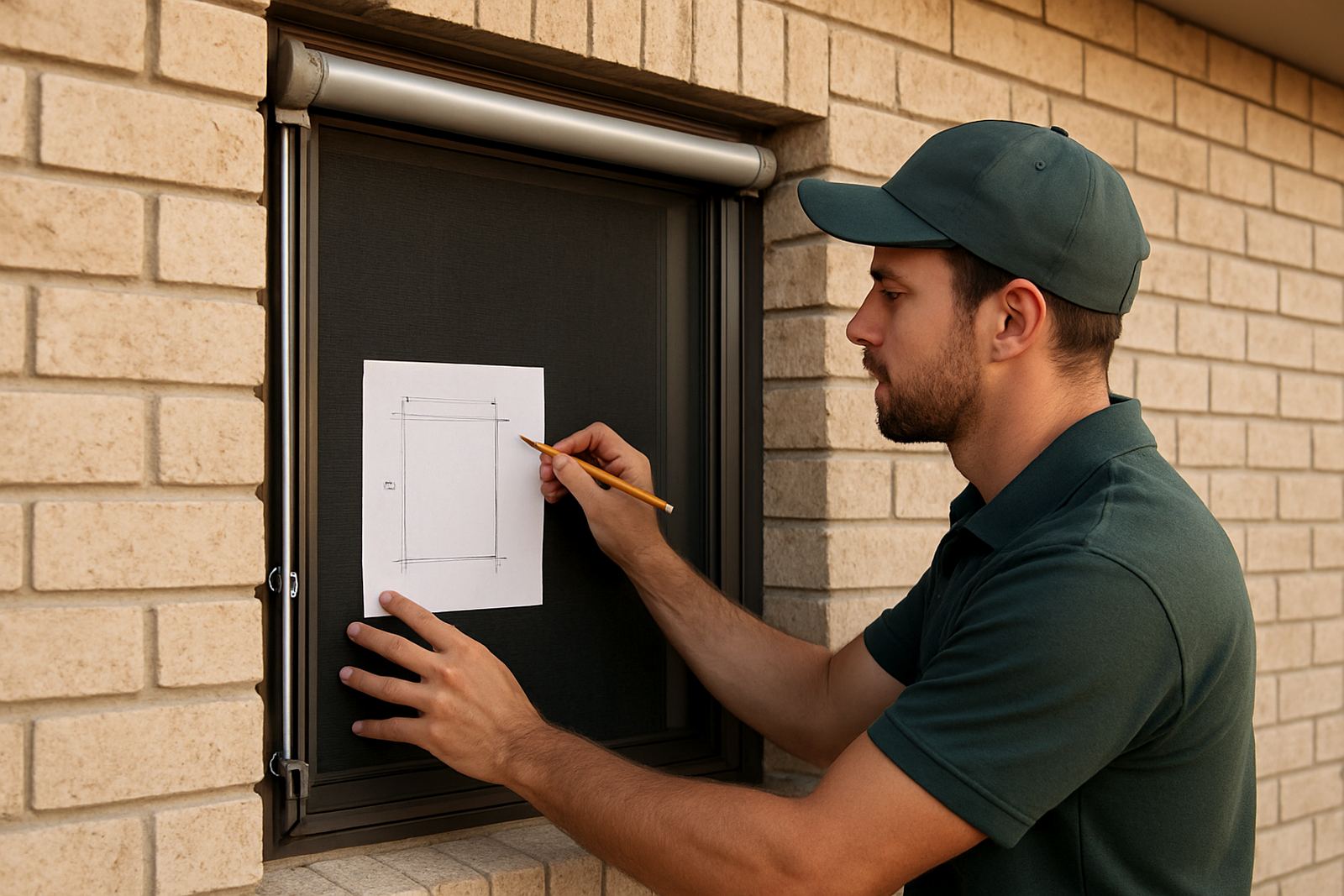
This is where site measurements and product consultations matter. A screen that looks fine on paper can behave differently once it meets a windy site, uneven plaster or an older aluminium frame. Custom manufacture lets the solution fit the opening properly, which means better function and fewer service calls later on.
- Not every room needs the same mesh or shading level.
- Older openings often need careful measuring before manufacture.
- Custom fitted screens usually look tidier and work better long term.
What to ask before you choose a screen
Before selecting a screen, ask how the room is used from morning to night. Think about light, privacy, airflow, security and cleaning. A family home in Despatch will not have the same needs as a guest unit in Jeffreys Bay or a shop in Uitenhage. If you know which room gets the most sun, which opening gets used daily and where the insects are worst, you can make a better choice from the start.
Good advice should also include aftercare. Screens last longer when tracks are kept clean, mesh is checked for damage and small faults are repaired early. In the Eastern Cape, that practical upkeep makes a real difference because wind, salt and load-shedding all affect how often openings are used. A screen should make daily living easier, not become another thing to struggle with.
- Ask about visibility before choosing mesh density.
- Check if the room needs shade, security or only insect control.
- Find out how repairs, mesh replacement and servicing are handled later.