Why coastal conditions change the brief
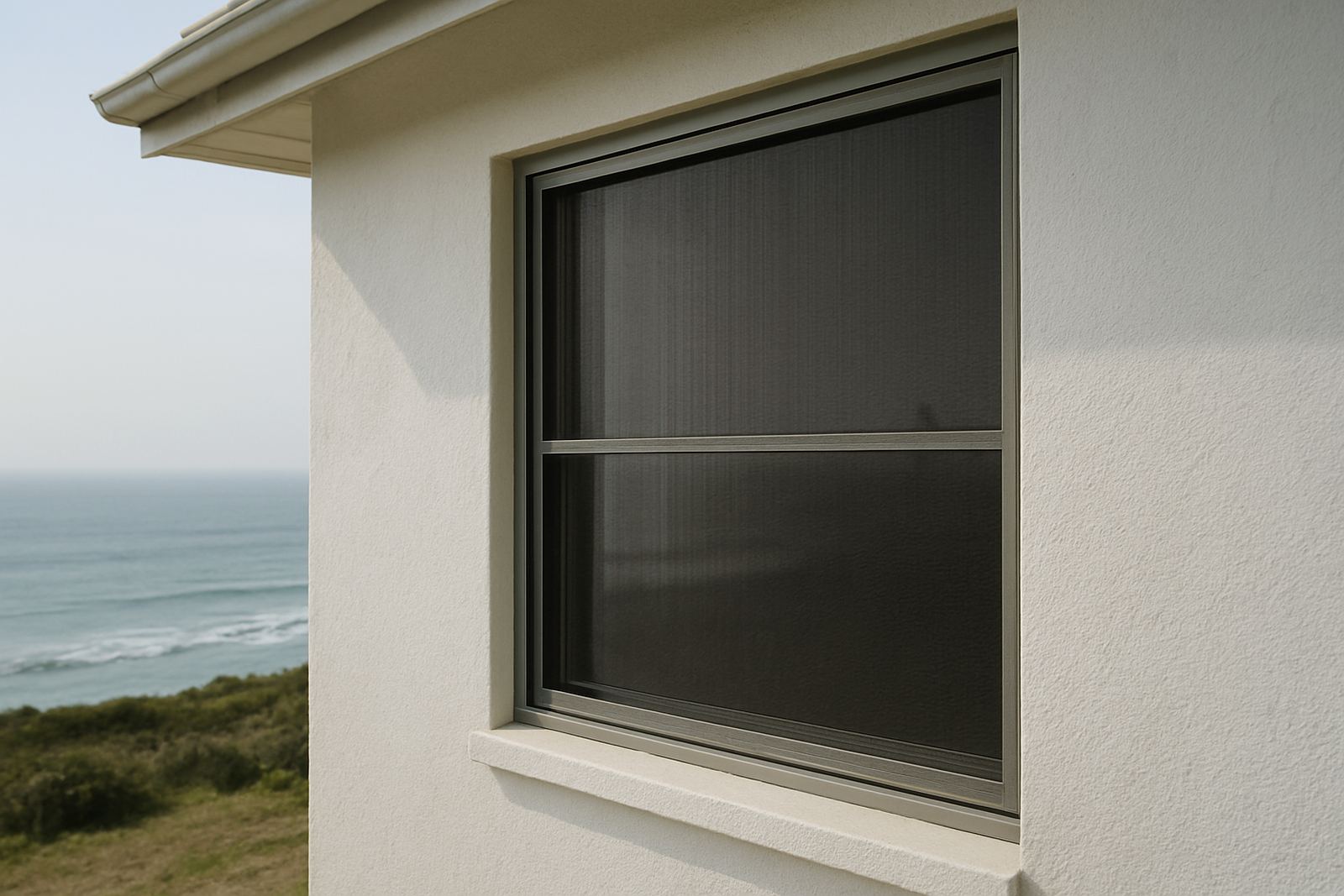
Homes and businesses near the sea face a different kind of wear. Salt in the air settles on frames and moving parts, wind pushes on larger openings, and humidity can leave cheaper fittings sticky or corroded quicker than expected. What looks fine in a showroom can start rattling, staining or sagging after a single season if it is not suited to the coast.
That is why coastal screen selection is not only about keeping insects out. It is also about frame material, fixing method, mesh strength and how easy the unit is to clean. In places like Walmer, Summerstrand and St Francis Bay, you want a screen that handles daily use without creating extra maintenance work.
- Choose corrosion-resistant hardware for salty air.
- Check that the screen can handle wind pressure on exposed openings.
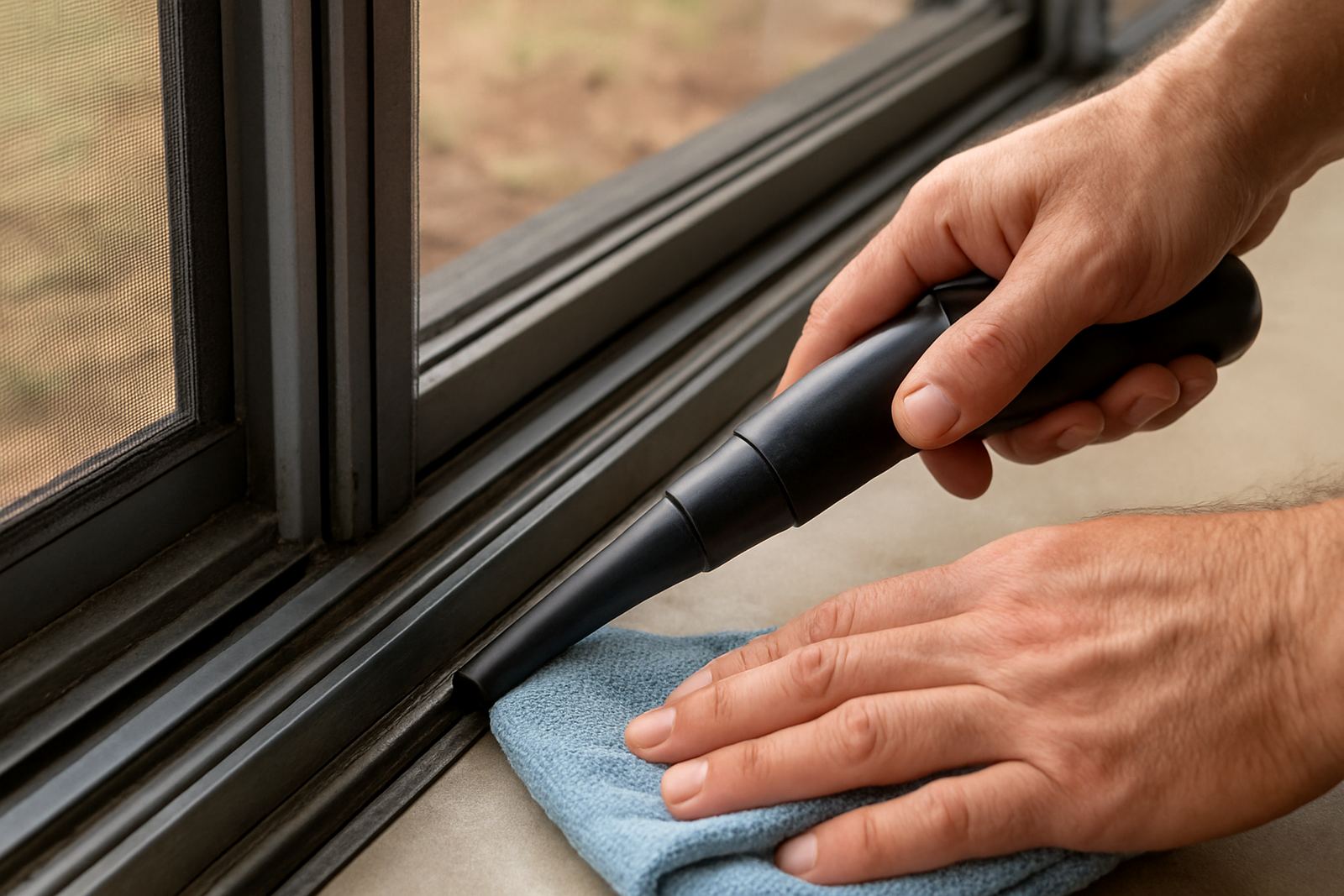
- Allow for regular washing to remove salt build-up.
- Make sure the finish suits coastal humidity and sun.
Insect screens that still breathe in salty air
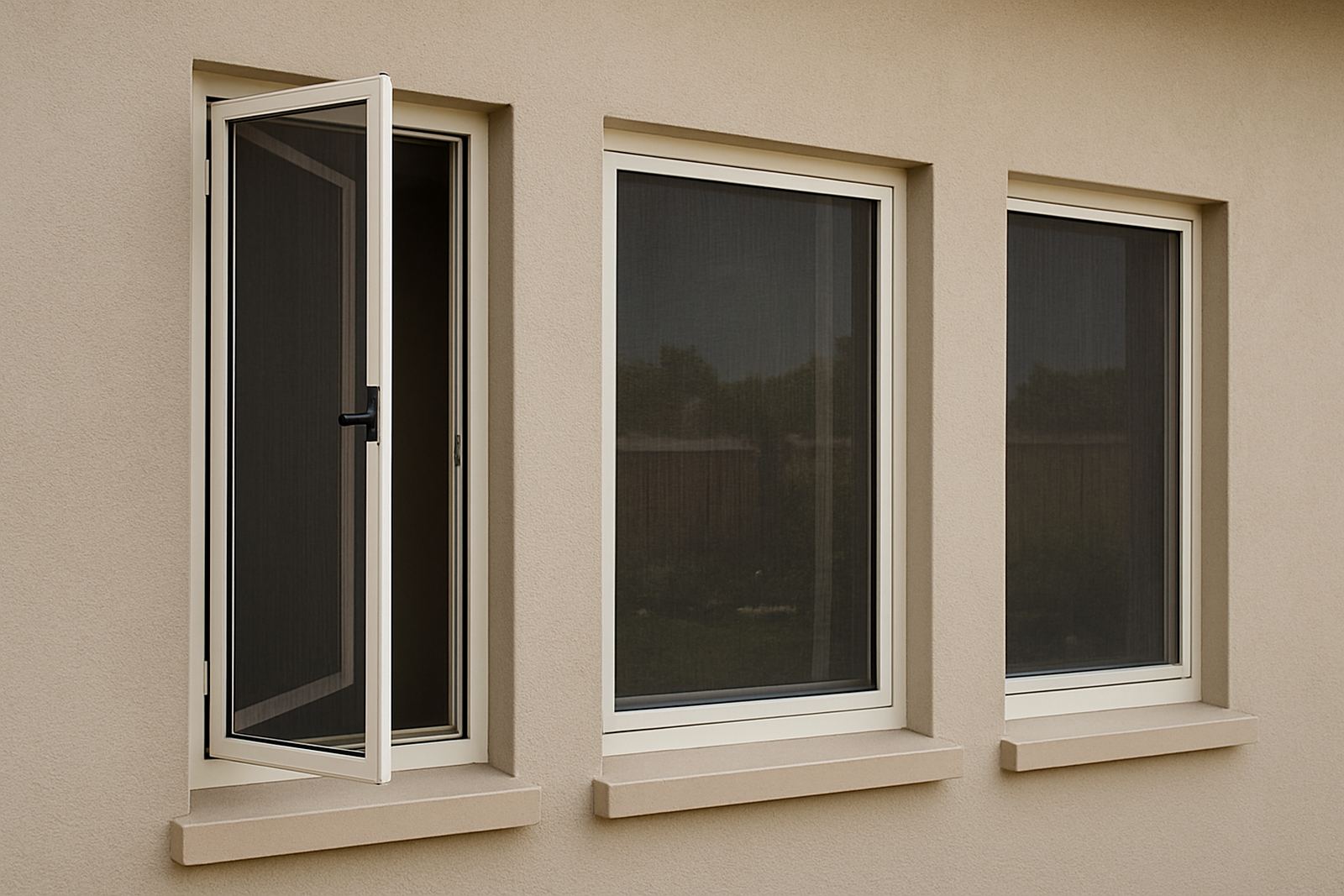
For insect control, the first question is airflow. Coastal homes often rely on open windows and doors to move air through the house, especially when the power is off and fans are not running. A good insect screen should reduce mozzies and flies without making the room feel closed in.
Fine mesh works well for smaller insects, but it must be matched carefully to the opening and the local conditions. If the mesh is too delicate, it can crease or loosen over time. In a windy spot, a well-fitted frame with proper tension matters just as much as the mesh itself.
- Ask for mesh suited to your insect problem, not just the standard option.
- For sliding doors, check the track can stay clear of sand and grit.
- Where windows are opened often, easy removal for cleaning is useful.
- In coastal kitchens and patios, darker mesh often gives a clearer outward view.
Security screens for doors, windows and patios
Many Eastern Cape homeowners want one solution that handles both security and ventilation. Security screens can do that, but only if the frame, locking points and mesh type are designed for real use. A screen must be strong enough to slow forced entry, yet easy enough to operate every day without becoming a nuisance.
For coastal properties, the best security screen is usually the one with fewer exposed metal parts and a finish that can tolerate sea air. If the property is in a managed estate, there may also be rules around colour, opening style and visible hardware, so it helps to check before ordering. On commercial sites in Newton Park or near busy streets in Gqeberha, secure screens can also reduce after-hours wear on glazed doors and opening panels.
- Confirm whether the screen is for burglary resistance, insect control or both.
- Check lock operation with one hand, especially for family homes and staff areas.
- Ask how the screen handles repeated opening and closing every day.
- Make sure the finish suits estate or body corporate requirements.
Shading that cuts glare without trapping heat
Coastal shading has a different job from inland shading. It has to manage bright sun, reflected light from water and paving, and afternoon heat, but it should not block all the breeze. In a place like Jeffreys Bay or along exposed parts of St Francis Bay, the right shading can make a patio usable for longer without turning it into a hot box.
Exterior shading usually performs better than trying to fix heat inside the room later. It reduces glare before it enters the glass, which can help with cooling costs and comfort during summer. For shops and offices, shading can also protect stock and fittings from harsh afternoon sun. The point is not to darken the space completely, but to control light in a way that still feels open.
- Choose shade levels based on orientation, north, west or south facing.
- Look at wind exposure before choosing larger shaded areas.
- Consider how the shade will sit against salt spray and coastal dust.
- Think about whether the space needs morning light or afternoon privacy.
What matters in frames, mesh and hardware
The visible part of a screen matters, but the parts you do not notice often decide how long it lasts. Coastal frames should be stable, neatly finished and able to cope with regular cleaning. Hinges, handles, rollers and fasteners must be suitable for damp air, otherwise the screen starts sticking or discolouredn around the edges. A good install also needs accurate site measurements, because even a small error can leave a gap where insects or dust get through.
Mesh choice depends on use. Some openings need maximum airflow, while others need tighter mesh for smaller pests or added security. The hardware should match the load of the screen and the way the opening is used, not just the size of the aperture. In practice, a well-made product with proper fitting often outlasts a heavier looking one that was rushed into place.
- Ask what fasteners are used in salty or damp positions.
- Check that moving parts can be serviced, not just replaced.
- Make sure the mesh can be cleaned without distortion.
- Inspect the finish on corners, joins and edges where corrosion starts first.
A local example from a Walmer home
A typical coastal job in Walmer might involve a family home with opening windows facing sea wind, a patio door used daily, and a need to keep the house cool without leaving it open to insects. In that setting, a mix of insect screens and security screens can work better than one blanket solution. The kitchen may need easy airflow, the lounge may need a clearer view, and the main door may need tougher locking points.
We often see that the right answer is practical, not dramatic. Measure each opening properly, choose the screen type by use, and plan for maintenance from day one. That can mean seasonal checkups, mesh replacement after wear, or track servicing where sand and salt have affected the rollers. For estates and multi-unit properties across Gqeberha and the Eastern Cape, staged rollout also helps keep the work tidy and manageable.
- Start with the openings that get the most wind or the most use.
- Include aftercare so the screens keep operating smoothly.
- Use custom manufacture where standard sizes leave gaps.
- For larger homes or businesses, plan installation in phases if needed.
The best choice is the one that keeps working
Coastal screens are not judged only on day one. They need to keep opening, locking, sliding and breathing after months of salt, sun and wind. That means matching the product to the property, the location and the way people actually use the space. A screen that suits a quiet inland suburb may not last long on an exposed coastal stoep.
If you are comparing options in Gqeberha, Walmer, Summerstrand, Uitenhage, Despatch or along the coast, focus on the details that affect long-term use. Solid measurements, suitable hardware, honest advice and proper aftercare are usually what separate a decent result from one that becomes a headache later. The right screen should make daily living easier, not add another maintenance job.