Why a clean track keeps screens working properly
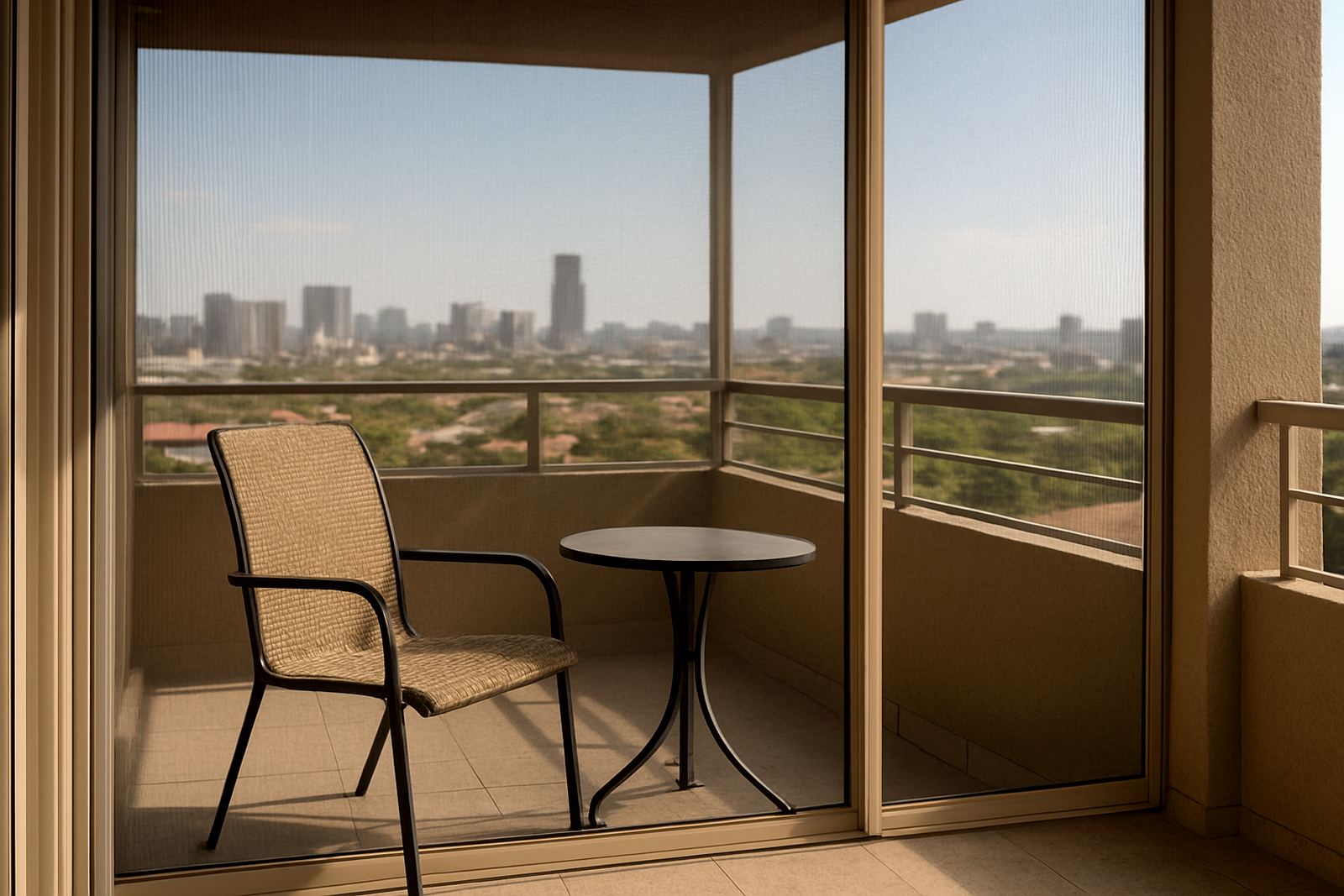
Track maintenance is one of those tasks that often gets ignored until a screen starts sticking, skipping or scraping. A track that is full of sand, dust, pet hair or small bits of rust puts extra strain on the rollers and the frame, and that strain builds up over time. On coastal properties in Walmer, Summerstrand and Jeffreys Bay, salt in the air can also settle on metal parts and make the problem worse if it is left alone for too long.
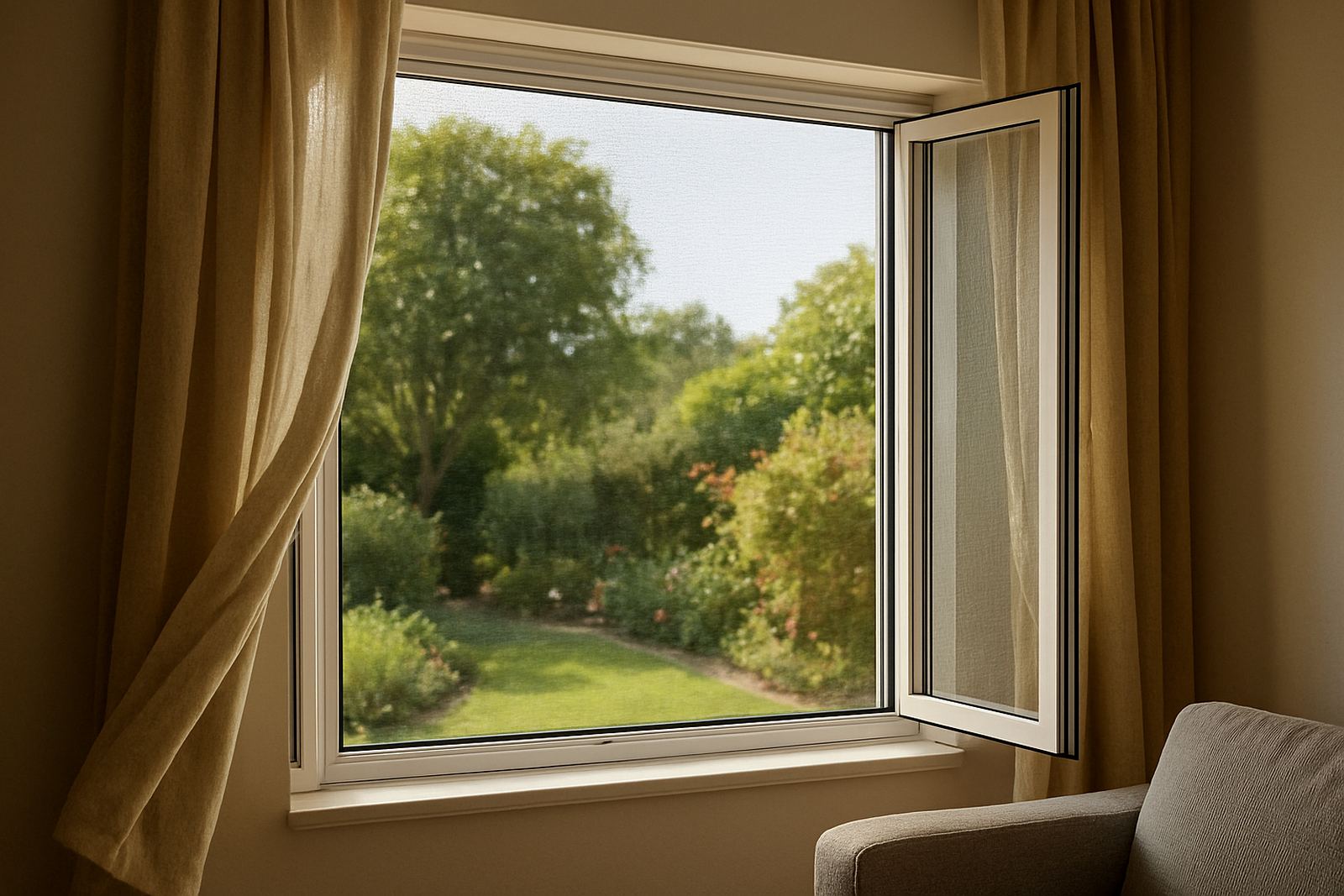
When tracks are kept clear, the screen moves with less effort and closes squarely every time. That means less wear on the mesh, fewer service callouts and a longer service life for the full system. It also helps with safety because a security screen that does not run properly can be harder to lock and easier to force open. Small maintenance now can prevent a bigger repair later, and it usually takes far less time than people expect.
- Less friction on rollers and guides
- Cleaner closing action and better alignment
- Lower chance of bent hardware or torn mesh
- Improved lock engagement on security screens
What usually clogs screen tracks in coastal homes and businesses
In Gqeberha, track problems often come from ordinary daily life. Fine dust from roads, windblown grit, dog hair, insect bodies and even crumbs from kitchen areas can gather in the bottom rail. In a busy business premises, staff and customers walking in and out also bring in more dirt than expected. Near the coast, a little moisture mixed with salt can make that dirt stick harder and form a gritty layer that drags along the track.
We also see tracks affected by paint flakes, building dust after renovations, and tiny stones from paving joints. In some cases, the track is not the main issue at all, it is a minor bend caused by someone forcing the screen when it was already clogged. That is why a proper check is useful. It is not only about cleaning, it is about spotting the reason the screen started to misbehave in the first place.
- Dust and sand blown in from outside areas
- Salt residue in coastal suburbs and holiday homes
- Hair and lint from pets and foot traffic
- Construction dust after alterations or repairs
Signs your screen tracks need attention
You do not have to wait until the screen jams completely. There are a few warning signs that usually show up first. If a screen starts to feel heavy, if it leaves a gap at one side, or if the closing action has become jerky, the track may need clearing or servicing. A squeak, grind or click is another clue that something is rubbing where it should not.
Another common sign is visible wear on the bottom edge of the frame or roller path. If a screen has to be lifted or pushed harder than normal just to close, that should not be treated as normal. In homes with children or older people, this can become more than an inconvenience because a sticky screen is harder to use day to day. In commercial settings, it can slow access and create a poor first impression for clients and staff alike.
- Screen sticks halfway or jumps in the track
- Visible dust line or grit at the base of the channel
- Noise when opening or closing
- Uneven closing or a small gap after shuting
How routine track servicing protects rollers, locks and frames
Track servicing is not just a quick wipe and go. A proper service should include cleaning the full length of the track, checking for bends, checking roller condition and making sure the screen sits properly in the channel. If the rollers are damaged or worn, cleaning alone will not solve the issue for long. The same applies to loose screws, worn stops and hardware that no longer keeps the frame true.
In many cases, a small adjustment during servicing can save the frame from unnecessary wear. The cleaner the track, the less force is needed to move the screen, and that directly reduces stress on the moving parts. It is a practical way to protect the investment you have already made. For properties that use screens daily, regular servicing is often cheaper than waiting until a roller fails or the mesh tears from repeated dragging.
- Clean out dirt before it grinds into moving parts
- Check rollers, guides and stops for damage
- Spot loose hardware before it causes movement issues
- Keep screens running square for easier locking
A practical maintenance routine for homes, estates and shops
For most properties, a light clean every few weeks is enough to keep tracks in good shape, with a more careful check every season. In very sandy areas or homes close to the beach, monthly attention can make sense. Business premises, estates and rental units often need a regular schedule because there is more use and more foot traffic. Seasonal checkups before the hot months or before holiday occupation can prevent a run of complaints later on.
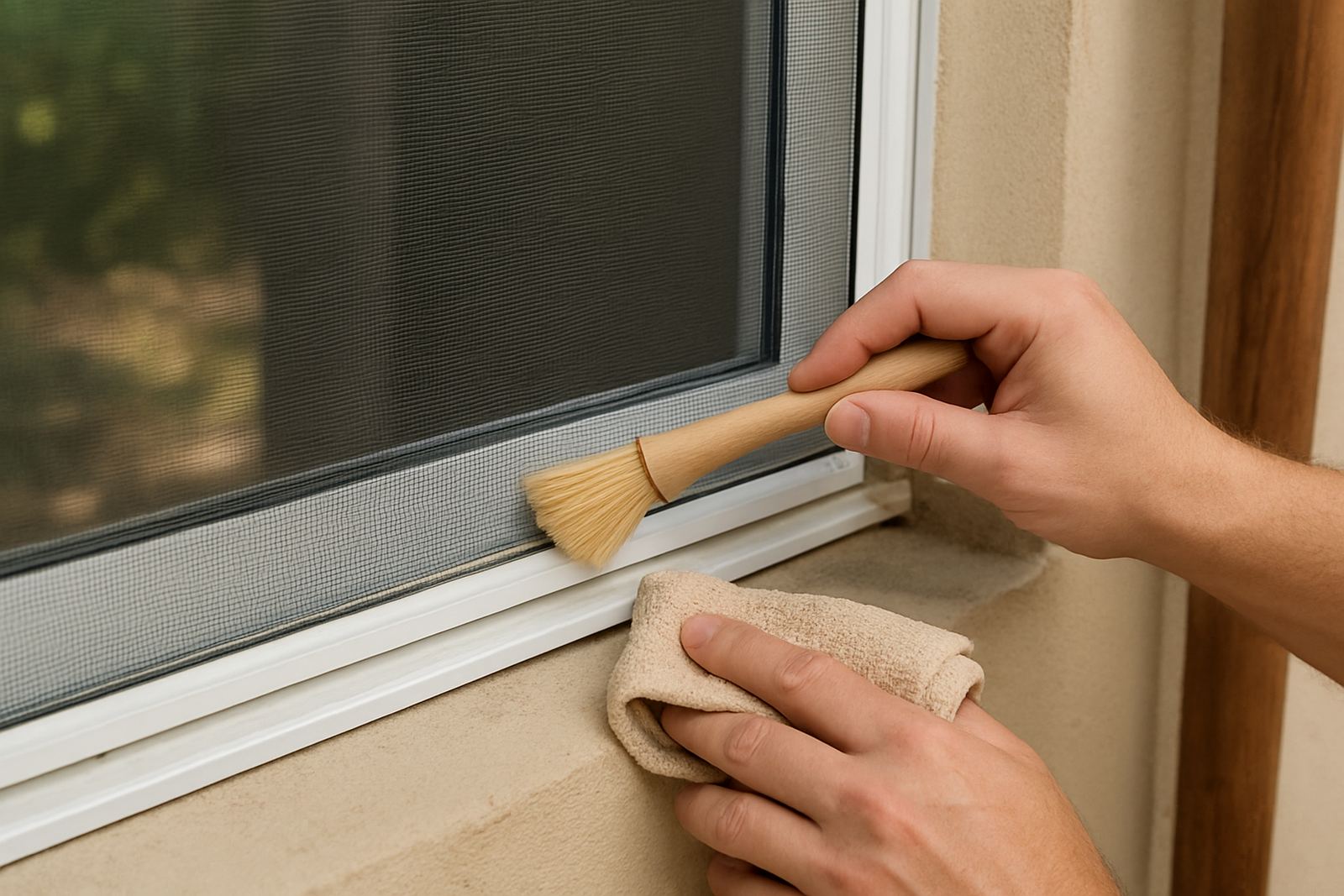
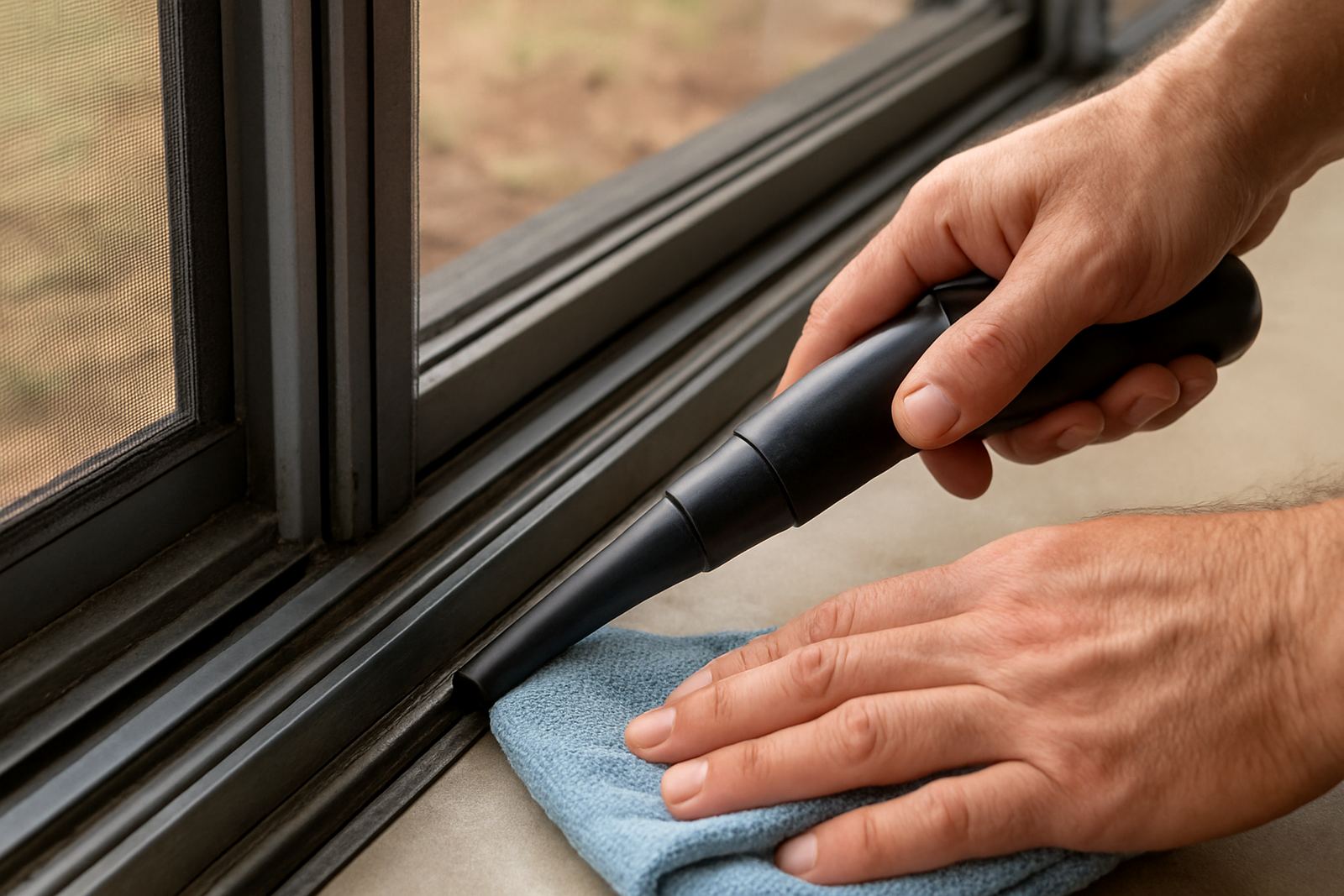
A simple routine can go a long way. Vacuum out loose dirt first, then wipe the channel with a dry or slightly damp cloth. Do not flood the track with water, because that can push grime deeper into the channel or leave moisture where corrosion may start. If a screen still drags after cleaning, there may be a deeper issue that needs a proper service rather than more force. For body corporates and estate rollouts, a planned maintenance visit also helps keep standards consistent across units.
- Vacuum loose dust and sand from the channel
- Wipe tracks dry after cleaning, especially near the coast
- Check for loose screws, dents or worn rollers
- Book a service before the busy season starts
When a track issue needs repair, not just cleaning
There comes a stage where a wipe-down will not sort the problem. If the track is bent, the frame is out of square, the rollers are broken or the hardware has corroded, the screen needs repair. Trying to keep using a damaged track can make the problem worse and may damage the mesh as well. This is common in older installations where the screen has taken years of daily use or where the unit has been exposed to harsh weather without attention.
For security screens, this matters even more because proper operation is part of the screen’s function. A screen that does not close fully or lock properly should be checked without delay. In Gqeberha homes and commercial premises, where wind and salt can be tough on fittings, quick action can stop a small issue becoming a full replacement. If a track is badly worn, a repair or hardware replacement can often restore smooth movement and extend the life of the system.
ScreenMaster works with insect screens, security screens and related hardware across Walmer, Newton Park, Summerstrand, Uitenhage, Despatch, Jeffreys Bay and St Francis Bay. A local service call can identify whether the answer is cleaning, track servicing, mesh replacement or a hardware change, so you are not paying for more than what is needed.