Why braai rooms need more than a simple fly screen
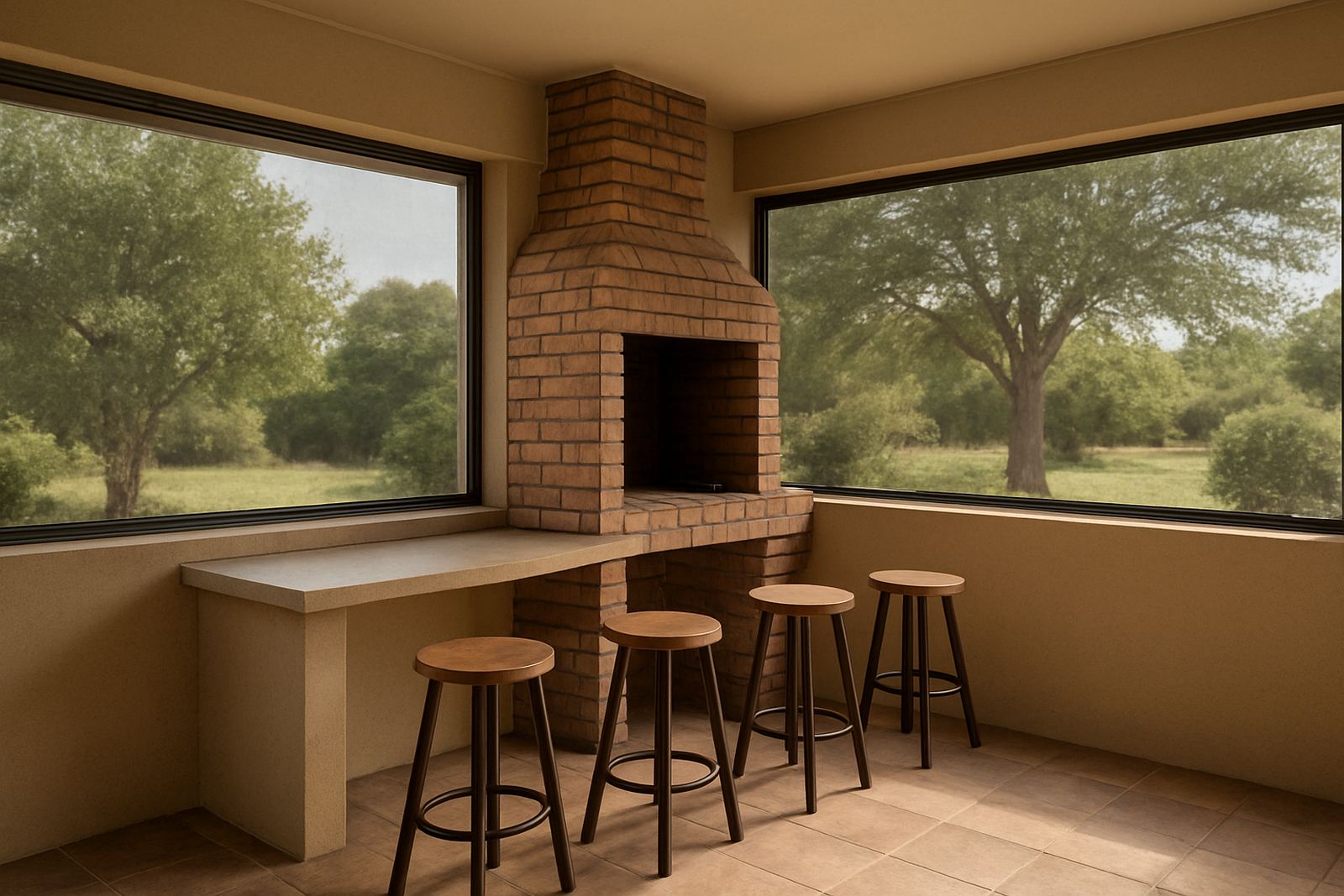
In Gqeberha, a braai room gets used differently to a normal living area. Doors are often left open while people move between the kitchen, patio and yard, and that means insects get in quickly, especially on warm evenings near Summerstrand or Walmer where coastal humidity brings out mosquitoes. A basic fly screen can help, but it will not suit every opening or every household. Some families want airflow only, while others need added protection for ground level doors and easy access for children and guests.
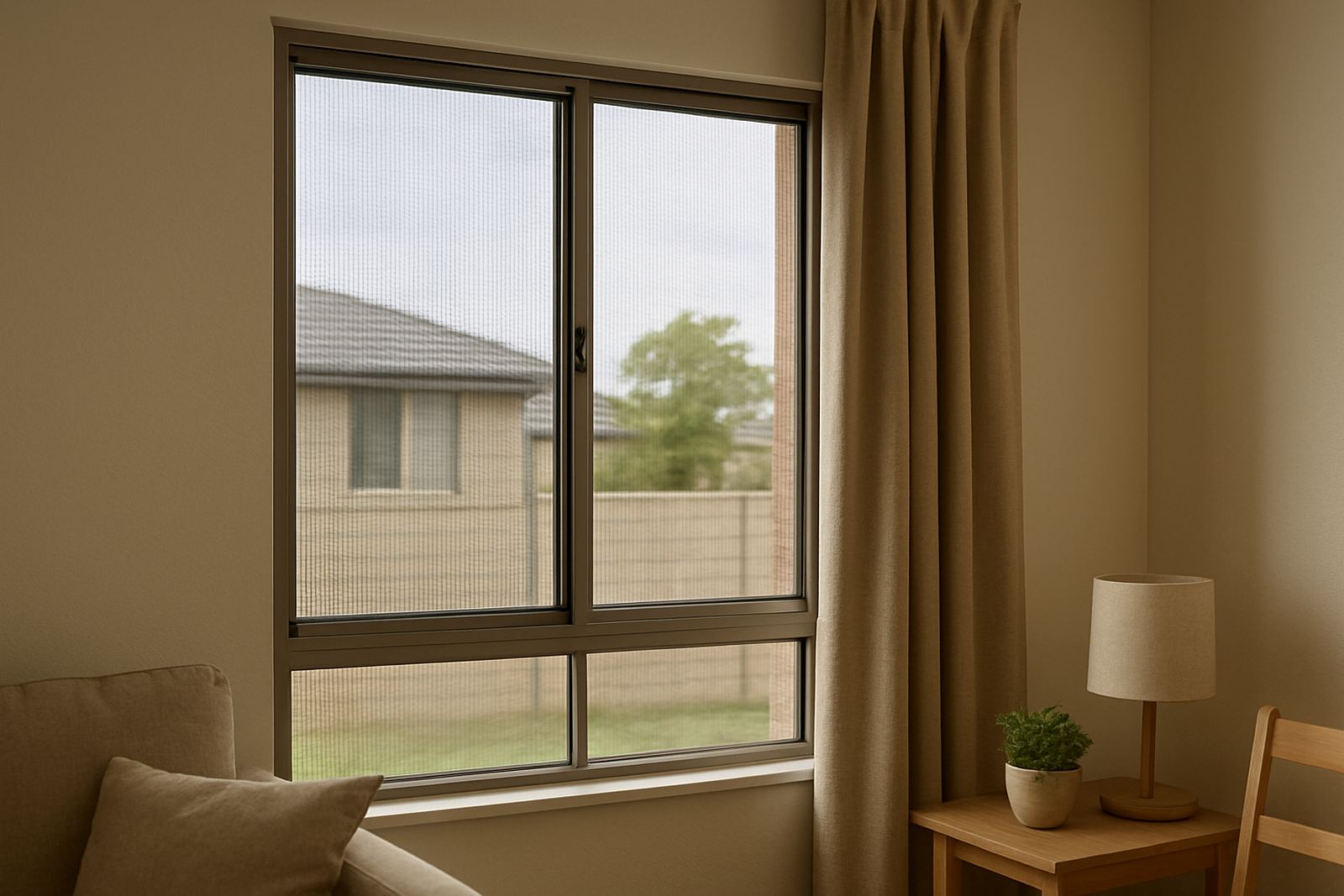
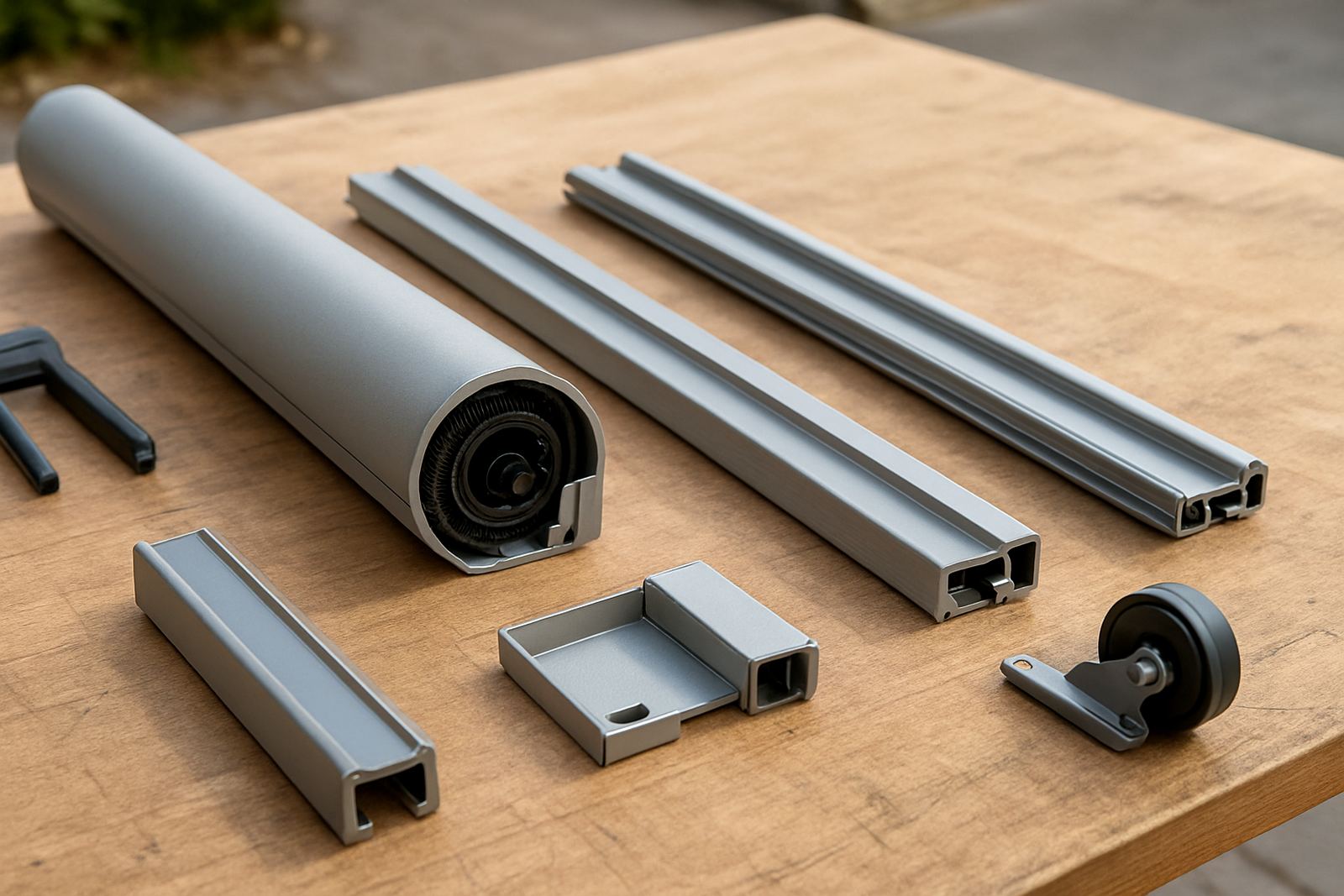
The best screen choice depends on how the room is built. Aluminium frames work well for most enclosed entertainment areas, while the mesh type changes how much light, air and privacy you keep. If the braai room is used all year, it is worth thinking about salt air, cleaning, and how often the door hardware gets handled. A screen that looks fine in December may give trouble by winter if the tracks collect sand or if the frame was not measured properly.
ScreenMaster works with braai rooms in Walmer, Newton Park, Uitenhage and St Francis Bay, where the openings are rarely standard. Custom sizing matters because a gap of only a few millimetres can let insects through. It also means the screen can sit neatly beside tiled floors, built in braai walls and existing door handles, without scraping or rattling.
Screen options that suit enclosed entertainment areas
There is no single answer for every braai room. The right product depends on whether you want insect control, extra security, shade or a mix of all three. For a room that opens onto a stoep, a screened sliding panel may be the neatest solution. For a doorway used all the time, a hinged option can be easier to live with. If the braai room gets strong afternoon sun, shading can reduce glare and help keep the room cooler without blocking the breeze completely.
- Insect screens for keeping flies, moths and mosquitoes out while still allowing airflow.
- Security screens for added protection on ground floor openings and exposed entertainment areas.
- Shading screens for sun control on west facing rooms and hot summer afternoons.
- Sliding or hinged formats depending on how the braai room opens onto the outside space.
- Fine or stronger mesh choices based on the level of privacy, durability and airflow needed.
Mesh choice matters more than many people expect. A finer mesh can help with very small insects, but it may reduce airflow a bit. A stronger mesh is better for busy family spaces and can handle more wear, but it should still be easy to clean. In a braai room, smoke and grease are also part of the picture, so the surface should be practical to wipe down now and then.
How to choose for coastal homes in Gqeberha and Jeffreys Bay
Coastal homes need screens that can handle salty air and regular cleaning. In places like Gqeberha, Jeffreys Bay and St Francis Bay, metal parts should be suited to humidity so that corrosion does not become a problem after one season. The wrong finish can start showing marks around screw points, hinges and track edges, especially where sea air moves in from the outside. It is worth asking about the frame finish and how the corners are assembled before you commit.
Load-shedding also affects how people use braai rooms. When the power is off, families often open up the room for cooler air and more natural light. That makes screen access more important, because a jammed panel or warped track becomes a daily frustration. If the room is used as a backup gathering space during outages, the screen should open smoothly and not rely on electric parts to do the basics.
In a lot of Eastern Cape homes, the braai room doubles as a dining area, homework space or informal lounge. That means the screens cannot be too fussy. They need to be easy to maintain and strong enough for repeated use, even when guests come and go through the same opening throughout the weekend.
What to look at before you order a custom screen
A proper site measurement makes the difference between a screen that fits and one that needs repeated adjustment. For braai rooms, the opening is often wider than a standard house door, or the floor level changes slightly from inside to outside. These details affect the track, the sweep at the bottom and the amount of clearance needed for handles or burglar bars.
Before ordering, check the way the opening is used and what is already in place. If there are existing rails, tiled thresholds or an unusually deep reveal, the screen has to be planned around that. It is also helpful to know whether the room gets full sun, wind off the coast, or heavy foot traffic. A screen that suits a quiet guest room may not suit a braai space where children run in and out, and that is a common mistake.
- Measure the full opening, not only the visible glass or door panel.
- Check for uneven floors, especially in older homes in Uitenhage and Despatch.
- Note nearby braai heat, since some positions are more exposed to warmth and smoke.
- Ask how the screen will be cleaned and serviced over time.
- Make sure handles, locks and hinges still work freely after installation.
Our team carries out site measurements, product consultations and custom manufacture so the screen suits the room from the start. That saves time later and reduces the chance of call backs for small alignment issues that should have been picked up on site.
Security without turning the entertainment area into a closed box
Many homeowners want a braai room to feel open, but not exposed. Security screens can give added peace of mind without making the room look heavy or cramped. This is useful where the room faces a yard, side passage or boundary wall, and where doors are often left open while people eat. The idea is to protect access points while still keeping the room pleasant to sit in.
For some properties, especially those close to the street or on larger stands, security screens form part of a broader plan that includes good locks, lighting and sensible access control. In estate settings around Walmer and Summerstrand, the aim may be more about neat presentation and controlled access, while in more exposed locations the focus may be on strength and reliable latching. Either way, the screen should be measured and fitted carefully so it opens and closes without strain.
Security screens also need regular checks. Tracks can collect grit, screws can loosen over time and rollers may need adjustment after repeated use. A seasonal checkup helps catch those small issues before they become an annoyance. It is a simple thing, but it keeps the braai room ready for weekends, birthdays and busy holiday periods.
Keeping the screens working through the seasons
A braai room screen should not be treated as a one-off item. It needs the same practical care you would give to a door lock or sliding rail. In summer, dust and pollen build up faster. In winter, damp can settle on metal fittings, particularly where the room is close to the coast. A quick wipe down and an occasional hardware check go a long way.
For homes that entertain often, mesh replacement and track servicing may eventually be needed. That is normal. A screen that has handled years of opening, closing and cleaning will start to show wear. If the mesh is damaged by pets, kids or moving furniture, it is usually better to replace the section rather than leave a weak spot in place. Good aftercare keeps the installation useful for longer, and it saves money over the life of the room.
ScreenMaster supports homes and businesses across Gqeberha and the Eastern Cape with repairs, hardware replacement and service work. Whether the braai room is in a small Walmer townhouse or a larger coastal family home, the same principle applies: measure properly, fit correctly and keep it maintained. That is how a screen stays practical, not just tidy on day one.