What a retractable screen actually does
A retractable screen is a moving screen system that pulls open when you want clear access and closes when you need insect control, shade or extra privacy. The screen sits in a housing, usually mounted above or beside an opening, and runs in guides or tracks until it is needed again.
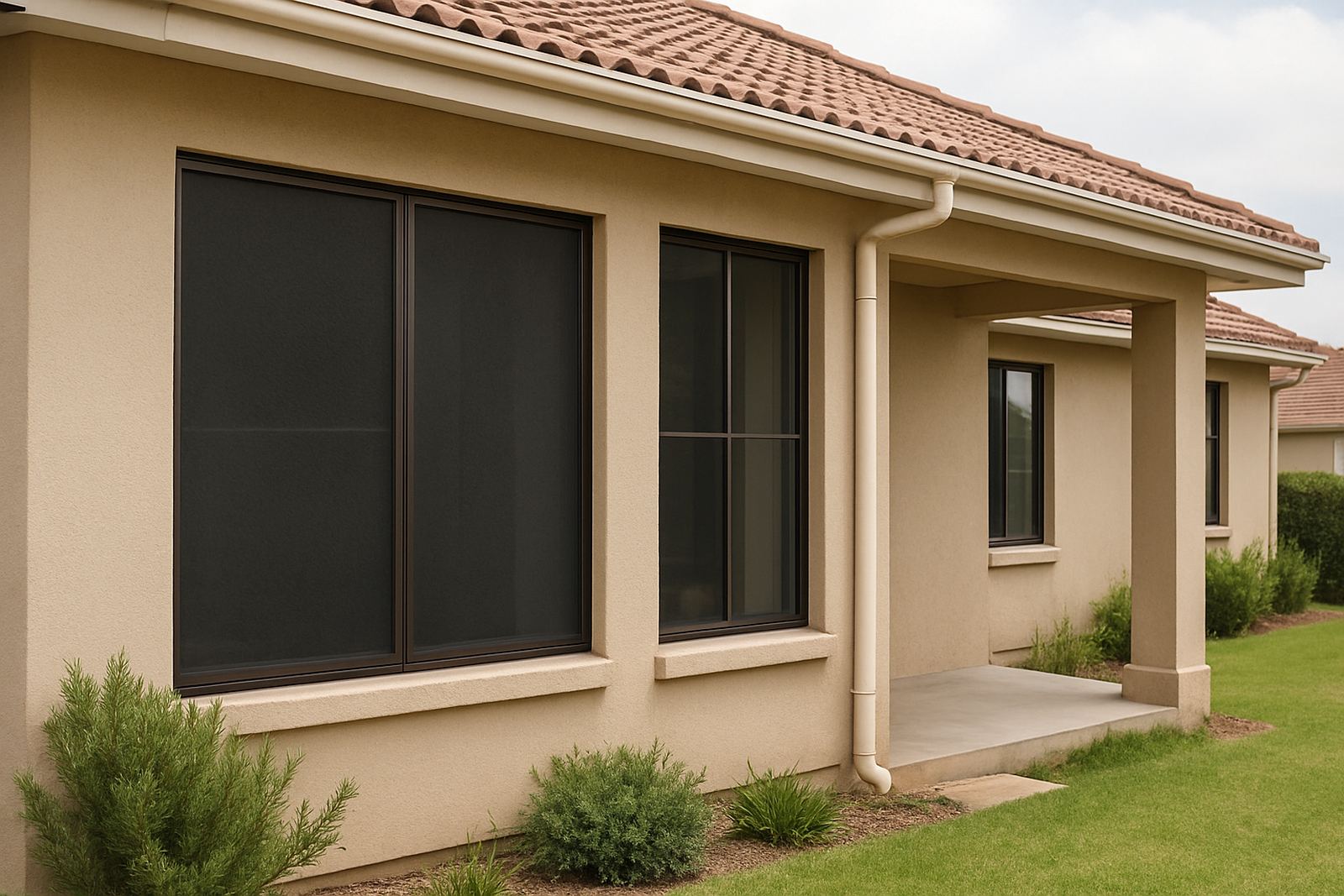
That simple movement is the reason these systems work so well in South African homes. You can open up a patio in Summerstrand on a warm evening, then close the screen later when mosquitos or midgies start moving. On the coast, that matters. So does keeping salt air off the moving parts and choosing materials that suit humid conditions.
Retractable screens are not just for houses. Small offices, restaurants, holiday units and estate homes use them where doors stay open often, but dust, insects or wind still need to be controlled.
The moving parts that keep the system working
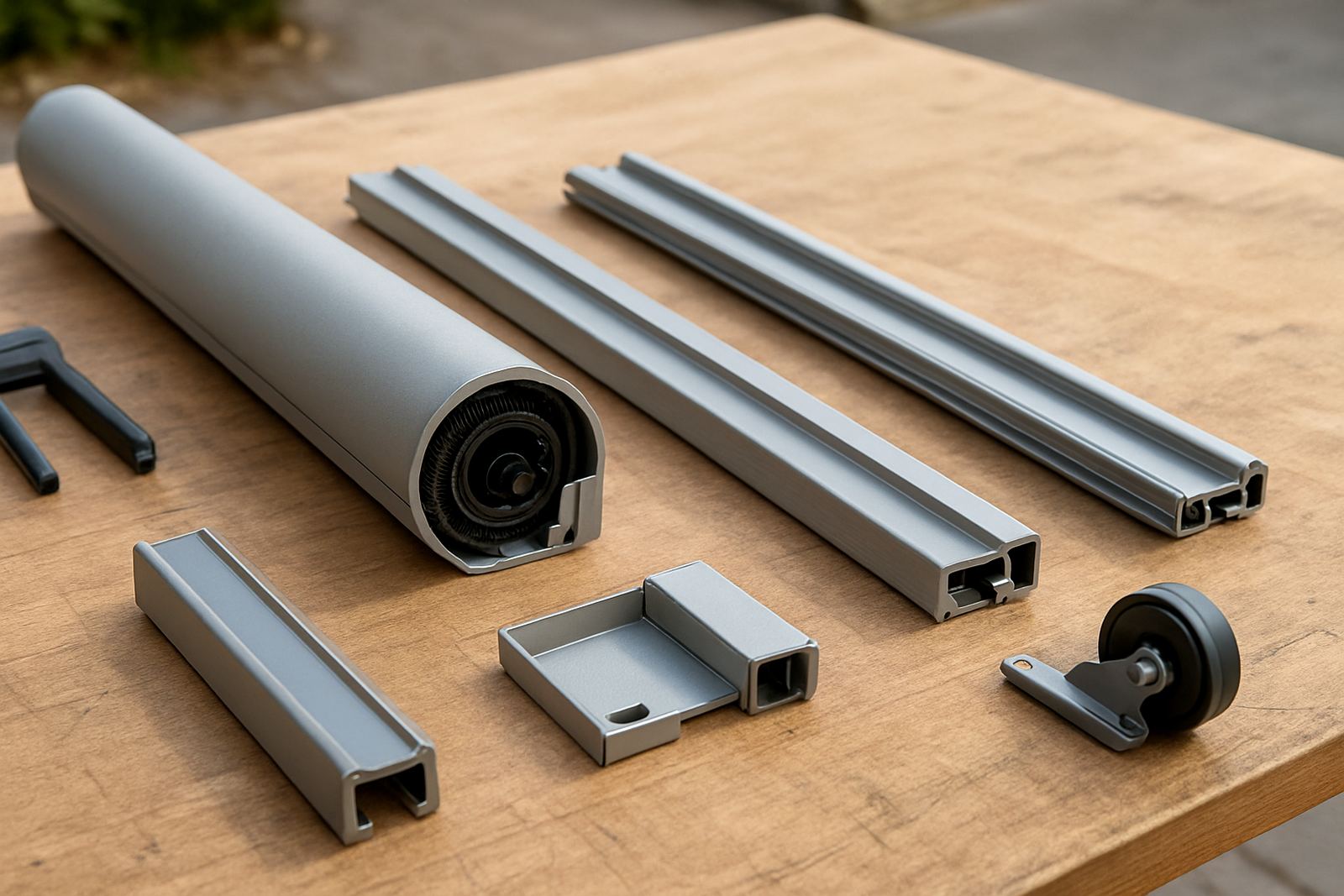
Most retractable screen systems rely on a few key components: the frame or housing, the mesh panel, side tracks or guide rails, a spring or tension system, and a latch or closing handle. If one part is poorly fitted, the whole system can become stiff, noisy or uneven.
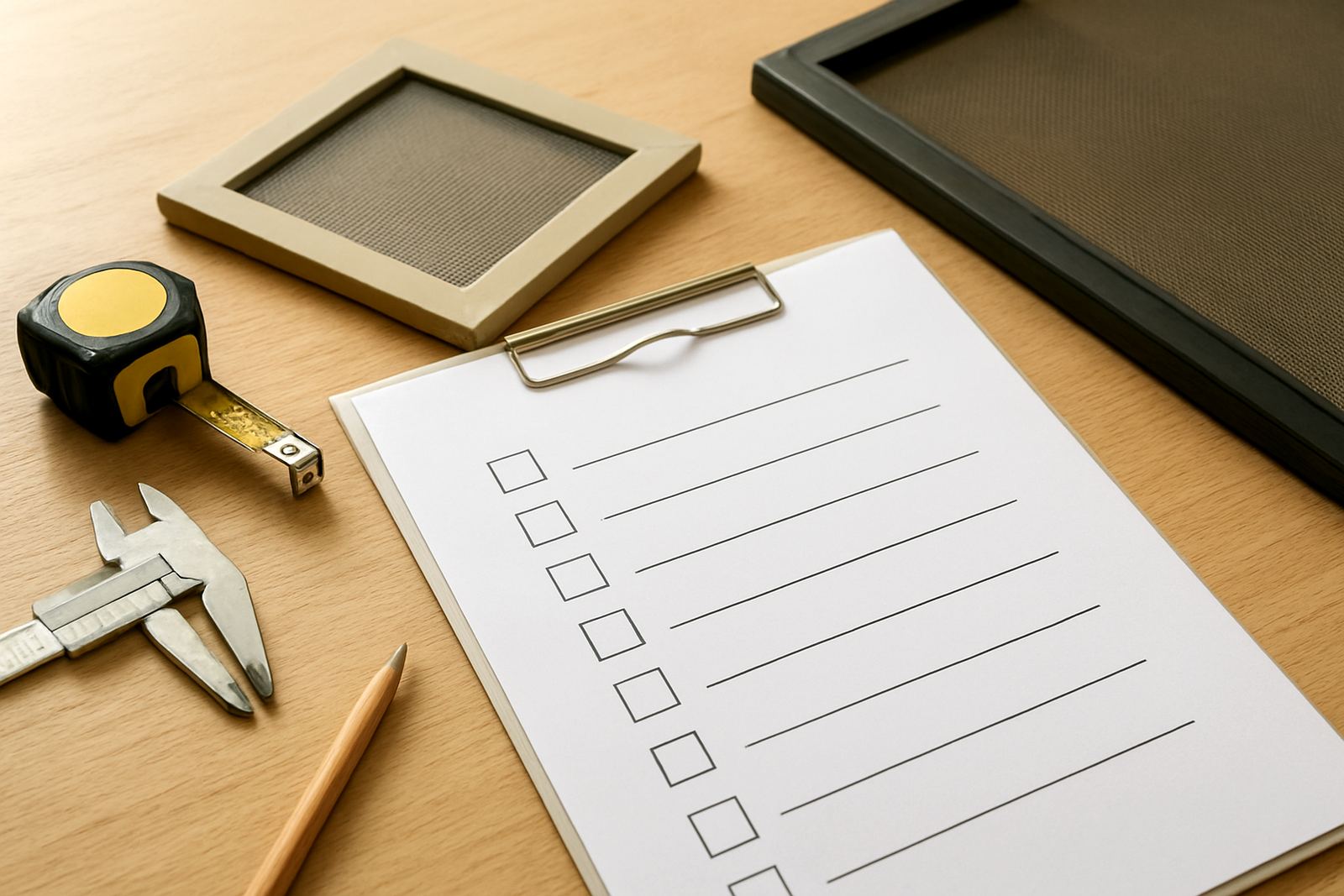
Good installation matters because screen panels must sit square. If the opening is out by even a few millimetres, the screen can rub, jam or leave gaps. That is why site measurement is one of the first steps before manufacture. In older homes in Walmer or Newton Park, openings are often not perfectly true, so custom sizing usually works better than standard sizes.
- Housing: protects the rolled or folded screen when not in use.
- Mesh: chosen for insect control, privacy, airflow or stronger resistance.
- Guides or tracks: keep the screen moving in a straight line.
- Spring or tension unit: helps the screen retract neatly.
- Latch or catch: secures the screen in the closed position.
Where retractable screens make the most sense
Retractable screens are useful where people want flexibility. A fixed screen is always there, but a retractable option can disappear when it is not needed. That makes it practical for wide doors, sliding openings and places where views matter.
In Gqeberha, a lot of clients ask for retractable screens on stacking doors leading to braai areas, verandas and enclosed patios. In Jeffreys Bay and St Francis Bay, coastal wind and salt can be a factor, so the system needs careful material selection and regular servicing. For commercial spaces, screens can help with insect control near dining areas, reception openings or staff access points.
- Sliding and stacking doors
- Patio and veranda openings
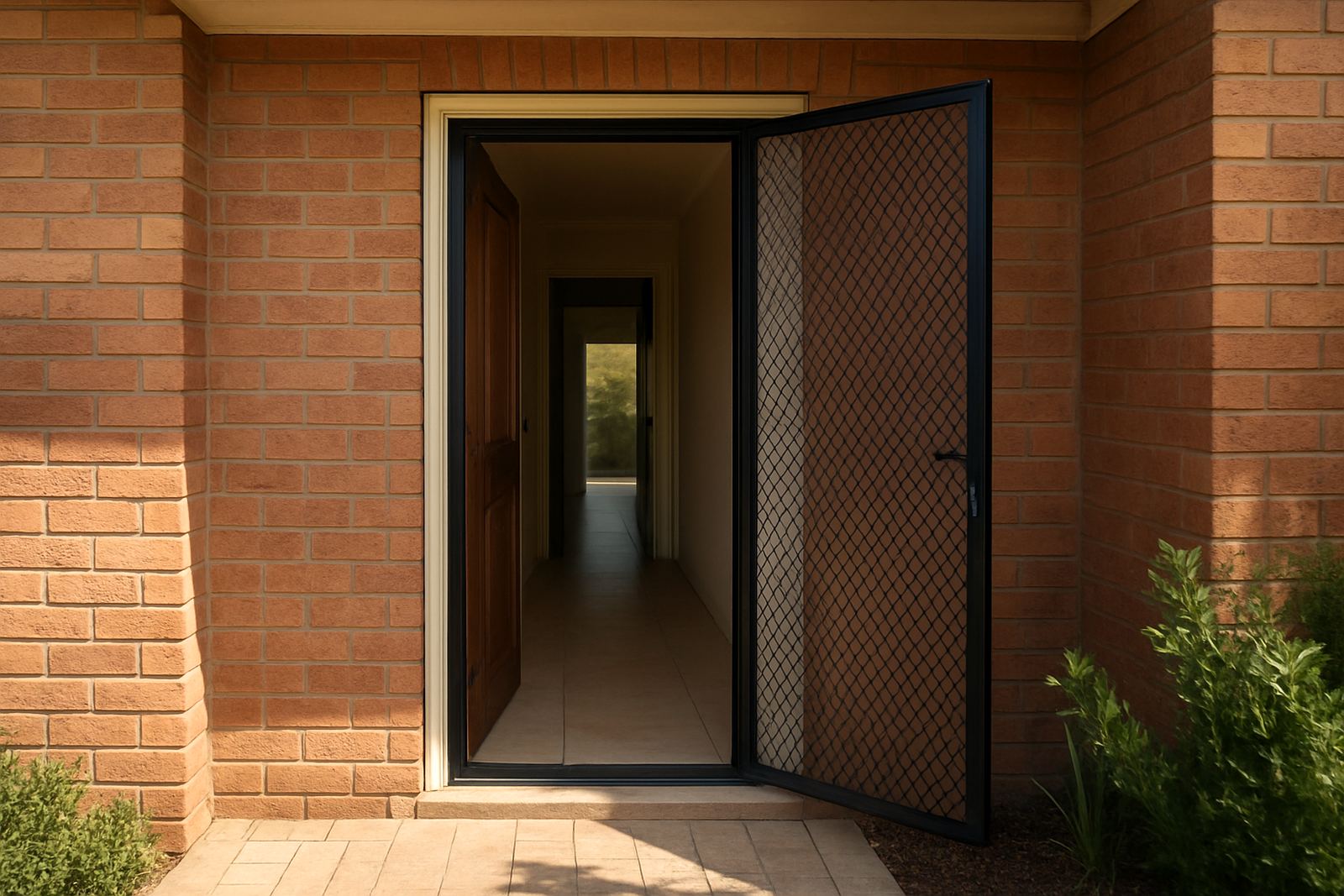
- French doors and side entries
- Commercial serving hatches and access points
- Holiday homes where openings are used seasonally
If the opening is used every day, the hardware needs to be easy to clean and simple to operate. In load-shedding conditions, people also like systems that do not rely on power. A manual retractable screen keeps working when the lights are off, which is one less thing to worry about.
Choosing mesh and finish for local conditions
The mesh type is just as important as the frame. Finer mesh helps keep out smaller insects, while stronger mesh can stand up better in busy households or light commercial use. In coastal areas, corrosion resistance is important. In inland parts of the Eastern Cape, dust and heat can change what works best.
Colour also matters. A frame that blends with the window or door surround looks neater and is less likely to draw attention. In many Walmer homes the best choice is a finish that matches the existing aluminium or timber tones, so the screen looks like part of the opening instead of an add-on.
When asking about shading, check whether the screen is meant to cut glare, soften sun or simply reduce heat gain. Those are different jobs, and the mesh or fabric choice should suit the purpose. A screen for a north-facing room will not be the same as one fitted to a sheltered guest unit near the coast.
What to expect during measurement and installation
The best retractable screens are made after proper site measurements. A technician checks the opening width, height, reveal depth, wall condition and how the door or window opens. This is important for older homes, uneven plaster and tiled thresholds.
For homes in Uitenhage, Despatch or the metro suburbs, installation normally works best when the opening is clear of loose hardware and the frame surfaces are sound. On commercial sites, the team may also need to work around fire exits, estate rules or opening hours. That is where planning helps, because a good screen should not block safe escape or interfere with daily use.
- Measure the opening at more than one point
- Check for uneven floors, frames or tiled sills
- Confirm the direction of use and closing movement
- Allow for door handles, security gates and catches
- Plan for servicing access later on
When the fit is right the screen should move smoothly with little effort. If it scrapes, catches or leaves a visible gap, it usually means the setup needs adjustment rather than replacement.
Keeping retractable screens in working order
Like any moving system, retractable screens need occasional care. Coastal humidity can affect tracks and springs, and dust can build up in the channels. A seasonal checkup helps catch small issues before they become a repair call. That is especially useful before summer, when insect pressure rises and doors stay open more often.
Simple care usually includes cleaning the mesh gently, wiping the tracks and checking the latch. Do not force a stiff screen open, because that can damage the tension unit or pull the panel out of line. If the mesh is torn or the hardware is loose, a repair is usually quicker and more affordable than a full replacement.
For estates and landlords, a planned rollout and aftercare support can make a big difference. One or two screens may fail if they are used hard, but regular servicing keeps the rest of the units performing as they should. A little attention goes a long way, especially in a salty coastal climate.
A local example from Walmer to the bay
A typical request in Walmer might be a pair of retractable screens for a living area opening onto a sheltered patio, plus a screen for a side kitchen door. The homeowner wants the doors open for airflow in the late afternoon, but does not want insects coming in after sunset. The same property may also need a stronger option at the entertainment area because guests, children and pets use that opening often.
In that kind of job, the team starts with a site measurement, talks through the intended use and then recommends the right mesh, finish and closing method. Once installed, the screens are checked again after a short period of use, so the homeowner can see that the movement is smooth and the latch sits properly. It is practical work, not guesswork.
That is the main value of retractable screens. They give you control over opening and closing, without making the room feel shut in all the time. For homes and businesses across Gqeberha and the Eastern Cape, that balance is often exactly what is needed.