1. It starts with a clear enquiry and basic details
Every installation begins with an enquiry through the contact form, followed by a short discussion about the property and what you need the screen or shading product to do. A home in Walmer may need insect control for sea breeze conditions, while a townhouse in Newton Park may need a security screen for a front door or sliding opening. Commercial work in Gqeberha often needs a different approach again because there may be more traffic, stricter access times, and more than one opening to measure.
When the job is first logged, the team checks the location, the type of opening, and whether the request is for a new fitment, repair, mesh replacement or servicing. That early information saves time later and helps avoid calling out for the wrong solution. It also gives a better idea of whether the work is straightforward or if there are special conditions like coastal humidity, uneven reveals, or older aluminium frames.
- Type of property: home, estate, office, shop or industrial unit
- Opening type: window, hinged door, sliding door, stacking opening or patio area
- Purpose: insect control, added security, shade, repairs or maintenance
- Location: Walmer, Summerstrand, Uitenhage, Despatch, Jeffreys Bay, St Francis Bay or wider Eastern Cape
2. Site measurements are taken where the work will happen
Accurate measuring is the point where a good fit starts. A screen that is even a few millimetres out can catch on a track, leave gaps for insects, or sit badly against the frame. For that reason, the team measures on site rather than working from guesswork or old notes. This is especially important in coastal areas where frames may have shifted slightly over time from wind, salt air and general wear.
During the measure, the installer checks more than just width and height. They look at the condition of the frame, the squareness of the opening, clearance for handles, sill depth, and whether there are obstructions such as burglar bars, roller blinds or existing hardware. If there are signs of wear, the team can flag it early and plan for repairs or replacement parts at the same time instead of coming back later.
For estates and businesses, measurements are often done in batches. That helps if there are several units or a row of offices that need the same product spec. It also makes it easier to schedule the work around security access and site rules, which can be strict in some developments.
- Measure twice, once on site and once during final prep if needed
- Check for corrosion, damaged tracks or loose fittings
- Note access issues such as stairs, height, parking or security procedures
- Confirm whether the opening needs a permanent fit or a removable option
3. The product is matched to the opening and the way it is used
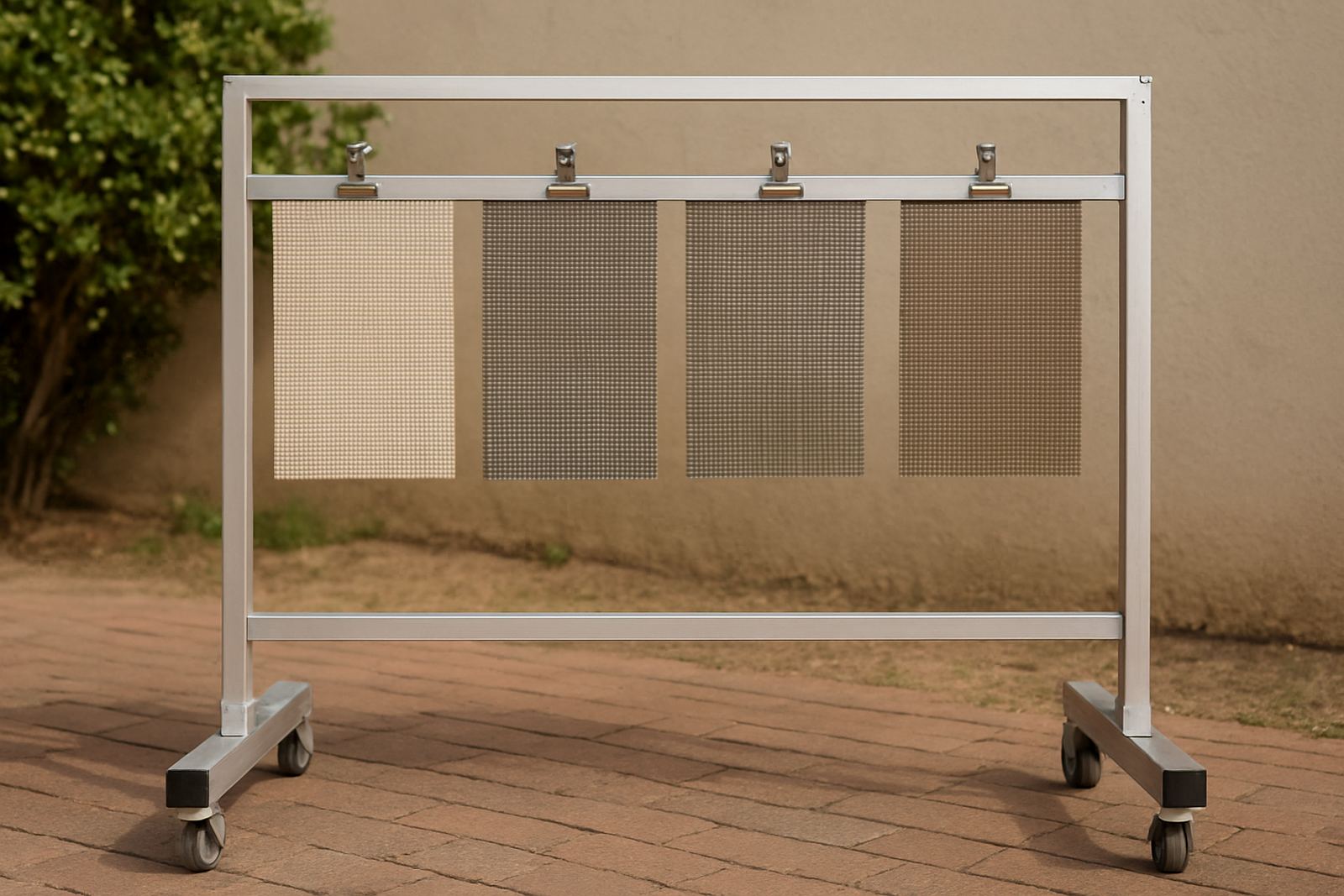
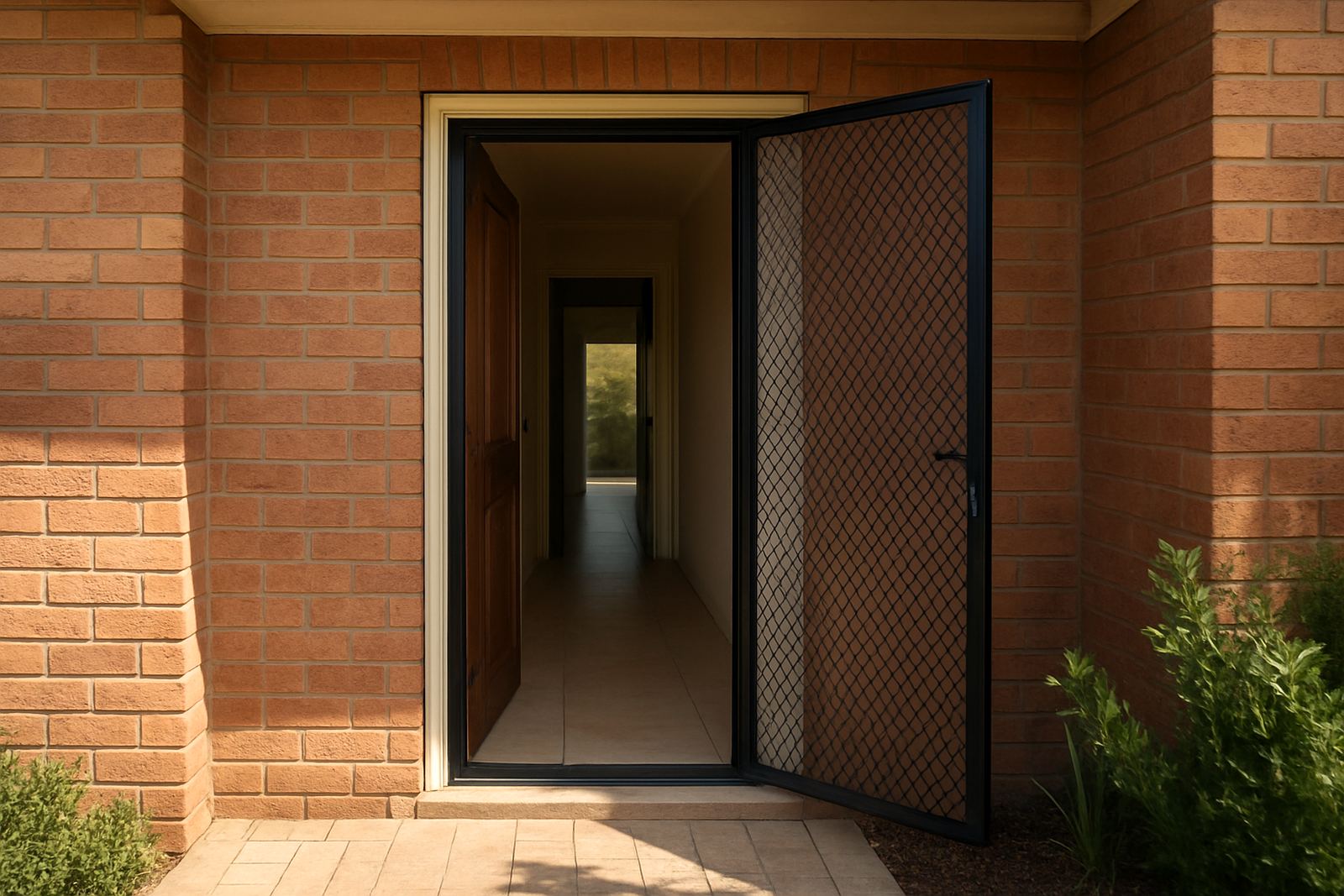
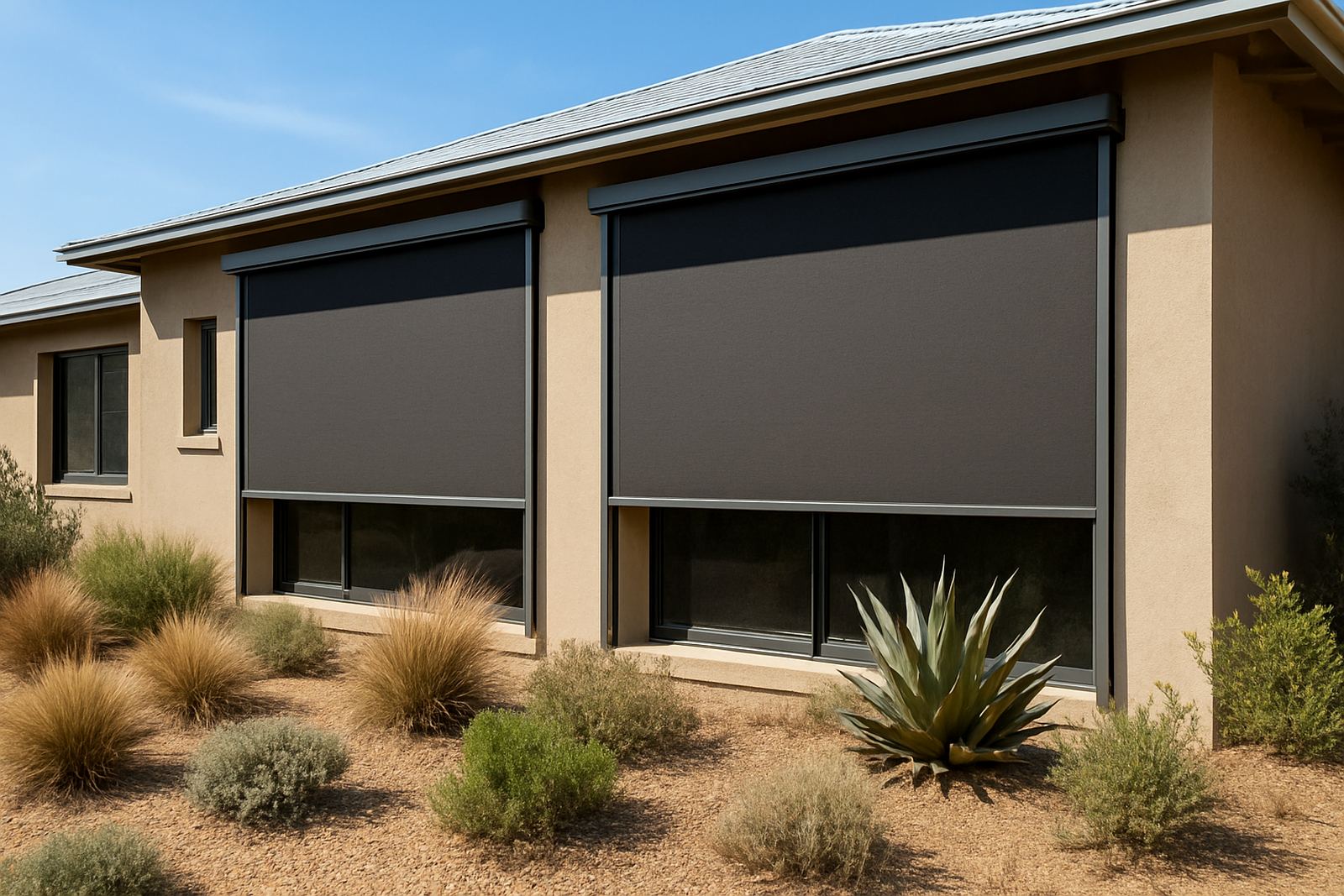
Not every opening needs the same solution. A kitchen window that needs fresh air and bug control may suit a fine insect mesh, while a front entrance in a higher risk area may call for a more secure screen with stronger components. Shade products are selected differently again, because sun exposure, privacy and heat reduction all play a part. The aim is not just to supply a screen but to choose something that works properly in daily use.
ScreenMaster plans each job around the actual conditions at the property. A south-facing room may need less shading than a west-facing room that gets hard afternoon sun. A sea-side home in Jeffreys Bay may need materials that handle salty air better, while a business in the city may prioritise durability and easy operation because the screen will be used many times a day. If the opening is an odd size or an older frame, the product can be custom manufactured to suit. That avoids awkward packing and poor finishing.
Customisation also matters for appearance. Many clients want the screen to do its job without making the front of the house or shop look heavy. That is why finish, colour and hardware are discussed before manufacture starts. The right choice should fit the building not fight it.
4. Manufacture and preparation happen before the installation date
Once the measurements and product choice are confirmed, the item is prepared for the specific opening. This stage is where careful planning pays off. Frames, mesh, hardware and fittings are prepared to the required size so the fitting team arrives with a product that is ready to install, rather than one that still needs improvisation on site.
For homes, that usually means keeping disruption low and making sure the opening can be used again with minimal fuss. For businesses, it often means planning around trading hours, staff movement and customer access. If the work is for an estate rollout, the preparation may include grouping units by type so the installation runs in a tidy sequence. That helps keep the project on track and reduces the amount of time the team spends moving between units.
It also gives room for practical checks before fitment day. If a track needs servicing or a latch has worn out, that can be set aside in advance. If a mesh replacement is part of the job, the correct material can be selected before anyone arrives on site. Small steps like this cut down on delays and help avoid a second visit for a simple issue.
5. Fitment day is organised around access, safety and a clean finish
On installation day, the team works from the plan set out during the measure and preparation stage. Good fitment is about more than putting a product in place. It includes protecting surrounding finishes, checking that the unit opens and closes properly, and making sure the screen sits neatly in the opening. In many homes and offices, there is also furniture, blinds or security hardware to work around, so the installer has to be careful and methodical.
A practical installation usually follows a simple order: confirm the opening, prepare the area, fit the product, test the movement and check the finish. If there are small adjustments needed, they are done there and then. That includes tightening hardware, aligning tracks, or making sure the screen clears a handle correctly. Load-shedding can also affect the timing of some jobs, so the team plans the day with that in mind rather than leaving it to chance.
For clients in Walmer or Summerstrand, a typical visit might involve a front door screen, one or two bedroom windows and a quick check of an existing track. In a commercial setting in Newton Park the job may be more structured, with a set arrival time, access control and a short handover once the fitting is done. Either way, the goal is the same: a clean installation that works from day one.
- Protect floors, walls and nearby fittings during work
- Test opening, closing and locking after fitment
- Show the client how the product works and what to avoid
- Clear away offcuts and packaging before leaving
6. Aftercare keeps the screens working properly
The final step is not really final at all. Screens, security units and shading products last longer when they are checked from time to time. Coastal dust, sand and moisture can build up in tracks and moving parts. In inland areas, general wear from daily use can loosen hardware or affect alignment. That is why aftercare support, seasonal checkups and servicing are part of the planning process rather than an afterthought.
ScreenMaster can handle repairs, mesh replacement, track servicing and hardware replacement when a product has worn or been damaged. A seasonal checkup before the hotter months or before holiday letting starts can save trouble later. For landlords and estate managers, this is useful because one small issue on a single unit can become a bigger complaint if it is left too long. A quick service keeps the opening usable and avoids avoidable call-backs.
The main thing to remember is simple: a well-planned installation is usually a better installation. When the enquiry is clear, the measure is accurate and the product is matched to the property, the result is easier to use and easier to maintain. That is true for a family home in Gqeberha, a guest house in St Francis Bay or a commercial unit in Despatch. Good planning saves time and makes the finished work worth the effort.