Screening for inland heat in Uitenhage and Despatch
Warm inland conditions in the Eastern Cape bring a mix of strong sun, hot afternoons and dry air that can make a home feel stuffy by lunchtime. In places like Uitenhage and Despatch, the heat often sits inside rooms long after the sun drops, especially when windows are left open for air but the shade is poor.
Screens do two jobs at once. They help you keep doors and windows open for ventilation, and they reduce the direct impact of sun, insects and dust. On a hot day that matters, because a closed house traps heat and a house with no screening is often shut up earlier than it should be. That means less airflow and more discomfort.
The best approach depends on where the sun hits, which rooms overheat first and how much privacy you need. A north facing lounge in Newton Park will need a different solution from a west facing stoep in Jeffreys Bay, and a family room in Walmer may need more shade in the afternoon than a bedroom that only gets morning sun.
How shading screens help reduce glare and heat build-up
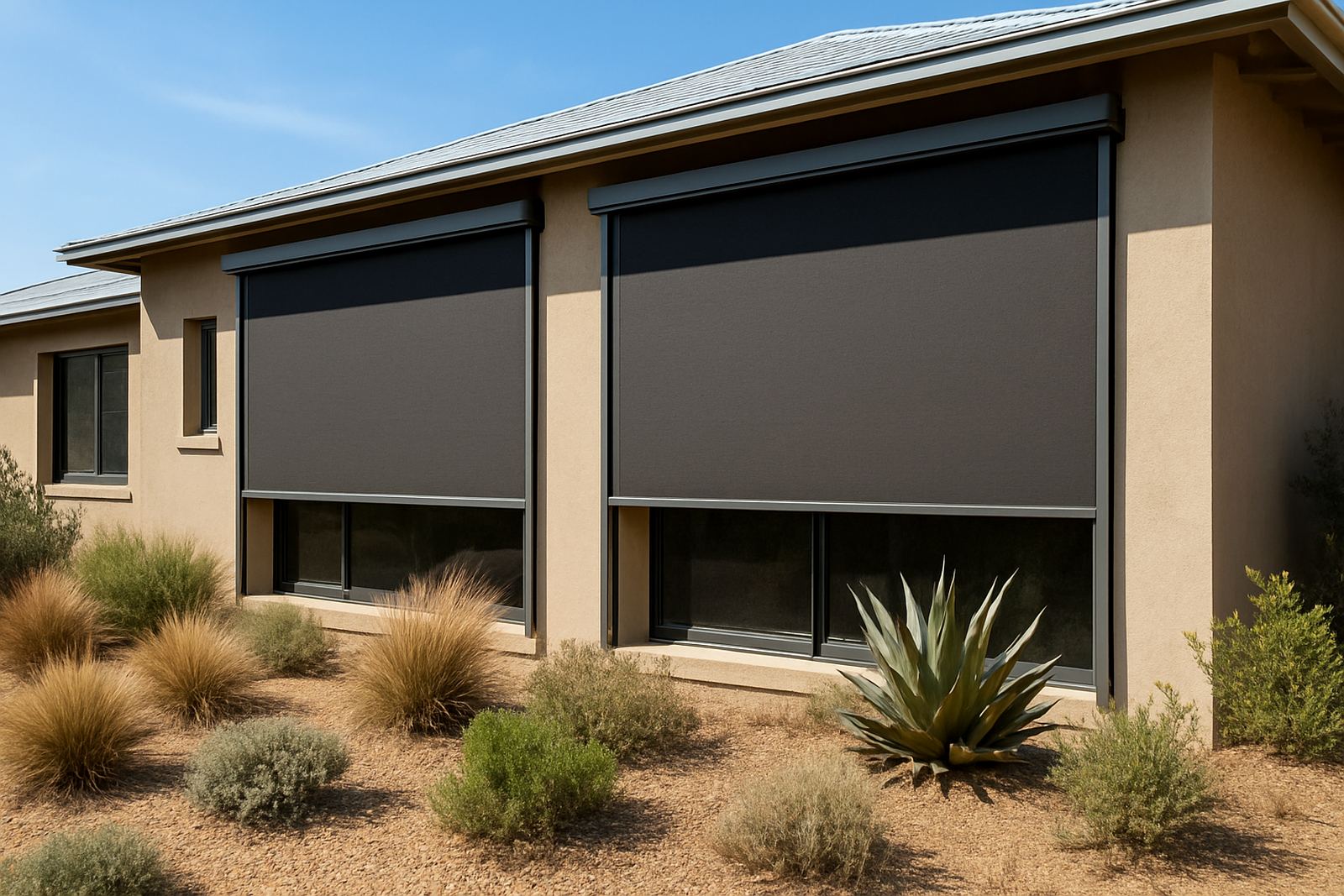
Shading screens are useful where the problem is not only insects, but harsh sunlight coming through glass and open areas. They soften glare, make rooms more comfortable for reading or screen use and can take the edge off heat gain on exposed windows. In strong summer light, even a small reduction in direct sun can change how a room feels.
For homes with large sliding doors or patio openings, shading can also make outdoor living spaces usable for longer. A stoep that gets blasted by the afternoon sun in St Francis Bay can become far more practical once the direct glare is reduced. You still get light and air, just not the hot punch of the sun right through the opening.
In business spaces, shading screens can help reception areas, waiting rooms and staff break areas stay more comfortable without relying only on aircon. That is useful during load-shedding too, when fans and cooling systems are not always available.
- Less direct glare on windows and glass doors
- More comfortable indoor temperatures in afternoon heat
- Better use of natural light without harsh sunlight
- Improved comfort in rooms that face west or north
Airflow screens that keep windows open without losing comfort
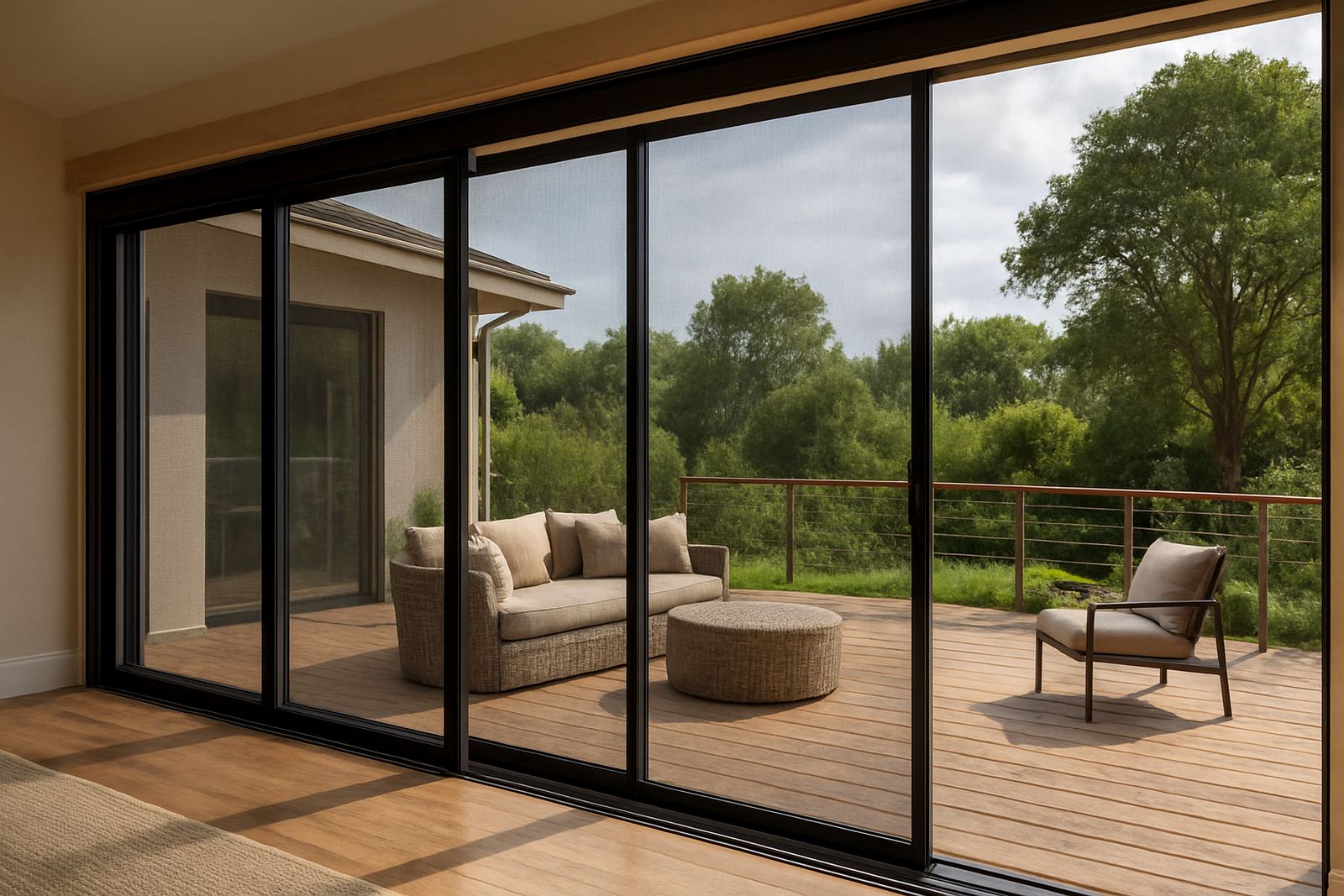
When the temperature rises, many people open every window they can. The problem is that open windows also let in flies, mozzies, dust and wind-driven debris. Airflow screens solve that by allowing ventilation while keeping the opening protected. That makes a real difference in inland towns where evenings cool down, but daytime windows need to stay open for cross-breeze.
Good airflow screens are especially practical in bedrooms, kitchens and living areas that need fresh air through the day. They also suit homes where there are pets, because you can keep doors secured while still letting air move through the house. In a family home, that can mean the difference between a room that feels trapped and one that stays usable.
For properties with coastal humidity and inland heat in the same monthly routine, screens must cope with different conditions. Materials and fixings should suit the environment, because heat, salt air and daily use all place pressure on tracks and frames. If the screen does not move well, people stop using it and the room loses the benefit.
- Ventilation without insects getting inside
- Useful for hot nights when air movement matters most
- Helps reduce dust entering through open windows
- Supports natural cooling without shutting the home down
Matching the screen to the room and the sun angle
Not every opening needs the same treatment. A screen for a kitchen window should be easy to clean because cooking vapour and dust collect quickly. A bedroom screen needs smooth operation and good night time access. A living room opening that faces the afternoon sun may need a combination of shading and airflow control.
This is where site measurements and product consultation matter. The size of the opening, the way the window or door opens and the direction it faces all affect the final result. Even the height of the sill or the width of a track can decide whether a screen works well or becomes a hassle.
At our Walmer base, we often see homes where one side of the property stays cool in the morning but overheats after 2pm. In those cases a custom made solution is usually better than a one size fits all option. The aim is simple: keep the room comfortable enough that you can use it properly, not just survive in it.
Local example: a hotter afternoon in Walmer than expected
A typical example is a family home in Walmer with a main living area that faces west. By late afternoon the room takes direct sun, the couch gets hot and the sliding door has to stay shut to keep insects out. The family wants fresh air but also wants the room usable for homework, supper and visitors.
A practical screen setup for that house would include shading on the main opening, airflow screens on the side windows and secure, easy moving hardware on the busiest access point. Once that is in place, the family can open up the house earlier in the day and keep it that way later, even when the temperature climbs. It does not remove heat completely, but it changes how the home handles it.
In commercial properties around Gqeberha and Newton Park, the same thinking applies to offices, clinics and showrooms. Staff work better when the space is not hot and cramped, and customers stay more comfortable during long visits.
Maintenance that keeps screens working through summer
Heat puts extra pressure on screens, tracks and fittings. Sand, dust and coastal moisture can make movement stiff, and repeated use can loosen hardware over time. A small issue left alone can turn into a screen that drags, rattles or stops closing properly. Then the room starts letting in insects again.
Seasonal checkups are worth doing before the hottest months and again after heavy use. That usually includes track servicing, mesh replacement where needed and checking the hardware for wear. If a screen is rubbing or not sealing properly, it should be sorted before the next hot spell.
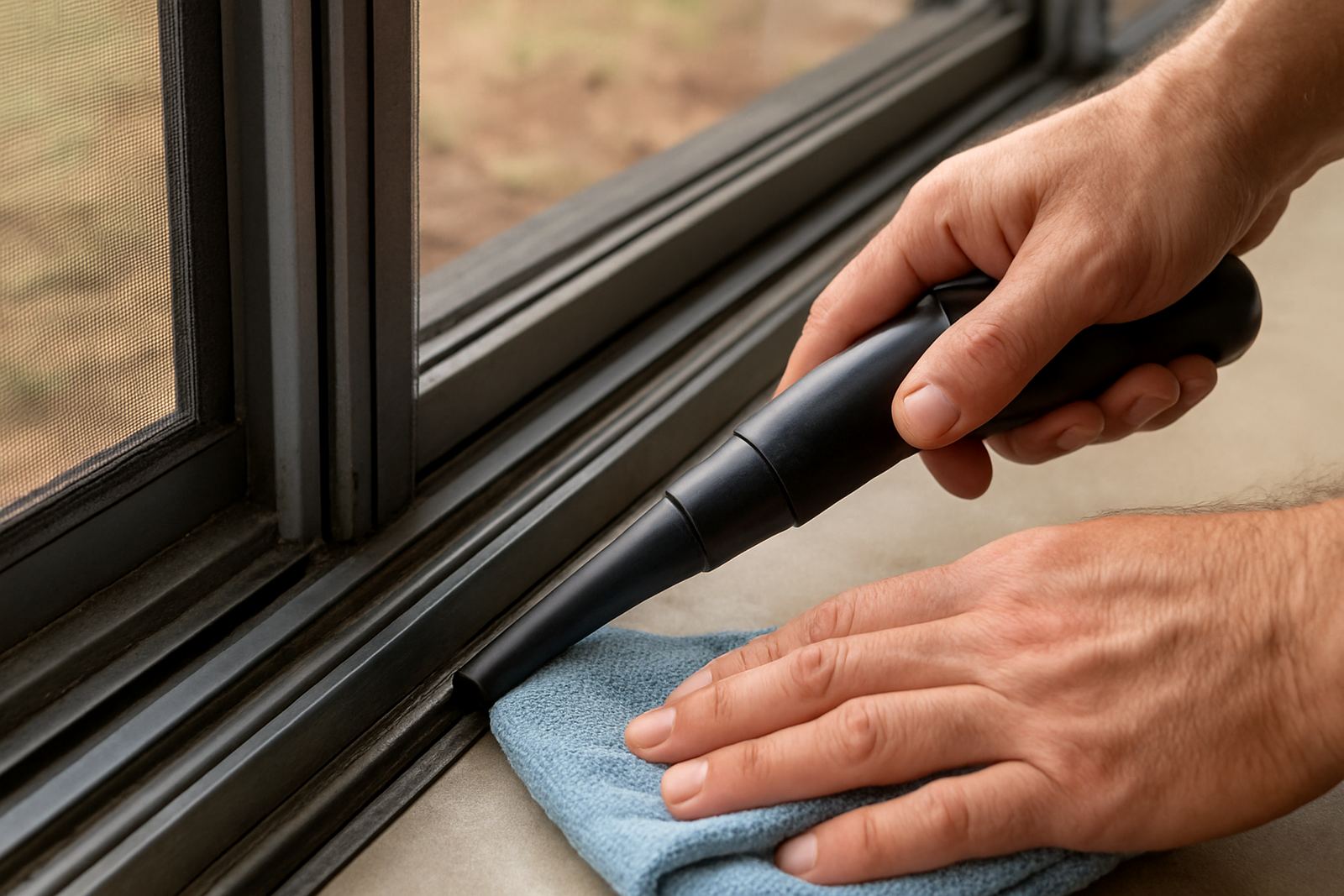
Simple upkeep helps too. Keep tracks clean, wipe down frames and check that the screen closes fully after windy days. In homes with children or pets, it is also worth checking for any damage near the lower section where wear tends to happen first.
- Clean tracks so the screen moves freely
- Check mesh for small tears before they grow
- Look at hinges, rollers and latches for wear
- Book repairs early if the screen starts sticking