Why large openings need a different approach
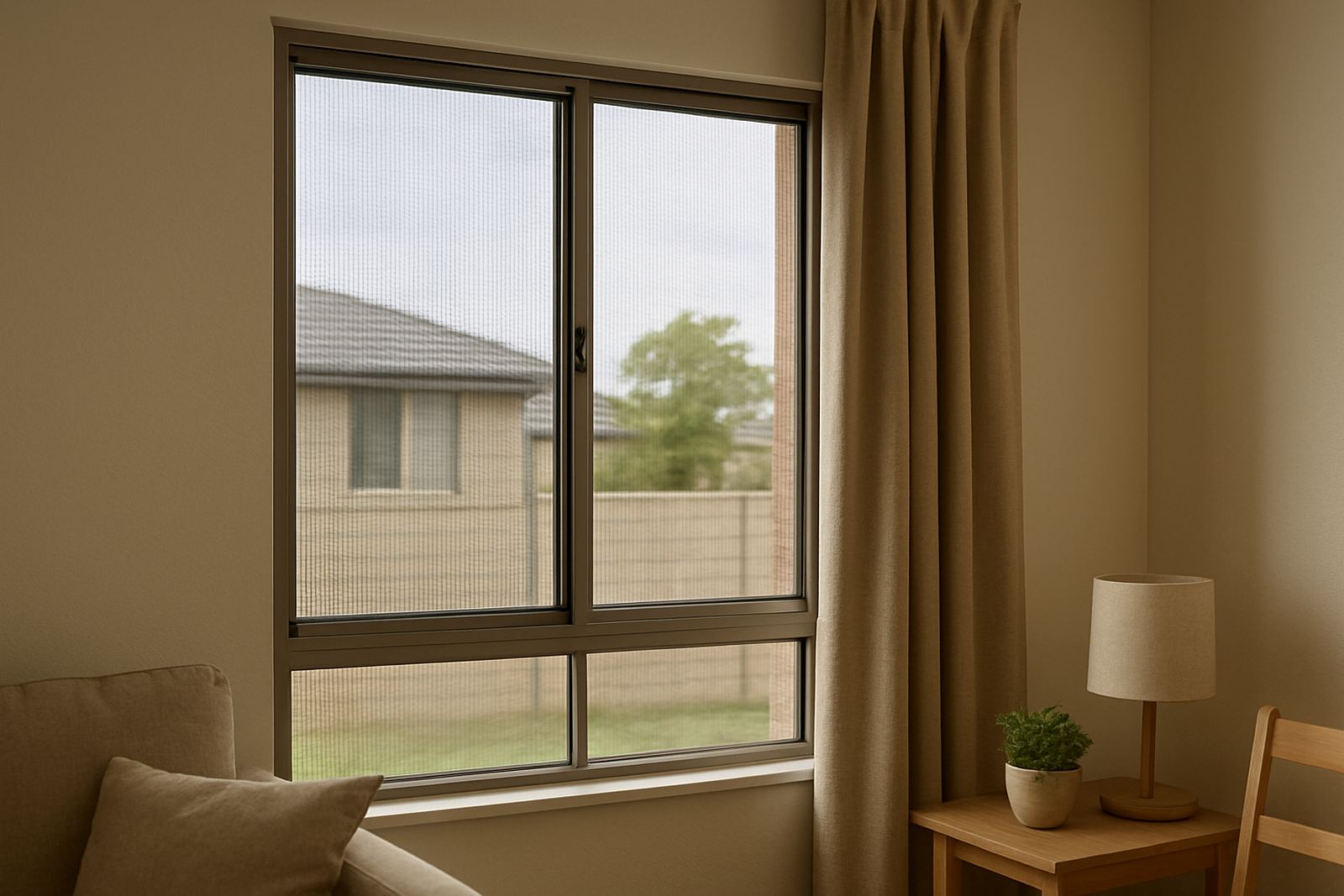
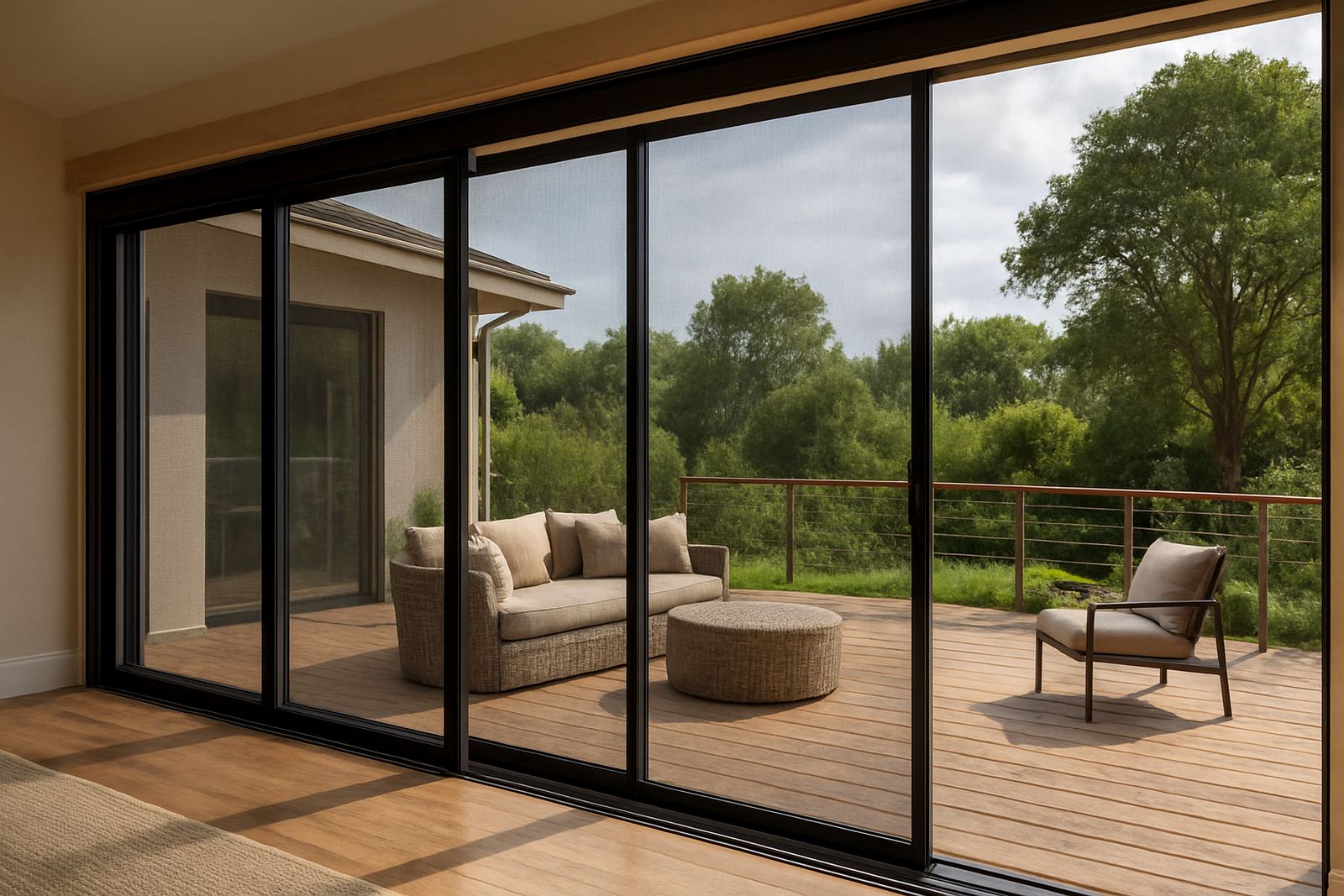
A standard fly screen is often fine for a single window or narrow door, but a wide opening changes the brief. When you have folding doors, extra-wide sliding units, or a patio that opens straight onto a braai area, the screen needs to stay steady in wind, cope with regular use, and still be easy to open when the house gets busy.
In Gqeberha, where sea air and summer humidity can be hard on fittings, planning matters. Aluminium frames, correct tension and the right fixing points help the screen keep its shape over time. If the opening leads to an entertainment area, the screen should also allow quick movement for trays, chairs, and children running in and out, without snagging or rattling.
Measure the opening, not just the door leaf
Large openings are often not as simple as they look. A sliding door may have a full width opening but only one side used most of the day, while a stacking or folding system may need a screen that works around moving panels. That is why site measurements are important before any product is chosen.
- Check the full clear opening, not only the frame size.
- Look at handle positions, threshold height and any uneven paving.
- Allow for coastal movement and small building shifts over time.
- Consider whether pets, children or delivery traffic will use the area often.
At ScreenMaster, measurements and product consultation help match the screen to the actual opening, not just the drawing or rough estimate. That saves trouble later, especially on bigger installations where even a small misfit can cause drag or gaps.
Choose the right screen style for traffic and use
Not every large opening needs the same screen. A family room opening onto a stoep has different demands from a business entrance or a guesthouse patio. The screen should suit how often people pass through, how much privacy you want, and whether security is also part of the brief.
- For regular daily use, look for a system that slides or folds with light effort.
- For entertainment areas, choose a screen that keeps the view open when in use.
- For homes near gardens, rivers, or standing water, mesh choice becomes more important.
- For businesses, think about visitor flow and how the entrance works during busy times.
Wide doors also tend to show poor workmanship quickly. A screen that sits square, closes properly and tracks smoothly will feel like part of the opening. One that catches on the floor or scrapes a side rail becomes a nuisance before long.
Security and insect control can work together
Many clients think they must choose between ventilation and protection, but large openings can often handle both. In homes around Walmer, Summerstrand and Newton Park, people want fresh air in the evenings without leaving the place open to insects or easy access. In some cases, a security screen can sit with the opening so that the space remains usable while improving peace of mind.
The key is to define the main risk. If insects are the bigger issue, a lighter screen with fine mesh may be enough. If the opening faces a driveway, boundary wall or public path, a stronger screen and better locking arrangement may make more sense. It is worth matching the solution to the actual use of the room instead of adding hardware that complicates everyday life.
What coastal conditions do to large screens
In coastal towns like Gqeberha and Jeffreys Bay, screens face salt in the air, moisture, and strong sun. Over time that can affect rollers, brackets, screws and mesh tension. For wider openings, the load on the moving parts is greater, so maintenance matters more than people expect.
- Ask for hardware suited to coastal conditions where possible.
- Schedule seasonal checkups before summer and again after heavy use.
- Keep tracks clean so sand and grit do not build up.
- Replace worn mesh before it starts pulling away at the corners.
After a windy winter or a busy holiday season, even a good screen may need track servicing or hardware replacement. That is normal, and it is far better to catch small faults early than to wait until the opening starts sticking or the frame twists.
A local example from an entertainment patio in Walmer
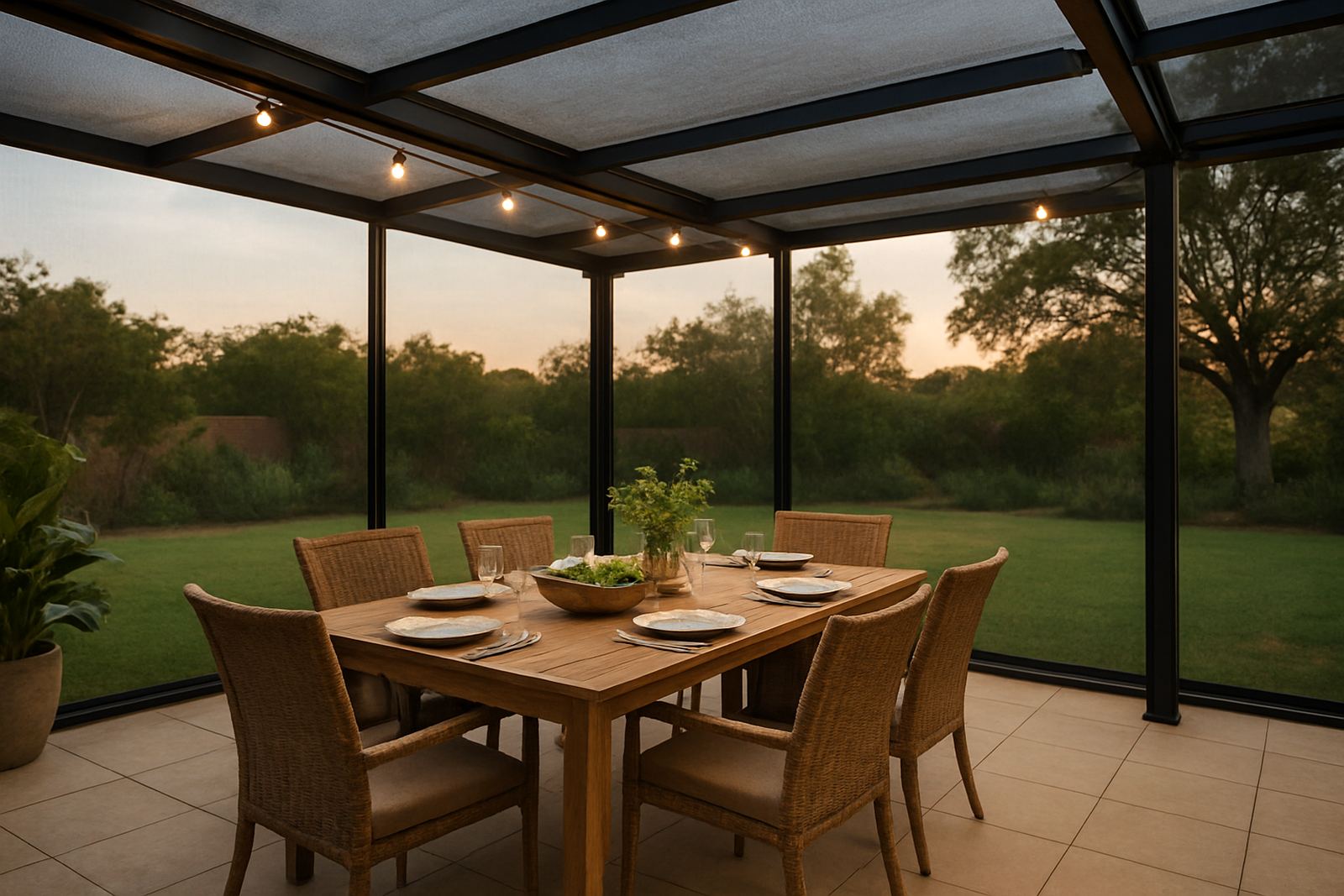
At one Walmer home, the owners had a wide opening between the lounge and a covered braai patio. They wanted airflow for summer evenings, but they also had small children, pets and plenty of foot traffic when guests came over. The original idea was a simple fly screen, yet the width of the opening made that a poor fit.
After site measurements and a product consultation, the opening was matched to a custom screen solution that could handle daily use without becoming a trip risk. The family wanted the view to stay open and the screen to move easily, because nobody wants to fight with hardware while carrying plates or drinks. The end result made the patio more usable and cut down on insects during meal times, especially when the lights were on after dark.
That kind of job shows why large opening planning is not only about measurements. It is about the way a space is lived in, and the pressure that everyday use puts on the screen over time.
What to ask before you order a large opening screen
If you are planning a screen for a bigger door or entertainment space, a few simple questions will save time and trouble later. They also help the installer understand whether the opening needs a standard fit, a custom build or extra service support down the line.
- How often will the opening be used each day?
- Do you need insect control, added security, shade, or all three?
- Will the screen face coastal humidity, direct sun or strong wind?
- Are there pets, children or elderly family members using the space?
- Will the opening need periodic repairs, mesh replacement or track servicing?
For homes and businesses across Gqeberha, Uitenhage, Despatch, St Francis Bay and Jeffreys Bay, the best screen is the one that fits the opening and the routine. Good planning means the screen works quietly in the background, which is exactly what it should do.