Start with how the screen will be used every day
Before you compare styles, be clear on the job you want the screen to do. A kitchen window in Walmer needs different airflow and cleaning access to a ground floor patio door in Summerstrand, while a seaside unit in St Francis Bay has to cope with salt air and stronger wind off the coast. Ask whether the screen is for insects, privacy, security or shade first, because the answer changes the frame, mesh and hardware.
It also helps to consider who will open and close it every day. A family with children or older residents may want a easy sliding or hinged option that does not stick. A business office in Newton Park may need screens that can be cleaned quickly and opened without interrupting staff movement. If the screen will be opened and closed daily, say so during the consultation so the installer can suggest the right track and handle setup.
- Will the screen stay closed most of the time, or be opened often?
- Does the opening face wind, sea air or full sun?
- Do you need insect control, extra security, or both?
- Will children, staff or visitors use it every day?
Ask what the frame and mesh are made for, not just what they are made from
Material matters, but performance matters more. Aluminium frames are common for South African homes and businesses because they cope well with heat and moisture, and they do not swell like timber. For coastal areas such as Jeffreys Bay and St Francis Bay, the finish and fixing method matter as much as the frame itself, because salt and humidity can shorten the life of poor fittings.
Mesh choice should match the problem you are trying to solve. Standard insect mesh is fine for keeping out flies and mozzies, but homes near gardens may want a tighter weave for smaller insects. Security mesh must allow air flow while resisting forced entry, so ask how the mesh is tensioned and how the frame is anchored. If you are considering shade, ask how much light reduction you will get and whether the mesh will still allow a good breeze through the room.
- What is the frame powder coating or finish meant to handle?
- Is the mesh designed for insects, security, sun control or a mix of these?
- How will the screen hold up near the coast or in heavy rain?
- Can the finish be matched to your existing windows and doors?
Measure the opening and the access, not only the visible window size
Good screen work starts with accurate site measurements. A window may look square but the reveal can be slightly out, especially in older homes or properties with altered openings. Ask who does the measuring and whether the installer checks for uneven plaster, proud tiles, roller shutter boxes or handles that may interfere with the fit. Small errors here lead to rubbing tracks and gaps that let insects in.
For doors, the details are even more important. Sliding doors need enough clearance for tracks and handles. Hinged screens need space to open without hitting furniture, curtain rails or security gates. In commercial spaces, a screen should also respect fire exit routes and municipal access requirements. If there is a gate, ramp or step, mention that early so the layout is practical, not just neat on paper.
- Who will take the measurements on site?
- Will the screen clear handles, tiles, burglar bars or curtain rails?
- Are there slope, step or uneven wall issues to work around?
- Will the finished screen still allow safe emergency exit where needed?
Check how the screen will be fitted and serviced later
A good screen should be installed cleanly and then be simple to live with. Ask how it is fixed to the wall or frame, whether the hardware is replaceable and if the track can be cleaned without stripping everything out. In Port Elizabeth and the wider Eastern Cape, dust, sea air and windborne grit can build up fast, so a screen that cannot be serviced ends up becoming a nuisance.
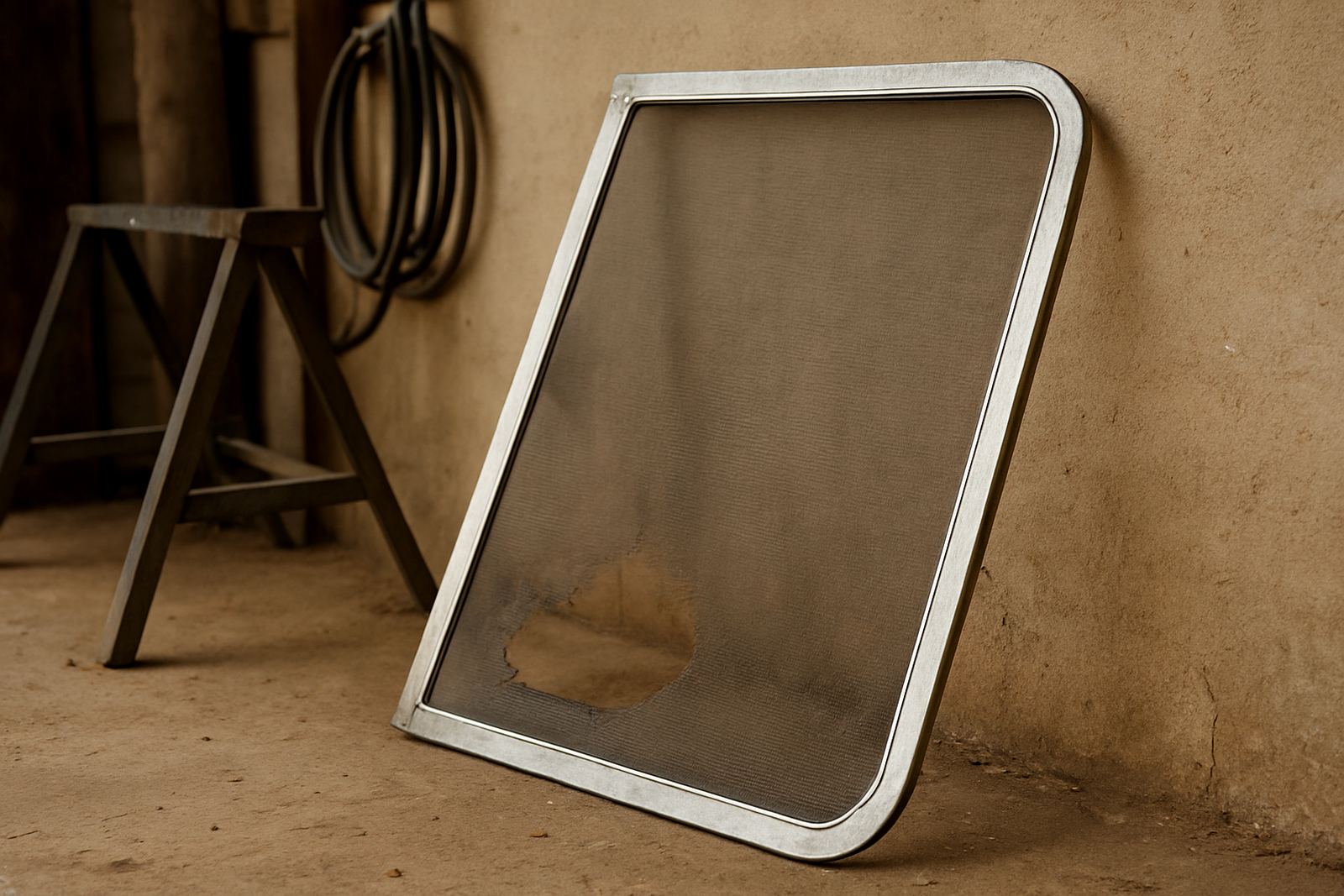
It is worth asking about repairs as well. Mesh can tear, rollers can wear and hardware can loosen after a few seasons. If you are putting screens on several openings, as in an estate rollout or office block, ask whether seasonal checkups and aftercare support are available. That can save time when load shedding, rain or holiday traffic makes access more difficult. A supplier who can replace mesh, service tracks and sort hardware later is often the better long term choice, even if the first quote is not the lowest.
- Can the screen be repaired without replacing the whole unit?
- Are track servicing and hardware replacement available later?
- How do you clean the screen without damaging it?
- Is there aftercare if a panel starts rubbing or sticking?
Compare security claims carefully if safety is part of the brief
Not every screen that looks strong will perform well under pressure. If security is a concern, ask what the screen is tested to resist and how it is installed into the opening. The mesh, frame, locks and screws need to work together. A tough mesh in a weak frame will not help much. Likewise, a neat frame fixed into soft or cracked plaster may fail under strain.
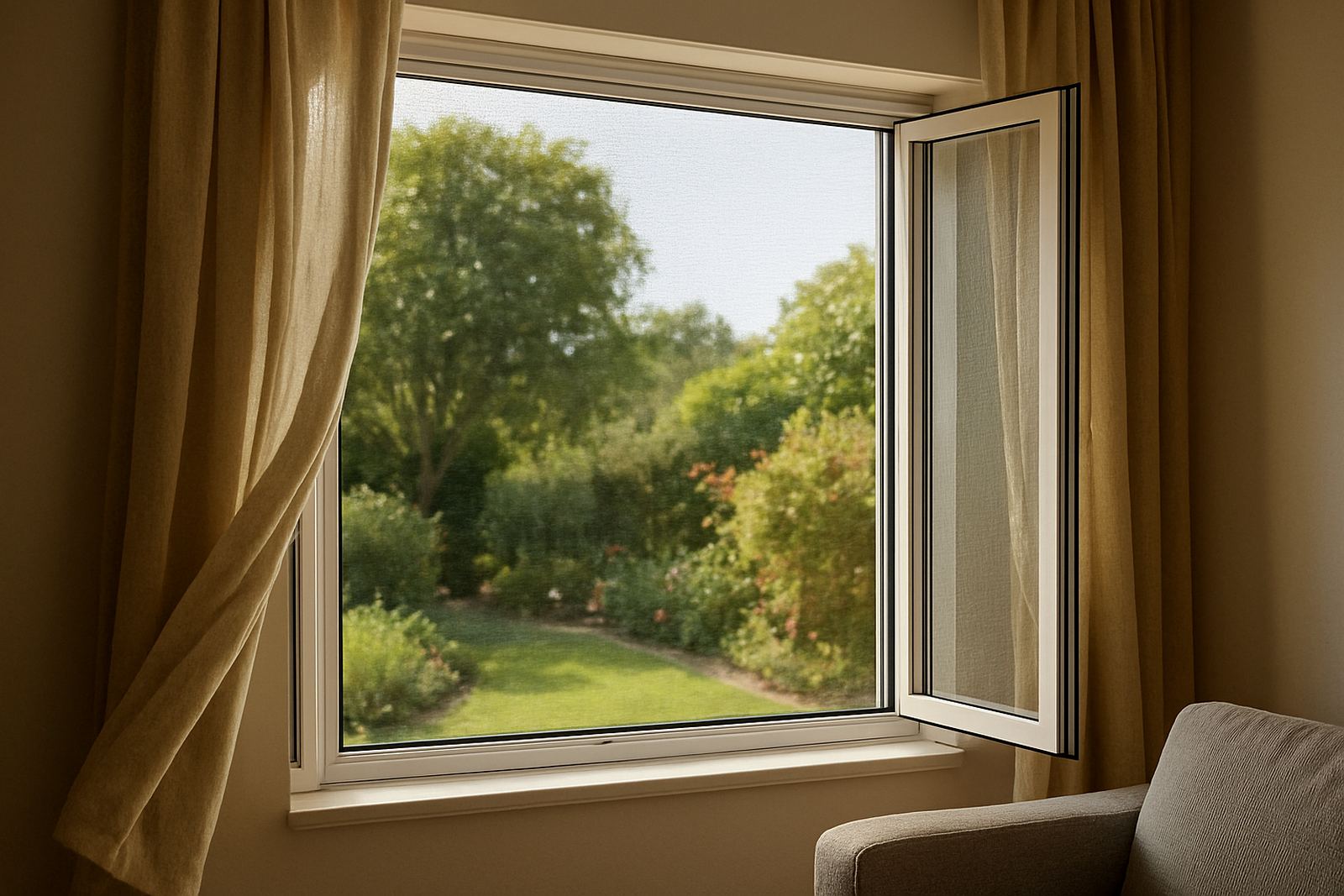
Ask how the product affects everyday comfort too. A secure screen that makes a room too dark or too hot will not be used properly. In homes around Walmer and Summerstrand, many people want the balance of airflow, visibility and peace of mind. For offices and retail areas, the right question is often whether the screen protects the opening without making the space feel closed off. That balance matters, especially in rooms that depend on natural ventilation during power cuts.
- What part of the system provides the actual security?
- How is the screen anchored into the opening?
- Will it still allow light and airflow?
- Can it be matched to existing gates, shutters or alarms?
Get clarity on lead times, customisation and rollout support
Custom made screens are measured and built for the opening, so lead time is part of the buying decision. Ask how long manufacture will take, when installation can be scheduled and whether there is space to stage a bigger job if you are fitting multiple rooms or units. In areas like Despatch or Uitenhage, planning the site visit properly can reduce delays and save a second callout.
Also ask how much customisation is possible. Some properties need colour matching, special sizes, mixed opening types or a different mesh in each room. Others need a phased install so the most used rooms are done first. If you manage a block of units or a business site, ask whether there is rollout support and one point of contact for updates. That keeps communication simple and avoids confusion when several openings are being fitted at once.
- What is the manufacture and installation timeline?
- Can different openings have different screen types in one project?
- Is phased installation possible for larger properties?
- Who handles updates, changes and follow up once the order is placed?
Use one local example to test the quote against real life
Imagine a family in Walmer asking for insect screens on bedroom windows, a security screen on the kitchen door and shade for a sun facing lounge opening. The best supplier will not simply hand over a price. They will ask about the room use, the direction of the sun, nearby trees, the age of the frames and how often the openings are used. That is the difference between a useful proposal and a guess.
They will also talk through the practical side. How easy is the screen to clean after a windy week? Will the kitchen door still open fully when groceries are carried in? Will the bedroom stay cooler in summer without becoming too dark? Those are the questions that make a screen work in real homes and businesses across Gqeberha, from the coast to the inland suburbs.
If you ask these questions before buying, you are more likely to get a screen that fits properly, lasts longer and suits the way you live. That is especially important in the Eastern Cape, where weather, dust and security needs can change from one property to the next.