When a screen stops sitting square
A screen should sit neatly in its frame and move without forcing it. If you need to lift one side, push harder than usual, or jiggle the panel to get it closed, that is often the first sign that the frame has shifted or the rollers, guides or hinges are no longer tracking properly.
In coastal areas such as Gqeberha and Walmer, salt in the air can speed up wear on small hardware. A minor twist in the frame can lead to rubbing on the top or bottom rail, and once that starts the surface finishes and mesh begin to suffer too.
- Look for a visible gap on one side and a tight pinch on the other
- Check whether the latch lines up without having to pull the door into place
- See if the panel catches at the same point every time
Dragging tracks and stiff movement need attention
Dragging tracks are one of the clearest repair warning signs. When a sliding screen starts to scrape, jump or stop halfway, the problem may be dirt in the track, worn rollers, bent guides or damage from someone forcing it during load-shedding evenings when lights and movement inside and outside are less controlled.
Do not keep pushing a stiff screen until it gives way. That pressure can bend the track lip, damage the bottom wheel assembly or crack the corner joints. Once the track is compromised, the repair becomes more involved and the screen may no longer close properly against insects, dust or wind.
- Clean out sand, pet hair and grit before assuming parts are broken
- Listen for scraping, clicking or a rough patch while opening and closing
- If the movement feels heavier than last month, get it checked
Loose mesh and frayed edges are not just cosmetic
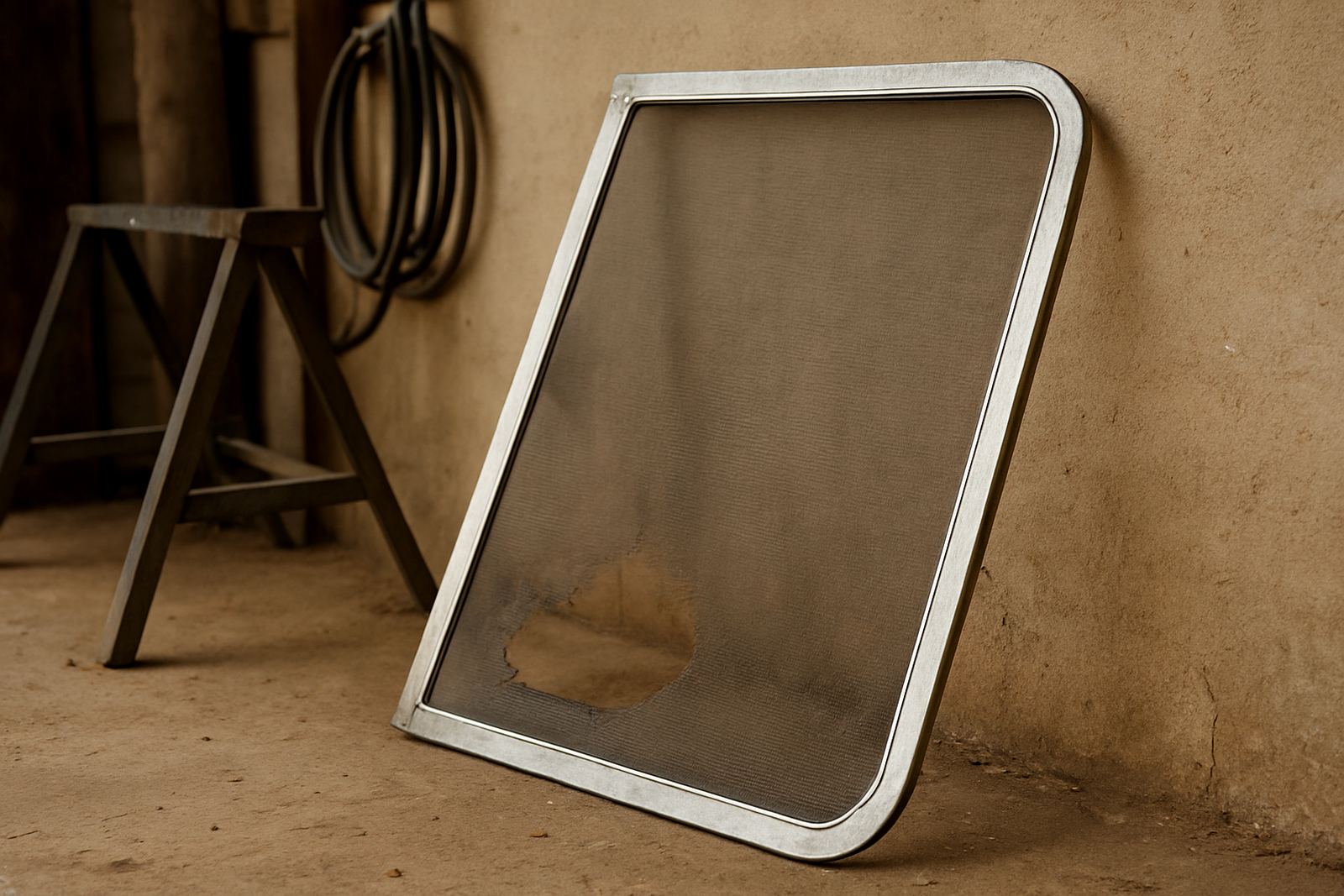
Loose mesh is one of the most common signs that a repair is due. If the mesh bows outward, lifts at the corners or has started to pull away from the frame, insects will find the opening long before you notice it from across the room. On security screens, a loose section can also affect the way the panel tension holds under use.
Mesh damage often starts small. A cat paw, a patio chair, wind pressure or a child leaning against the screen can stretch the material. In humid areas like Jeffreys Bay and St Francis Bay, ageing mesh may also become brittle at the edges and begin to split where it has been under tension for years.
- Check for sagging in the centre of the panel
- Inspect corners where the spline or fixing strip meets the frame
- Look for small tears before they grow along the weave
Alignment problems show up in locks, gaps and rattles
Alignment issues are easy to ignore at first because the screen may still close, just not cleanly. If the lock needs a second try, the handle sits too high or too low, or the panel rattles in a breeze, the unit may be out of square or the fittings may have shifted over time.
This matters on homes and businesses alike. A screen that is slightly out of line can leave a visible gap, and that gap becomes a route for insects, dust and wind-driven rain. It can also put uneven pressure on the frame which shortens the life of hinges, catches and corner joints.
- Watch for uneven spacing between the frame and the opening
- Check whether the lock meets the strike plate cleanly
- Notice if one corner lifts when the other side is shut
Local conditions can speed up wear in the Eastern Cape
Screen repairs are not only about age. Location makes a difference. Along the coast, salt air can corrode small hardware and dull moving parts. Further inland, dust and wind can clog tracks faster. In newer estates, repeated opening for daily use can wear out the same contact points far quicker than expected.
That is why we often recommend seasonal checkups. A quick inspection before summer or after a storm can catch early wear, which is usually easier and cheaper to sort out than a full replacement. It also gives you a chance to test the fit before the insect pressure picks up later in the season.
- After strong wind, check for frame twist or loosened fixings
- After heavy rain, look for swelling around timber surrounds
- In coastal homes, watch hardware for early signs of corrosion
A practical example from Walmer
A homeowner in Walmer noticed that the patio screen was still closing, but only after a firm push at the bottom corner. A few weeks later the mesh began to bow and the track made a dry scraping sound. What looked like a minor nuisance turned out to be a mix of worn rollers, a slightly bent guide and a loose section of mesh at the edge.
Because it was caught early, the repair stayed simple. The track was serviced, the hardware replaced and the mesh renewed before the frame suffered any further damage. If it had been left longer, the whole panel could have needed a more costly rebuild. That is the point: small signs are often the best time to act, not after the screen has failed completely.
- Do not wait for a screen to jam before asking for help
- Service the moving parts before they start cutting into the frame
- Treat early noise, drag or looseness as a warning sign
What to do before a small fault becomes a bigger one
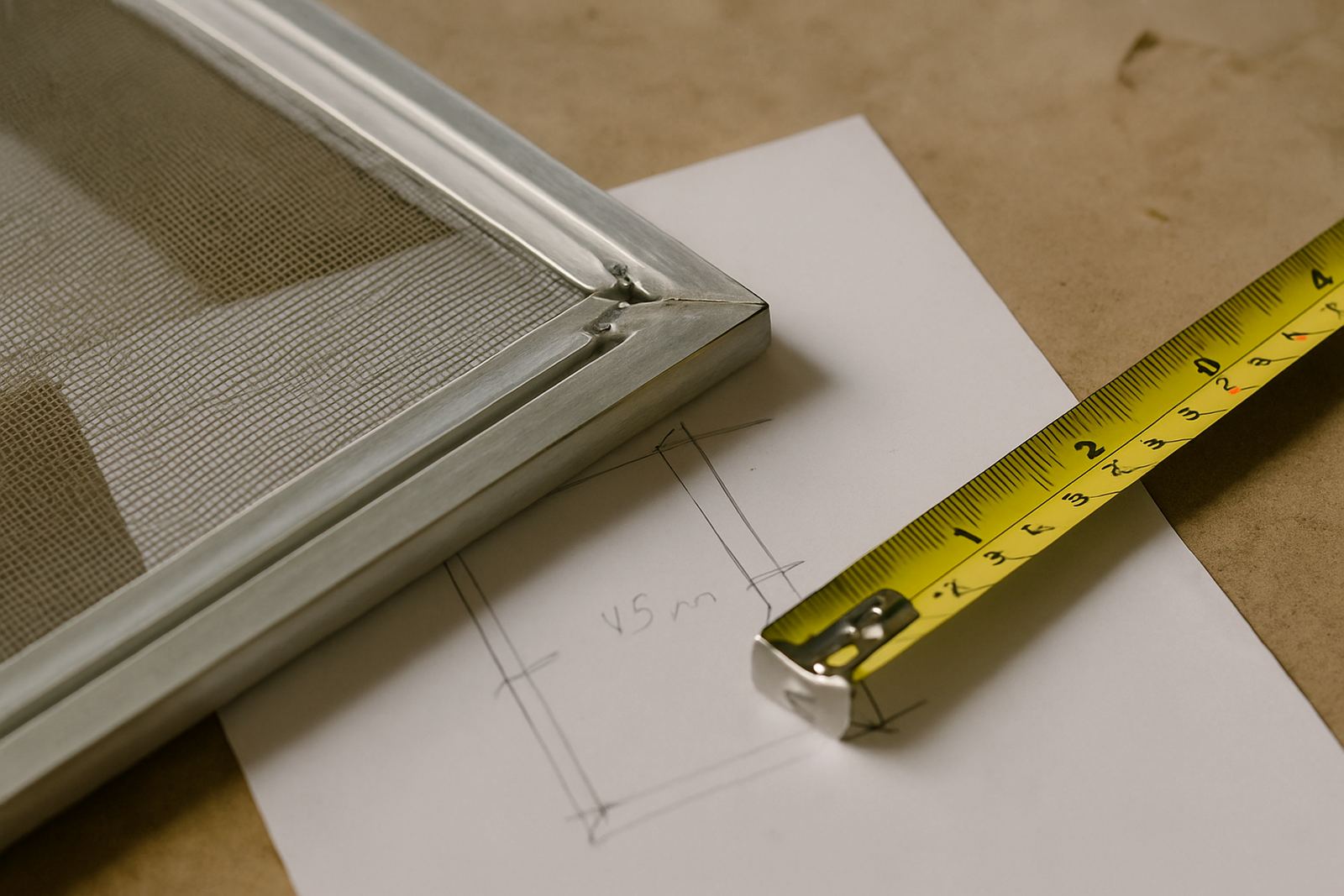
If a screen or shade is showing any of these warning signs, a proper inspection is the next step. That may involve site measurements, a product check, minor track servicing, mesh replacement or hardware replacement depending on what is worn. The aim is to restore smooth movement, a neat fit and reliable closure.
For homes in Summerstrand or Newton Park, and for commercial sites in Uitenhage, Despatch or Jeffreys Bay, regular checks can keep doorways and openings working properly through the year. It is a practical bit of upkeep and it saves time later, especially when multiple panels are involved.
Look for the signs early: drag, looseness, poor alignment and visible wear. Those details tell you when a repair is needed, and they usually tell the truth long before the whole unit gives up.