Why offices need more than open windows
In a coastal city like Gqeberha, fresh air is welcome, but open windows can bring in flies, moths and windblown dust, especially in summer. For offices that rely on natural ventilation, screening lets staff keep windows open longer without turning meeting rooms, reception areas or pause spaces into a nuisance. That matters in Walmer, Summerstrand and Newton Park where mixed office use is common and people move between rooms all day.
Good screen systems also help when load-shedding changes the rhythm of the workday. If air conditioning is off, offices often need safe, practical ventilation without leaving openings exposed. In commercial spaces, the right screen can support comfort and reduce the need to keep a window shut all morning. It is a small change, but over time it makes a real differnce to how a room feels.
Choosing the right screen for each office zone
Not every area needs the same solution. A reception window faces different conditions to a storeroom, an executive office or a tea station. ScreenMaster works with site measurements and product consultations so the screen matches the opening, the use and the level of traffic through that space.
- Reception and front offices: Neat screens that keep views clear while stopping insects near entrances.
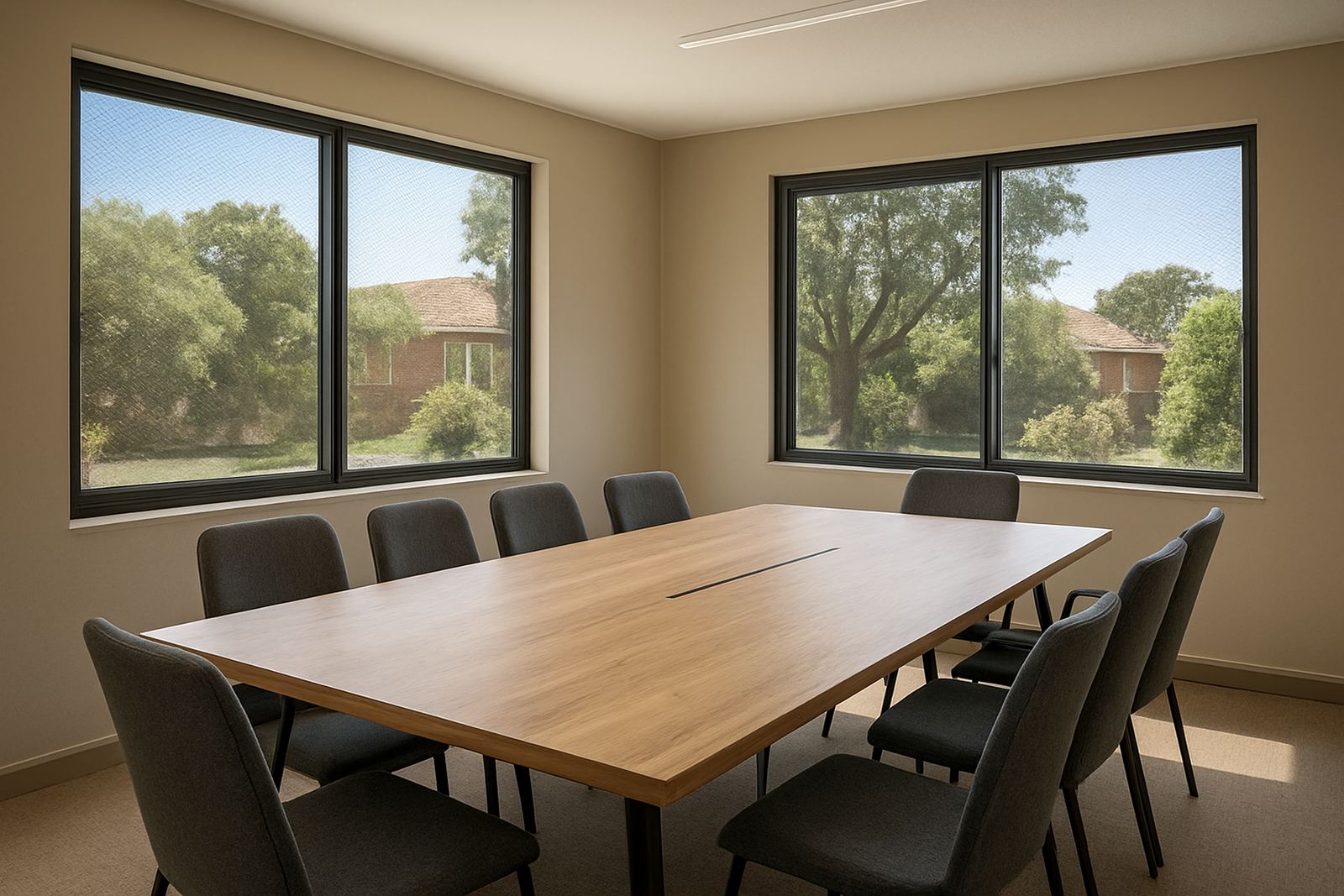
- Boardrooms and meeting rooms: Options that balance airflow with a tidy finish for client facing spaces.
- Tea rooms and kitchen areas: Practical insect control where crumbs, moisture and bin areas attract pests.
- Ground floor offices: Stronger screen systems where windows stay open for longer periods.
- Store rooms and back offices: Hard wearing screening for less visible but heavily used openings.
The aim is not to fit every opening with the same type of product. It is to solve the problem at each point without making the building feel overdone.
Security screens for commercial peace of mind
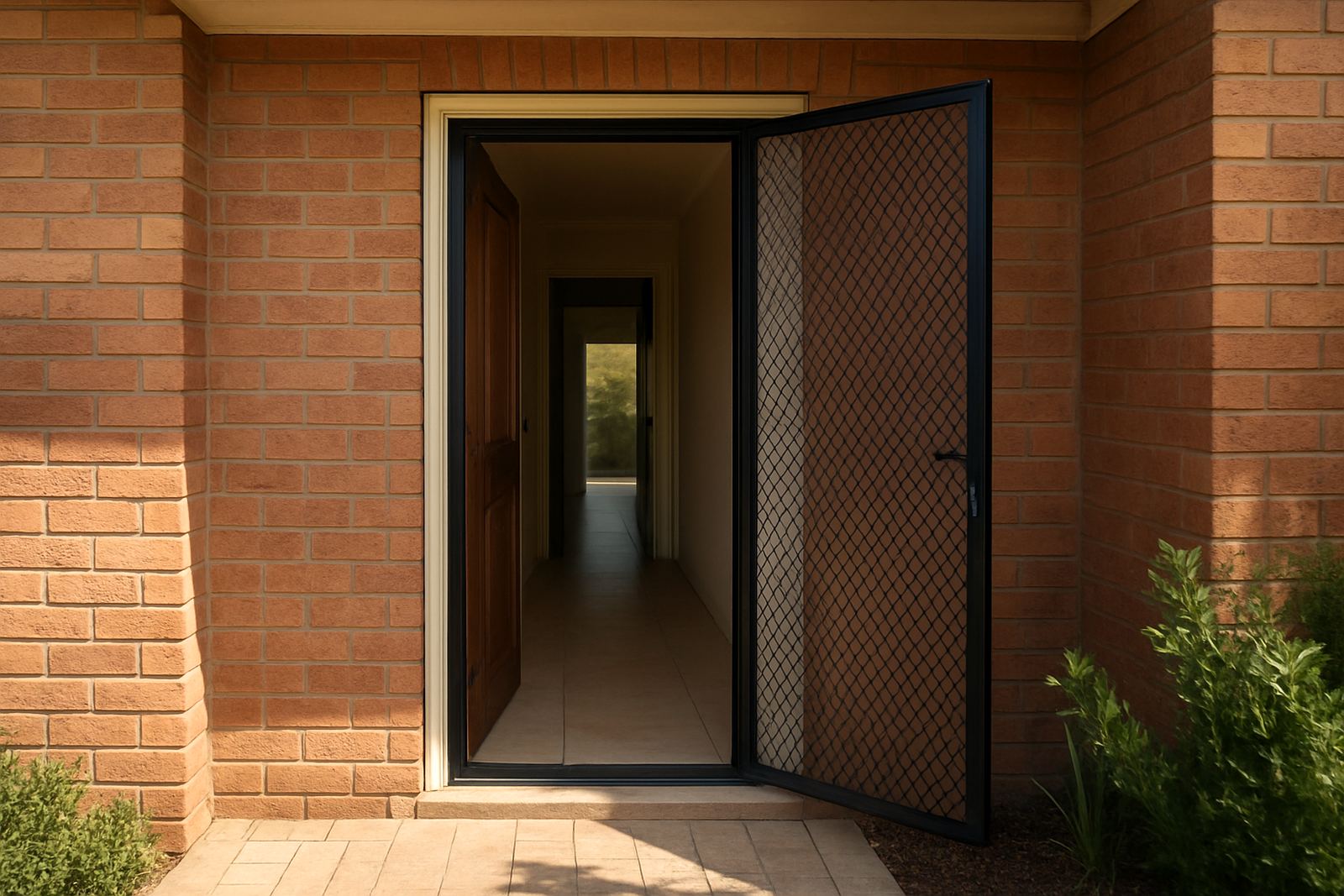
For many businesses, screening has to do more than manage insects. Ground floor offices, admin blocks and consulting rooms often need added security without losing daylight. Security screens can help protect windows and doors while still allowing staff to open them for ventilation during mild weather. That is useful in towns like Despatch, Uitenhage and Jeffreys Bay where offices may have mixed pedestrian and vehicle access close to the building.
ScreenMaster supplies custom made security screens for commercial use, which means the finish can suit the building rather than looking like an afterthought. Where businesses are working with municipal rules, body corporate requirements or estate standards, it helps to have a product that can be measured properly and fitted cleanly. A screen that closes smoothly and locks correctly is less likely to cause trouble for staff, especially in busy offices with more than one person opening and closing windows during the day.
Mesh choice and visibility in working spaces
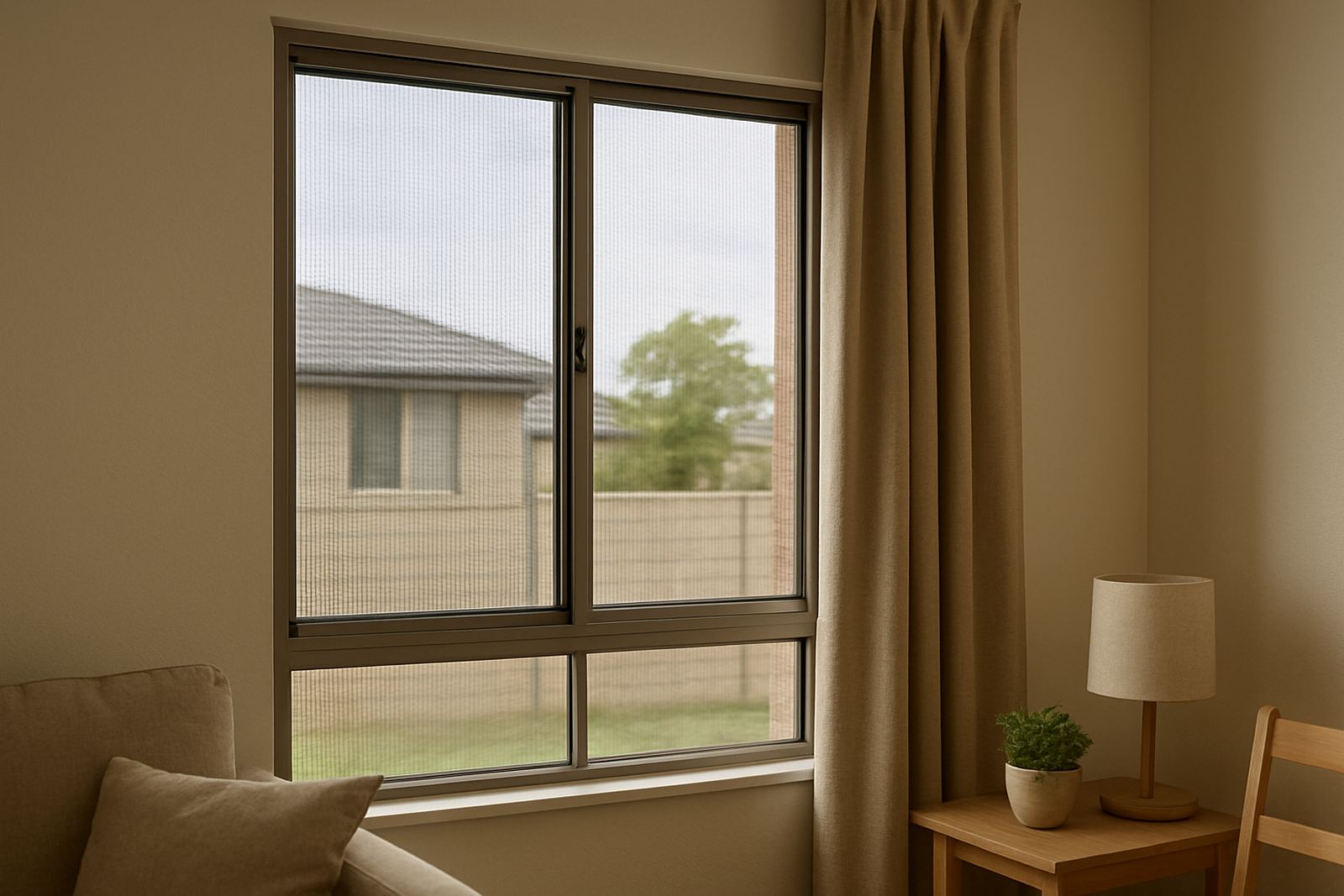
The mesh itself affects how an office looks and performs. Finer mesh can reduce insect entry more effectively, while still keeping visibility acceptable for windows that face a parking area or courtyard. In other cases, a stronger mesh is better for durability, especially where cleaners, staff or visitors pass close to the opening. Coastal humidity in places like St Francis Bay can also influence what lasts well over time.
When choosing a mesh, office managers usually want three things: airflow, a tidy appearance and easy upkeep. The right balance depends on how the room is used. A sales office may want maximum light. A records room may need a more practical fit. In some buildings, the best choice is a screen that allows the window to remain usable, because sealed windows can make small offices feel stuffy by mid morning.
- Finer mesh suits client facing rooms where appearance matters.
- Stronger mesh suits busy areas with regular contact.
- Light coloured finishes can help screens sit quietly against painted frames.
- Dark mesh may reduce visual distraction in offices with a lot of daylight.
How screening supports maintenance and cleaner offices
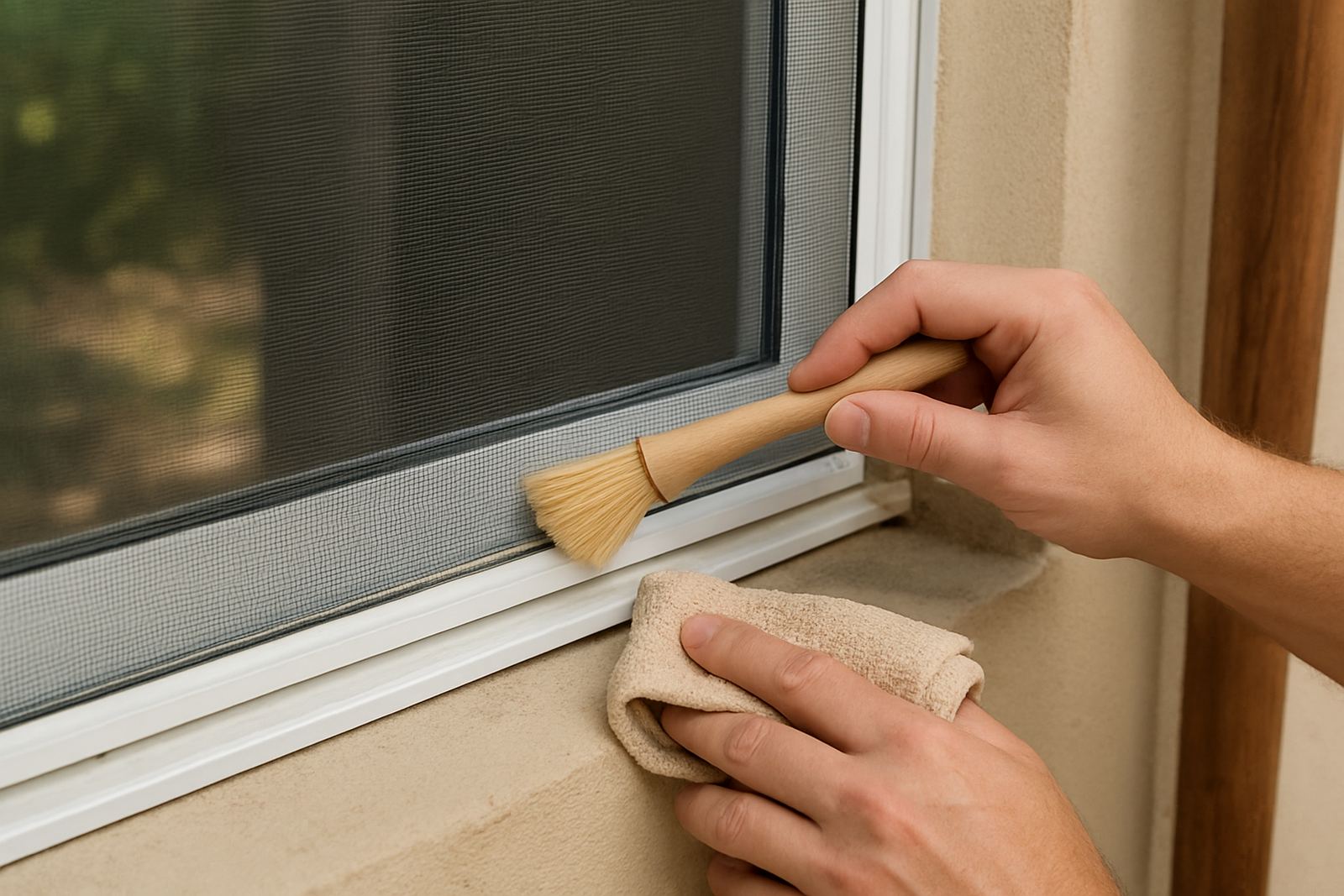
A screened office is often easier to keep clean. Fewer insects get in, so less time is spent wiping sills, sweeping dead moths from light fittings and dealing with mess around open windows. In commercial spaces that use shared kitchens, this can be a practical advantage. Seasonal checkups also help because screens, tracks and hardware are inspected before small faults turn into bigger repairs.
ScreenMaster handles screen repairs, mesh replacement, track servicing and hardware replacement, which is useful where offices are occupied every weekday and there is not much time for disruption. If a screen starts dragging, rattling or not latching properly, it is usually cheaper to sort it early. A loose fitting left for months can damage the frame or make staff stop using the screen at all.
- Seasonal checkups help before summer insect pressure rises.
- Track servicing keeps sliding units easy to open and close.
- Hardware replacement restores proper closing and latching.
- Mesh replacement is often enough when the frame is still sound.
A local example from Walmer to office park use
In Walmer, office buildings often mix client meeting spaces with smaller internal rooms and staff kitchens. That is where practical screening earns its keep. A business may want the boardroom windows open in the morning, but not want flies coming in from the parking area or courtyard. With the right measurement and custom manufacture, screens can be fitted so the windows still work properly and the office keeps a professional finish.
For larger rollouts, the same approach works across several branches or units. An estate rollout or commercial installation needs clear planning, consistent fitting and aftercare support so every room behaves the same way. That is especially useful when a business has multiple sites across Gqeberha, Jeffreys Bay and the surrounding towns. One good install can set the standard, but the details have to be right from the start.
What office managers should ask before ordering
Before choosing screens, office managers should think about how each room is used, who opens the windows, and whether the area needs insect control, added security or both. It also helps to consider sunlight, cleaning routines and whether the building faces salt air from the coast. Small choices up front can prevent frustration later.
At ScreenMaster, the usual process starts with a site visit, product advice and measurements, followed by custom manufacture and installation. That approach suits offices because no two openings are the same and many commercial buildings have older frames or non standard sizes. If you get the measurements right, the rest becomes much easier.
- Ask which rooms need airflow most often.
- Check whether window frames open inward or slide across.
- Confirm if security is a concern at ground level.
- Factor in cleaning, aftercare and future repairs.
For businesses across Walmer, Gqeberha and the wider Eastern Cape, the practical value is simple: a screened office is easier to use, more comfortable for staff and better suited to the local climate.