Why rental properties benefit from proper window screens
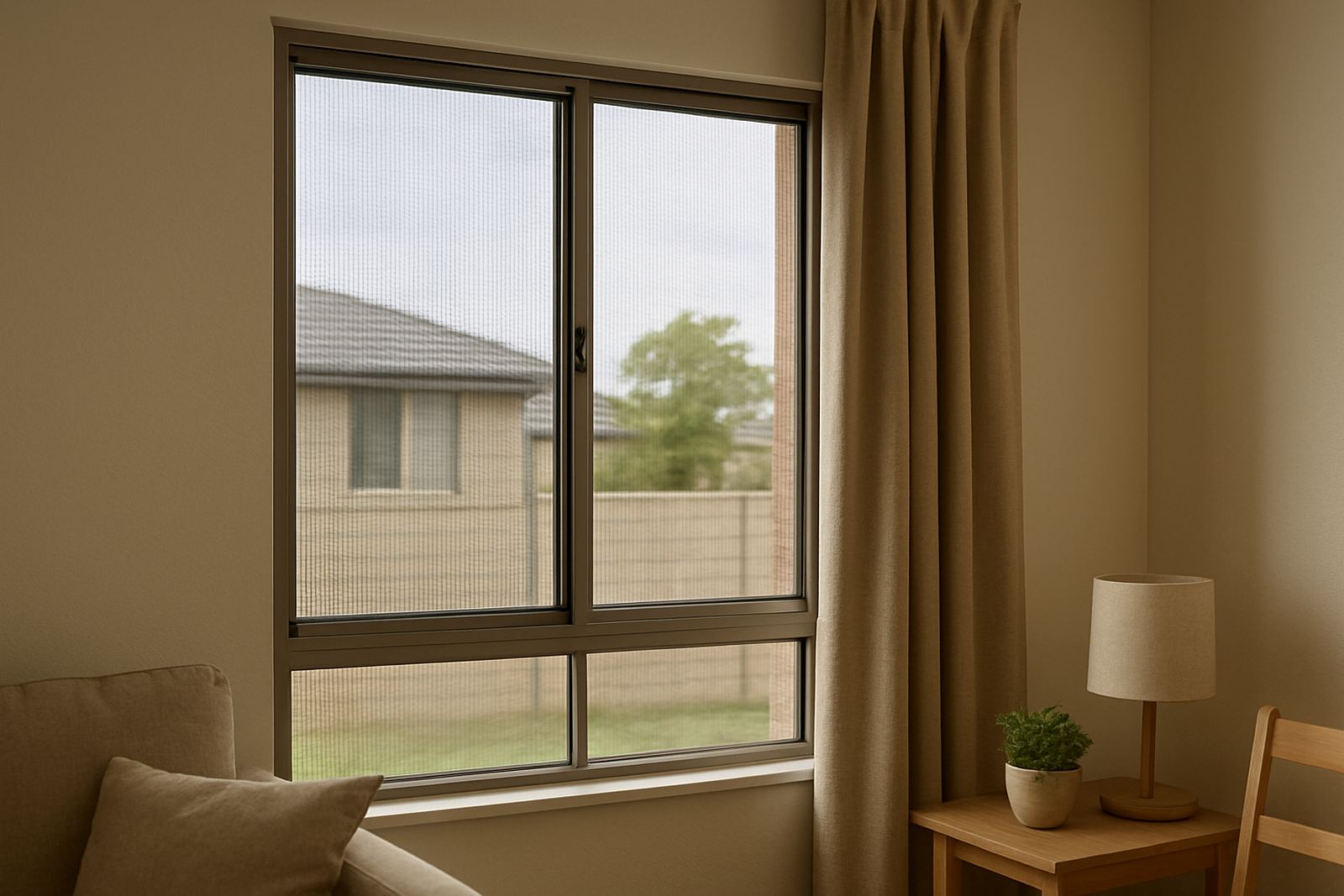
In rented homes, small practical upgrades often make the biggest difference to tenant satisfaction. Window screens help keep out flies, mozzies, midges, and windblown dust, while also giving tenants the option to open windows for fresh air in summer. In the Eastern Cape, where coastal humidity and warm evenings can bring insects in quickly, that matters more than many owners expect.
For landlords and estate managers, screens can also reduce repeat calls about poor ventilation, restless nights, and damage caused by tenants using makeshift solutions. A proper screen system looks neat, works day after day, and gives the property a more cared-for finish. In a rental unit, that practical value often outweighs a cheap short-term fix.
ScreenMaster works with homeowners, landlords, body corporates, and letting agents across Gqeberha, Walmer, Summerstrand, Newton Park, Uitenhage, Despatch, Jeffreys Bay, and St Francis Bay. That local spread matters because rental needs are not the same in every area, and neither are the weather conditions.
Choose systems that suit tenant turnover
A good rental screen should be easy to use, easy to maintain, and tough enough for different tenants over time. If a screen is too fiddly, people will force it. If it is hard to remove, they may damage it during cleaning. If the mesh is too fine for the frame or the fixing points are weak, it will need repairs sooner than it should.
Owners should think in terms of repeat use, not just first impressions. A system that can handle seasonal checkups, mesh replacement, and track servicing gives you better long term value. It also makes life easier when a tenant moves out and the next one wants a quick handover with fewer issues to sort out.
- Use frames and fittings that can handle regular opening and closing
- Choose mesh that suits the home, from insect control to stronger security options
- Make sure cleaning is simple for the tenant and serviceable for the owner
- Prefer custom manufacture where windows vary in size or style
Security screens for ground-floor and accessible windows
Rental homes often need more than insect control, especially on ground-floor rooms, stoops, and windows facing boundary walls or parking areas. Security screens can add another layer of protection while still letting in light and airflow. For owners, that means a better balance between tenant comfort and property safety.
In multi-let properties, security screens can also help set clear standards. They reduce the need for bulky secondary barriers and can be matched to the style of the home so the property still presents well. This is useful in Walmer and Summerstrand, where appearance matters to tenants, and in more compact properties where space is limited.
It is worth choosing hardware that can be serviced later. A screen that cannot be adjusted or repaired properly becomes a problem for everyone. Strong fixing points, neat finish, and replacable wear items save time when a tenant reports trouble after a busy summer or a windy spell.
Shading solutions that support comfort and lower heat load
In some rentals, the real complaint is not insects at all, it is heat. Afternoon sun, especially on west-facing windows, can make a unit uncomfortable and increase the pressure to run cooling equipment. Shading solutions can reduce glare and help tenants manage indoor temperatures more effectively.
For owners, this can mean less wear on cooling units and a property that feels easier to live in during hot months. In coastal areas around Gqeberha, the combination of sun, wind, and damp air means fittings need to be selected carefully. Materials should suit local conditions rather than just looking good on installation day.
- Consider sun exposure by room, not only by property type
- Use shading where tenants need privacy during the day
- Match finishes to the building so the exterior stays tidy
- Check that any moving parts are easy to service over time
What landlords should specify before approving installation
Owners save money when the specification is right from the start. That means measuring properly, confirming what each window needs, and deciding whether the priority is insect control, security, shading, or a mix of all three. A rushed decision can lead to units that do not fit well or do not suit the tenant profile.
Before approval, it helps to confirm who will use the screens, how often windows are opened, and whether the property is managed directly or through an agent. In an estate or block of units, a consistent standard may be important. In a standalone rental home, a more tailored approach may work better. Either way, a site measurement and product consultation are worth doing before any order is placed.
ScreenMaster handles custom manufacture and home or commercial installations, which is useful when rental units have different window sizes or older fittings that are not quite square. That kind of variation is common in properties across the city, especially where extensions or repairs have been done over time.
Maintenance, handover, and aftercare make the real difference
Good rental screens should not become a recurring problem between tenancies. A simple maintenance plan helps keep things working and avoids unnecessary replacement. Seasonal checkups, track servicing, hardware replacement, and mesh repair should be part of the owner’s routine, not an emergency response when a tenant complains.
When a tenant moves out, it is useful to inspect each screen as part of the handover. Check for bent frames, torn mesh, loose catches, and dirt build-up in tracks. Small issues are easier to sort then, rather than after the new tenant has settled in and noticed a draught, a gap, or a screen that sticks. A little attention now saves a bigger bill later.
For rental properties in areas like Jeffreys Bay or St Francis Bay, salt air can add extra wear on fittings, so aftercare is not just a nice-to-have. It is part of keeping the investment in good order. Proper support also gives owners confidence that if something does go wrong, it can be put right quickly and properly, without fuss.
In a rental setting, the best screen system is the one tenants use every day and owners do not need to worry about. That is the real test.