Why kitchens attract flies in coastal homes
Kitchens give flies everything they want. Food smells, open bins, fruit bowls, pet bowls, damp cloths and a door that opens and closes all day are enough to bring them in. In Walmer and the wider Gqeberha area, the coastal air can also keep moisture hanging around longer, so a kitchen may feel warm and humid even when the weather has changed. That makes fly control a daily issue, not just a summer one.
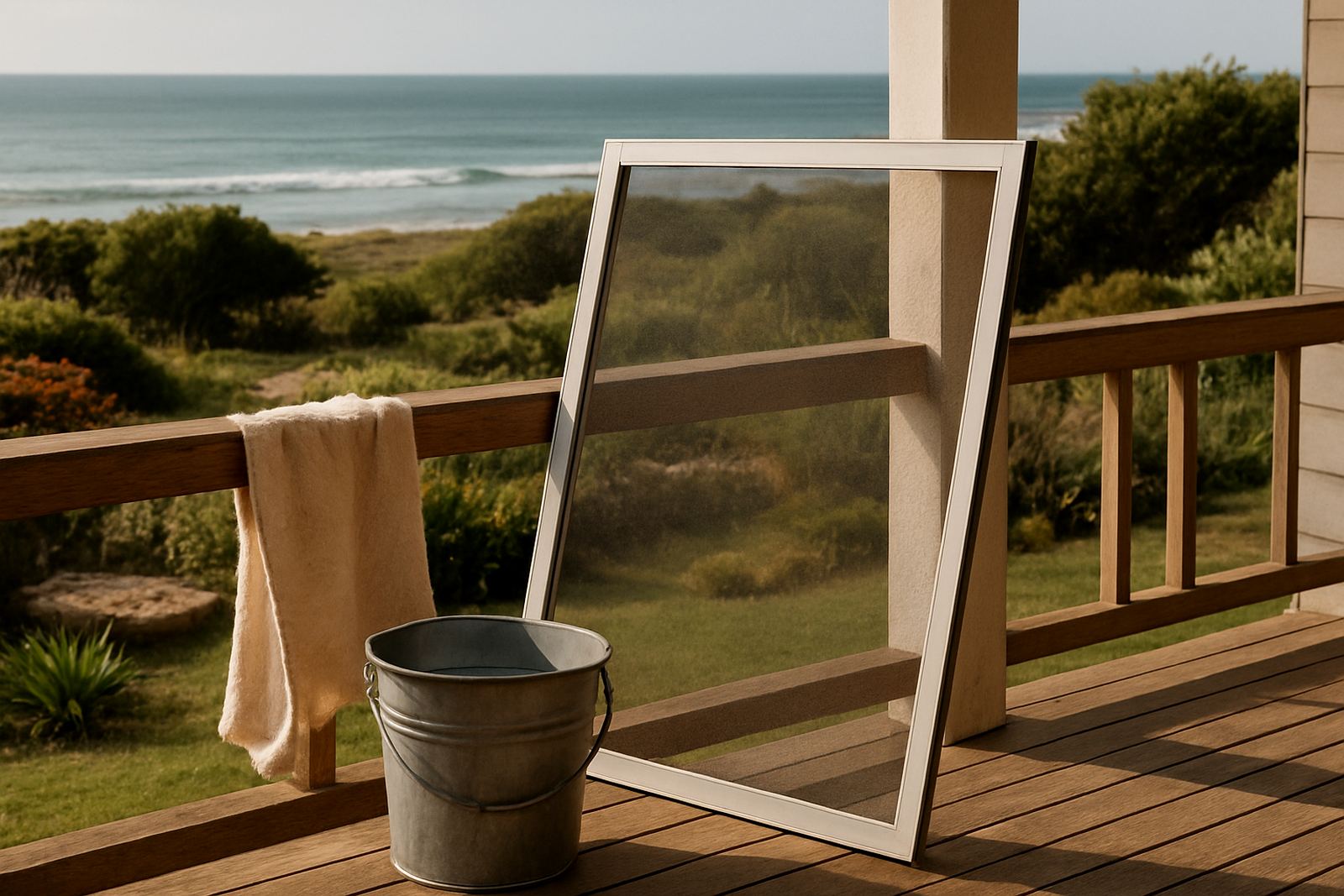
A screen helps by creating a physical barrier at the point where flies enter. That matters most on back doors, scullery doors and windows near the sink or prep counter. Once a kitchen has a good fit, you can leave a window open for airflow without inviting insects in with the breeze. For many homes and small food businesses, that is the difference between constant swatting and a calmer kitchen.
- Back doors left open for delivery drop-offs
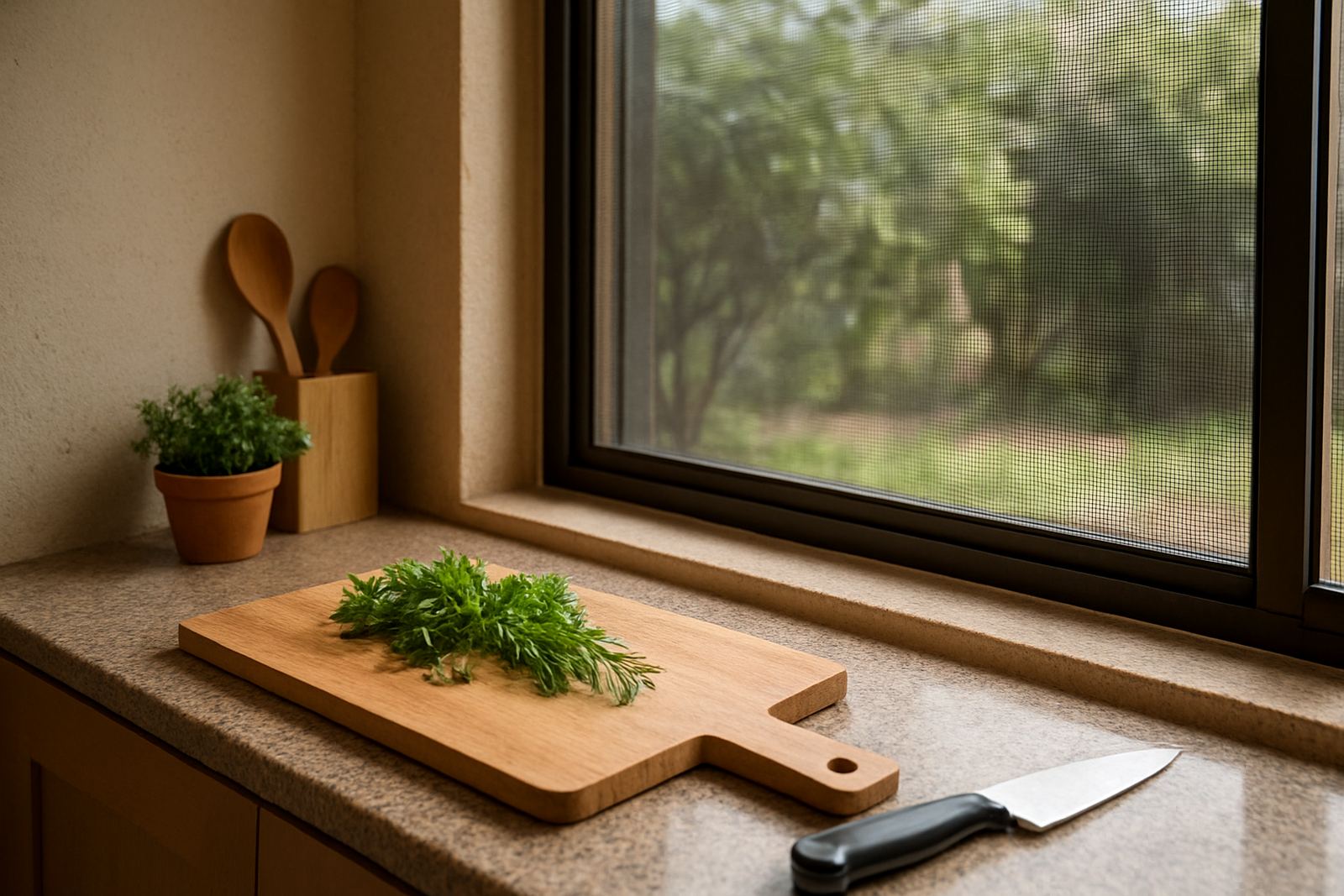
- Windows above sinks that stay open for steam
- Fruit and bread left on counters during busy meal times
- Bin areas close to the kitchen entrance
The screen types that work best around food prep areas
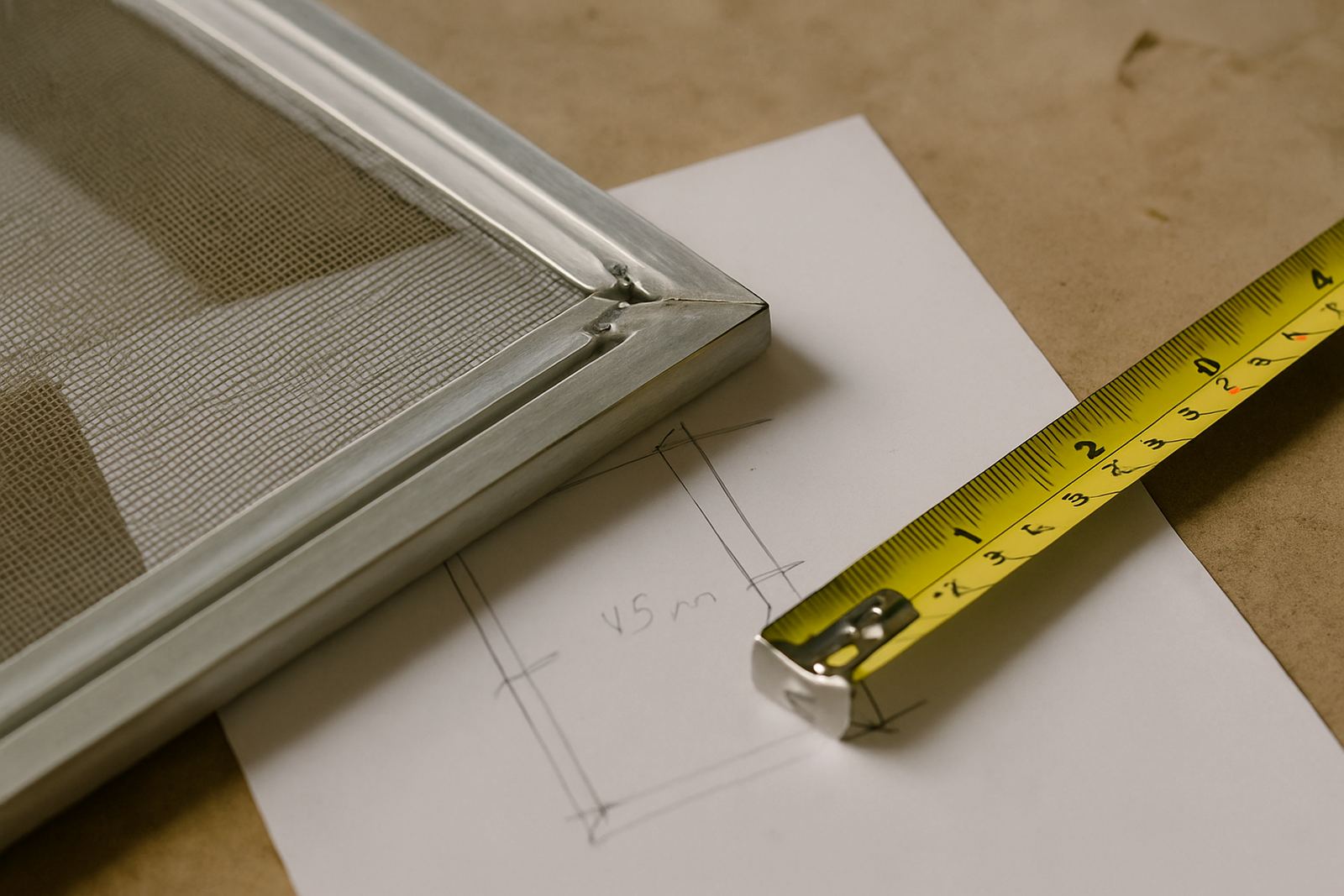
Not every opening needs the same solution. A kitchen door used several times a day may need a different screen to a small opening window. The aim is to stop insects, keep movement easy, and make sure the screen suits the way the kitchen is used. Custom manufacture is useful here because measurements are done on site and the fit is made for the actual opening, not a rough guess.
In many homes, a fine insect mesh works well on windows and door panels near food prep zones. Where security matters too, a security screen can give added protection without blocking light or airflow. For sliding doors or hinged doors leading to a courtyard or washing line, the frame and track must be aligned properly so the screen closes cleanly each time.
- Fixed insect screens for kitchen windows
- Hinged or sliding screens for high-use doorways
- Security screens where safety and airflow are both needed
- Replacement mesh for older screens that have stretched or torn
What good fly control looks like in a working kitchen
Fly control is not only about keeping insects out. A proper screen setup supports cleaner routines by reducing the need to keep doors shut all day or spray chemicals near food. It also helps when kitchens have a lot of traffic, which is common in family homes, cafés, takeaways and guesthouses. If the screen is properly fitted, it should not rattle, scrape or gap at the corners.
A practical kitchen setup usually includes a few small habits alongside the screen. Keep the bin lidded, wipe spillages quickly and clear fruit that is overripe. A screen takes pressure off these routines, but it does not replace them. In our climate a small tear can become a bigger issue quickly, especially where salt air and regular use wear mesh faster than expected.
- Check the bottom edge and corners for gaps
- Make sure the door closes without dragging
- Wash the mesh gently so grease does not build up
- Inspect seals after heavy rain or strong wind
Why maintenance matters as much as installation
Kitchen screens work best when they are kept in shape. A mesh that has loosened, a track full of grit, or hardware that no longer sits true can leave a gap that flies will find straight away. Seasonal checkups are worth doing before the hotter months and again after a wet winter, because dust, moisture and daily use all affect how the screen performs.
Track servicing and hardware replacement can solve problems before a full screen replacement is needed. If a hinge is stiff or a roller is worn, the door may not seal properly. A technician can adjust the fit, replace damaged parts and confirm that the opening still closes as it should. That saves time and avoids the frustration of a screen that looks fine but does not do the job. Small issues become bigger in no time if they are left alone.
- Track cleaning removes grit that stops smooth closing
- Loose hardware can be replaced before it fails
- Damaged mesh can be changed without replacing the full frame
- Seasonal servicing keeps doors working through busy periods
A local example from Walmer and nearby suburbs
A family in Walmer may have a kitchen door opening onto a small courtyard, with a window over the sink and strong afternoon sun coming in from the side. The room is bright, but it can also pull in flies when the door stays open for washing, cooking or moving food outside. In that kind of home, a custom screen on the door and a fitted insect screen on the window can change the feel of the space straight away.
The same approach works in Summerstrand flats, Newton Park family homes and small commercial kitchens in Gqeberha. For businesses in Jeffreys Bay or St Francis Bay, where wind and salt air can be part of everyday conditions, the right frame and mesh choice matters even more. The screen has to handle regular use and still close properly after cleaning or after a busy service period.
For estates and larger developments, an estate rollout can help keep the standard consistent across many units. That is useful when a body corporate or managing agent wants one clear solution for kitchens, patios and sculleries across several homes.
What to ask for before you order a kitchen screen
Before ordering, it helps to think about how the kitchen is actually used. Some openings are for family traffic, others for staff access or delivery movement. A proper site measurement and product consultation will show which screen type suits the opening, the finish and the amount of daily use. That avoids guesswork and makes sure the screen is made to fit neatly.
When planning a kitchen fly control solution, ask about aftercare support too. If a screen is damaged during moving, cleaning or renovation work, repairs should be straightforward. A good supplier should be able to help with mesh replacement, track servicing and hardware replacement without turning the job into a major project.
- Measure the exact opening, not the old screen alone
- Check whether the door swings, slides or folds
- Ask if the mesh should suit insects, security or both
- Confirm how servicing and repairs will be handled later
For kitchens in Gqeberha and across the Eastern Cape, the best fly control solution is usually the one that fits the way the room is used every day. A well-made screen keeps the air moving, supports cleaner habits and makes the kitchen feel easier to live with. That is practical value you notice from the first hot afternoon onwards.