A clean edge is the first thing people notice
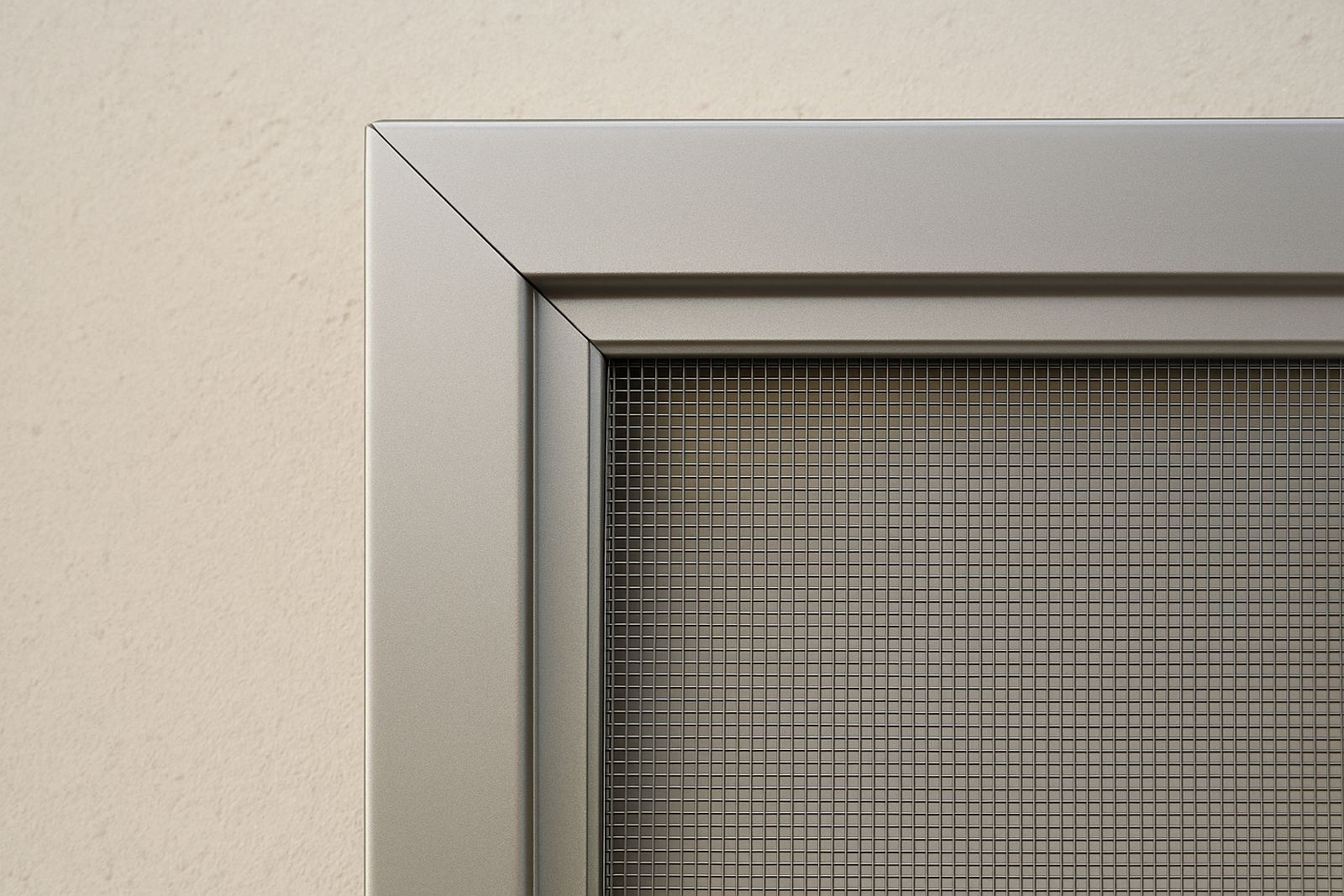
When a screen is fitted, most people notice the frame before they notice the mesh. Straight corners, even margins and tidy edge trims tell you the work was measured properly and installed with care. If the frame sits skew or the corners look rough, the whole opening feels unfinished even when the screen still does its job.
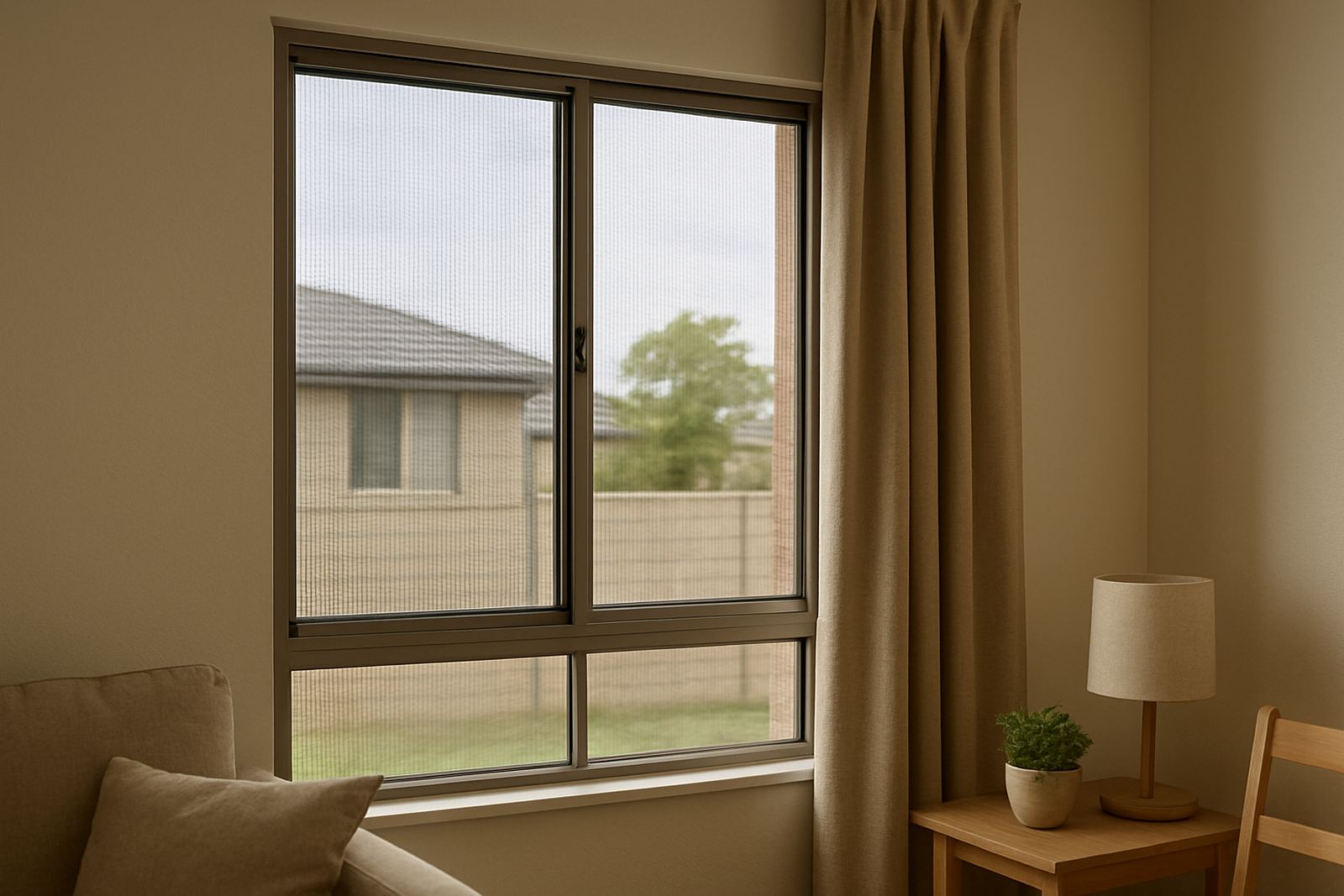
This matters in front entrances, patio openings and shopfronts where the screen is part of what guests or customers see first. In Walmer, Summerstrand or Newton Park, many homes and businesses have painted timber, aluminium and tiled surrounds. A screen that follows those lines neatly will look like it belongs there. One that sits slightly off can catch the eye for the wrong reason, even from across the room.
Good finishing is not only about appearance. Clean lines usually mean the screen was cut to the opening properly, fixed square and checked against the frame before final fastening. That reduces rattling, scraping and wear over time. It also means less chance of the mesh pulling loose at the edges where dust and insects can start finding a way through.
Tidy corners matter in security screens too
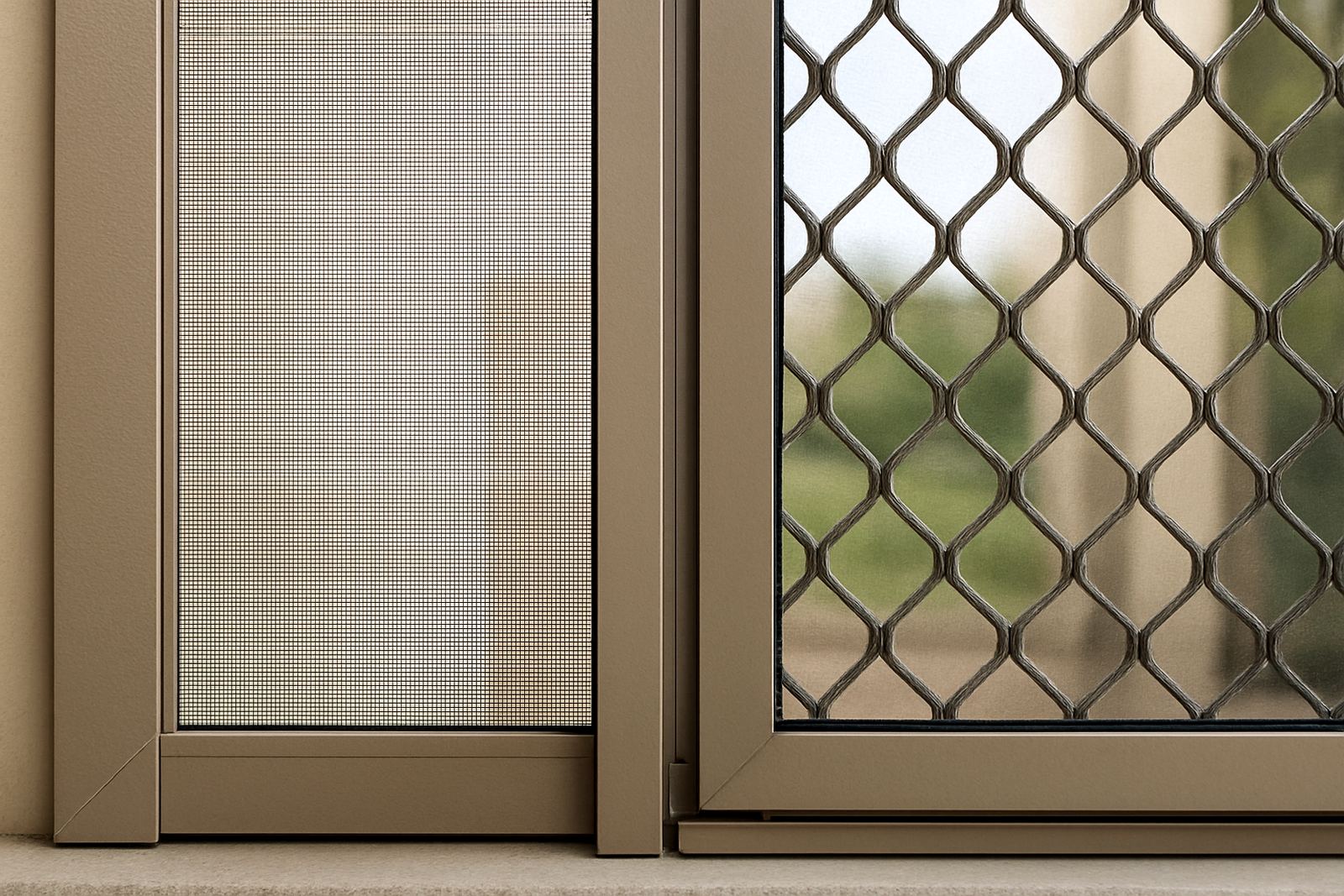
Security screens have a different job from insect screens, but the finishing standards are just as important. A heavy-duty screen must look orderly if it is going to sit on the front of a house or business premises. If the corners are open, the screws uneven or the mesh crimped badly, the installation can look hurried even when the material itself is suitable.
Many property owners in Uitenhage, Despatch and the wider Eastern Cape want stronger protection without making the front of the building look harsh. That is where careful finishing helps. Clean mitres, hidden fixings where possible and well-set frames keep the screen looking part of the building rather than an add-on. It also makes ongoing servicing simpler because a technician can work on the unit without damaging surrounding paint or plaster.
For older homes especially, neat finishing can be the difference between a screen that feels like a proper upgrade and one that draws attention for the wrong reasons. We have seen openings where the frame was sound but the visible screws, uneven sealant and rough cuts made the job look incomplete. The result is often the same question from the homeowner: why does it not look as good as it should? Usually the answer is in the last 10 percent of the workmanship.
Mesh tension and trim detail change the whole look
Mesh tension is easy to overlook until you stand close. If the mesh is too loose, it can sag and create soft waves across the panel. Too tight, and it can distort the frame or pull the corner lines out of shape. The best finish sits in the middle, with the mesh flat, even and neat at the edges. That gives a crisp look and helps the screen perform better in daily use.
The trim detail around the perimeter matters as well. A straight, consistent bead or edge cap hides the cut line and protects the mesh from lifting. At entrances facing strong afternoon sun, especially in open areas around Jeffreys Bay and St Francis Bay, that edge detail becomes even more important because heat and movement can work on a screen over time. A tidy finish slows down that wear.
- Flat mesh gives a cleaner view from inside the room.
- Even tension helps the screen stay stable in wind and repeated use.
- Neat edge finishing reduces fraying at the cut points.
- Proper trim work makes repairs and future mesh replacement simpler.
The finish should suit the building, not fight it
Good screen work should fit the style of the opening. A modern aluminium window in a townhouse in Summerstrand does not need the same visual treatment as a timber cottage in Walmer or a shop entrance in Newton Park. The profile thickness, colour, mesh type and fixing method all affect how the finished result reads from the inside and outside.
On commercial sites, especially where clients and staff pass through doors all day, the finish also affects confidence. If a screen looks loose, rattly or mismatched, people treat it roughly. If it looks square and intentional, they use it with care. That small difference matters in offices, schools, medical rooms and retail spaces where daily traffic is high.
For body corporate estates and sectional title properties, neat finish work also helps with consistency from unit to unit. Once one opening looks right, the rest should follow the same standard so the estate does not end up with a patchwork of different edges and fixings. That is often what makes a rollout look well managed instead of pieced together.
Why aftercare protects the original finish
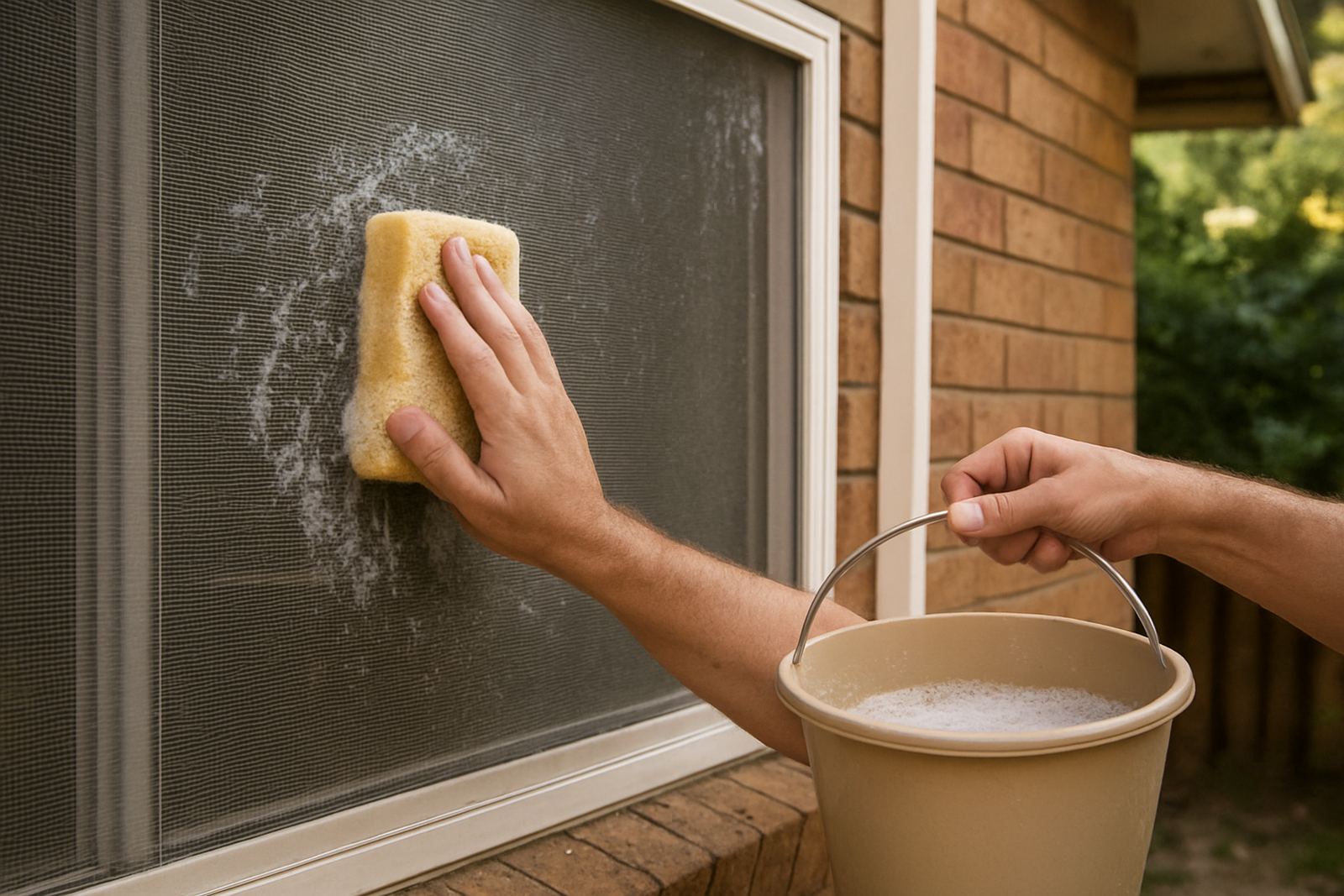
Even a very tidy installation needs attention over time. Tracks collect dust, rollers wear, screws loosen and mesh can be damaged by pets, storms or regular use. If those small issues are left alone, the screen starts to lose its clean lines. What was once a neat fit becomes a panel that sticks, gaps or sits out of square.
Seasonal checkups and simple servicing help keep the original finish intact. A technician can adjust alignment, replace hardware, clean tracks and sort out minor damage before it becomes visible from across the room. In coastal humidity, that kind of care matters even more because salt, moisture and wind can move faster than many people expect. A little maintenance saves a lot of grief later.
For homeowners and business owners alike, the real value of a good screen is not only in the first week after fitting. It is in how it still looks and works months or years later. That depends on the first measure, the final adjustment and the follow-up care. When all three are done well, the screen stays part of the space rather than turning into something people start noticing for the wrong reasons.