Start with how the door is used every day
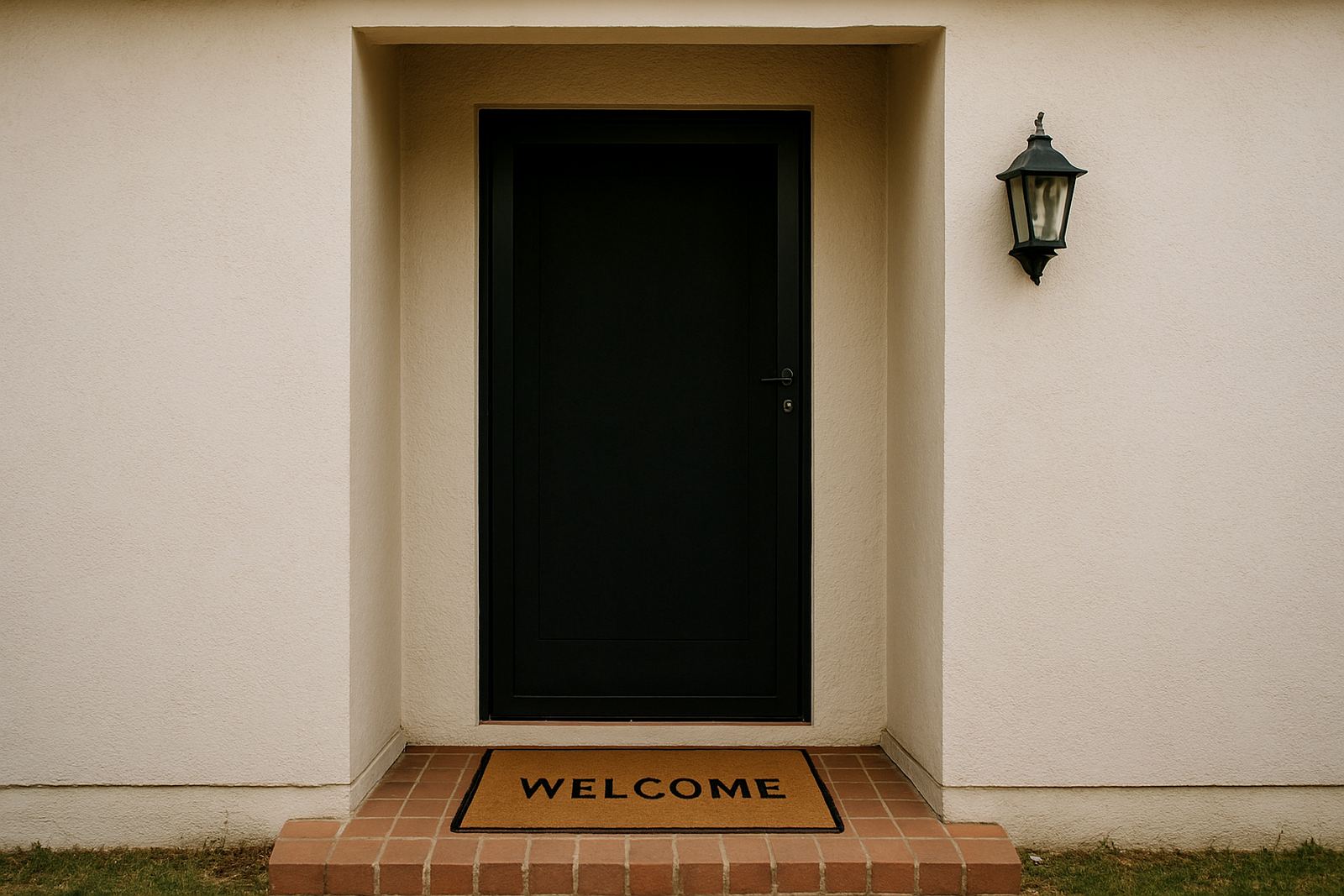
The best screen is the one that suits the way the door works in your home or business. A front door that opens many times a day needs a different answer to a patio opening in Walmer or a back door used mainly for ventilation in the evenings. Before you choose, look at the hinge side, floor level, nearby walls, and whether the opening must stay clear for wheelchairs, trolleys or moving furniture.
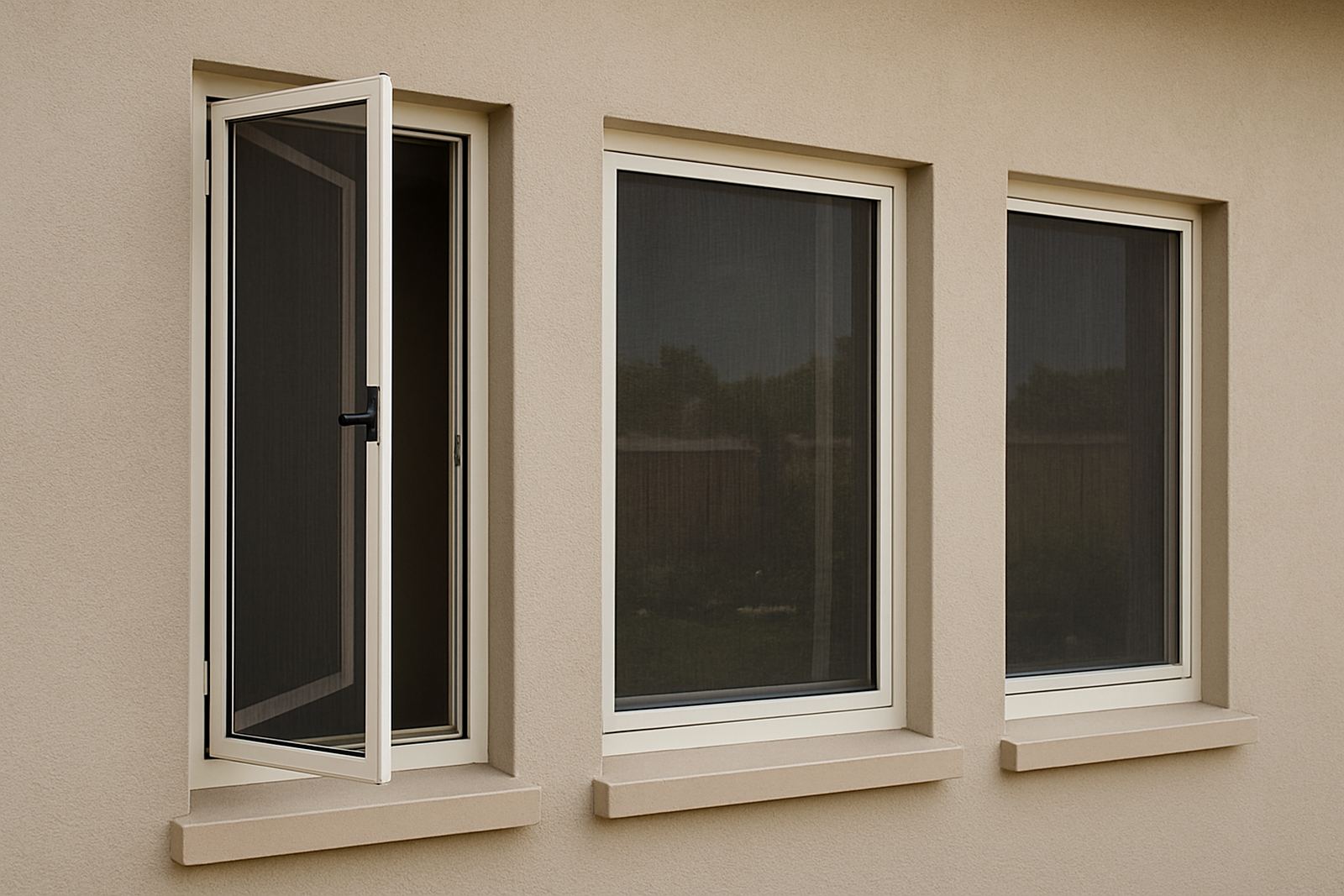
In Gqeberha and the coastal suburbs, salt air and wind matter too. Hardware should be suited to humidity and regular cleaning, because cheap fittings can start sticking or corroding quicker than expected. Good measurements make a big difference, especially where the opening is not perfectly square, which is common in older homes and some shopfronts.
- Measure the full clear opening, not just the door size.
- Check whether the screen must sit inside or outside the frame.
- Think about pets, children and high traffic at peak times.
- Allow for airflow needs during load-shedding if you rely on natural ventilation.
Hinged screens suit simple doorways and regular use
Hinged door screens work much like a normal door. They swing open on hinges and close against a frame, usually with a magnetic catch or latch. They are a practical option for back doors, staff entrances and homes where you want a straightforward solution with easy access. If there is enough space for the screen to open fully, this style is simple to live with.
They are often chosen for front and back entrances in suburbs like Newton Park and Summerstrand, where the opening is used often and people want quick movement in and out. They are also a good fit where you need a durable screen for families or small businesses. The main thing is clearance. If furniture, pot plants or security gates sit too close, a hinged screen can feel awkward.
- Best for doorways with enough swing space.
- Good for daily access and quick installation.
- Easy to service if the hinges or latch need adjustment.
- Can be paired with insect mesh or stronger security mesh, depending on the need.
Sliding screens are useful where space is tight
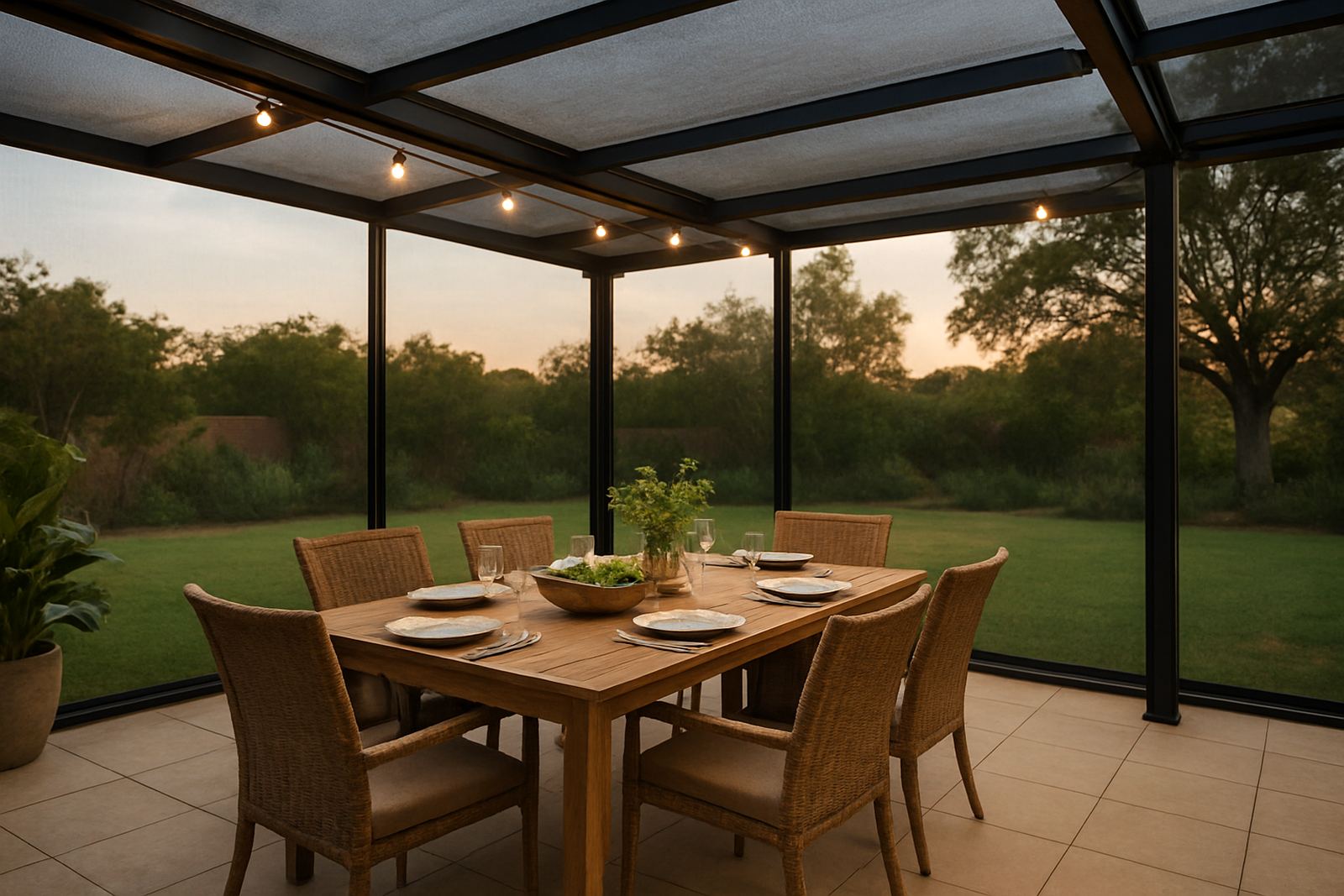
Sliding screens move along a track, so they do not take up swing space. This is useful for patios, stackable doors and openings where you do not want a hinged panel getting in the way. In homes around St Francis Bay or Jeffreys Bay, where doors often open onto braais, decks or garden areas, a sliding screen can be a tidy option that stays out of the walking path.
The key here is track quality and regular servicing. Sand, dust and fine debris can build up in tracks, and that is when doors start to feel heavy or noisy. If the opening is exposed to the weather, the lower track should be kept clear and checked from time to time. A well set sliding screen should glide easily without scraping or jumping, but it needs the right installation first.
- Ideal for patios and wide openings.
- Does not use floor space when opening.
- Needs clean tracks and proper alignment.
- Works well for homes with a lot of foot traffic.
Pleated screens fold away neatly across wider openings
Pleated screens are often chosen where you want a light, neat finish and a screen that tucks away when not in use. The mesh folds into itself, which makes this style handy for wider openings and doors that open onto entertainment areas. For many property owners, the attraction is that the screen is there when needed, but does not visually dominate the doorway.
They suit modern homes and commercial spaces that want a cleaner look without sacrificing airflow. In coastal areas, pleated systems can work well if they are installed properly and maintained, because the movement needs to stay smooth. If the opening is large or used by staff and visitors through the day, this style can be a good balance between convenience and appearance.
- Suitable for wide or frequently used openings.
- Folds away to keep the doorway open and clear.
- Can be a smart choice for entertainment areas and offices.
- Needs careful measurement to avoid rubbing or uneven movement.
Retractable screens are best when you want a low profile finish
Retractable screens roll or fold into a housing when not in use, so they stay out of sight for much of the day. This makes them popular for homeowners who want the least visual interruption at the doorway. They work well where the screen is used seasonally, or where the family prefers to keep the opening completely clear when guests arrive.
Retractable systems can be practical in Gqeberha homes that get strong afternoon sun and a steady breeze, because you can open up the doorway for ventilation and close it when insects become a problem. They do need proper installation and sensible use. If the housing is damaged or the mechanism is forced, repair can be more involved than with a basic hinged frame. That is why aftercare and seasonal checkups matter.
- Good for a neat appearance when the screen is not in use.
- Useful for seasonal control of insects and airflow.
- Should be handled gently to protect the mechanism.
- Best suited to users who want a tidy finish and are happy to maintain it.
Match the screen to security, maintenance and budget
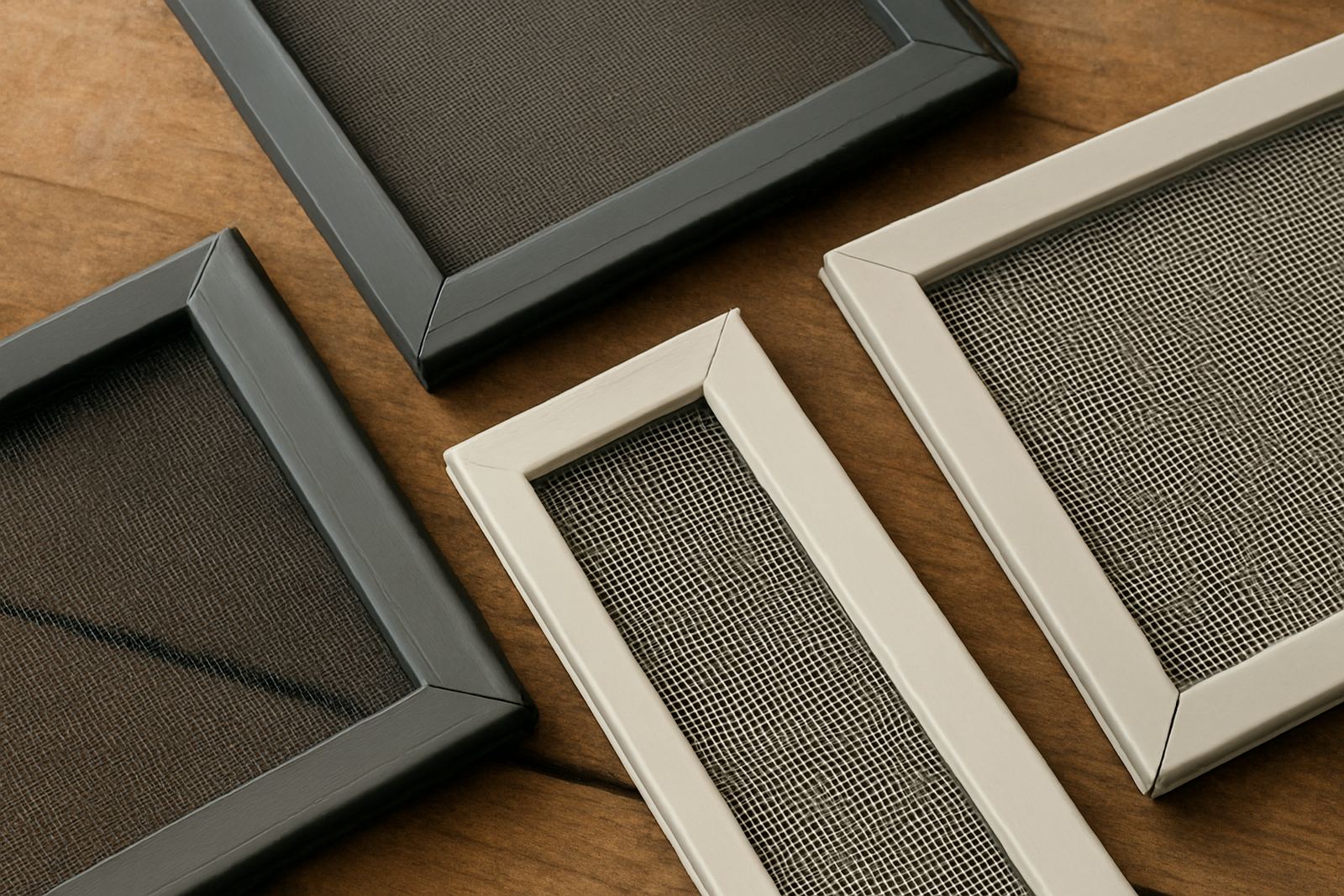
Once you have narrowed the type, compare the practical details. Some doors need stronger security mesh, especially on side entrances or commercial premises. Others only need insect control with good visibility and airflow. Budget matters too, because the final price depends on size, finish, mesh type and the amount of custom work needed. A smaller opening with simple hardware is one thing, a large sliding screen with a special track is another.
For business owners in places like Uitenhage or Despatch, the right choice may also depend on staff flow and opening times. For homes, the decision is often about family routine, pets and how much cleaning you are prepared to do. Custom manufacture helps when the opening is not standard, and site measurements are the safest way to avoid a screen that binds or leaves gaps. In most cases, a proper consultation saves money later because you do not need repeated fixes or replacements.
- Choose security mesh where access control matters.
- Choose insect mesh where airflow and visibility are the priority.
- Factor in cleaning, servicing and replacement parts.
- Always use correct measurements before manufacture.