Check what you already have
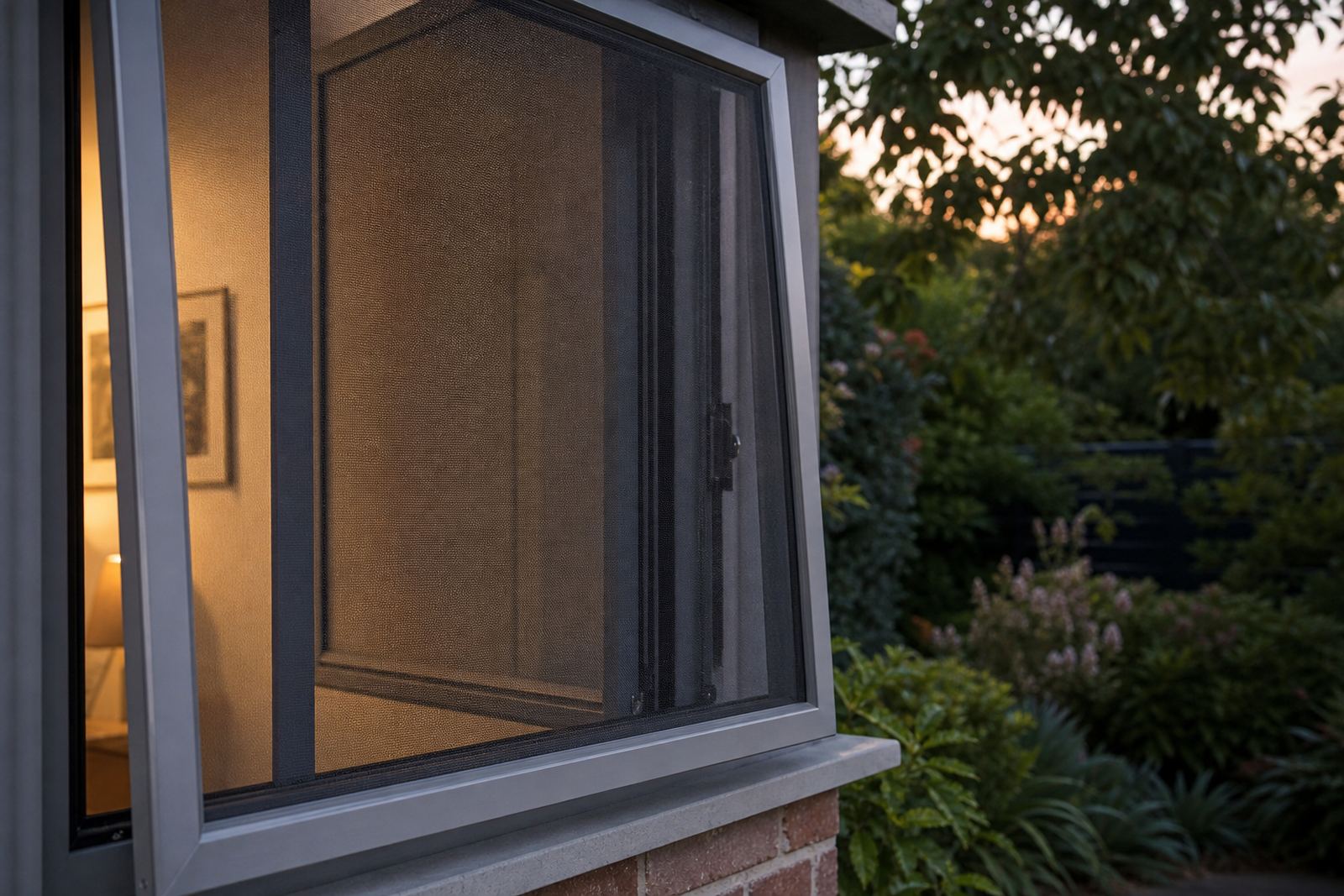
Walk around the house and look closely at every screen. Small tears, gaps at the corners and screens that no longer close properly let insects in as easily as an open window. Sliding screens can come off their tracks, and retractable screens may not lock in place if the springs are tired. Make a list before the season starts.
Repair or replace
Small holes can sometimes be patched, but damaged mesh usually needs replacing. Frames that are bent or corroded, especially in coastal homes, are often better replaced with new frames. Our repair warning signs guide explains what to look for.
Where to add screens first
If you are adding screens over time, start where insects bother you most.
- Bedroom windows, so you can sleep with them open
- Kitchen windows and doors, where flies gather
- Patio and braai room doors that stay open in the evening
- Children's rooms and nurseries
A screened door to the patio means you can enjoy summer evenings without closing up the house.
Choosing mesh
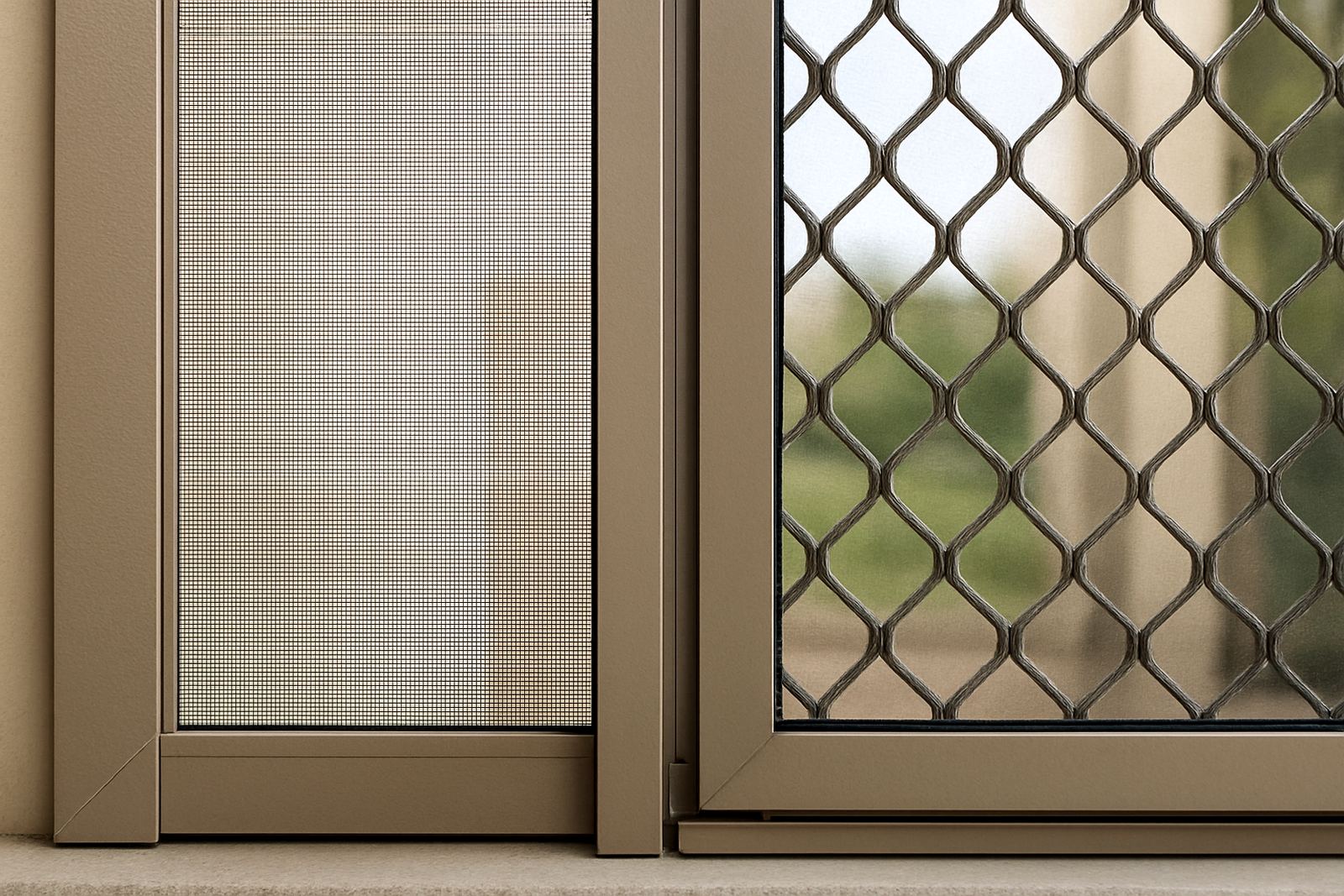
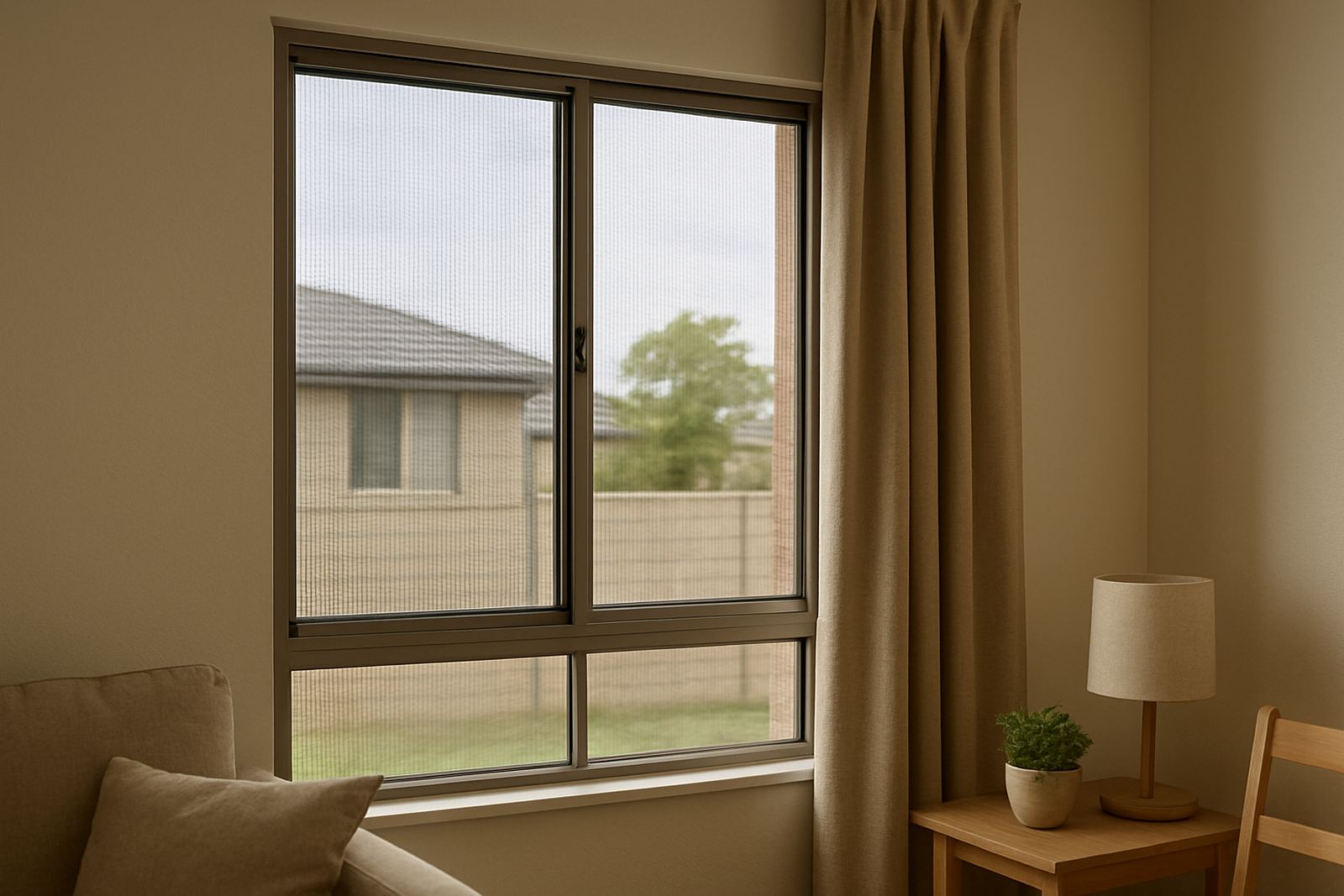
Standard fibreglass mesh suits most windows and keeps mosquitoes out while letting light and air through. Pet resistant mesh is stronger for doors where dogs and cats push against the screen. On the coast, choose frames and fittings that resist corrosion. Charcoal mesh is less visible from inside than lighter colours, so the view stays clear.
Book before the rush
Every year our diary fills up as soon as the first mosquitoes arrive. Book a measure and quote now, and our team will fit custom screens to your doors and windows and come back to adjust or repair anything we fitted. Tell us your area and the number of openings when you contact us.
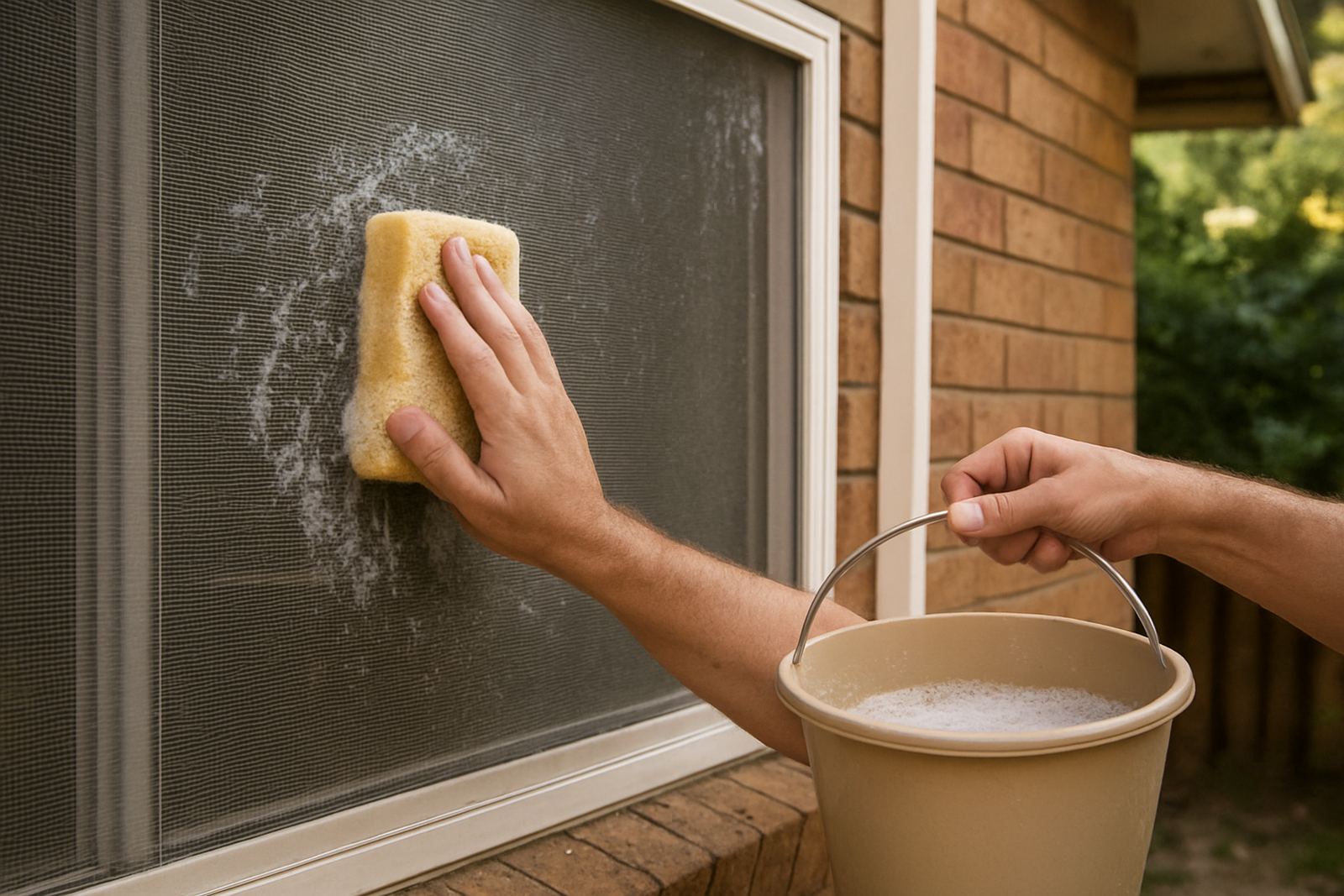
If you already have screens from us, ask for a pre season check. We can clean tracks, replace worn brushes and tighten frames in one visit, so everything slides and seals properly when the evenings warm up.