Why pet homes need a different screen decision
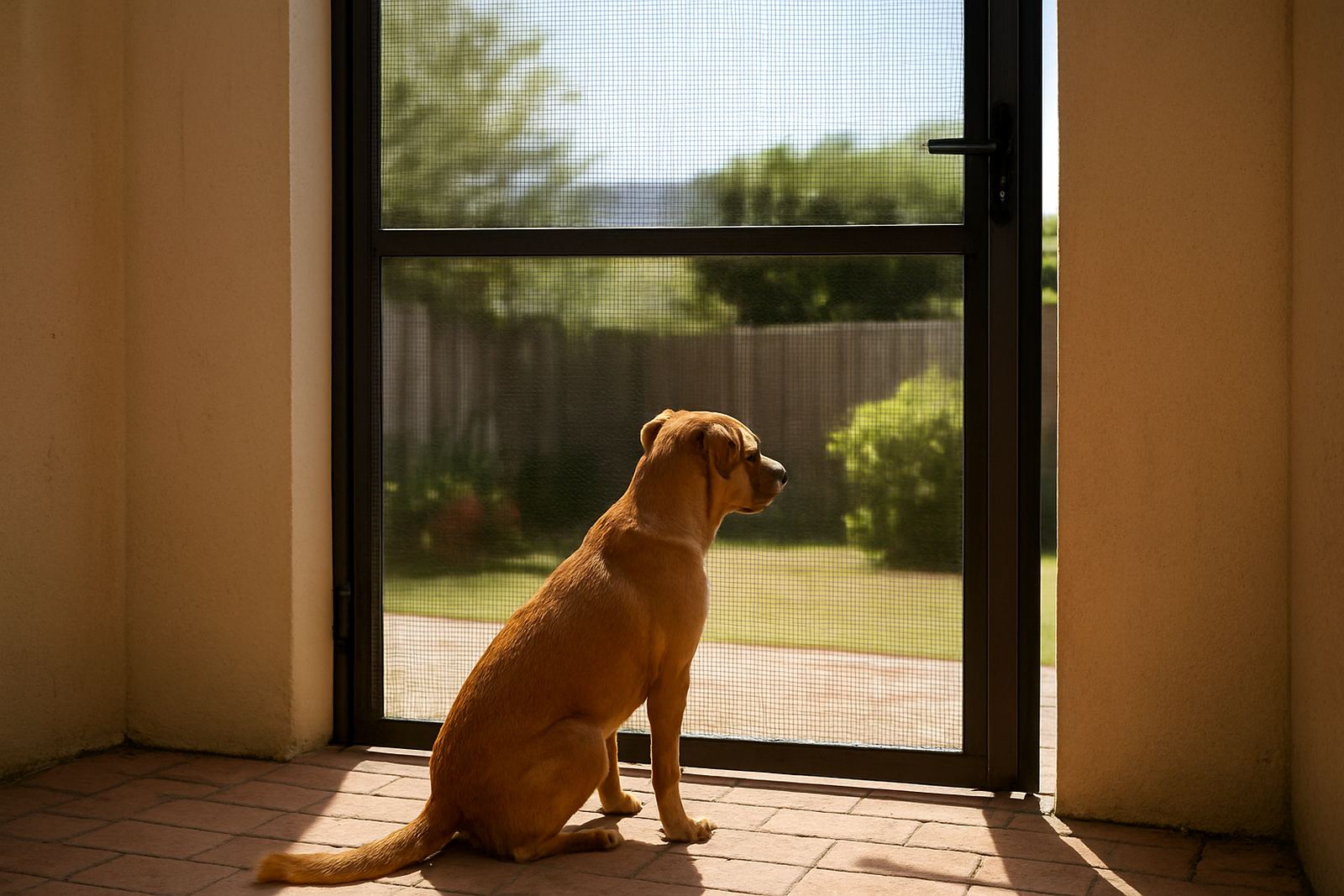
A screen that works well in a quiet guest room may fail quickly in a house where dogs nose at the patio door or cats leap onto windowsills. Pet-friendly screen choices are less about one product and more about matching the opening, the animal, and the way the family uses the space. In a home with a busy back garden, the bottom half of the screen often takes the most punishment.
At our Walmer base, we see a lot of homes where the front and back doors stay open for airflow, especially in the warmer months. That is when insects, dust and pets all test the screen at the same time. If the opening leads straight to lawn, paving or a pool area, it is worth looking at stronger mesh, better framing, and sensible latch placement from the start.
One common mistake is choosing only for looks. A fine mesh may look neat, but if the family has a large dog or an energetic cat it can start sagging, fray at the lower section, or pop out of track. A better choice is the one that stays fitted and servicable after daily use.
Mesh strength, visibility and airflow in one choice
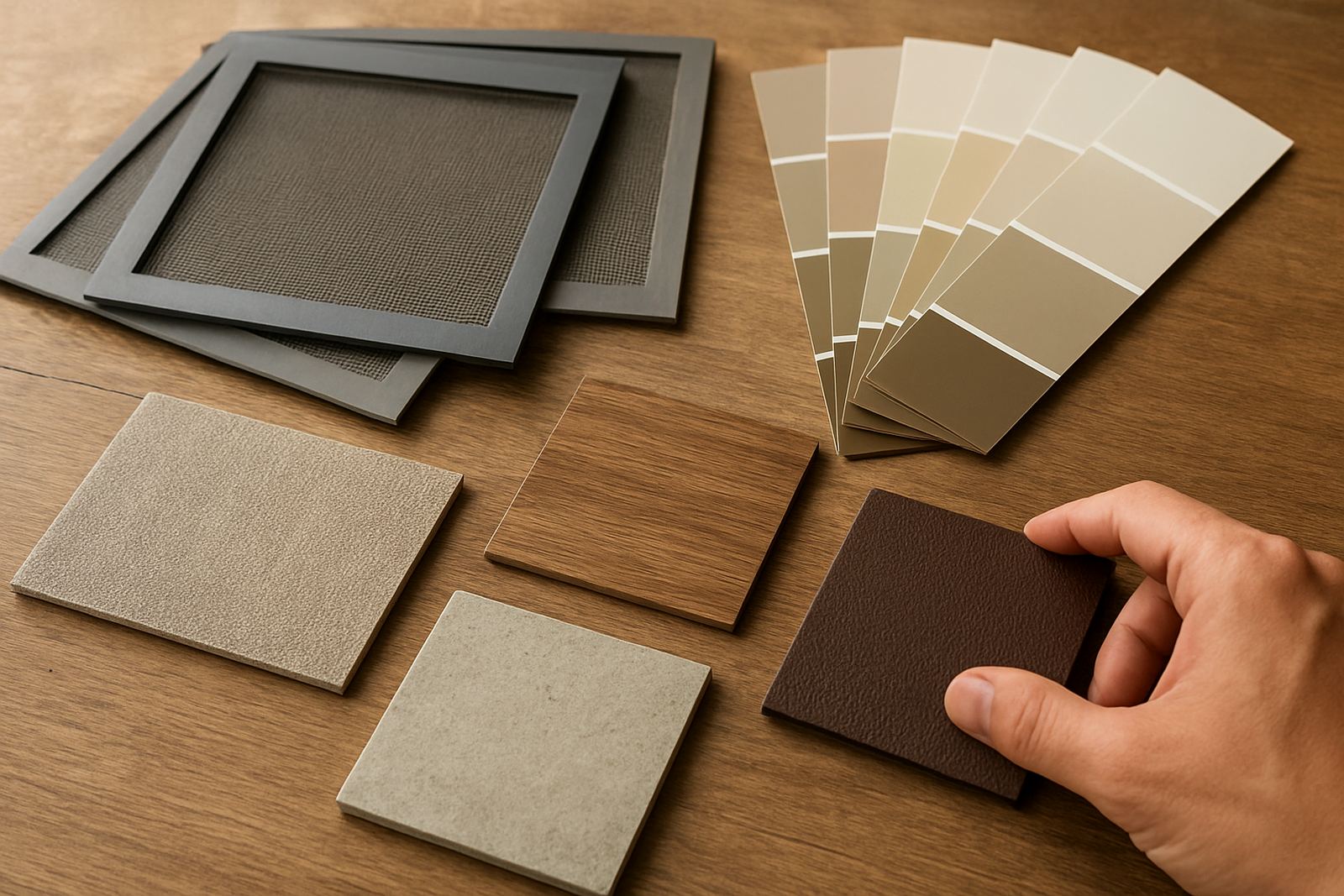
For pet households, the mesh needs to balance three things: resistance to paw pressure, clear visibility, and enough airflow for South African summers. Heavier mesh is often a better fit near sliding doors, stacking doors, and windows that pets can reach. It is not only about stopping claws, but also about resisting the quick push that happens when a dog tries to get to the garden.
- Fine insect mesh: good for general use, but best where pets cannot reach it easily.
- Heavier-duty mesh: better for lower sections, doors, and busy family areas.
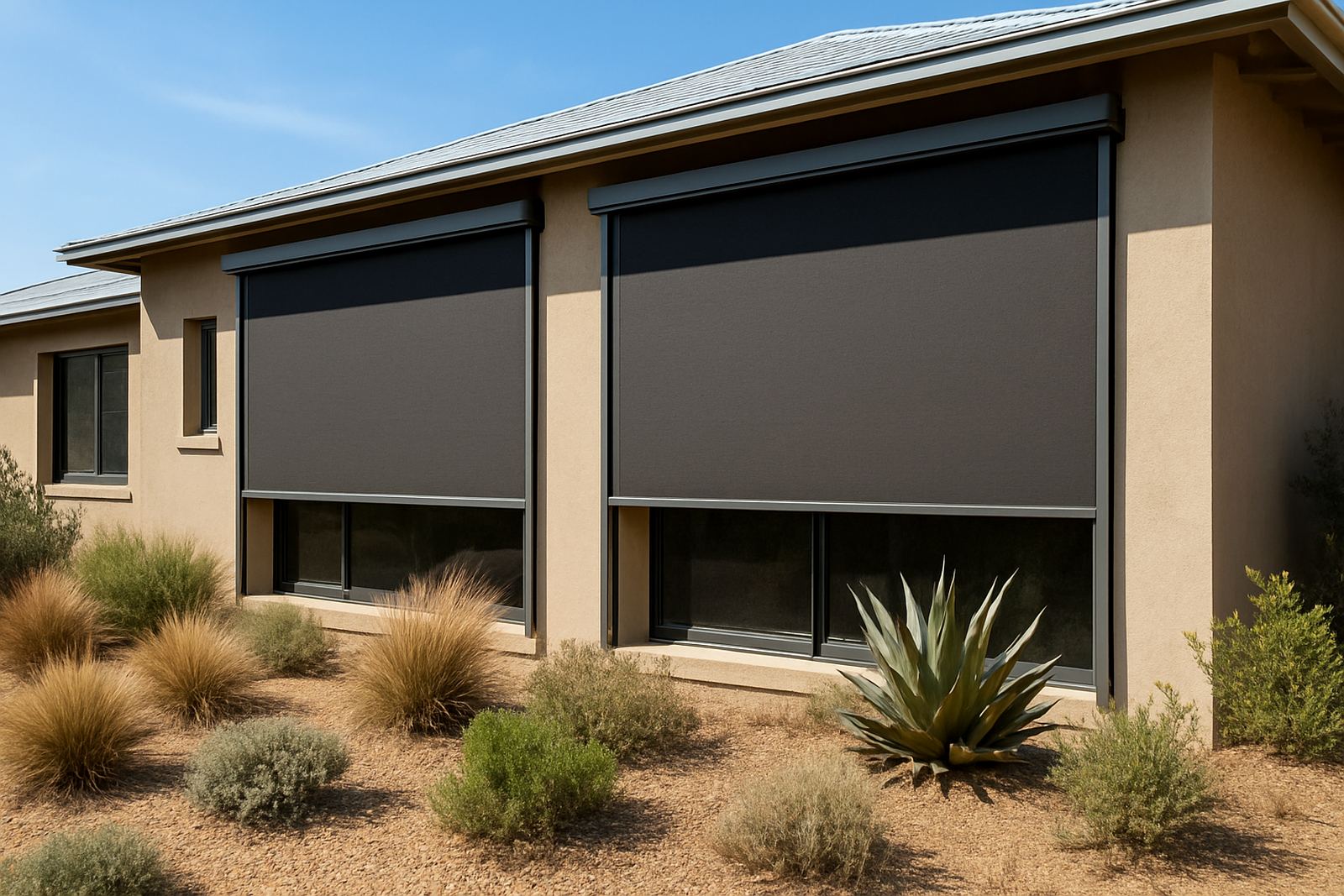
- Shading options: useful on sunny west-facing openings where heat builds up.
- Security screen mesh: helpful where you need extra strength as well as insect control.
Visibility matters too. If a screen looks too closed in, people tend to leave it open, which defeats the purpose. The right mesh should still allow a clear view to the yard so you can keep an eye on pets without constantly opening the door. In coastal areas such as Summerstrand and St Francis Bay, the finish and fixings should also stand up to salt air better than standard fittings.
The best screen type for doors pets use every day
Patio and back doors are usually the busiest points in a pet-friendly home. These openings need screens that can take repeated use without catching, rattling, or slipping out of alignment. For many homes, a sliding screen with a proper track and firm guides works well because it can be opened and closed with one hand while you are carrying groceries, a leash, or a bowl of water.
Where the pet is likely to press against the lower part of the screen, we often recommend stronger frames and a configuration that keeps the vulnerable section protected. On some homes, a partial screen or a heavier lower panel makes more sense than covering the whole opening with the same light mesh. That approach can save repair calls later on and keeps the screen looking neat for longer.
If a household has more than one animal, or a large breed that gets excited when visitors arrive, it is worth thinking about the opening sequence too. A screen that is easy for people to use should still be firm enough to handle a quick rush to the door. The aim is not just to stop insects, it is to keep the opening working properly under daily pressure.
Small details that stop bigger repair bills
The frame, track and hardware matter just as much as the mesh. A good pet-friendly installation should sit square, move smoothly and stay secure when used often. If the track collects sand, pet hair or garden grit, the screen may start sticking. That is when users begin forcing it and the wear gets worse.
Regular servicing helps more than many people expect. We often find that a simple track clean, hardware replacement, or mesh tension adjustment extends the life of a screen by months or even years. In homes close to the coast, corrosion can also affect screws and fittings, so it pays to check these points before they seize up.
- Choose a frame that suits the opening size, not a one-size-fits-all fit.
- Check that the lower edge is protected where paws make contact.
- Use hardware that can handle frequent opening and closing.
- Plan for seasonal checkups after windy or dusty months.
- Keep the track free of grit, pet hair and plant matter.
If a screen starts dragging or the latch no longer closes cleanly, sorting it early is cheaper than waiting for the frame to twist or the mesh to tear. A small repair now can prevent a full replacement later.
A practical Gqeberha example from family homes
A typical example is a Walmer family with a back garden, two dogs and a cat that sleeps on the sill. The kitchen door opens onto paving and the family uses it many times a day. In that sort of home, a standard insect screen may be fine for the first few weeks, but the bottom section often starts to loosen where the dogs brush past. If the opening is also in direct sun, the material can age faster.
In that case, a stronger mesh on the door, careful measurement, and a proper serviceable track make a real difference. The family still gets airflow in the afternoon, the pets can move in and out without constant damage, and the screens do not become a weekly nuisance. That is the sort of practical fit that works in Gqeberha homes, especially where the garden is part of everyday living.
We also see this in estates and townhouse complexes where by-laws may limit visible changes to doors and windows. A neat, purpose-made screen can meet the need without looking out of place, which matters when the front of the home faces a shared walkway or common garden.
When to ask for repairs instead of replacing everything
Not every damaged screen needs a full new unit. If the mesh has split, the track has worn, or the hardware has loosened, it may be more sensible to repair the affected part. That is especially true in homes where pets only damage one section or where the frame itself is still in good condition.
Repairs can include mesh replacement, track servicing, and hardware changes. For homes in Uitenhage, Despatch and Jeffreys Bay, a repair visit can often bring an older screen back into regular use without disrupting the household. The key is to inspect the opening properly and decide whether the frame, mesh and fittings still work together.
If your pets are active, seasonal checkups are worth the trouble. The screen that worked last summer may need attention after months of hard use and coastal weather. That is normal, and it is better to catch it early than wait until the screen fails on a hot day with all the doors open.