What a top hung screen does on a window
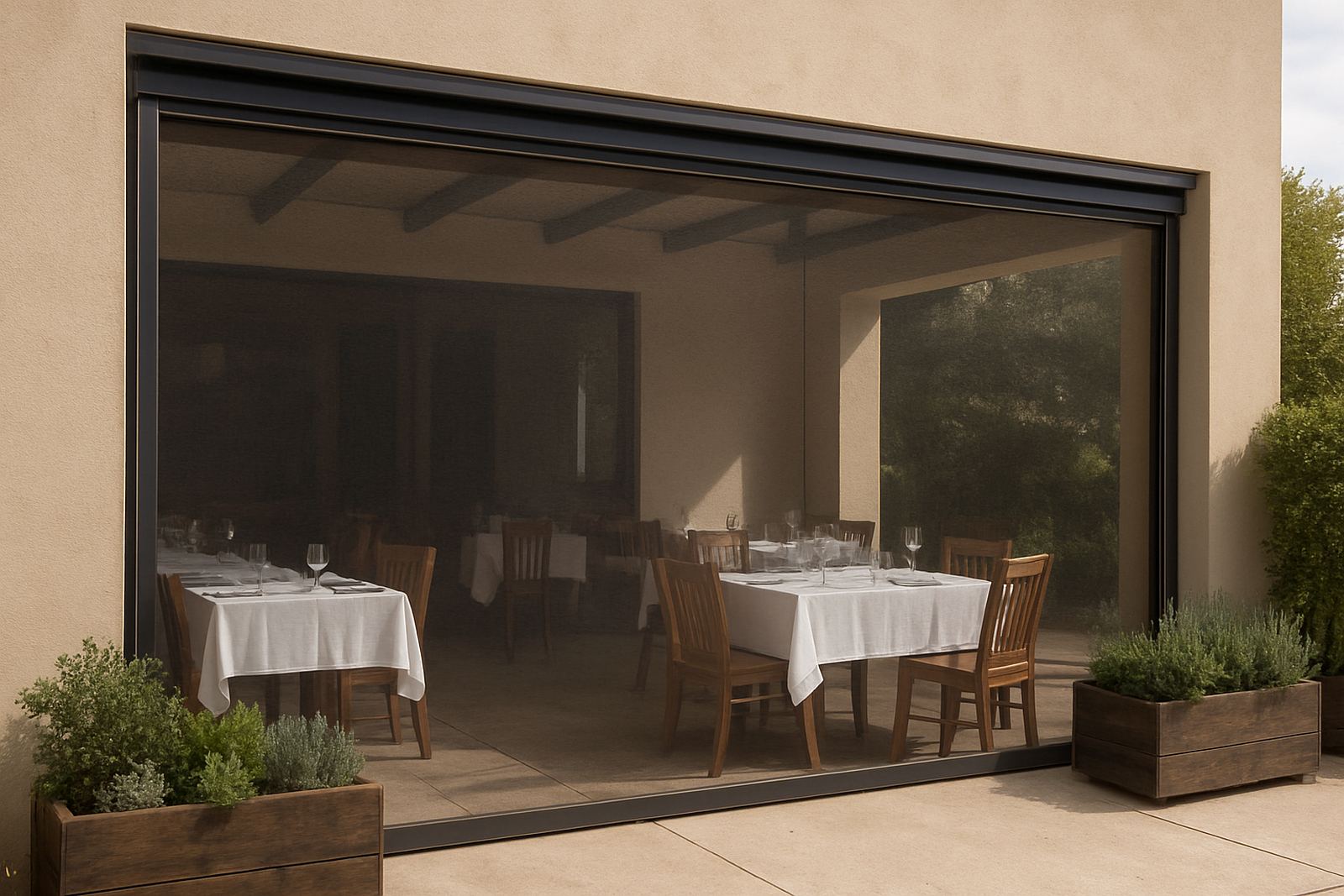
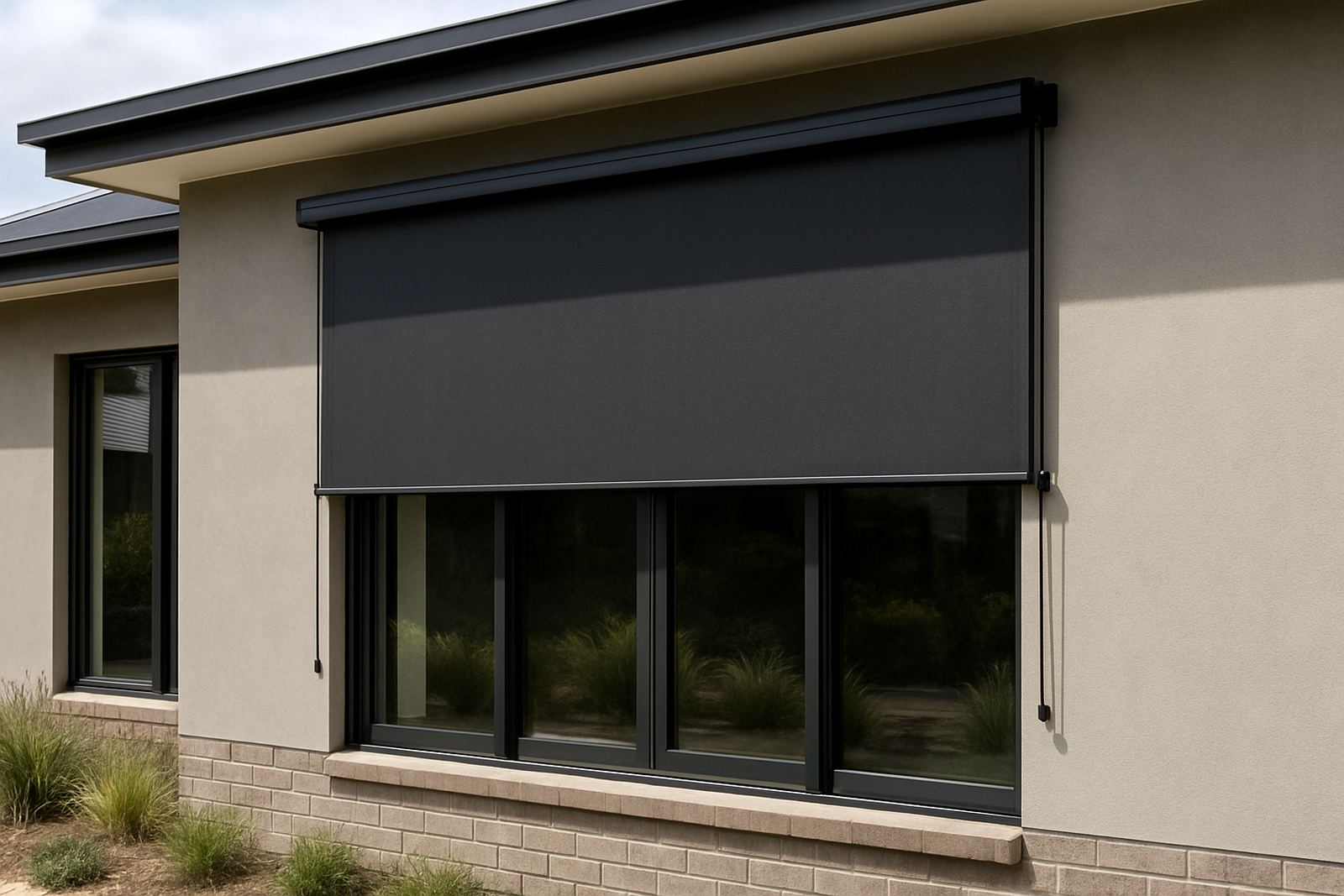
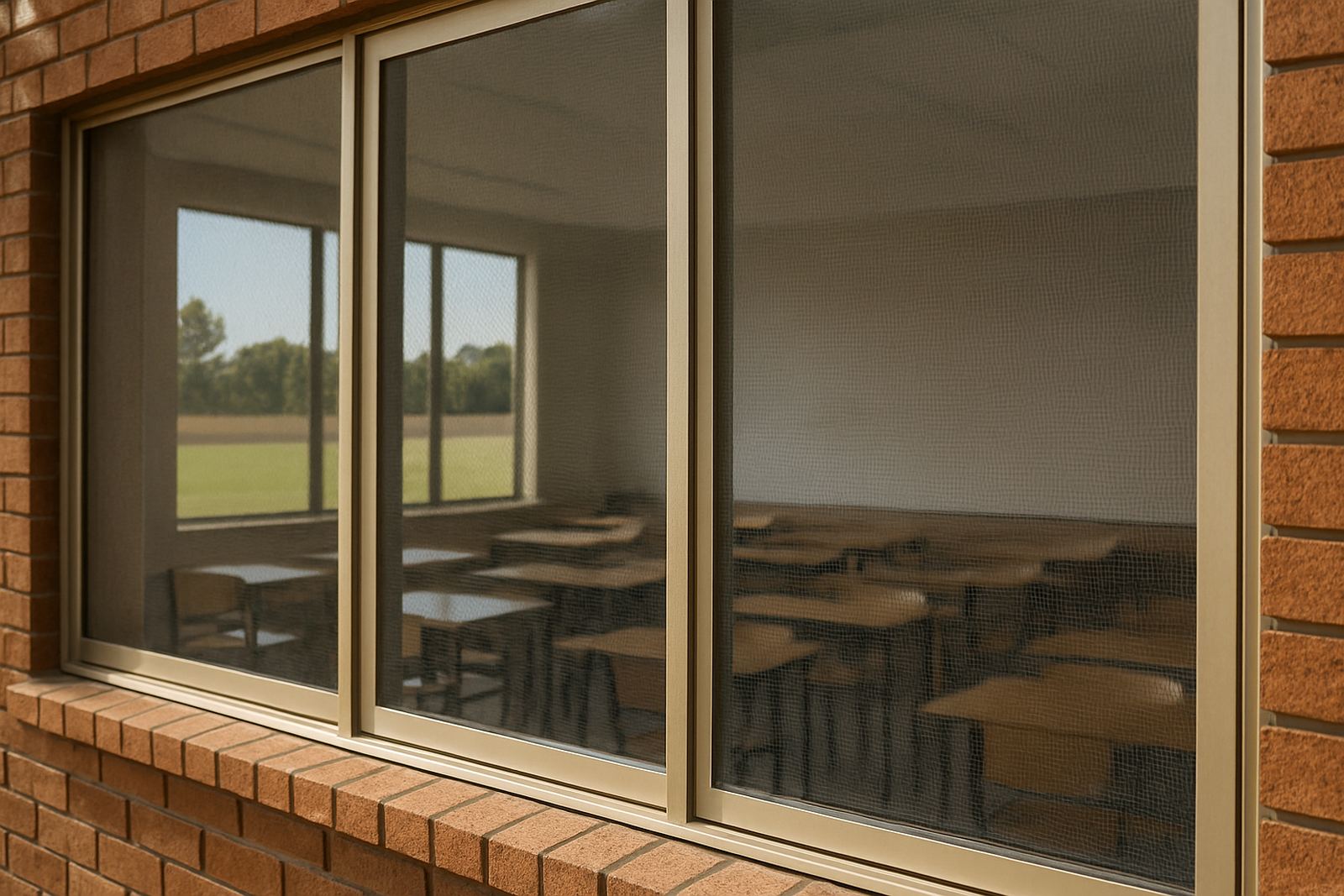
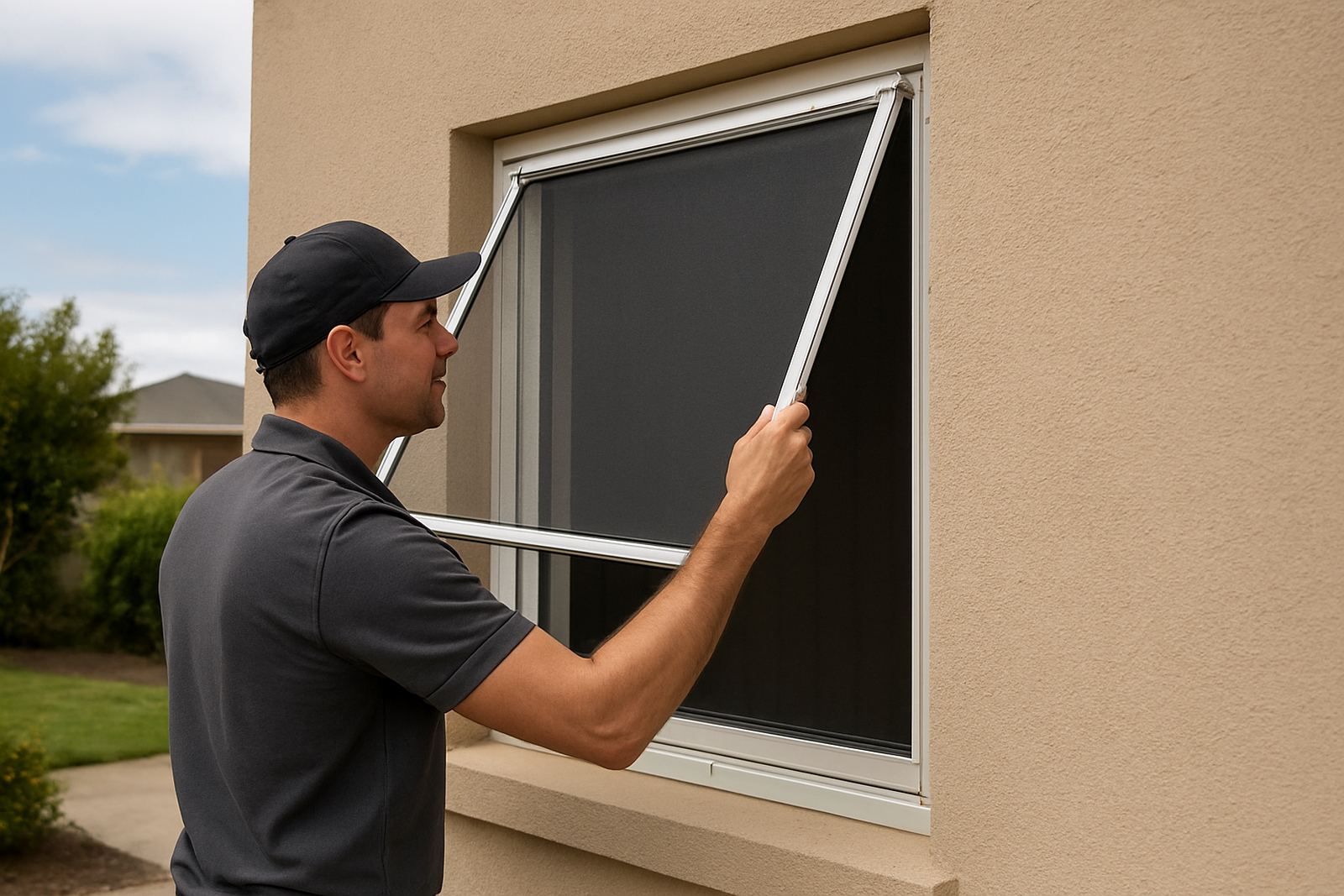
A top hung screen is fitted to suit a window that opens from the top, with the screen hanging from a top track or top fixing point so it stays aligned as the sash moves. It is often used where the window needs to open for airflow but the opening must still be protected from flies, mossies and dust blowing in from the coast.
In practical terms, this type of screen is made to sit neatly with the window line, so it does not get in the way of curtains, blinds or the handle position. It suits Gqeberha homes that want to catch the sea breeze in summer, as well as offices and shops that need fresh air without leaving the opening exposed. The finish can be matched to the frame colour for a clean look, and the mesh choice can be matched to the level of airflow or privacy needed.
- Made to suit top opening windows and custom frame sizes
- Suitable for homes, guest houses, schools and small businesses
- Can be paired with insect mesh or finer mesh for extra dust control
Sizes, frame options and mesh choices
Every top hung screen is made to measure after site measurements, because window sizes vary from one property to the next especially in older homes around Walmer, Summerstrand and Newton Park. Typical frame depths and clear openings are checked on site so the screen sits properly and can still move as intended.
Most units are made for domestic and light commercial use, with common widths from about 450 mm up to 1800 mm and heights from about 600 mm to 2400 mm, depending on the window detail. Larger sizes can be done where the structure allows it. Frame material, corner strength and mesh type are selected for the setting, whether that is a coastal property with salt in the air or an inland site where dust is the bigger issue.
- Standard colours can be matched to common window frame finishes
- Mesh options include insect mesh, finer dust reducing mesh and heavier duty safety mesh
- Can be supplied as fixed, removable or serviceable units depending on access needs
Where top hung screens suit best
Top hung screens are a good fit for windows that need regular ventilation but have limited space at the sides or bottom. They are commonly used in bedrooms, kitchens, bathrooms, sculleries, enclosed patios and offices where airflow matters during load-shedding and the window may be kept open for longer periods.
They also suit properties with coastal humidity, because a good quality screen helps reduce the need to open larger panes wide when insects are active in the evenings. In commercial spaces, they are useful where staff need fresh air but the opening must remain neat and controlled. On estate or body corporate properties, we often specify consistent sizing and finish so the units line up properly across several windows.
- Ideal for upper and top opening windows
- Useful in homes with frequent cross-ventilation needs
- Suitable for estates, guest units and small commercial premises
Installation, power and gas considerations
Installation starts with a proper site measure, then the frame is made to fit the exact opening and fixing position. For most top hung screens there is no electrical requirement and no gas requirement, so fitting is straightforward and does not interfere with load-shedding backup systems, alarms or battery lighting. The main job is to make sure the window can still open and close cleanly, and that the screen does not foul on burglar bars, security stays or window latches.
Where a property has gas appliances nearby, like a kitchen window close to a gas hob or cylinder area, we still check clearances and airflow paths before fitting. That matters in compact units and older buildings where the layout can be tight. On installation day, the team confirms the frame is level, the mesh is tensioned correctly and the moving parts operate without scraping or flexing. Small details count there, because a screen that is slightly out can rattle in wind or wear early.
- Site measurement before manufacture is essential
- No power connection is usually needed for the screen itself
- Clearance is checked around burglar bars, handles and window catches
Care, cleaning and regular servicing
A top hung screen will last longer if it is cleaned regularly and kept free of grit, salt build-up and spider webs. In coastal areas like Gqeberha and Jeffreys Bay, a light wash with mild soap and fresh water helps prevent corrosion on the frame hardware. Avoid harsh chemicals, hard scrubbing pads or pressure washing directly at close range, because that can damage the mesh or loosen fittings.
We recommend seasonal checkups for properties that get strong wind or heavy use. During a service visit, tracks are checked, screws are tightened, mesh tension is reviewed and any worn hardware is noted before it becomes a bigger repair. If a screen starts to sit crooked or sticks when the window opens, it usually needs a simple adjustment rather than full replacement. Catching that early keeps costs down and saves time.
- Clean with mild soap, water and a soft cloth or brush
- Check for loose fixings after storms or strong wind
- Book mesh replacement or track servicing when the screen starts to bind
What to check before you order
Before ordering a top hung screen, check the exact window type, the direction it opens, and whether there are burglar bars, security grilles or blinds in the way. Measure the visible opening carefully, but also note the frame depth and the clearance needed for the top fixing. If the window is in a bathroom or kitchen, think about moisture, cleaning access and how often the window is opened.
It also helps to decide what the screen needs to do. For some clients the main aim is insect control, while others want finer mesh for extra dust reduction or a stronger mesh for better resistance to damage. If you are fitting several screens across a home or site, it is worth checking if the same colour and mesh type should be used throughout for consistency. A quick list of requirements upfront avoids delays and rework later on, and it keeps the final fit neater.
- Window type, opening direction and exact measurements
- Nearby bars, handles, blinds or curtain space
- Mesh type, frame colour and access for future servicing
Key facts
| Product type | Custom top hung screen |
|---|---|
| Manufacture | Made to measure after site measurement |
| Typical use | Windows that open from the top |
| Materials | Powder coated frame with selected mesh type |
| Service range | Gqeberha, Walmer and across the Eastern Cape |
| Care | Routine cleaning, seasonal checkups and hardware servicing |