What a Restaurant Patio Screen does on busy service days
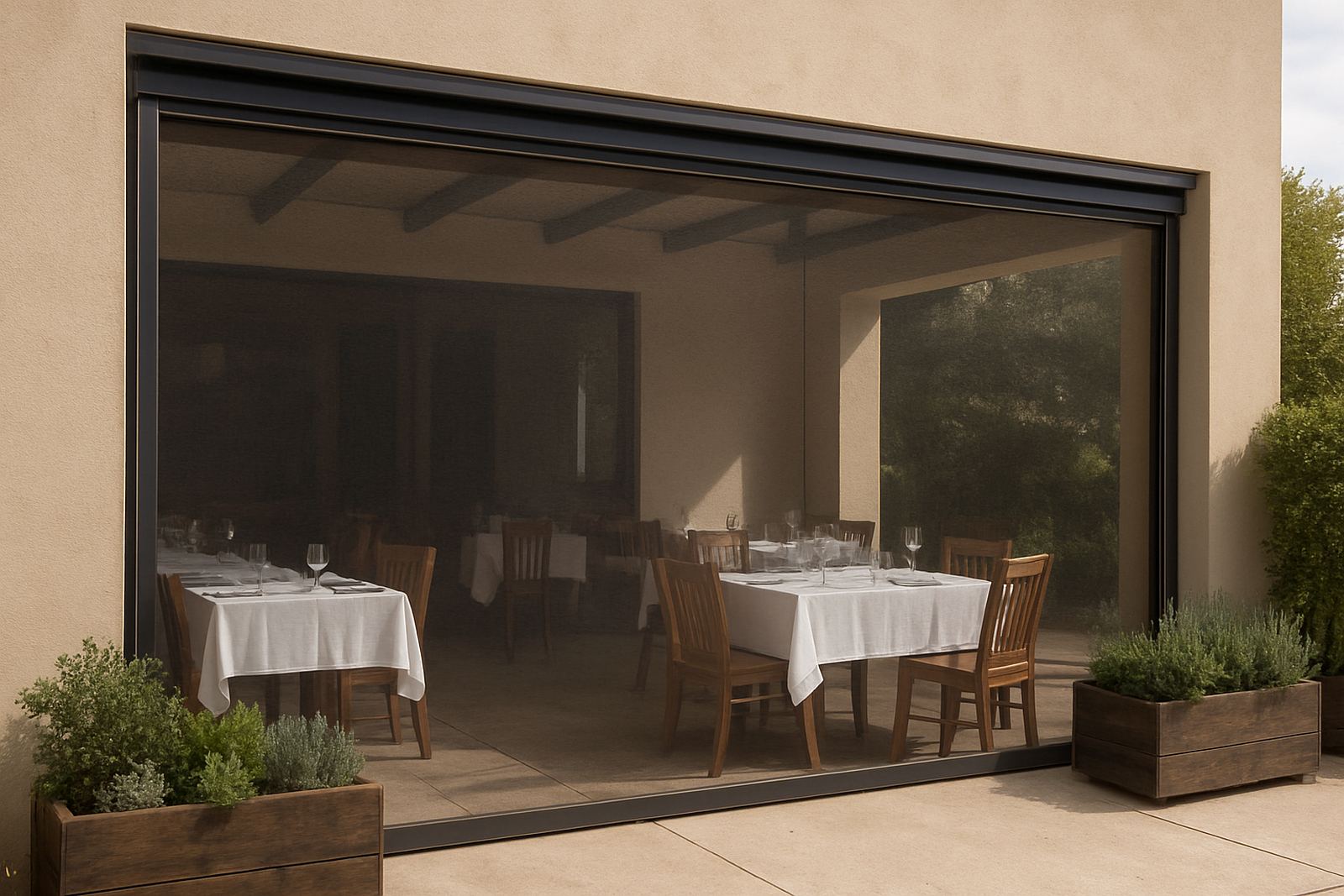
A restaurant patio screen is a fitted screen system used around outdoor dining areas, serving counters, smoking areas, and side openings where insects, wind, glare, and dust can cause problems. It helps keep flies and mozzies out while still allowing staff to move trays, clear tables, and manage guest flow. In coastal areas like Walmer and Summerstrand, it also helps reduce the hassle that comes with salt air, afternoon wind, and sudden weather changes.
These screens are made to suit the opening, not the other way round. That means they can be sized for a small courtyard at the back of a café in Newton Park or a larger hospitality area in Jeffreys Bay or St Francis Bay. The aim is practical: improve comfort, keep the space usable for more months of the year, and give the venue a cleaner finish for both customers and staff.
Screen styles and sizes for patios, counters and service openings
ScreenMaster supplies made-to-measure patio screens in sizes that suit single doorways, wide openings, stacking panels, and larger fixed runs. The right choice depends on how the area is used, how often it opens, and whether you need a full screen, a partial screen, or a section that can be opened fast during service. For restaurants with takeaway windows or courtyard entries, the system can be planned around the actual traffic pattern.
- Opening widths: from small 700 mm service points to wider spans of 3 m or more, depending on layout
- Heights: typically from 2 m to 2.7 m for patio and service area coverage
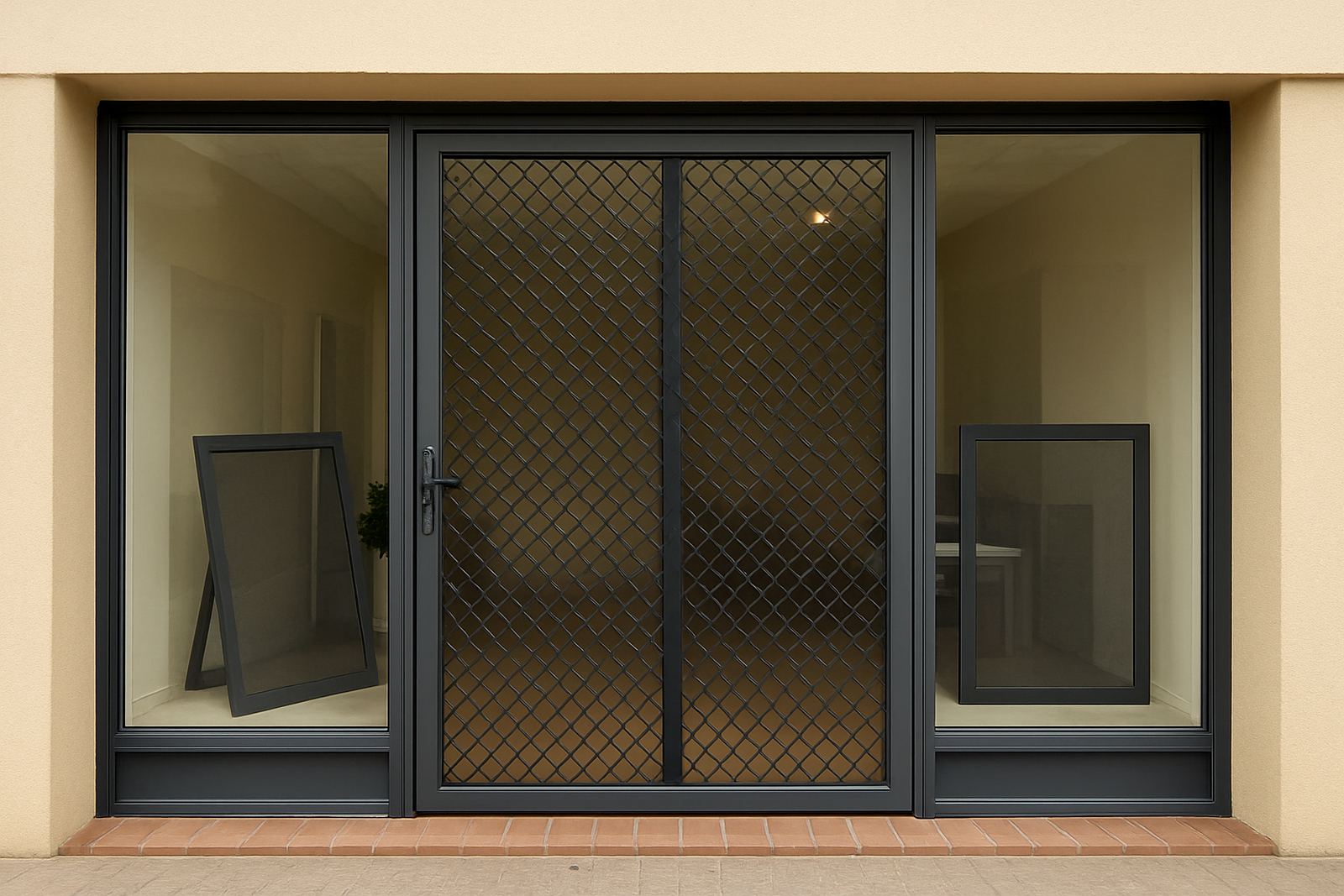
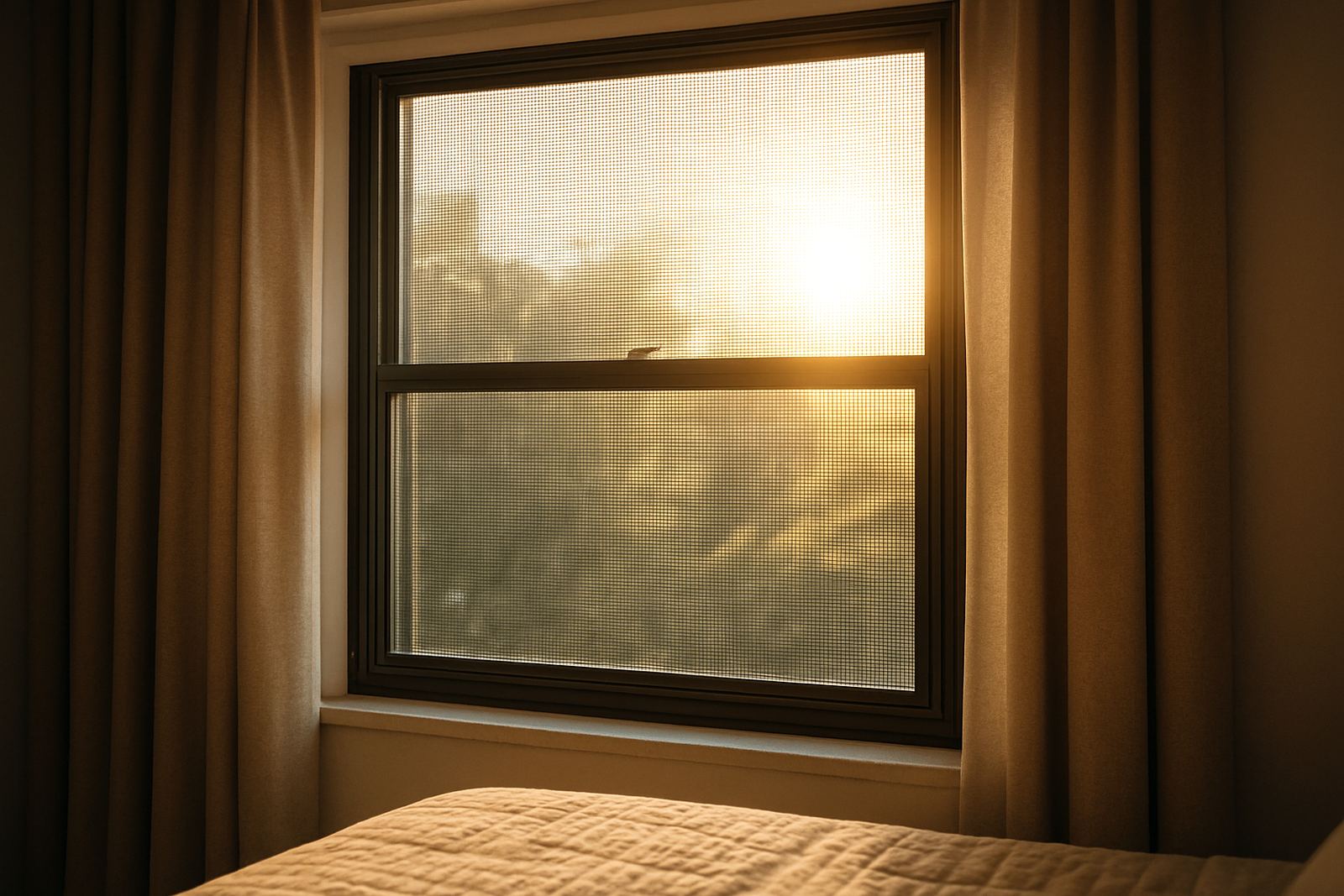
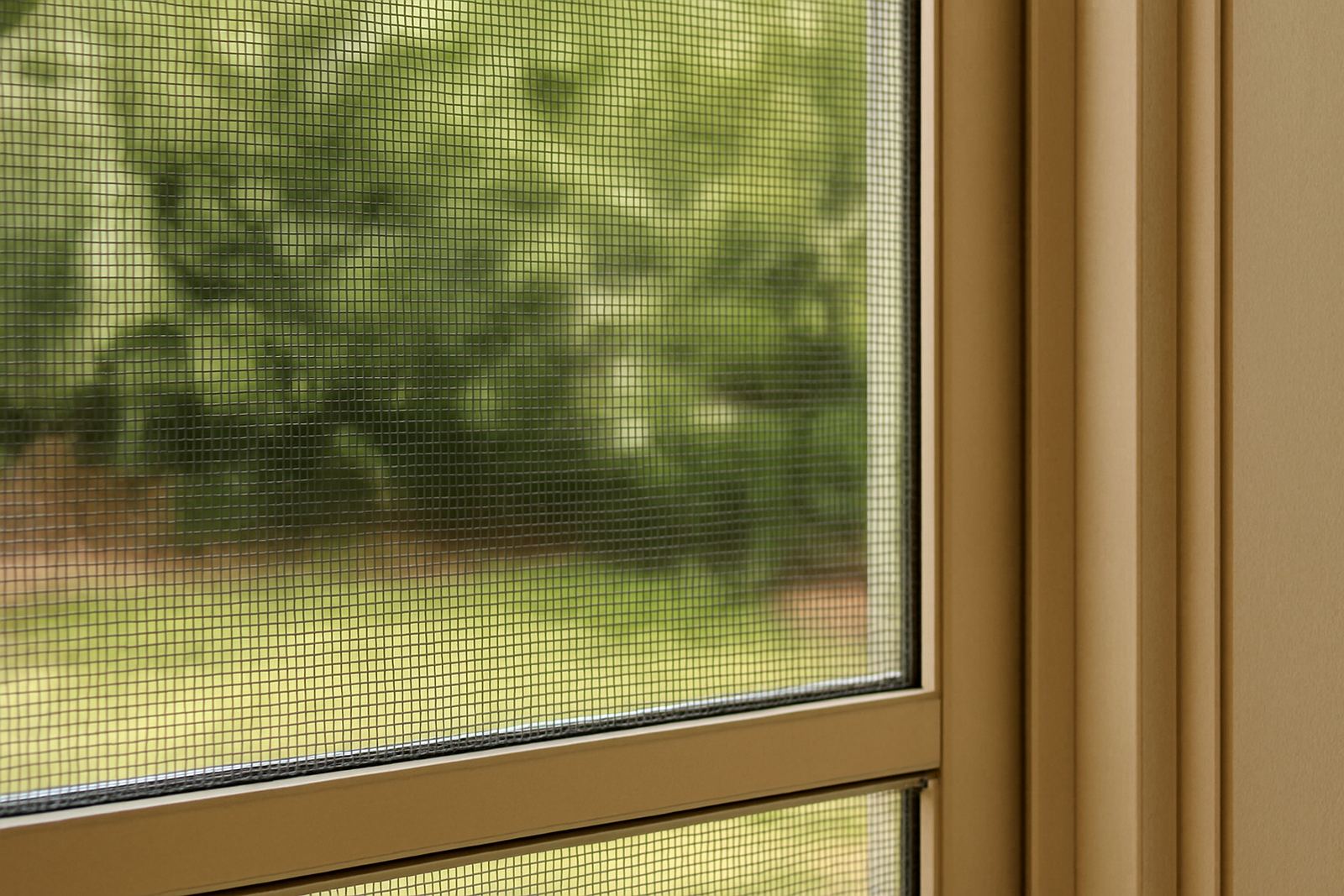
- Mesh options: insect mesh, finer visibility mesh, and heavier-duty security mesh for higher risk points
- Frame finish: colours matched to common aluminium and steelwork, useful for front-of-house areas
- Operation: fixed, sliding, hinged, or retractable depending on how the space is used
For restaurants that want one look across the front and side openings, screens can be repeated in matching sizes. That is useful for chains, guest houses with dining patios, and estate-style venues where the finish matters as much as the function.
Where restaurant patio screening works best
Patio screens suit outdoor dining spaces, breakfast terraces, boma-style courtyards, poolside dining, and service areas that open toward gardens or parking spaces. They are also useful where there is cross-traffic between the kitchen and the outside seating area, because they help keep unwanted insects out when doors are open for longer periods. In the Eastern Cape, that matters in summer when the evenings stay warm and the dining area stays open late.
They are a good fit for venues in Walmer, Gqeberha central, Summerstrand, Newton Park, Uitenhage, Despatch, and the coastal towns along the bay. If the restaurant is near planting, refuse points, or standing water, the screen becomes even more practical. In a lot of cases, a well-planned screen reduces the need for constant spraying and helps staff keep the area presentable with less effort.
- Outdoor dining spaces that need insect control without closing off the patio
- Service corridors and pass-throughs where staff are moving food and trays
- Smoking areas that need clear screening boundaries
- Courtyard restaurants exposed to wind-blown dust or leaves
- Township, retail, and beachfront venues where foot traffic is high
Installation, power and gas considerations
Most patio screen systems are manually operated and do not need power or gas, which makes them easier to plan around load-shedding and busy trading times. Where a venue wants a motorised option, power supply and control positioning need to be checked early so the screen sits well with the rest of the service layout. For many restaurants, manual screens are preferred because they are simple, reliable, and quick to operate during a rush.
Before installation, the team checks the opening, floor level, head clearance, wall strength, and any items that may interfere with the track or frame. This includes awnings, heaters, fans, lights, gas lines, extractor outlets, and serving counters. If the patio has paving that shifts or a steel structure that carries weight differently at certain points, those details are taken into account before manufacture. The site measurement stage is important, especially where there are uneven walls or old alterations, which is common in older Gqeberha buildings.
- Check wall and post condition before ordering
- Confirm whether doors, gates, or pass-throughs must remain clear
- Note nearby power points if a motorised unit is requested
- Keep clear of heat sources and gas equipment where possible
- Allow space for cleaning access and regular service checks
Care, cleaning and servicing for daily restaurant use
Restaurant screens need regular attention because they are used more often than a typical home screen. Dust, grease in the air, salt exposure near the coast, and constant opening and closing can all affect performance over time. A quick wipe-down with mild soap and clean water is usually enough for the frame and mesh, but the tracks and moving parts should also be checked for grit and buildup. On busy sites, a seasonal checkup makes a lot of sense.
If the screen starts to drag, catch, or come off line, do not force it. Tracks, rollers, catches, handles, and mesh tension can be serviced before a small issue becomes a bigger repair. ScreenMaster provides repairs, mesh replacement, track servicing, hardware replacement, and aftercare support for hospitality clients. That helps keep the screen in use and avoids the stop-start problem that happens when a patio area is left open because one part is not working properly. A little upkeep goes a long way, especially near the coast where corrosion can show up quicker.
What to confirm when ordering for a restaurant venue
To get the right fit, it helps to have clear answers before manufacture starts. The most important details are the opening size, how the area is used, and whether the screen must be insect-focused, privacy-focused, or security-focused as well. If the venue has different trading patterns in summer and winter, tell us that too because the screen setup may need to work around folding doors, heaters, or extra seating in the warm months.
- Exact opening measurements in millimetres, including width and height
- Whether the screen is for dining, prep, serving, or a staff-only area
- Preferred operation type, such as sliding, hinged, fixed, or retractable
- Mesh choice for insects, visibility, privacy, or added security
- Any nearby obstacles like gas lines, awnings, signage, lighting, or drains
- Whether the site needs one-off fitting, estate rollout, or ongoing service support
For restaurants in Walmer, Gqeberha, and the surrounding coastal towns, an on-site measurement is usually the safest route. It avoids guesswork, helps with neat finishes, and gives a better result when the space has odd corners or older construction. That is often the differnce between a screen that looks fitted and one that looks forced.
Local support from Walmer to the rest of the Eastern Cape
ScreenMaster works from Walmer, Gqeberha and installs across the Eastern Cape, including Summerstrand, Newton Park, Uitenhage, Despatch, Jeffreys Bay, and St Francis Bay. The team handles site measurements, product consultations, custom manufacture, home and commercial installations, and aftercare support. For restaurant owners and venue managers, that means one point of contact from first enquiry through to final fit and later servicing.
The team includes Barend Bezuidenhout, Anele Mhlabeni, Nadine Bester, Luthando Gqomo, Johan Coetzee, and Zintle Mbane. If a patio screen is needed for a new opening, a refit, or a repair on an existing setup, the process starts through the enquiry form on the contact page. From there, the opening can be assessed properly and the screen specified to suit the space, the traffic, and the way the restaurant actually trades.
Key facts
| Product type | Custom restaurant patio screen system |
|---|---|
| Typical use | Outdoor dining spaces, service openings, patios and courtyard areas |
| Size range | Custom-made to opening, from small service points to wide patio spans |
| Operation options | Fixed, sliding, hinged, retractable or motorised where required |
| Materials | Aluminium framing with insect mesh, visibility mesh or security mesh options |
| Service support | Repairs, mesh replacement, track servicing, hardware replacement and seasonal checkups |