What Fine Mesh Screen does best
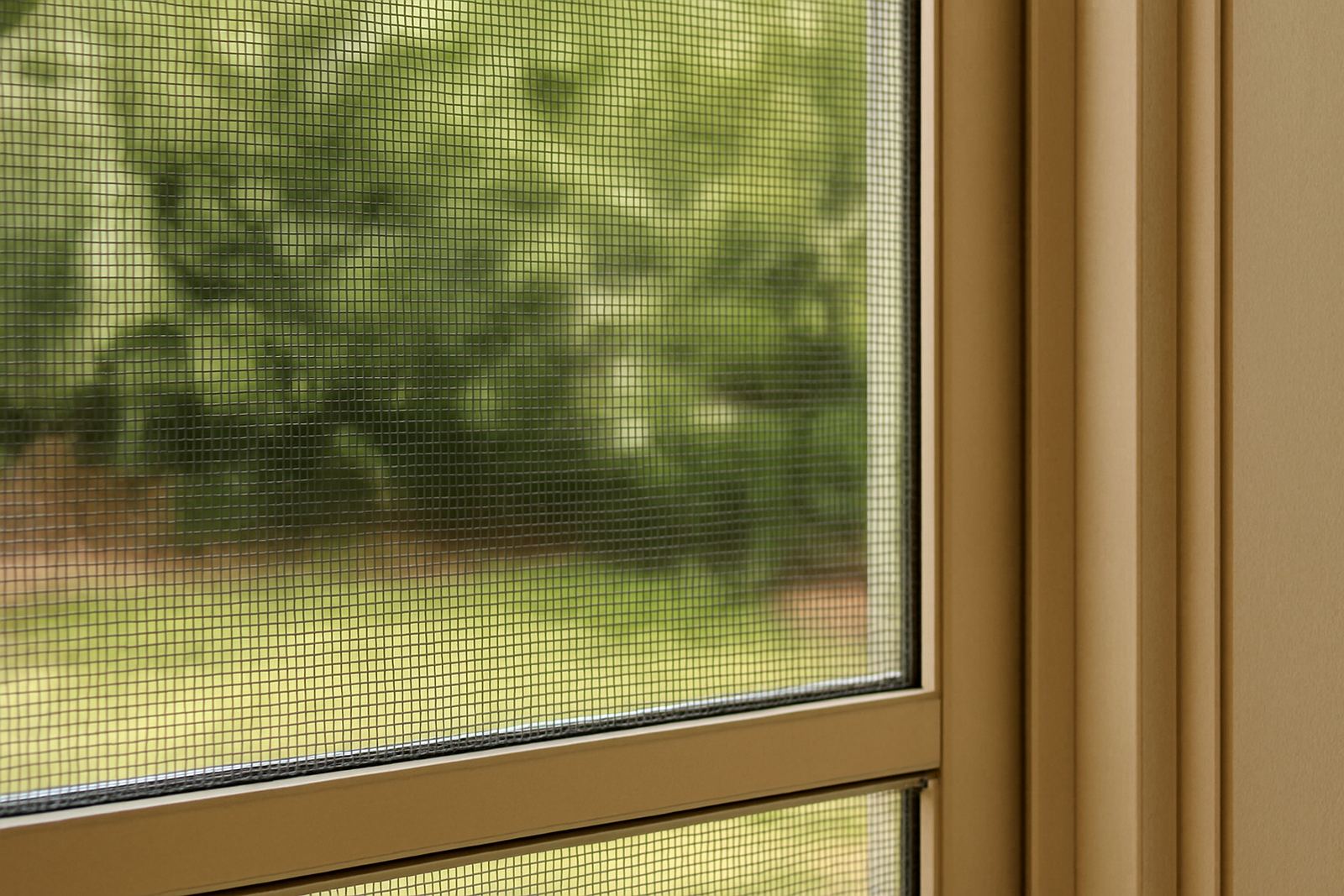
Fine Mesh Screen is made for situations where ordinary insect mesh lets too much through. The tighter weave helps reduce entry of midges, tiny flies and other small insects, which can be a real nuisance in Walmer, Summerstrand and along the coast where evening breezes often bring insects in with the air. It is a practical choice for bedrooms, kitchens, enclosed patios and business areas that need a cleaner, calmer indoor feel.
Because the openings are smaller, the screen gives a neater visual finish too. It still allows natural light and ventilation, but it is better suited to places where comfort matters and where people are often sensitive to insects. In homes near water, gardens or irrigated lawns, that extra bit of protection makes a difference.
Sizes, finishes and fitting options
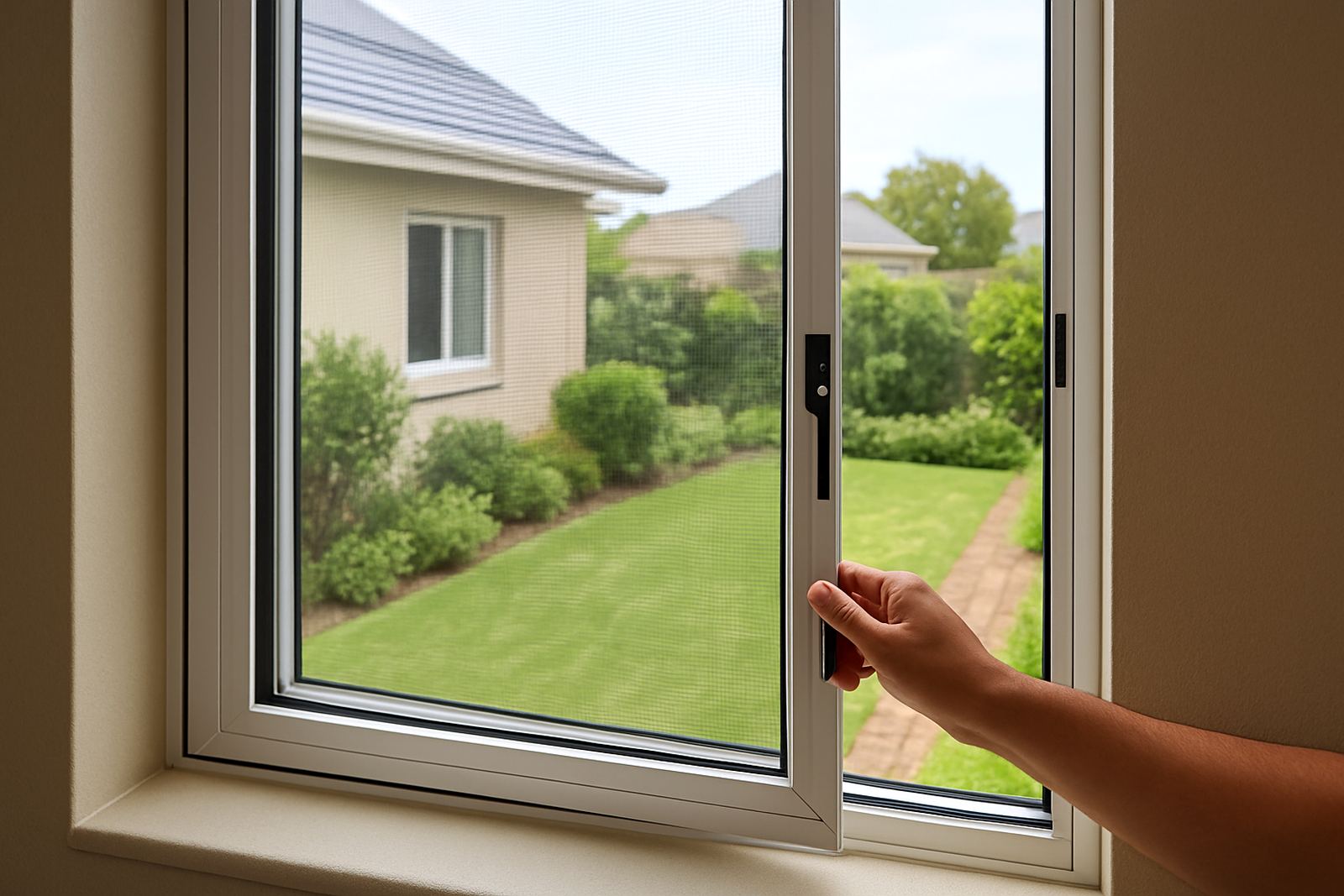
Each screen is made to measure for the opening it needs to cover. That includes windows, hinged doors, sliding doors, patio access points and certain fixed panels. The frame profile, corner style and fixing method are selected to suit the opening, the surface material and how often the panel will be used.
- Custom widths and heights for most residential and commercial openings
- Powder-coated frame colours to match existing aluminium or painted joinery
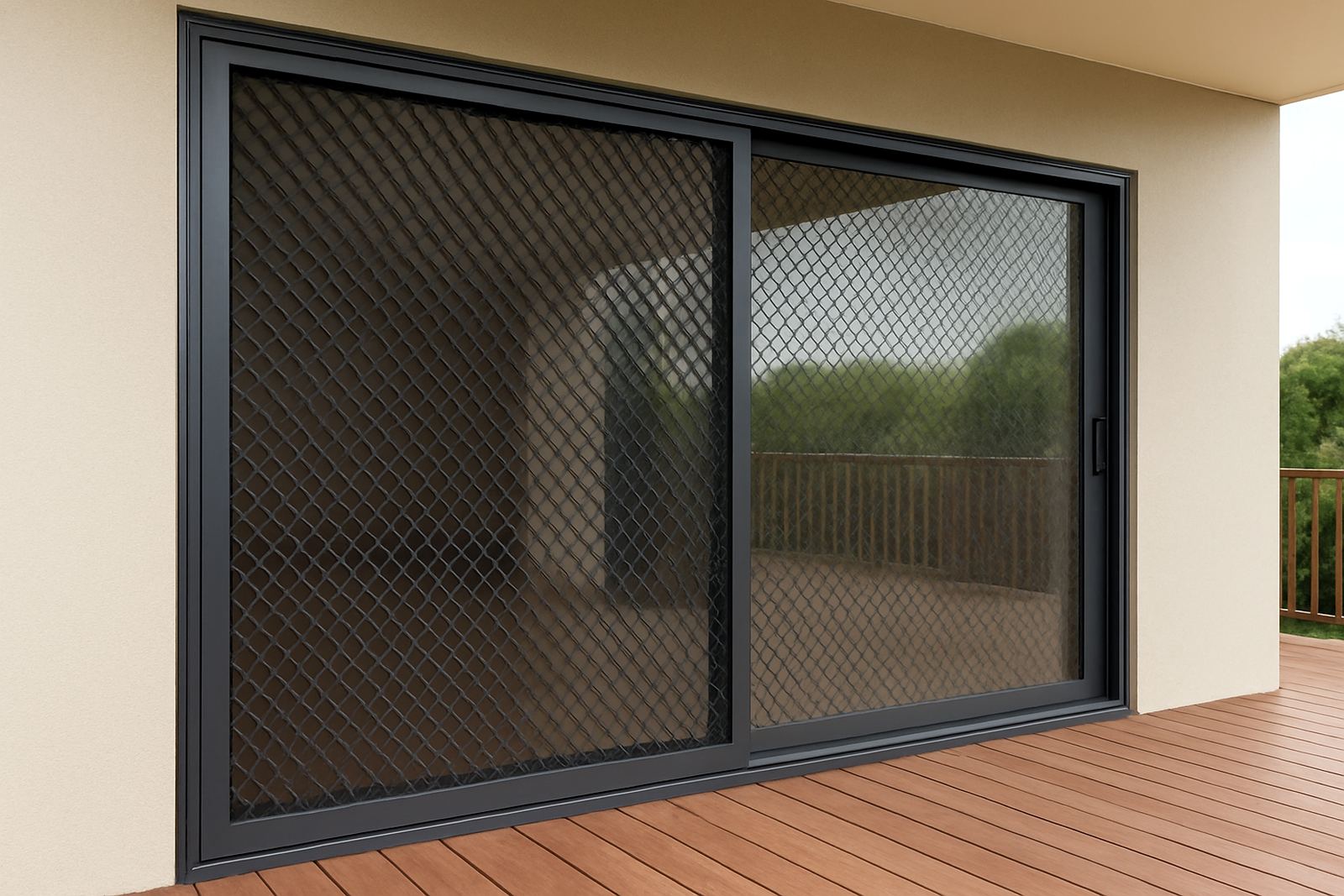
- Fixed, hinged, sliding and removable panel options
- Options for single panels or multiple panels across wide openings
- Suitable for internal or external mounting, depending on the site
For coastal areas such as Gqeberha and Jeffreys Bay, the frame and hardware selection matters because salt air can shorten the life of poor-quality fittings. We use suitable materials and fittings so the screen stays usable and looks tidy over time.
Where this screen suits best
Fine Mesh Screen is often chosen for bedrooms, nurseries, treatment rooms, guest spaces and other sensitive areas where people notice small insects quickly. It is also a good fit for kitchens and food prep zones where flies are not welcome. For homes in St Francis Bay or estate properties around the Eastern Cape, it offers a smart balance between airflow and control.
Commercial users often ask for this mesh in offices, reception areas, break rooms and hospitality spaces. If the building faces gardens, courtyards or standing water, the tighter weave can help reduce complaints and keep the space more comfortable for staff and visitors. It is not just about insects either, it also helps keep the place looking neat and more settled.
- Bedrooms and nurseries
- Restaurants, cafés and guest accommodation
- Medical or consultation spaces
- Homes near rivers, dams or dense planting
- Ground-floor openings and shaded verandas
Installation, power use and everyday operation
Fine Mesh Screen is a passive product, so it does not need electricity, batteries or gas to work. That makes it useful during load-shedding too, because there is nothing to switch off or recharge. Once fitted properly, it simply does its job every day. For hinged and sliding openings, the movement should stay smooth and light, with the mesh kept under correct tension so it does not sag or rub.
Installation starts with site measurements and a check of the opening, sill, frame depth and nearby hardware. On older homes in Newton Park or Uitenhage, we often find uneven walls or worn frames that need a careful approach. Good fitting matters because a small gap can let insects in, no matter how fine the mesh is. The goal is a tight finish that still allows practical use, easy cleaning and proper access for the people using it.
Care, servicing and mesh replacement
Fine Mesh Screen needs basic care to stay effective. Dust, coastal film and pollen can build up on the mesh, especially after windy weeks or spring cleaning season. A soft brush, vacuum with a gentle attachment or a mild rinse is usually enough. Avoid harsh chemicals and rough scrubbing because they can damage the mesh surface and reduce visibility.
Over time, the screen may need track servicing, minor hardware replacement or a full mesh swap if it is damaged by pets, moving furniture or heavy use. If you notice loose corners, frayed edges, bent frames or a sliding panel that no longer closes neatly, it is best to have it checked early. Small issues often cost less to sort out than waiting until the panel fails completely.
- Check for tears, punctures and pulled corners
- Look for gaps where the frame meets the opening
- Make sure hinges, rollers and latches operate smoothly
- Clean the mesh before dirt becomes embedded
- Book seasonal checkups before peak insect months
What to check when ordering your screen
Before ordering, measure the opening carefully and note whether it is a window, hinged door, sliding door or fixed panel. The opening type affects the frame style and how the screen will operate. It also helps to note the mounting surface, because aluminium, timber and masonry all need different fixing choices.
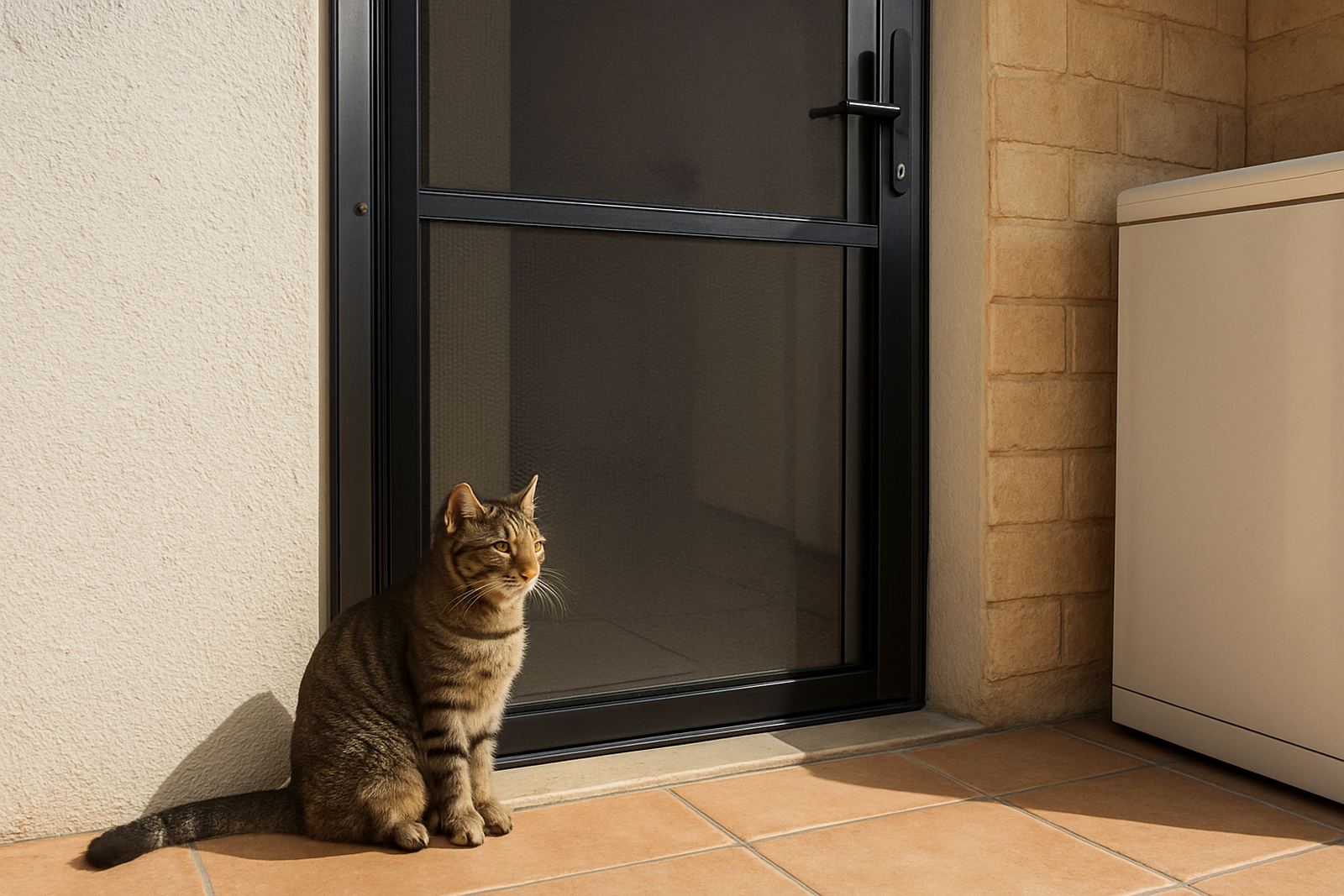
You should also think about how the space is used. If pets use the doorway, the lower section may need extra protection. If the screen is for a commercial site, access and traffic flow matter more than in a private home. Coastal humidity, strong sun and wind exposure can also influence the choice of mesh colour and fittings. A quick site consultation helps avoid mistakes, and it makes sure the finished product suits the real conditions on site.
- Exact opening sizes, not estimated sizes
- Opening direction and how often it is used
- Any nearby handles, security gates or blinds
- Exposure to salt air, sun or strong wind
- Whether you need a fixed, hinged or sliding unit
Local supply, fitting and aftercare across the Eastern Cape
We base our work in Walmer, Gqeberha and fit throughout the Eastern Cape, including Summerstrand, Newton Park, Despatch, Jeffreys Bay and St Francis Bay. That local reach matters because every property type is different, from coastal homes to estate units and business premises that need careful scheduling. Our team handles site measurements, product consultations, custom manufacture, home installations and commercial installations.
After the installation, we can assist with repairs, replacement mesh, hardware changes and seasonal checkups. If the screen needs adjustment after settling in, we can come back and sort it out. The aim is a screen that works properly, looks tidy and keeps doing its job without fuss, because that is what people actually need day to day.
Key facts
| Product type | Fine weave insect screen |
|---|---|
| Mesh use | Smaller insects, dust-prone and sensitive spaces |
| Frame options | Fixed, hinged, sliding and removable |
| Typical openings | Windows, doors, patio access and fixed panels |
| Power or gas | None required |
| Service area | Walmer, Gqeberha and across the Eastern Cape |