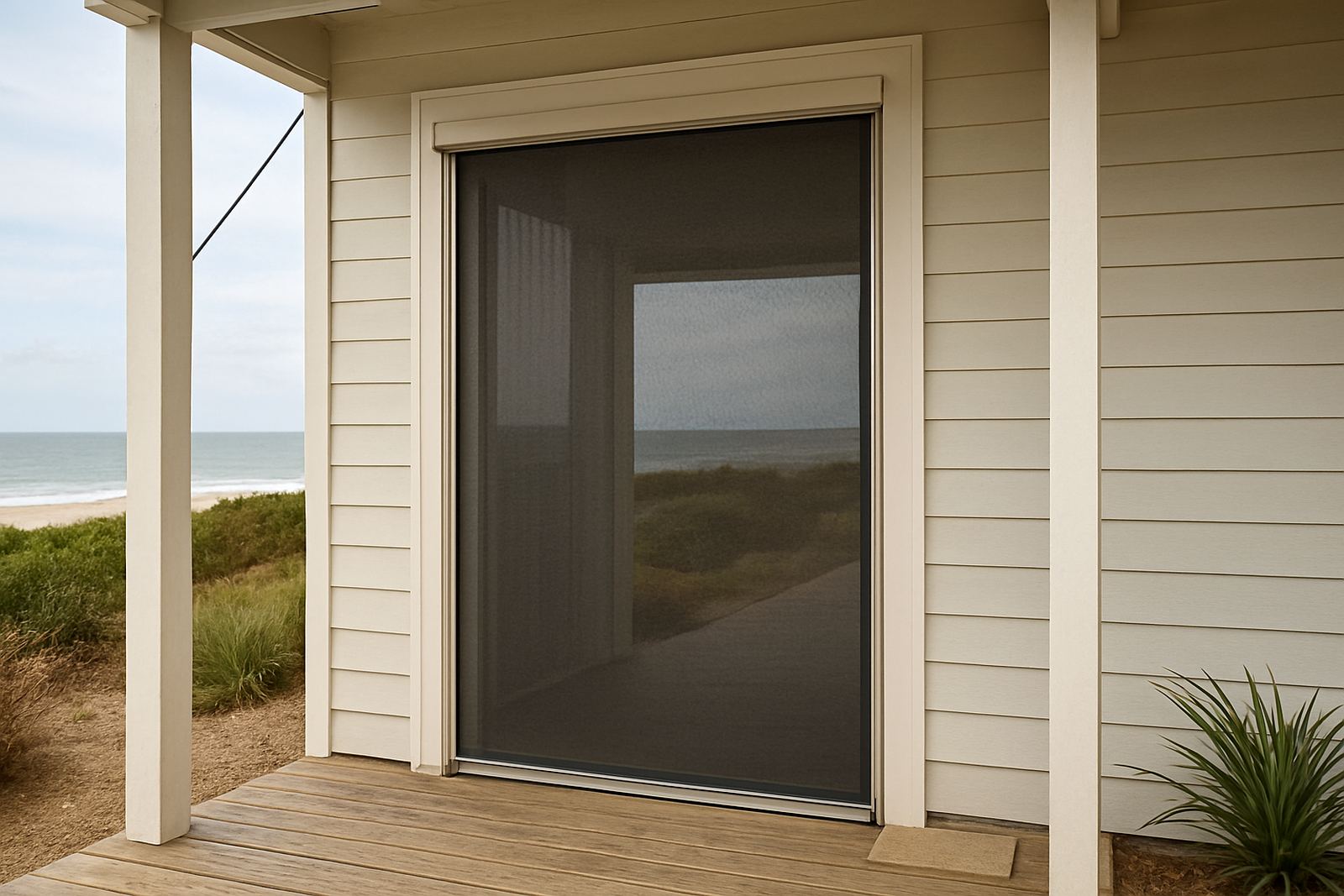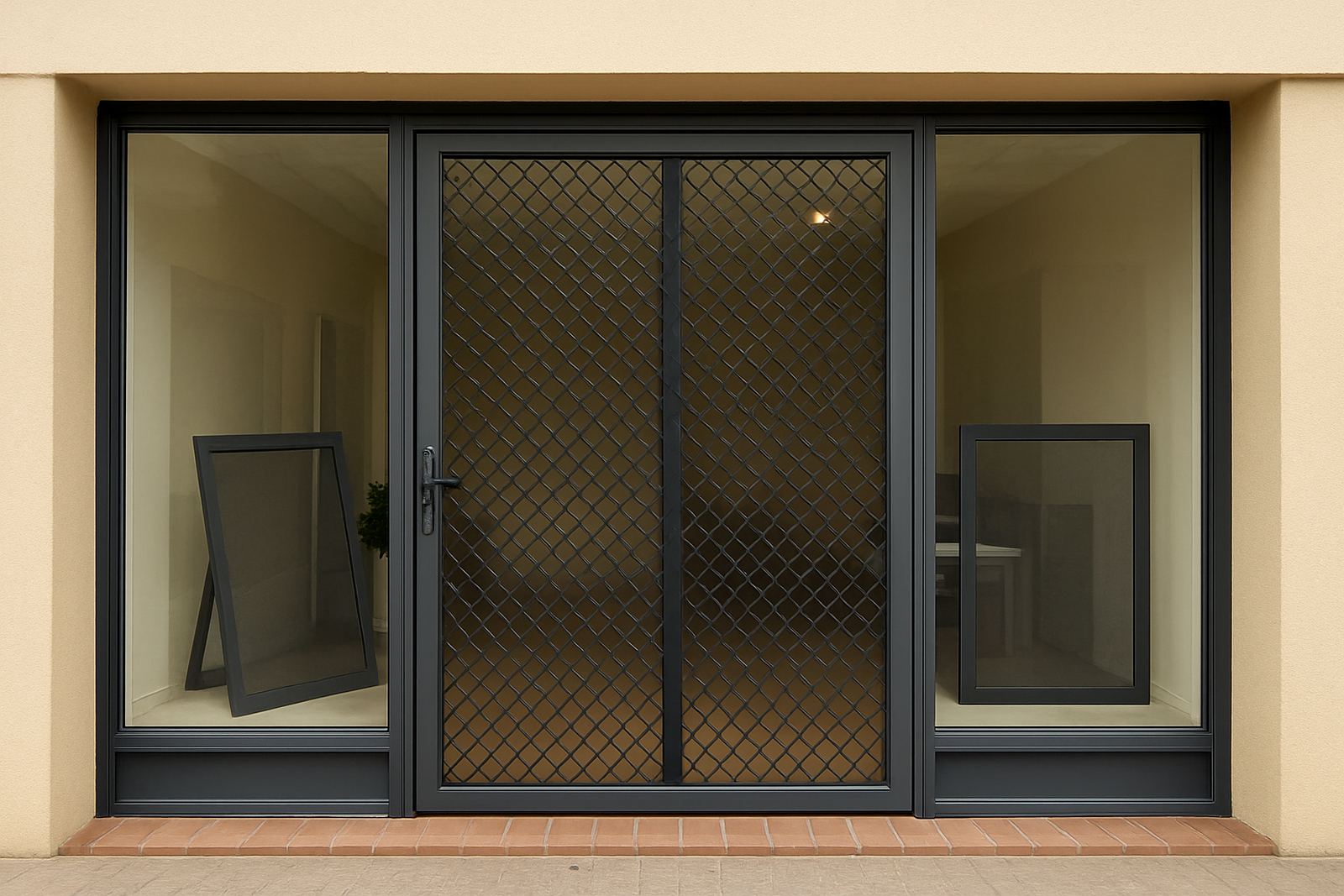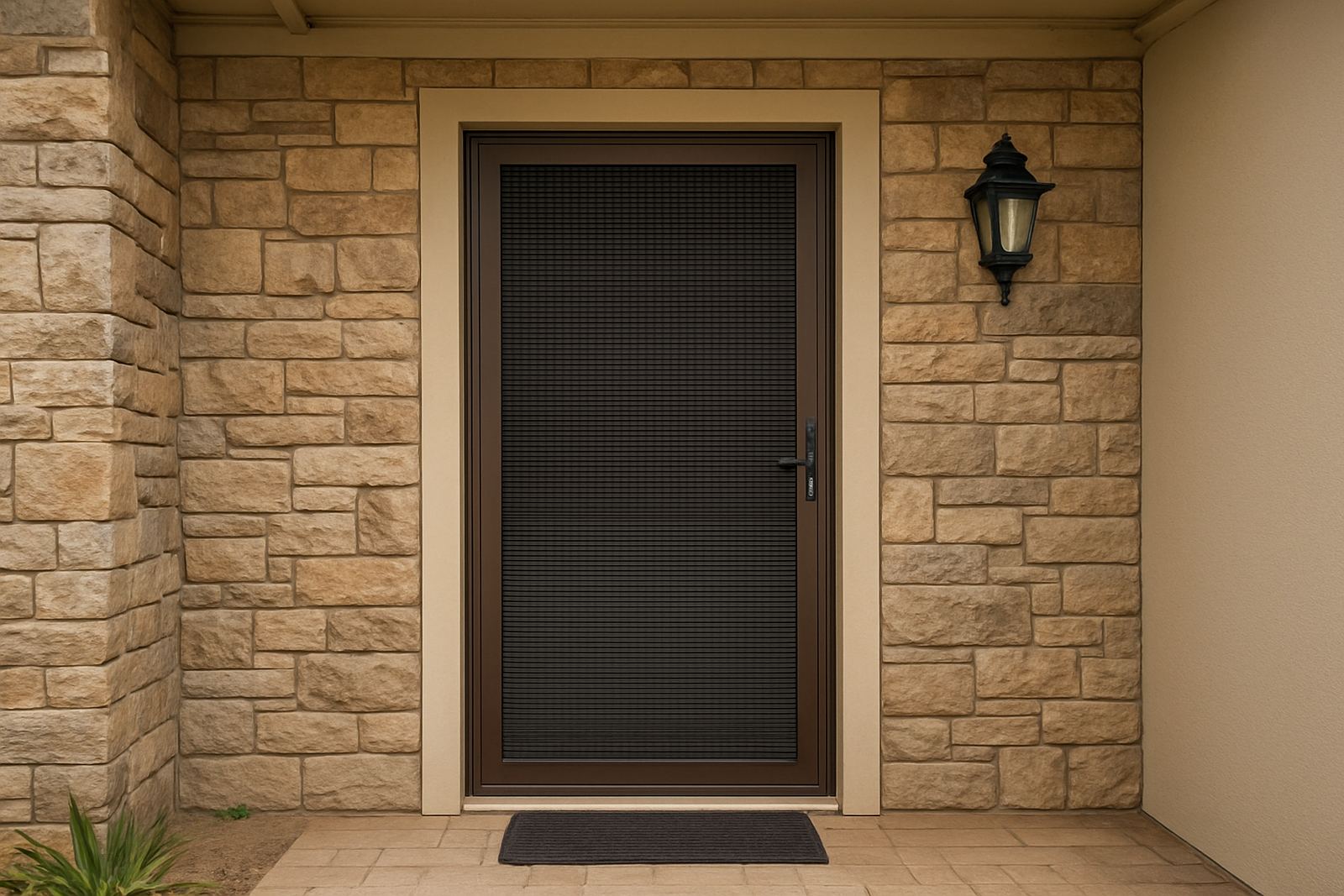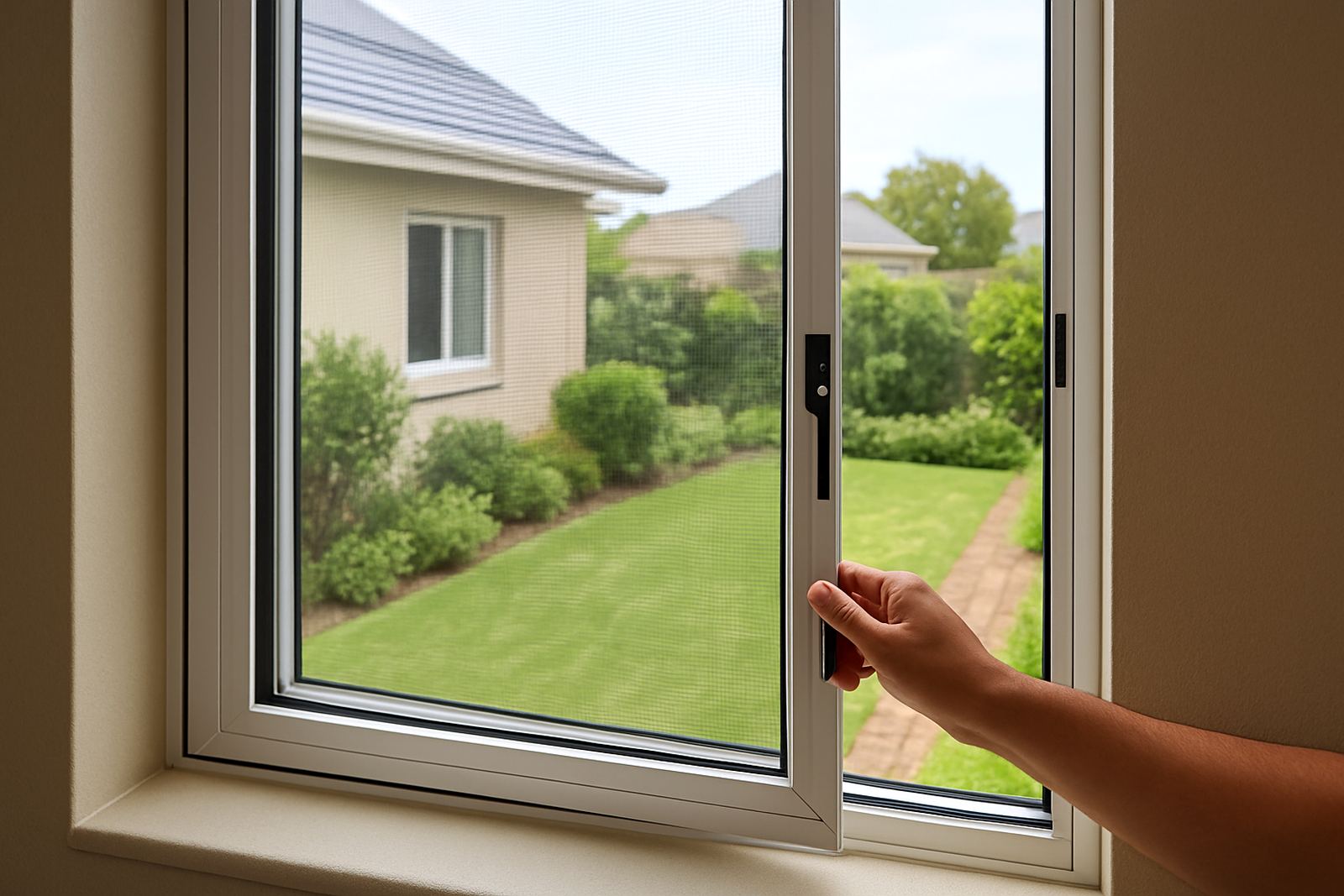
What a Side Hung Screen does on a side-opening window
A side hung screen is a framed insect screen that suits windows which open from the side on hinges or side casements. It allows you to open the window for airflow while keeping insects out, which is useful in summer, near coastal areas, and in homes where windows stay open during load-shedding for natural ventilation. In Gqeberha and Walmer, where wind-driven dust and evening insects can be an issue, a proper fit matters just as much as the mesh itself.
These screens are measured to suit the window opening and fitted so the sash can still operate as it should. The result is a tidy screen that sits close to the frame and does not flap around in a breeze. For offices, consulting rooms and ground-floor homes, it is a simple way to improve comfort without changing the window style.
Side hung screens are commonly used where the window opens outwards or inwards from one side, and where a fixed screen would get in the way. They are practical for bedrooms, kitchens, passage windows and small office openings that need regular air movement through the day.
Sizes, profiles and mesh options for the right fit
Because every window opening is slightly different, side hung screens are made to order after site measurements. This matters in older homes in Newton Park, Uitenhage and St Francis Bay where openings may be out by a few millimetres, or where the timber or aluminium frame has shifted over time. A custom-made screen gives a cleaner line and better sealing around the opening.
You can choose from a range of frame colours and mesh types depending on how the screen will be used. A standard insect mesh is ideal for general household use, while finer mesh helps with smaller insects in warmer, still areas. Where there is more exposure to pets, coastal moisture or heavier use, the frame and fixings can be selected to suit that setting better.
- Custom widths and heights to suit your exact opening
- Aluminium frame options for light weight and long service life
- Standard insect mesh for everyday fly and mozzie control
- Finer mesh for improved insect protection in warmer areas
- Colour matching for a tidier look on visible windows
- Hardware selected for the opening direction and the window type
Where a side hung screen works best
Side hung screens work well in homes and smaller business spaces where windows are used daily for fresh air. They are a good fit for bedrooms, kitchens, family rooms, reception areas and staff rooms. In Gqeberha, Summerstrand and Walmer, these screens are especially useful where sea air is welcome but insects are not.
They also suit properties where security gates, burglar bars or interior blinds are already in place, because the screen can be set up to work around existing features. That makes them useful in offices and light commercial spaces where the window needs to open for air, but the opening must stay neat and easy to use.
For landlords and body corporates, a well fitted screen can help reduce callouts from tenants asking for a basic insect problem to be sorted. It is a practical upgrade for rental homes, guest units and sectional title properties, and it can be installed one window at a time or as part of a full property rollout.
- Homes with side-opening casement windows
- Ground-floor windows that need insect control and daily ventilation
- Coastal homes where salt air and wind call for good hardware selection
- Offices, consulting rooms and small shops that open windows during the day
- Rental units and estate properties where maintenance needs to be straightforward
Installation, openings and practical power considerations
Installation starts with a site measurement so the screen can be built to the actual opening, not just the nominal window size. The installer checks the way the window swings, the frame depth, and whether there are catches, handles or security fittings that affect the fit. On some windows, a slimmer profile is needed so the sash can open and close without fouling on the screen.
Side hung screens are generally a low-fuss installation and do not need power or gas to operate. They are a passive product, which means once fitted they do their job without running costs. That is useful during power outages and periods of load-shedding, when people still want to open windows for air movement without bringing in insects.
If the property has unusual frames, tiled reveals, burglar bars or building rules to follow, these are checked before manufacture. In some estates and sectional title buildings, fixing points and visible finishes must be kept neat, so the screen can be made to suit those rules without making a fuss.
Care, cleaning and servicing in coastal conditions
Like any fitted product, a side hung screen lasts longer when it is kept clean and checked now and then. In coastal areas such as Gqeberha, Jeffreys Bay and St Francis Bay, salt and wind can build up on frames and mesh. A light rinse with clean water and a soft cloth usually helps, and the mesh should not be scrubbed with harsh abrasives.
If the screen starts to rub, rattle or stick, the problem is often in the hinges, catches or alignment rather than the mesh itself. That is where servicing helps. ScreenMaster can assist with track servicing, hardware replacement, mesh replacement and seasonal checkups so the screen keeps working as it should. It is better to sort a loose catch early than wait until the frame is damaged.
For homes with pets or children, regular checks are useful because knocks and tugging can loosen fixings over time. Offices with regular foot traffic may also need occasional adjustments, especially where windows are opened and closed every day. A quick service can save a bigger repair later on.
What to check before you order your side hung screen
Before ordering, it helps to know exactly how the window opens and what is already around it. A side hung screen is only as good as the measurement and the hardware selection, so a few details make a big difference to the final fit. If you are unsure, a site measure will clear it up quickly.
- Confirm whether the window opens inwards or outwards, and from which side
- Measure the full opening, including any reveals, stops or trims
- Check for burglar bars, handles, catches or blinds that may affect clearance
- Decide whether you want a standard insect mesh or a finer mesh
- Choose a frame colour that suits the window and the room finish
- Let us know if the property is coastal, high traffic or part of an estate with rules
For side hung screens in Walmer, Gqeberha and across the Eastern Cape, the best results come from proper measuring, clear advice and a product that suits the way you actually use the window. If the opening is unusual or the building has strict rules, mention it at the enquiry stage so the right solution can be planned from the start.
Key facts
| Product type | Custom-made side hung insect screen for side-opening windows |
|---|---|
| Frame | Lightweight aluminium frame, sized to suit the opening |
| Mesh | Standard insect mesh or finer mesh option |
| Opening style | Designed for side-hinged inward or outward opening windows |
| Finish | Colour options available to match the window surround |
| Service support | Measurements, installation, repairs, mesh replacement and seasonal checkups |