What a shopfront security screen does for your entrance
A shopfront security screen is a fixed or opening barrier fitted to the public side of a door, window or glazed opening. It is used where a business wants added physical protection without closing off light or air. In a coastal city like Gqeberha, that matters for shops that need fresh air during load-shedding or after hours, but still want a proper layer between street traffic and the inside of the premises.
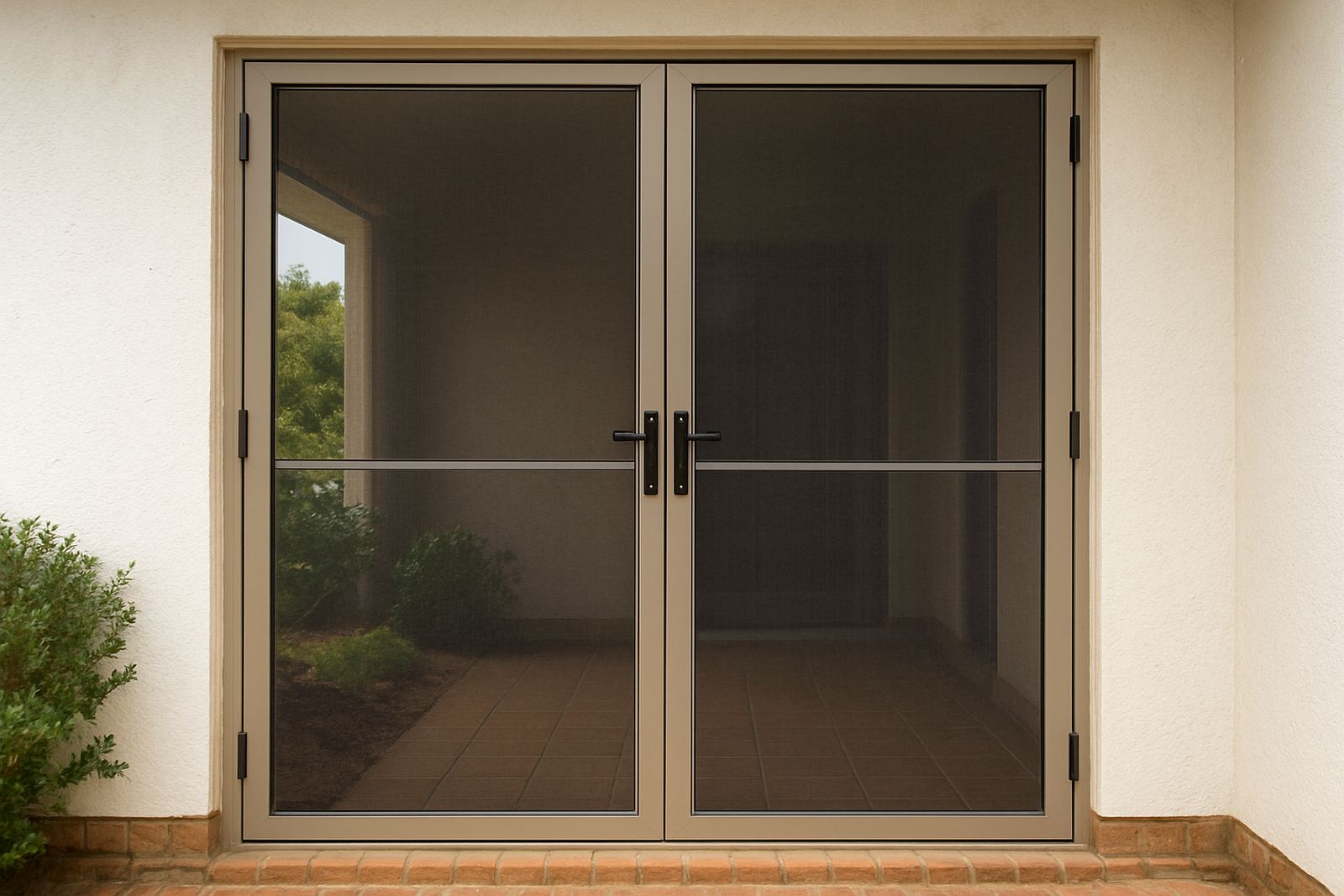
ScreenMaster makes each screen to the opening on site, so the frame sits correctly against brick, aluminium or steel surrounds. The result is a practical barrier for street-facing entrances, side access doors and front glazing in areas such as Walmer, Summerstrand, Newton Park and Uitenhage. It is a cleaner option than makeshift bars or loose gates and it can be matched to the colour of the building.
- Helps slow opportunistic access at the front door or glazing
- Allows airflow and visibility where a solid shutter would block both
- Can be specified for public entrances, back entrances and service openings
- Useful for shops, reception areas, clinics, offices and take-away counters
Where these screens are commonly fitted
These screens are a good fit for commercial properties that face the street and need daily use without fuss. They are often installed on single entry doors, double entrance sets, transom glazing, cashier windows and side returns that are easy to reach from the pavement. In coastal areas such as Jeffreys Bay and St Francis Bay, the materials and fixings are chosen with humidity and salt air in mind so the screen does not seize up too quickly.
They are also used on entrances that stay open for trading hours, especially where staff want to keep the door open for ventilation but still create a physical barrier. If your premises are in a shopping line, medical suite, restaurant or small warehouse, the design can be adjusted for daily traffic and cleaning routines. For businesses in estates or controlled-access sites, the screen can be built to suit the estate rules and the required access point, which saves a lot of back and forth later.
- Retail shopfronts and promenade stores
- Offices with ground-floor glazing
- Restaurants, coffee shops and take-away counters
- Medical rooms, reception areas and service windows
- Commercial entrances that need ventilation during power cuts
Sizes, materials and opening styles available
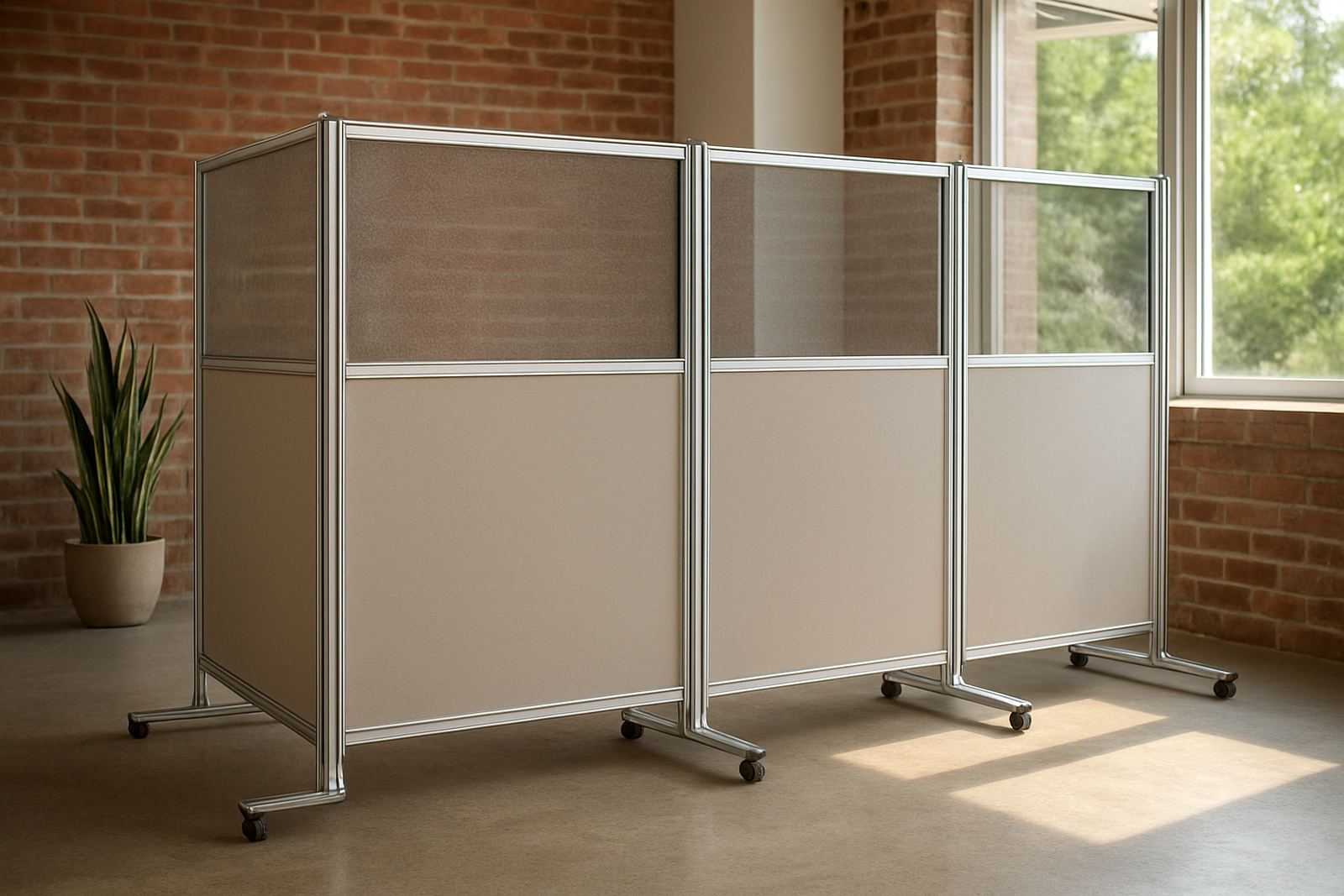
Each shopfront security screen is custom made, so the opening is measured first and the frame is built to suit. This allows for small service windows as well as larger entrance spans. Standard options include hinged screens, sliding screens and fixed panels, depending on how the opening is used. Where the doorway carries higher foot traffic, the screen can be made to open fully or stay fixed with a separate access point elsewhere. Measurements are taken in millimetres for accuracy, which helps on older buildings that are not perfectly square.
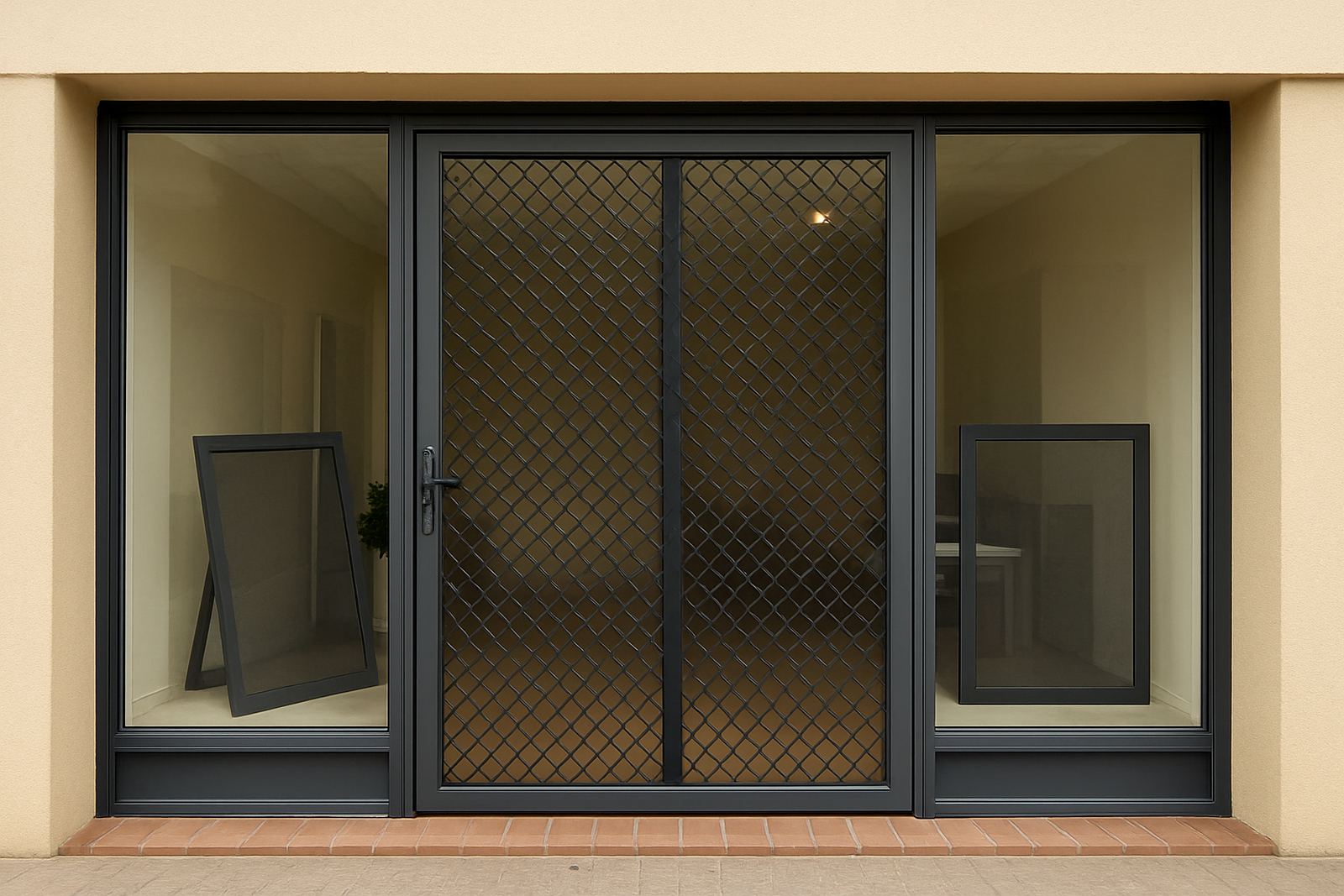
The frames are generally made from powder-coated aluminium or steel, with security mesh selected for strength, airflow and sightlines. For businesses wanting a cleaner front-of-house look, the colour can be matched to existing shopfront trim. On more exposed sites, heavier gauge sections and stronger corners can be used. If the opening is wide or tall, we can split the screen into sections so it is easier to use and service later on.
- Made to measure for small, medium and large openings
- Fixed, hinged or sliding configurations
- Powder-coated finish in selected colours
- Security mesh chosen for visibility and airflow
- Sectioned builds available for wider spans
Installation, access and power considerations
Site measurements are the first step, followed by product consultation and manufacture. During installation, our team checks the wall or frame condition, hinge side, closing clearance and any traffic flow issues around the entrance. Commercial sites often need work done outside trading hours, so timings can be arranged to keep disruption down. If the premises use roller shutters, automated doors or alarm contacts, those points are checked before fitting so the screen does not interfere with the existing setup.
Most shopfront security screens do not need power. That makes them useful where there are load-shedding gaps or limited electrical access. If the opening already has electric locks, sensors or an alarm reed switch, those items are assessed during the quote and installation planning. Gas lines are not normally part of a screen install, but we do check for pipes, conduits and service lines that may sit inside the wall or around the frame. It sounds basic yet it avoids damaged services and delays.
- No mains power required for the screen itself in most cases
- Can be fitted around existing alarms, shutters and access hardware
- Suitable for after-hours installation by arrangement
- Clearance checks done around cables, conduits and fixed services
Care, servicing and long-term use
A security screen on a shopfront sees daily handling, dust, coastal moisture and the occasional knock from trolleys or stock cages. Basic care keeps it working well. Wipe the frame and mesh with a soft cloth and mild soap, then rinse off salt and grime before it builds up. Hinged and sliding screens should be checked for smooth movement, and any grit in the tracks should be cleared before it causes wear. In busy trade areas, a seasonal checkup is worth it because the first sign of trouble is often a stiff catch or a loose fix, not a full breakdown.
ScreenMaster offers screen repairs, mesh replacement, track servicing and hardware replacement for commercial clients across Gqeberha and the Eastern Cape. If a frame has taken a knock or a lockset is starting to bind, it is usually more cost-effective to repair the affected section than replace the full screen. Proper aftercare also matters for estate rollouts and multi-branch businesses where one damaged unit can affect the look of the whole frontage. A little upkeep goes a long way, especially in salty air and busy foot traffic.
- Clean mesh and frames regularly to reduce salt and dust build-up
- Check hinges, locks and sliding tracks every few months
- Schedule seasonal servicing for coastal sites
- Replace damaged mesh or hardware before it affects daily use
What to check before you order
Before ordering, it helps to confirm how the opening is used and who needs to pass through it. A screen on a customer entrance has different needs from one on a counter opening or side staff door. You should also check whether the wall is brick, plastered block, aluminium or steel, because the fixing method changes with the substrate. If the entrance is in a controlled complex, ask for any estate or landlord rules early so the build can comply with them from the start.
The most useful information for a quote is the opening size, the type of door or glazing already in place, the direction it opens, and whether you need insect control as well as security. If you are replacing a damaged screen, send photos of the existing unit and note where it is sticking or rattling. ScreenMaster works through the enquiry form on the contact page, with service across Walmer, Gqeberha, Summerstrand, Newton Park, Uitenhage, Despatch, Jeffreys Bay and St Francis Bay. That keeps the process clear and avoids unnecessary call backs.
- Opening width and height in millimetres
- Type of entrance: door, window, counter or glazed panel
- Preferred opening style and colour
- Any alarm, shutter, lock or sensor already fitted
- Site access details and trading hours
Key facts
| Product type | Custom shopfront security screen for commercial entrances and glazing |
|---|---|
| Construction | Powder-coated aluminium or steel frame with security mesh |
| Opening styles | Fixed, hinged or sliding |
| Typical use | Retail fronts, reception areas, service windows and street-facing glazing |
| Installation area | Gqeberha, Walmer and installs across the Eastern Cape |
| Service support | Repairs, mesh replacement, track servicing, hardware replacement and seasonal checkups |