What a roller window screen does in daily use
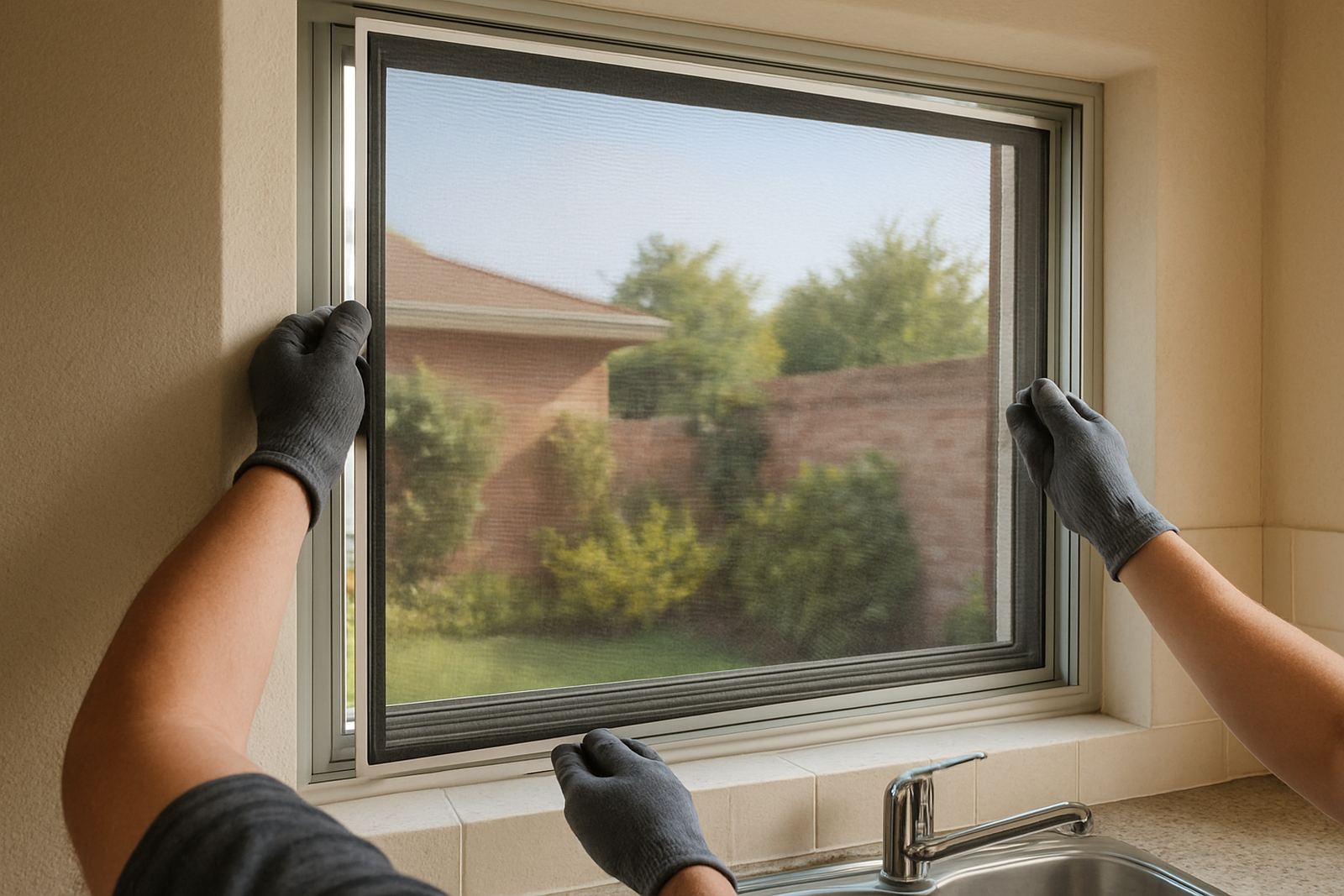
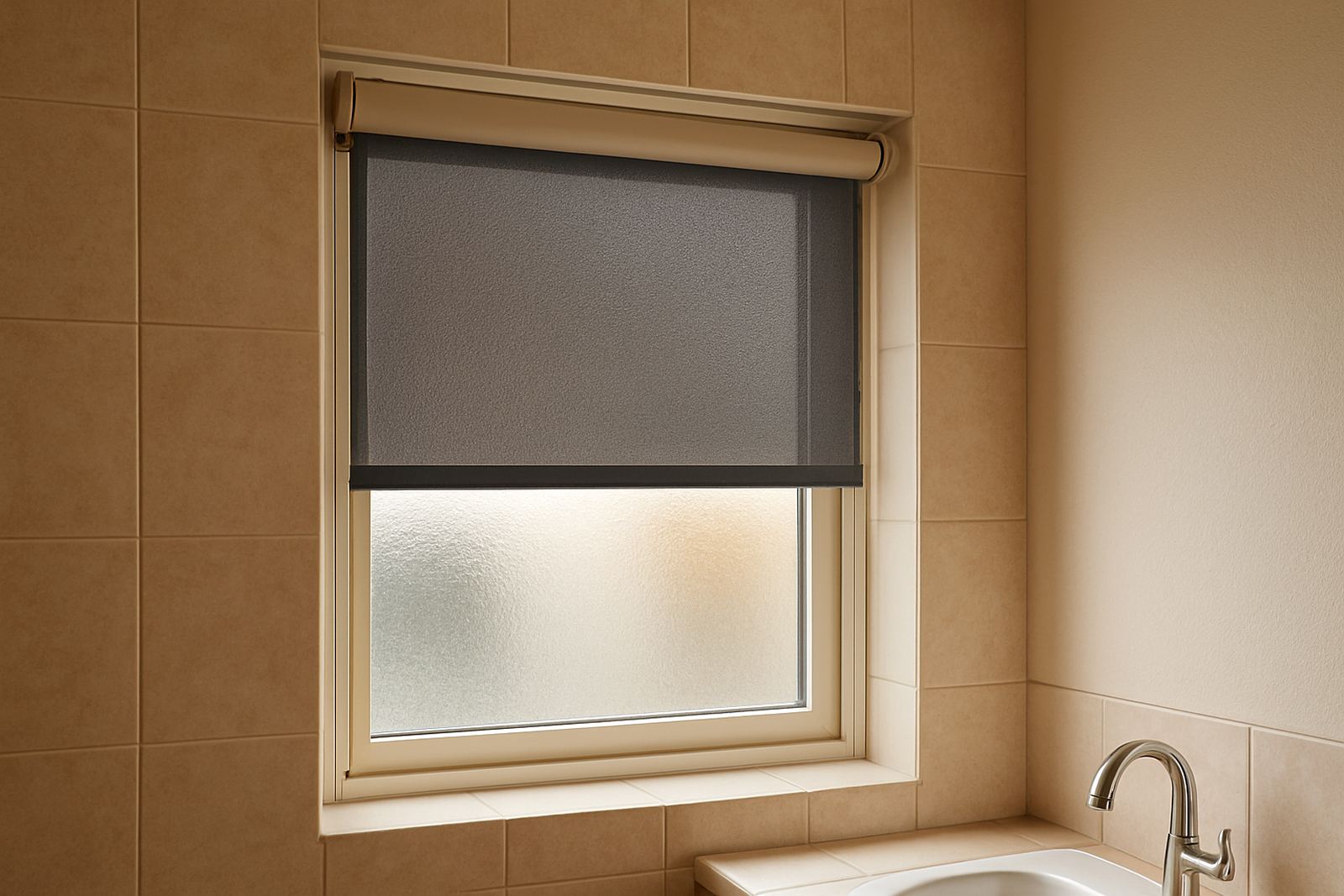
A roller window screen is a retractable insect screen fitted to a window opening and housed in a slim cassette. The mesh rolls down when you want fresh air and rolls back into the casing when the window is closed or when you want an open view. It is a practical option for bedrooms, kitchens, living areas and office windows where you want ventilation without flies, mozzies or garden insects moving inside.
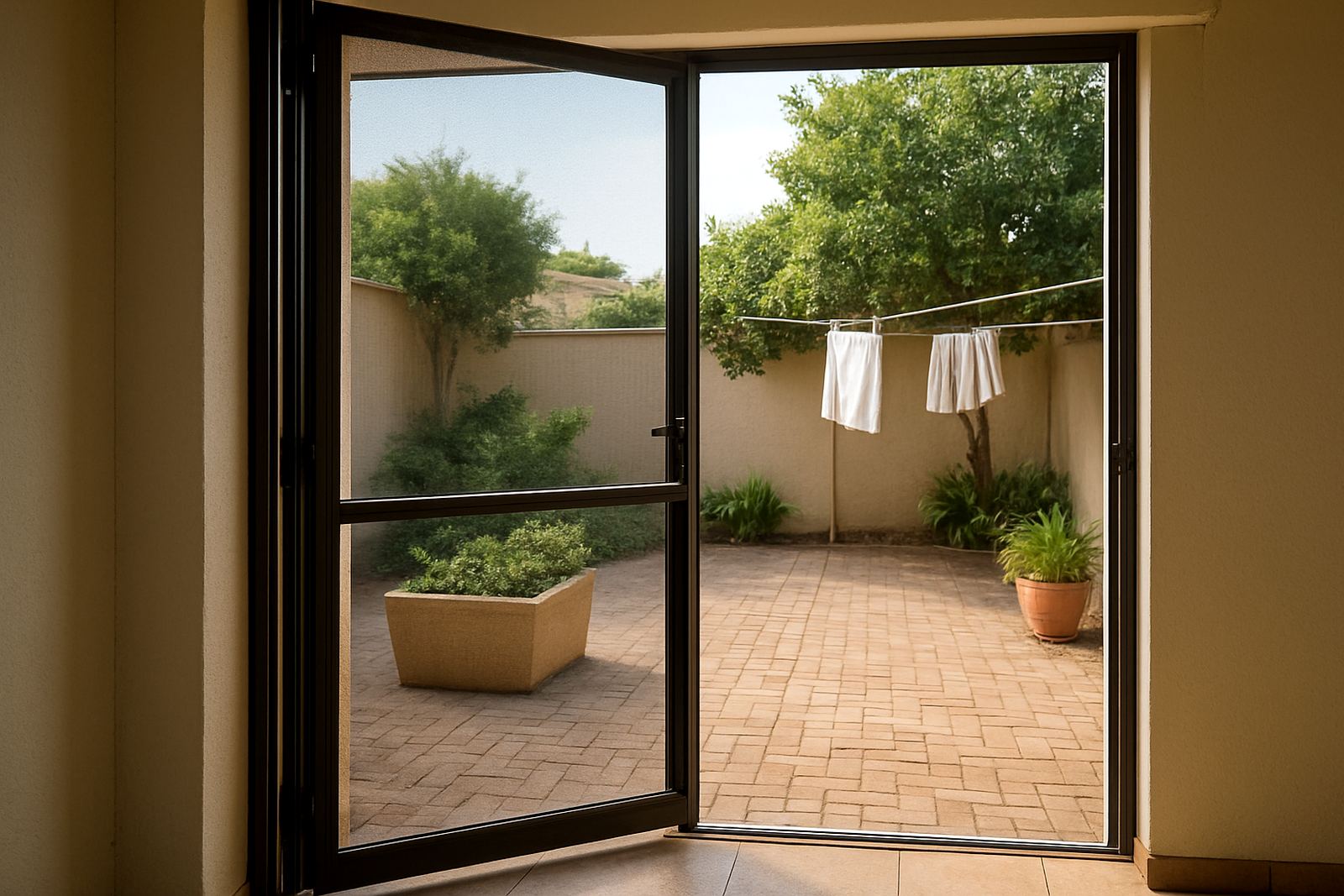
In the Eastern Cape, especially near the coast, many homes leave windows open in the evening for airflow. A roller screen lets you do that without covering the opening permanently. It is well suited to seasonal use too, for example during summer when insects are more active and then tucked away in cooler months. The screen is designed to work quietly and sit neatly against the frame, with no need for electricity, batteries or gas.
Because the unit is made to size, it can suit standard and non-standard windows where off-the-shelf products are not quite right. The result is a clean finish that looks built in rather than added later, which matters in newer homes, sectional title units and guest accommodation where presentation counts.
Window sizes, mesh choices and finish options
Each roller screen is made to the measured opening, so the sizing starts with a site check or accurate window dimensions. The cassette and side guides are selected to suit the width and height of the window and the way the sash or opening panel operates. That means the screen can be set up for smaller kitchen windows, wider bedroom windows, and selected commercial openings where a neat, low-profile fitting is needed.
Mesh choice matters. Finer mesh is useful where tiny insects are the main issue, while a stronger weave can be better in busy homes or where the window is handled often. In coastal areas like Gqeberha, Jeffreys Bay and St Francis Bay, we also take into account humidity, salt in the air and how frequently the screen will be used. Tracks and hardware should be selected for the site, not just the opening size.
- Custom widths and heights for made-to-measure fitting
- Choice of mesh density for insect control and airflow
- Powder-coated frame finishes to match interior or exterior colours
- Left or right operation depending on the window layout
- Spring or guided roll-up action, depending on the application
Where roller screens suit homes, estates and businesses
Roller window screens work well in homes where windows are opened daily, especially in bedrooms, kitchens and bathrooms. They are also a strong choice for flats and townhouse units in Walmer, Summerstrand and Newton Park where residents want controlled ventilation without leaving openings exposed. For coastal properties, the ability to retract the screen is useful when winter winds pick up or when windows need a full open view.
On the commercial side, these screens are commonly fitted in staff areas, small offices, guest rooms, clinics and light hospitality spaces. They can help reduce insect nuisance in places where windows are opened for fresh air but air-conditioning is not running all day. In estates and sectional title settings, a made-to-measure roller screen can also help keep the outside of the building looking consistent from one unit to the next.
They are not a power-hungry solution and there are no gas requirements. The unit operates mechanically, which makes it useful during load-shedding and in buildings where you do not want another item tied to the electrical supply. For landlords and body corporates, that simplicity usually means fewer service calls too.
Installation details and what the site team checks
Proper installation starts with site measurements and a look at how the window opens, closes and locks. The installer checks frame condition, available depth for the cassette, sill clearance and whether there is enough space for smooth screen travel. That is important in older homes and in properties where windows have been painted, altered or fitted with security bars.
ScreenMaster handles home installations, commercial installations and estate rollouts across Gqeberha and the wider Eastern Cape. Our team works from the Walmer base, so we are set up for jobs in Uitenhage, Despatch and the coast as well as the metro. If the opening is not square or the frame has movement, that can affect the run of the screen, so we measure carefully before manufacture starts. A small error here can cause rubbing or gaps later, and no one wants that.
- Check opening size in at least two points for width and height
- Confirm the mounting surface is sound and free of loose sealant
- Allow for handles, security bars and window stays
- Check the direction the screen must roll from
- Confirm whether the installation is inside reveal or face fixed
Care, track servicing and seasonal upkeep
A roller screen needs light maintenance to keep the movement even and the mesh clean. Dust, pollen and coastal grime can collect in the tracks, especially on windows near gardens, driveways or the sea. Wiping the mesh with a soft cloth or brush and keeping the side guides clear will help the screen roll properly. Avoid strong chemicals or harsh scrubbing, as that can damage the mesh or the finish.
Seasonal checkups are worth doing before summer and again before the wetter months. That is the time to look for loose hardware, damaged mesh, slow rolling or a cassette that is not sitting straight. If the screen is being used in a busy household, the spring tension or track alignment may need a service now and then. Our service team handles track servicing, hardware replacement, mesh replacement and repairs, so a worn screen does not have to be replaced as a whole unit.
For properties in salty air or where windows are opened often, regular aftercare support helps extend the working life of the product. A simple service visit can sort minor issues before they become costly ones and keep the screen operating as intended.
What to verify before ordering a flush window screen
Before ordering, it helps to know exactly how you want the screen to work and what the window needs to do. A roller screen is custom made, so the more accurate the brief, the better the fit. Think about the room use, how often the window is opened, and whether you want the screen to disappear fully when not in use or stay ready for daily operation.
There are a few practical points to confirm early. If you are fitting screens in a rental property, estate, guest unit or office, consistency across openings can matter. In some buildings, window hardware, security bars or municipal or body corporate rules can affect the final design. It is better to check before manufacture than to try force a unit into a tight opening later on.
- Exact window opening size and frame depth
- Which side you want the screen to roll from
- Whether the window has handles, bars or stays in the way
- Mesh type needed for airflow, privacy or insect control
- Preferred colour for the frame and cassette
- Any access limits, estate rules or landlord requirements
If you are in Walmer, Gqeberha, Summerstrand, Newton Park, Uitenhage, Despatch, Jeffreys Bay or St Francis Bay, ScreenMaster can arrange a site measurement and talk through the best setup for your windows. The aim is a screen that fits neatly, works smoothly and suits how you live day to day.
Key facts
| Product type | Retractable roll-up insect screen for windows |
|---|---|
| Use | Seasonal or daily insect control with clear open-view option |
| Fit | Custom made to measured window openings |
| Operation | Manual roll-up with cassette and side guides |
| Typical materials | Powder-coated frame, insect mesh, fitted hardware |
| Power or gas needs | None required |