What Pet Mesh Screen Is Built To Do
Pet mesh is made for rooms, doors and openings where normal insect mesh tends to stretch, tear or pull loose over time. It uses a stronger woven mesh with a firmer profile, so it can handle the odd paw at the frame and a bit more bumping from children or pets without looking tired after a few months.
In Gqeberha and along the coast, that extra strength matters. Salt air, wind and sand can be hard on lighter fittings, especially on sliding doors and stoep openings that get used all day. Pet mesh gives you a practical middle ground between standard insect screening and heavier security screening, with a clean finish that suits homes in Walmer, Summerstrand, Newton Park and out towards Jeffreys Bay and St Francis Bay.
It is also a smart choice where you want ventilation during hot weather or load-shedding, but do not want mosquitoes, flies or moths coming in every time a door opens. For many homes it becomes the screen that gets used the most because it is simply more forgiving.
Sizes, Frame Options And Finish Choices
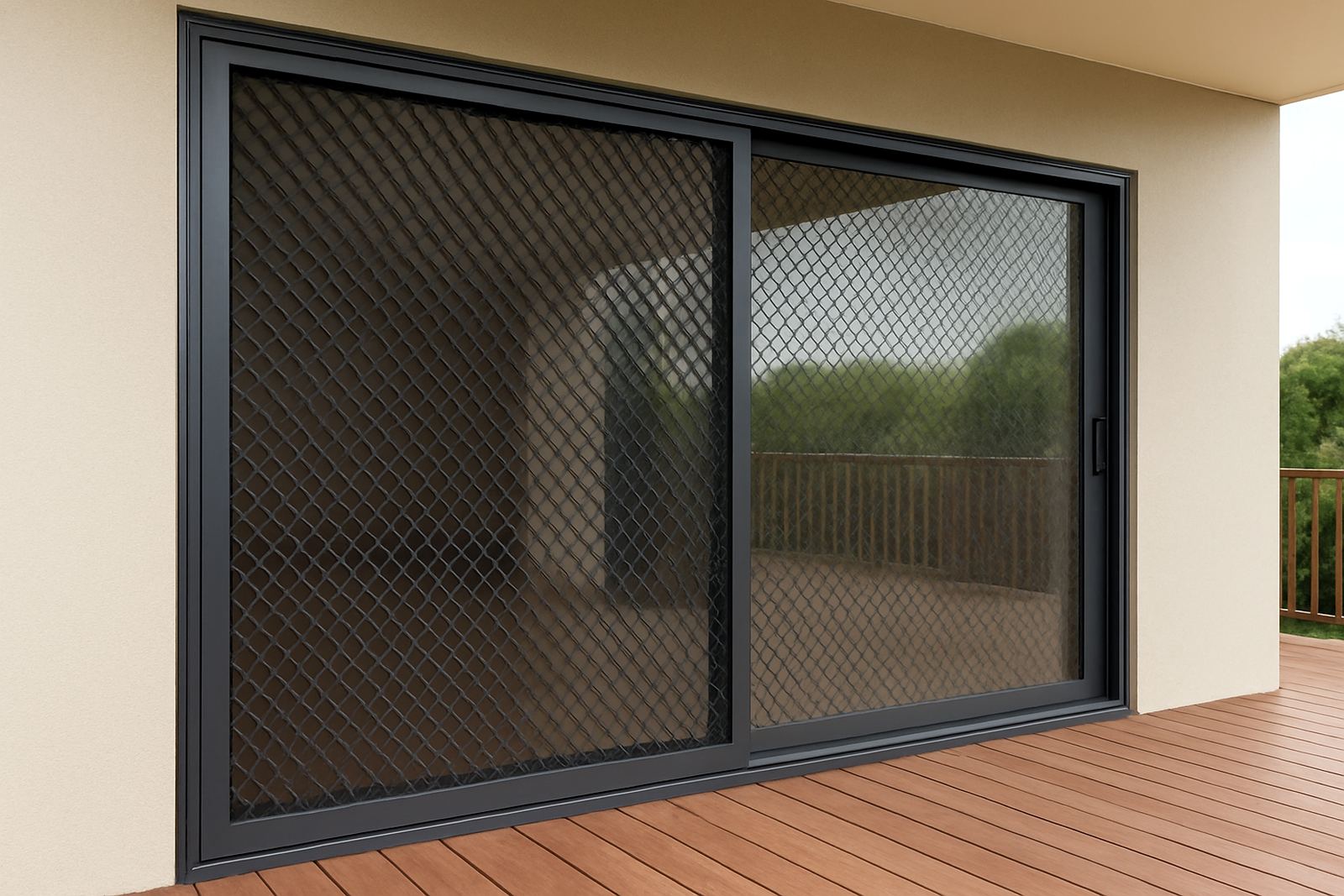
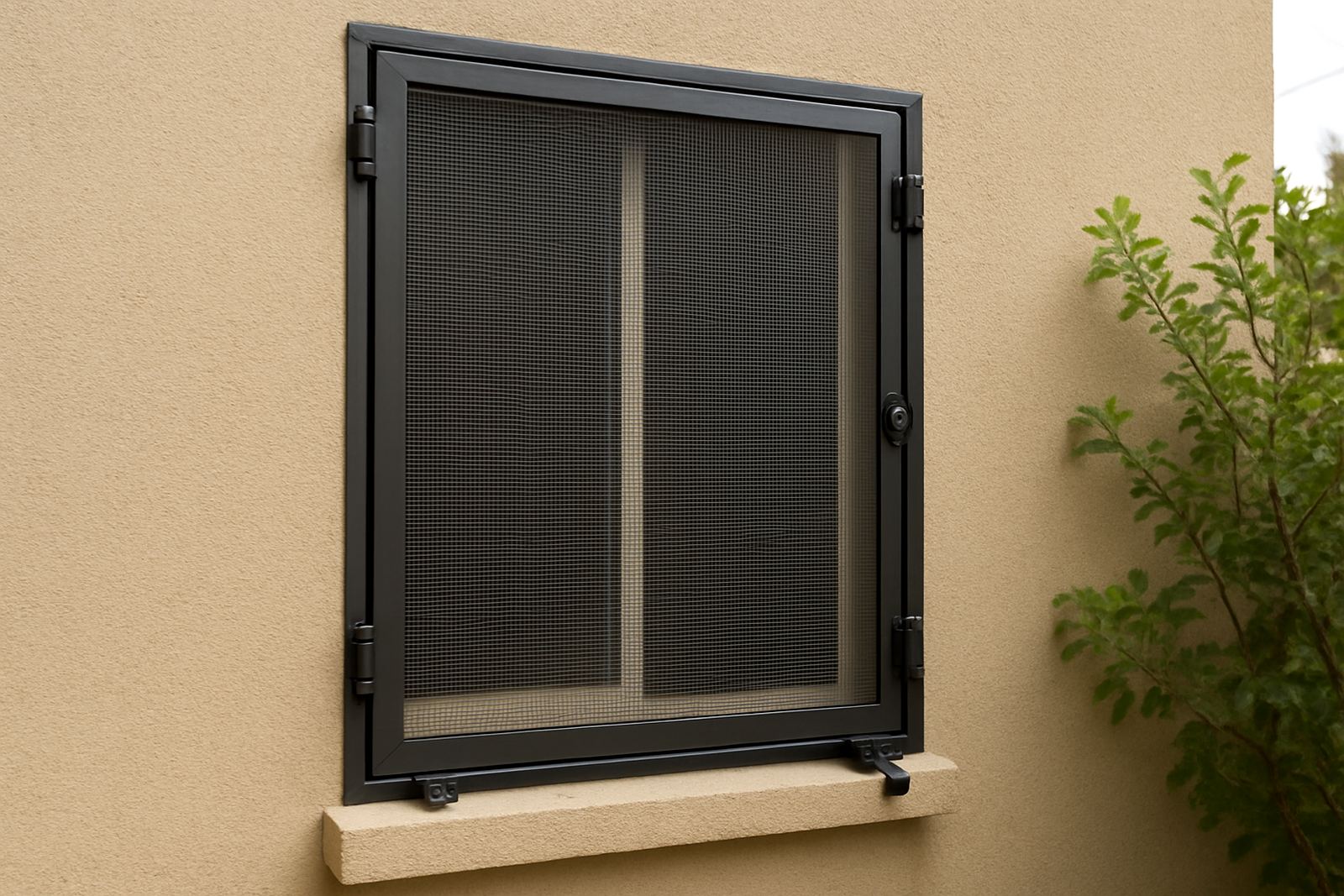
Pet mesh is custom made to suit the opening, so there is no need to force a standard size into an awkward doorway or window. It can be fitted to hinged doors, sliding doors, fixed panels, opening windows and selected patio areas. Frames are measured on site for a proper fit, especially where walls are uneven or older aluminium frames have shifted slightly over time.
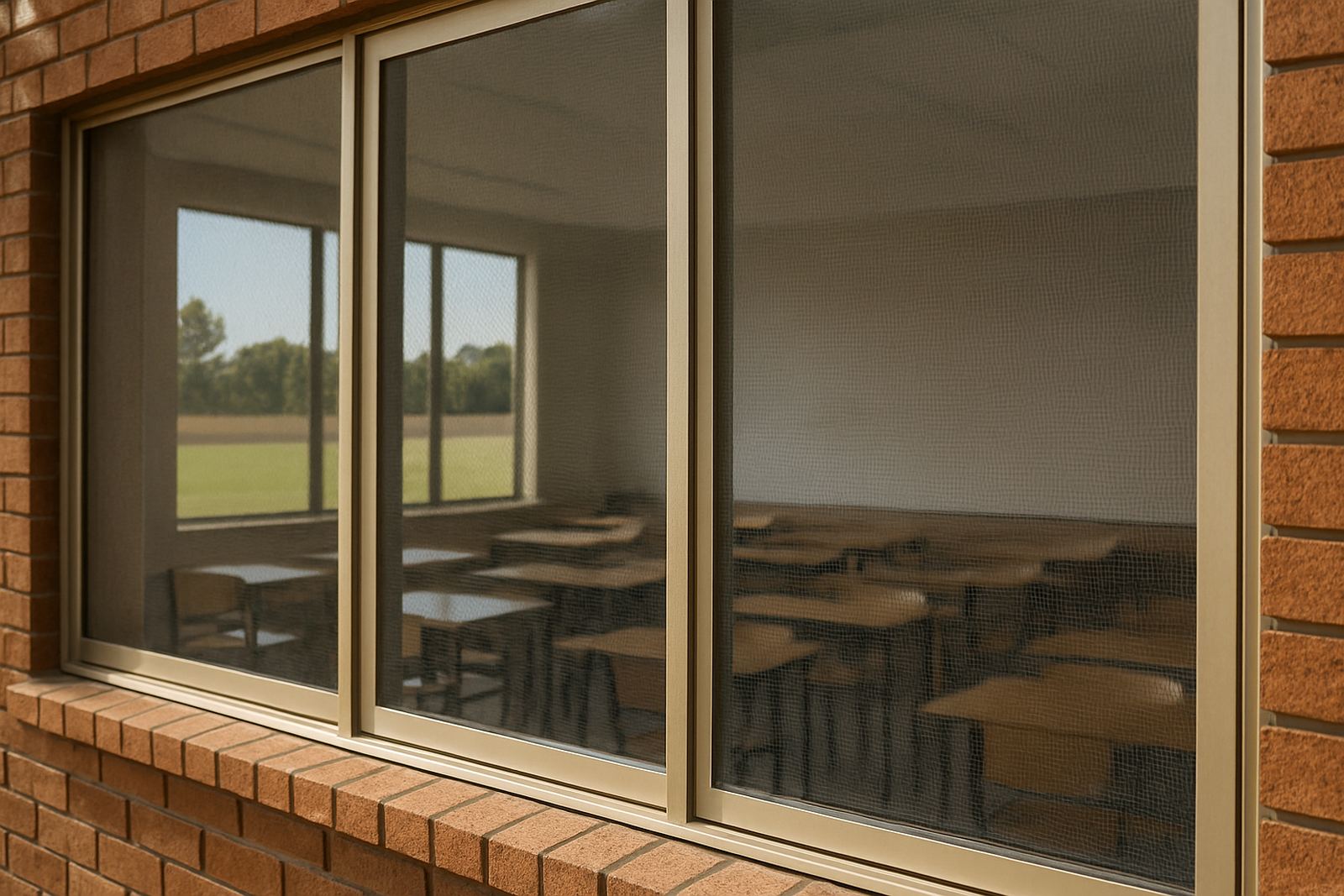
Typical options include slimline frames for windows, heavier duty frames for doors, and removable panels where seasonal use makes more sense. Colour is usually matched to the surrounding frame so the screen does not stand out. Common finishes suit white, charcoal and bronze aluminium, which covers most homes and commercial spaces around the Eastern Cape.
- Custom widths and heights for non-standard openings
- Door, window and fixed panel options
- Low-profile or heavier frame sections depending on use
- Colour-matched finish for a neat look
- Optional latch, handle or magnetic closing hardware on selected installations
Where Pet Mesh Works Best In The Home
This product suits places where a screen needs to be practical first. Think kitchen doors, family room sliders, laundry access, enclosed braai areas and verandas that open to the garden. It is also useful for bedrooms where windows are opened in the evening and pets move freely around the house.
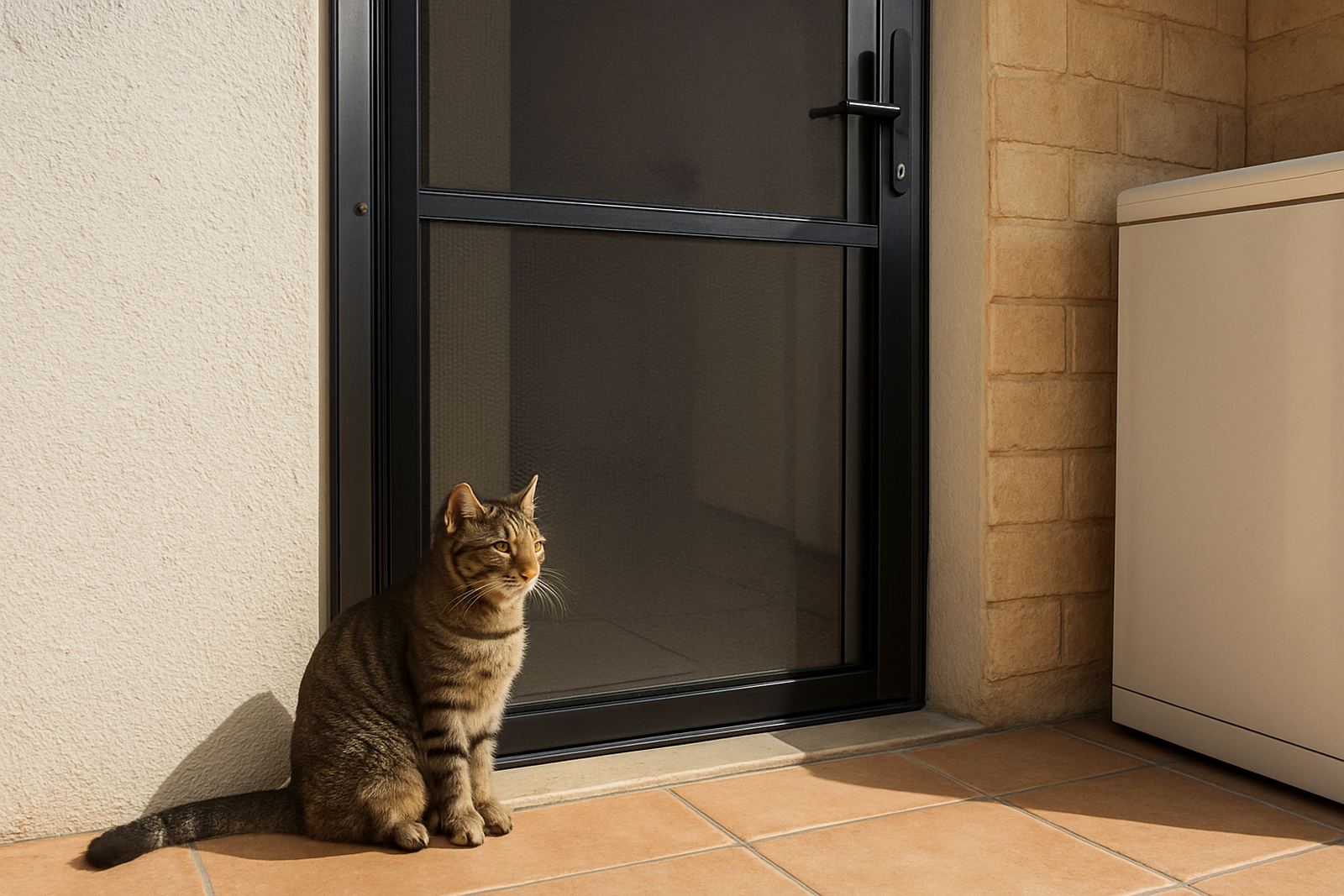
Homes with cats often benefit from pet mesh on lower windows and doors because claws tend to catch lighter mesh. Dog owners often choose it for patio doors and the main living space, where noses and paws are hard to stop. It works well in both houses and small commercial spaces such as guest houses, offices with accessible courtyards and clinics that need fresh air without insects.
On coastal properties and in areas with wind off the water, the tighter weave and stronger build help the screen stay presentable for longer. It is not a replacement for a security gate, but it can be paired with security screens where a property needs both airflow and added protection.
Installation, Access Needs And Power Considerations
Installation starts with a site measurement so the opening, frame depth and fixing points are checked properly. That is important where walls are tiled, plastered or slightly out of square. The team will also look at how the door or window opens, where handles sit, and whether the screen must clear blinds, burglar bars or existing security fittings.
Most pet mesh installations do not need power, which makes them easy to fit during renovations or when a home is occupied. If a job includes powered shading, motorised awnings or other fitted components nearby, access to mains power may be needed for those separate parts. For standard mesh screens, the main requirement is a clear work area and safe access to the opening.
- Measure first, then manufacture to suit the opening
- Check for uneven walls, tiled reveals and proud handles
- Confirm whether the screen must open, slide or stay fixed
- Allow access around the area for ladders, tools and fixings
- Keep pets secure during the fitting visit so the process goes quickly
Care, Cleaning And Ongoing Servicing
Pet mesh is low maintenance, but it still benefits from a quick clean now and then. Dust, pollen and coastal grime can build up on the surface, especially on west-facing openings and homes near the sea. A soft brush, a mild detergent and clean water are usually enough. Avoid harsh chemicals and rough scrubbing pads because they can damage the coating or loosen the weave.
If a screen starts to feel sticky in the track, the rollers or guides may need servicing rather than replacement. ScreenMaster also handles mesh replacement, track servicing, hardware replacement and seasonal checkups, which helps extend the life of the product. A small tear caught early is often easier and cheaper to sort out than a full panel change.
For homes where pets scratch the same spot repeatedly, it is worth checking the lower section of the screen every few months. Small signs of fraying can be dealt with before the opening becomes vulnerable again.
What To Confirm Before Ordering A Pet Mesh Screen
The best results come from accurate details at the start. Before ordering, it helps to know which opening needs screening, how often it is used and what the main challenge is. A busy family kitchen door may need a different solution from a guest bedroom window that opens only in summer.
You should also think about the following points:
- Exact opening size and whether there is enough frame depth for a screen
- Type of opening, such as sliding, hinged, top-hung or fixed
- Pet behaviour, especially scratching, jumping or pushing at the mesh
- Nearby fittings like burglar bars, blinds, handles or trellis doors
- Exposure to wind, salt air or strong afternoon sun
- Whether the screen must be removable for cleaning or seasonal use
For commercial sites and estates, it also helps to note how many openings need screening and whether the work must be done in phases. That makes planning easier for rollout jobs across Walmer, Gqeberha, Uitenhage, Despatch and nearby coastal towns.
Local Supply, Fitting And Aftercare Across The Eastern Cape
ScreenMaster works from Walmer in Gqeberha and supports homes and businesses across the Eastern Cape. That includes regular installs in Walmer, Summerstrand, Newton Park, Uitenhage, Despatch, Jeffreys Bay and St Francis Bay, with service also available for larger commercial and estate projects. The focus is on proper measurements, practical materials and an installation that suits local conditions, not just a quick fit.
Pet mesh is often chosen by people who want a screen that can cope with real life. Dogs lean on it, cats test it, and doors get used constantly. A well made unit should still open smoothly, close properly and keep its shape. If it starts to snag or loosen over time, aftercare support is available so the screen can be put back into working order without fuss.
For homes in coastal areas, or families who keep doors open for airflow during hot spells and load-shedding, pet mesh is a sensible upgrade that pays its way. It gives you fresh air, insect control and extra toughness in one tidy installation.
Key facts
| Mesh type | Toughened woven pet mesh for higher wear areas |
|---|---|
| Typical use | Doors, windows, patios and family living areas |
| Frame material | Powder-coated aluminium frame sections |
| Finish colours | White, charcoal and bronze, subject to opening |
| Maintenance | Light cleaning, periodic track and hardware servicing |
| Service area | Walmer, Gqeberha and across the Eastern Cape |