A Window Screen That Works for Airflow and Security
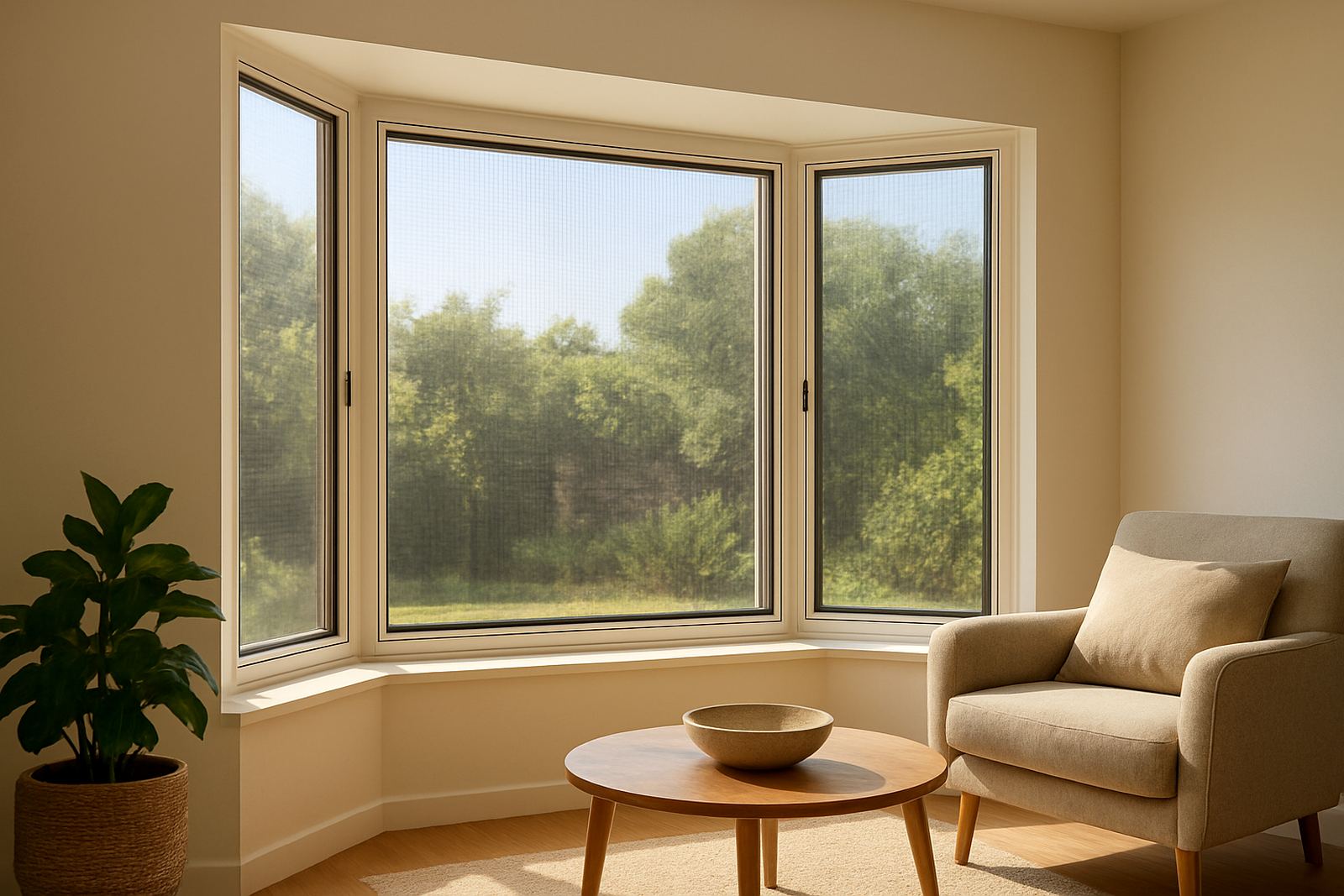
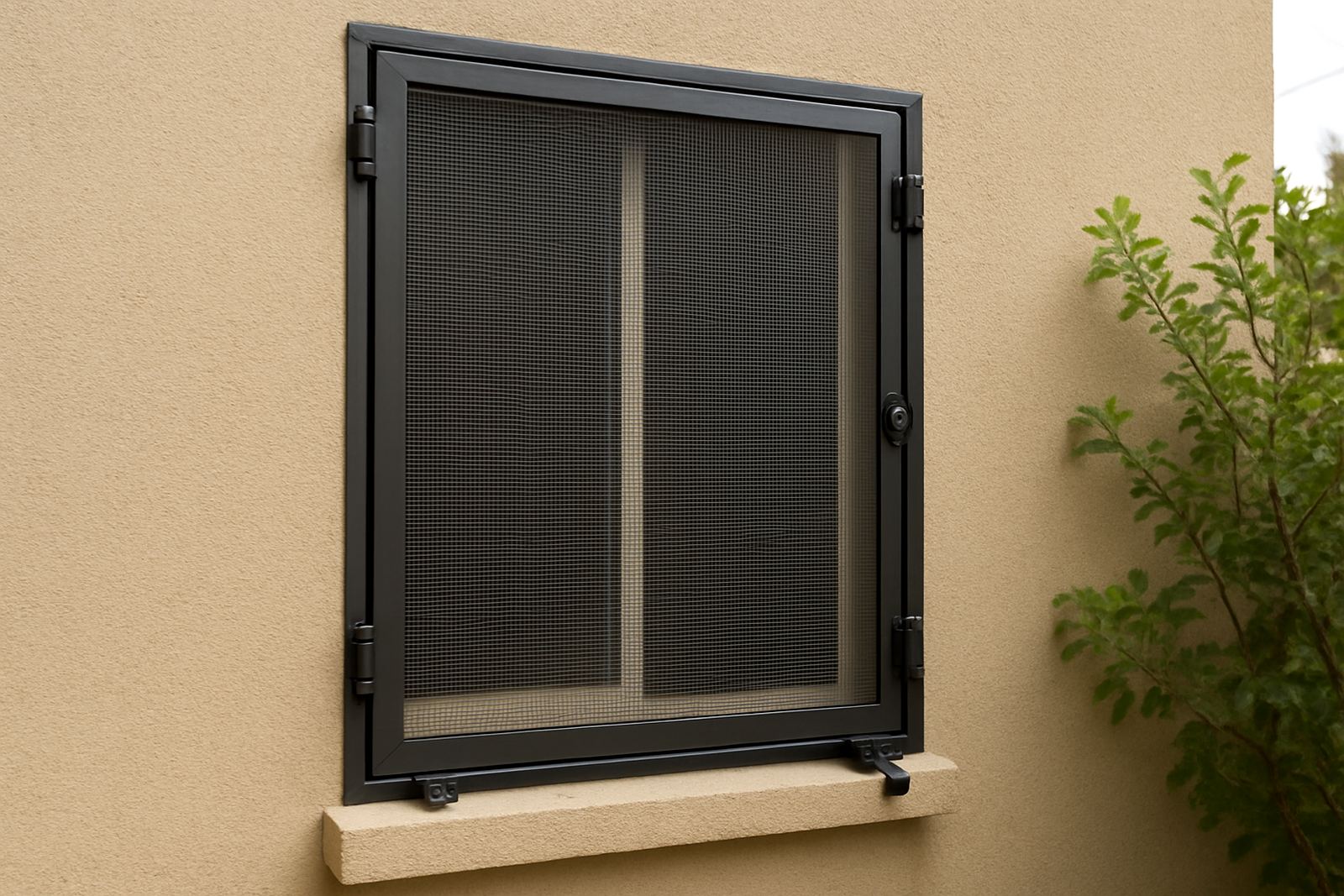
A security window screen is a fixed or removable mesh screen fitted to the opening of a window, with a stronger frame and tougher mesh than a standard insect screen. It is made to let air through, keep insects out and add a physical barrier that slows forced entry. In Gqeberha and across the Eastern Cape, that matters in summer when windows stay open for sea breeze, but you still want proper peace of mind. The finish is neat and practical, so it suits family homes, rentals, guest rooms and small business premises.
These screens are built to measure for each opening, because no two windows are exactly alike, especially in older homes in Walmer, Summerstrand and Newton Park. We measure the opening on site, check the mounting surface and recommend the right profile, mesh and opening style. That way the screen sits properly, does not rattle in the wind, and keeps working in coastal humidity.
Sizes, Mesh Types and Opening Options
Security window screens can be made for most standard and non-standard window sizes, from small bathroom windows to larger bedroom, office and passage openings. For wider windows, we often split the screen into two sections or use a stronger frame so the span stays true. If the opening is in a busy area or near a boundary, we can also advise on a firmer fixing method.
- Custom widths and heights: made to suit your exact opening, including uneven brickwork and older frames.
- Mesh choices: fine insect mesh, stronger security mesh, or a combination depending on airflow and risk level.
- Frame colours: neutral colours that blend with painted timber, aluminium or steel windows.
- Opening style: fixed, hinged or removable depending on cleaning access and how often the window needs to be opened.
- Hardware options: tamper-resistant fixings, locks and handles where needed.
If the window is used for everyday ventilation, we look at ease of use first. If it is in a lower, reachable position, the focus shifts more toward security and stronger hardware. For coastal properties near Jeffreys Bay and St Francis Bay, we also consider corrosion resistance because salt air can shorten the life of poor quality fittings.
Where This Screen Suits Best
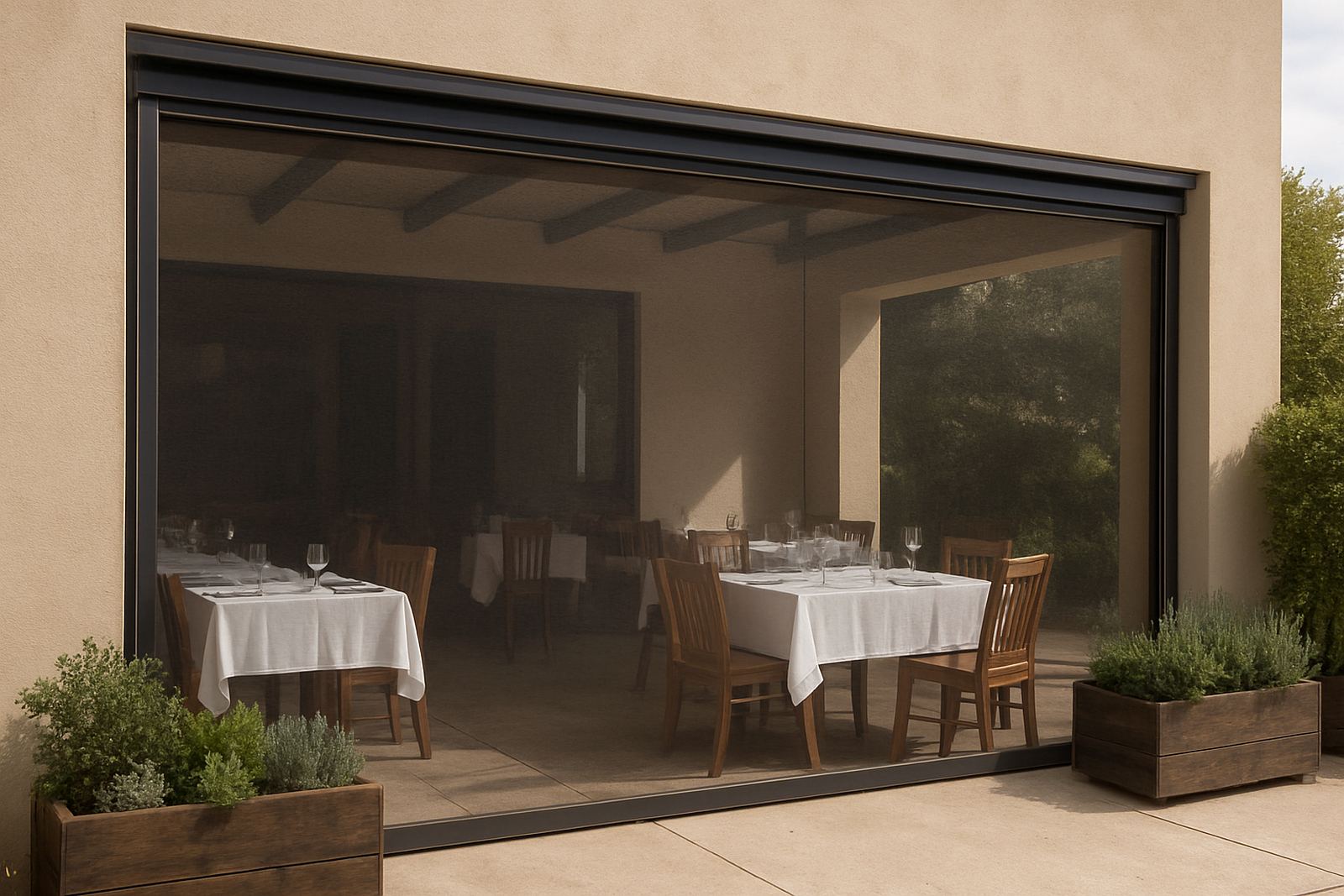
This product works well anywhere airflow is needed but access needs to be controlled. It is commonly fitted to bedroom windows, ground-floor living rooms, offices, server rooms, holiday units, restaurants and consulting rooms. For homes close to the street or near communal walkways, it gives an added layer of comfort without making the room feel shut in.
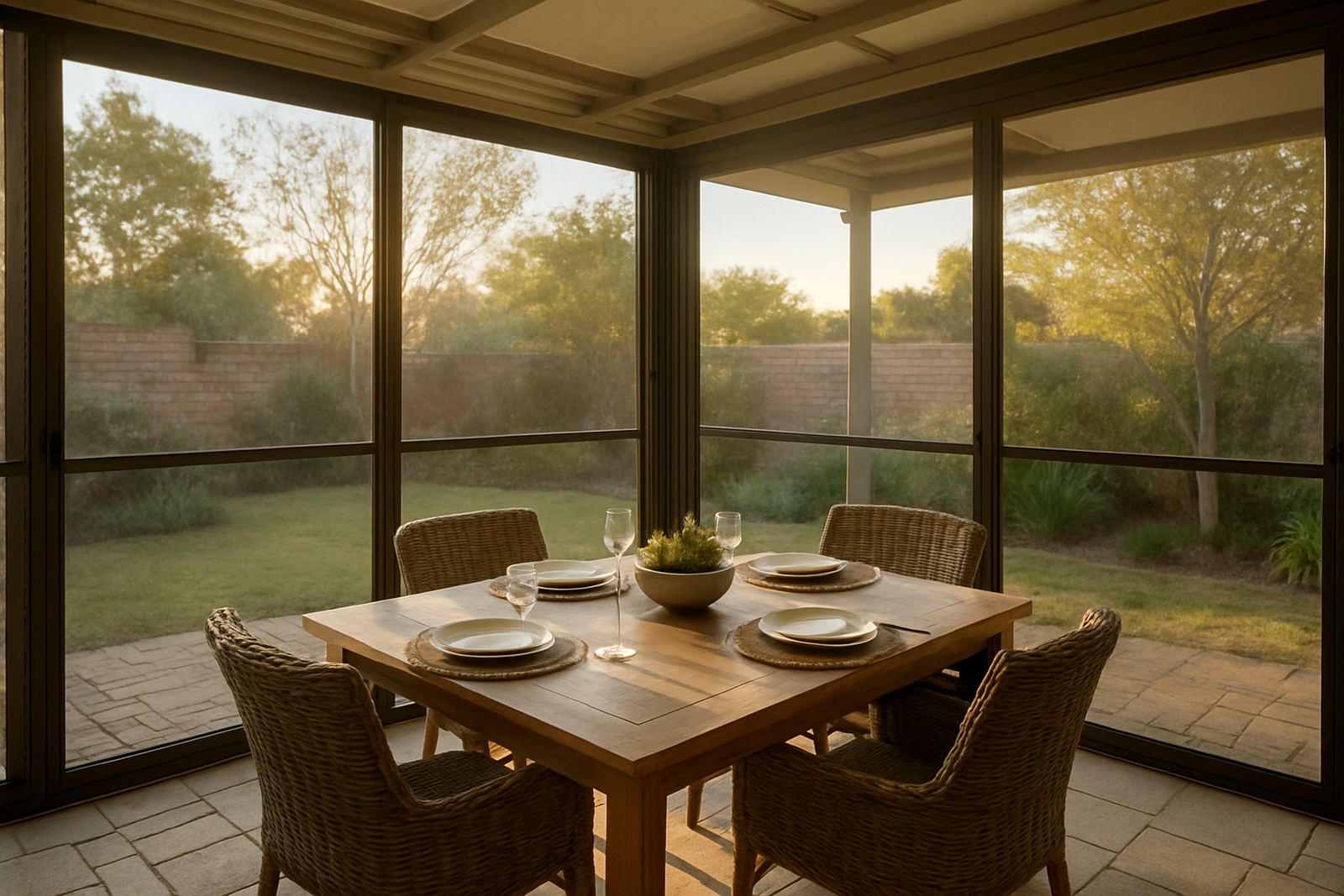
In commercial spaces, security window screens are useful where staff want fresh air but cannot leave windows open without a barrier. They also suit owner-managed shops and medical rooms where natural ventilation is still part of the daily routine. If your property is affected by load-shedding and you rely on open windows instead of fans, a secure screen keeps the room ventilated without opening it up too far. In warmer months it also helps with flies and mozzies, which can be a real nuisance along the coast and inland towns alike.
- Homes: bedrooms, kitchens, bathrooms and ground-floor lounges.
- Guest units: rental rooms, holiday flats and self-catering spaces.
- Businesses: offices, reception areas, clinics and staff rooms.
- High-risk openings: reachable windows facing driveways, side passages or boundary walls.
Installation, Fixing and What Needs to Be in Place
Installation starts with a proper site measurement, because small errors make a screen hard to use and harder to secure. We check the reveal depth, sill, frame condition and any obstructions such as burglar bars, security gates, handles or opening restrictors. If the window already has bars or an unusual reveal, the screen can still be made to fit, but the fixing method has to be planned correctly from the start.
Most installations do not need power or gas, since the screen is a physical fitting rather than an electrical product. The only requirement is access to the window and enough working space for safe fixing. For upper floors, tricky access or commercial sites, we may need a clear area inside and outside the window, plus permission from the property manager if the building has rules about drilling or external work. On estates, sectional title schemes and commercial parks, we follow the site rules and keep the process tidy and controlled.
- Site measurement: confirms exact opening size, frame depth and fixing points.
- Surface check: identifies cracked plaster, rusted steel or soft timber before fitting.
- Access planning: important for high windows, tight passages and upper floors.
- Fixing method: chosen to suit the wall, frame and security level required.
Care, Repairs and Seasonal Checks
Security window screens are straightforward to care for, but like any fitted product they last longer when they are checked now and then. Dust, salt film and fine grit can collect in coastal areas, while inland wind can carry more debris into the mesh. A soft brush, light vacuuming or a gentle wipe with a damp cloth is usually enough for routine cleaning. Avoid harsh chemicals or abrasive pads, as these can damage the coating or the mesh surface.
We also offer mesh replacement, hardware replacement, track servicing and seasonal checkups. If a screen starts to scrape, loosen, rattle or sit unevenly, it is worth having it looked at before the problem gets worse. Hinged screens can pick up alignment issues over time, especially on doors and windows that are used daily. For security screens, do not leave a damaged latch or worn fixing unattended, even if the screen still appears usable.
In the Eastern Cape, the most common wear points are coastal corrosion, sand in the tracks and fittings that have worked loose from repeated use. A quick service every so often helps keep the screen moving cleanly and keeps the lockup point reliable. It also means smaller repairs can be handled before they turn into a full replacement.
What to Check Before You Order
Before ordering a security window screen, it helps to have a few details ready so the right unit can be made first time. The more accurate the information, the smoother the process and the better the fit. If you are unsure about any of these items, we can confirm them during the site measurement and consultation.
- Window opening size: width, height and whether the opening is square or slightly out.
- Window material: aluminium, timber or steel, because the fixing method can differ.
- How the window opens: sliding, top-hung, side-hung or fixed pane.
- Security needs: insect control only, added resistance, or stronger access control.
- Cleaning access: whether the screen should be removable or hinged.
- Site conditions: coastal exposure, wind, dust, estate rules or commercial access limits.
If you are fitting screens across a whole home or a block of rooms, it helps to list each opening separately. That makes it easier to match sizes, choose the right hardware and keep the finish consistent from room to room. For landlords and estate managers, it also makes later maintenance simpler when units need a quick check or repair.
Key facts
| Product type | Custom security window screen for airflow and added protection |
|---|---|
| Frame options | Fixed, hinged or removable |
| Mesh options | Fine insect mesh, stronger security mesh, or combined specification |
| Size range | Made to measure for most standard and non-standard window openings |
| Finish options | Coastal-suitable coatings and neutral frame colours |
| Service support | Site measurements, installation, repairs, mesh replacement and seasonal checkups |