Practical window screening for busy classrooms
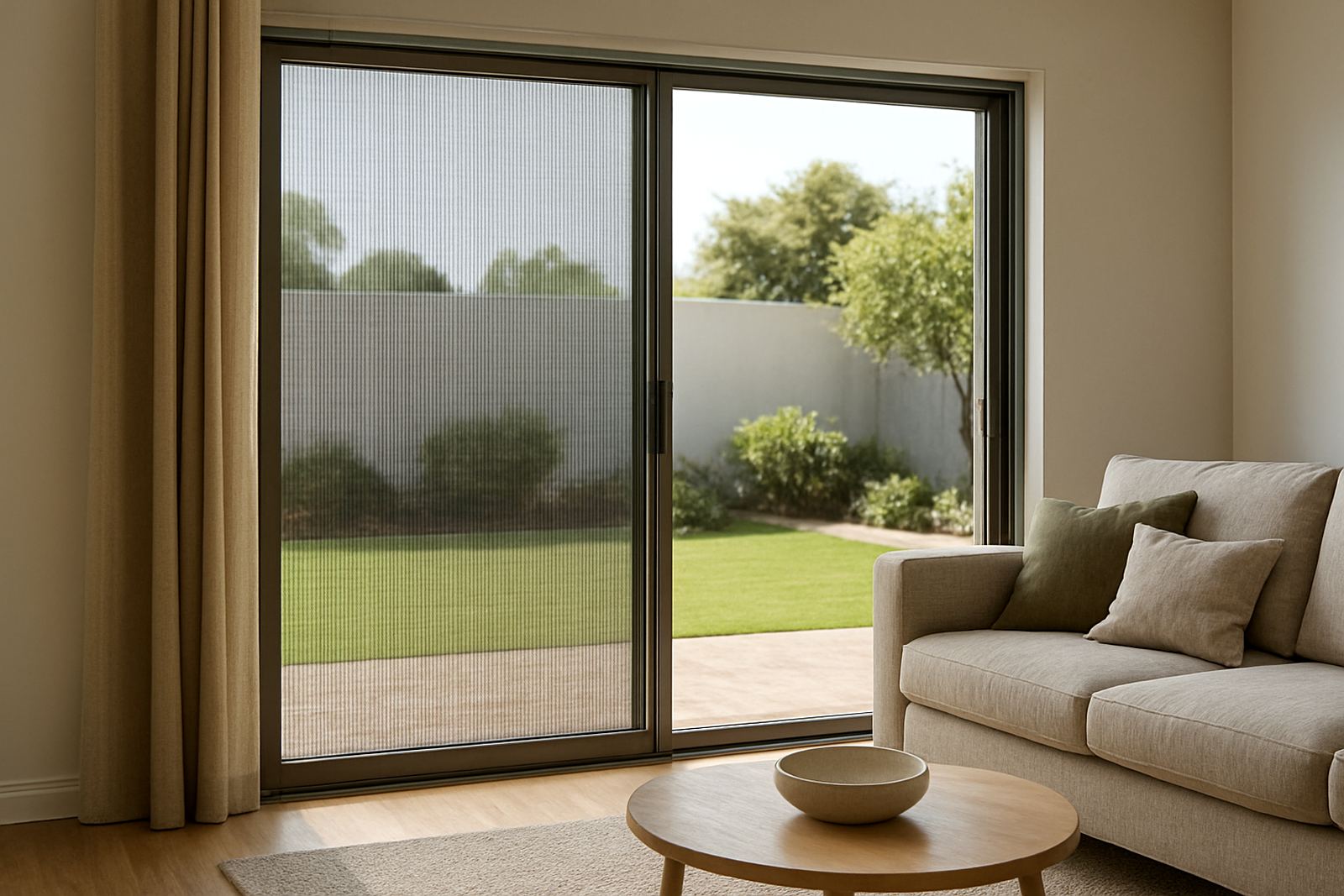
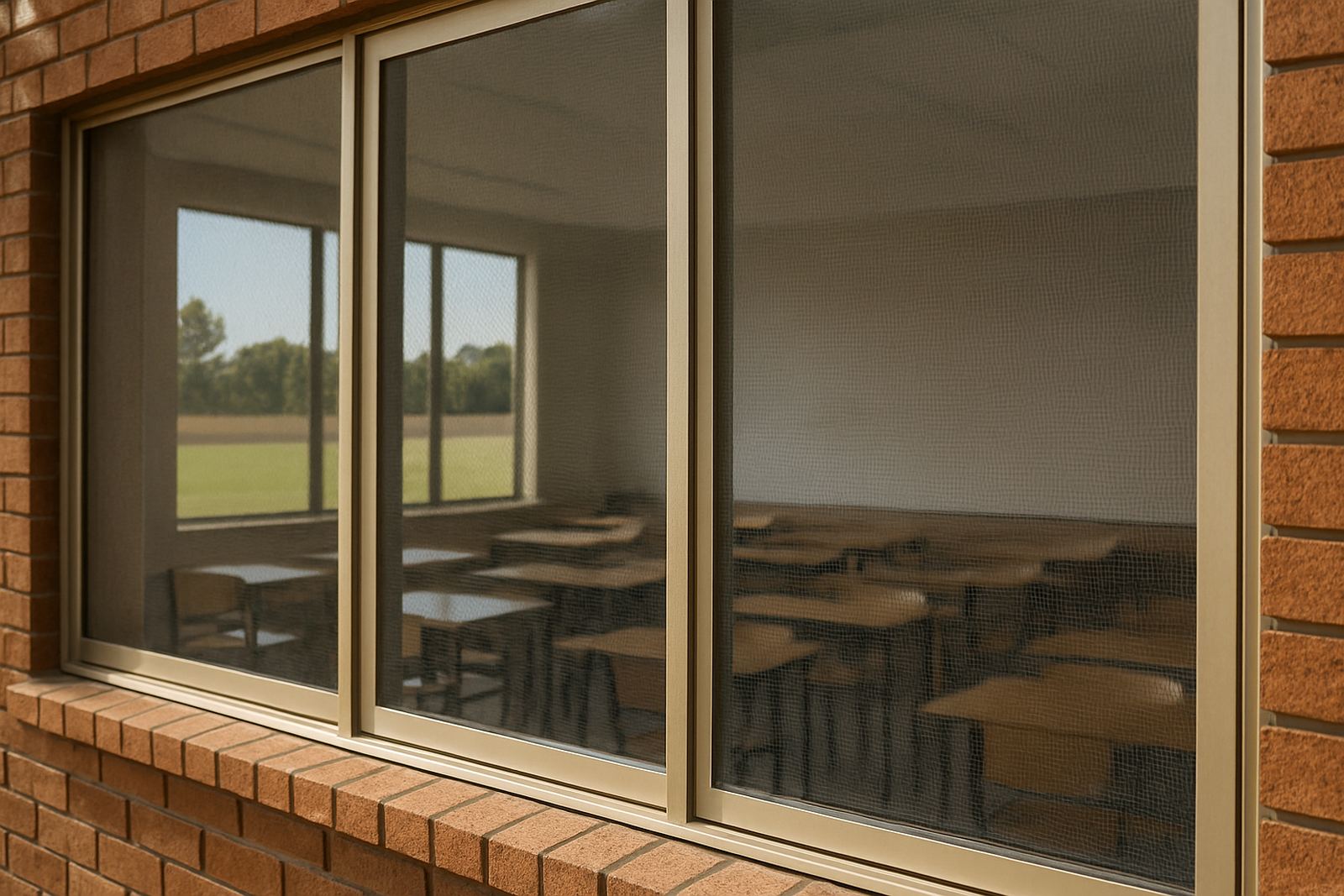
A school window screen is a fitted mesh panel designed to sit on or in a window opening so fresh air can move through the room while insects stay out. It is a sensible option for classrooms, libraries, admin offices, science rooms and tuckshop areas where doors and windows are opened often during the day.
In coastal areas like Walmer and Summerstrand, the combination of humidity, salt air and wind can be hard on ordinary fittings, so the frame and hardware must be selected with care. For schools in Gqeberha and surrounds, the right screen needs to handle daily use, cleaning and the occasional knock from a chair or trolley. That is why measurements, fixing points and opening style matter just as much as the mesh itself.
ScreenMaster supplies custom-made school window screens for new builds and existing blocks. Whether the opening is aluminium, steel or timber, the screen can be made to suit the frame and the way the window is used in the room. In some cases a removable panel is the best choice, while other rooms do better with a fixed fit that is less likely to be tampered with.
Sizes, frame options and mesh choices that suit school use
Every school has different window sizes, sill heights and opening styles, so the product is made to measure. Common window widths range from about 500 mm to 1800 mm, with heights from 600 mm to 1500 mm, though larger openings can be covered by splitting the screen into two sections or using a reinforced frame. The final size is confirmed on site, because a few millimetres can affect the fit.
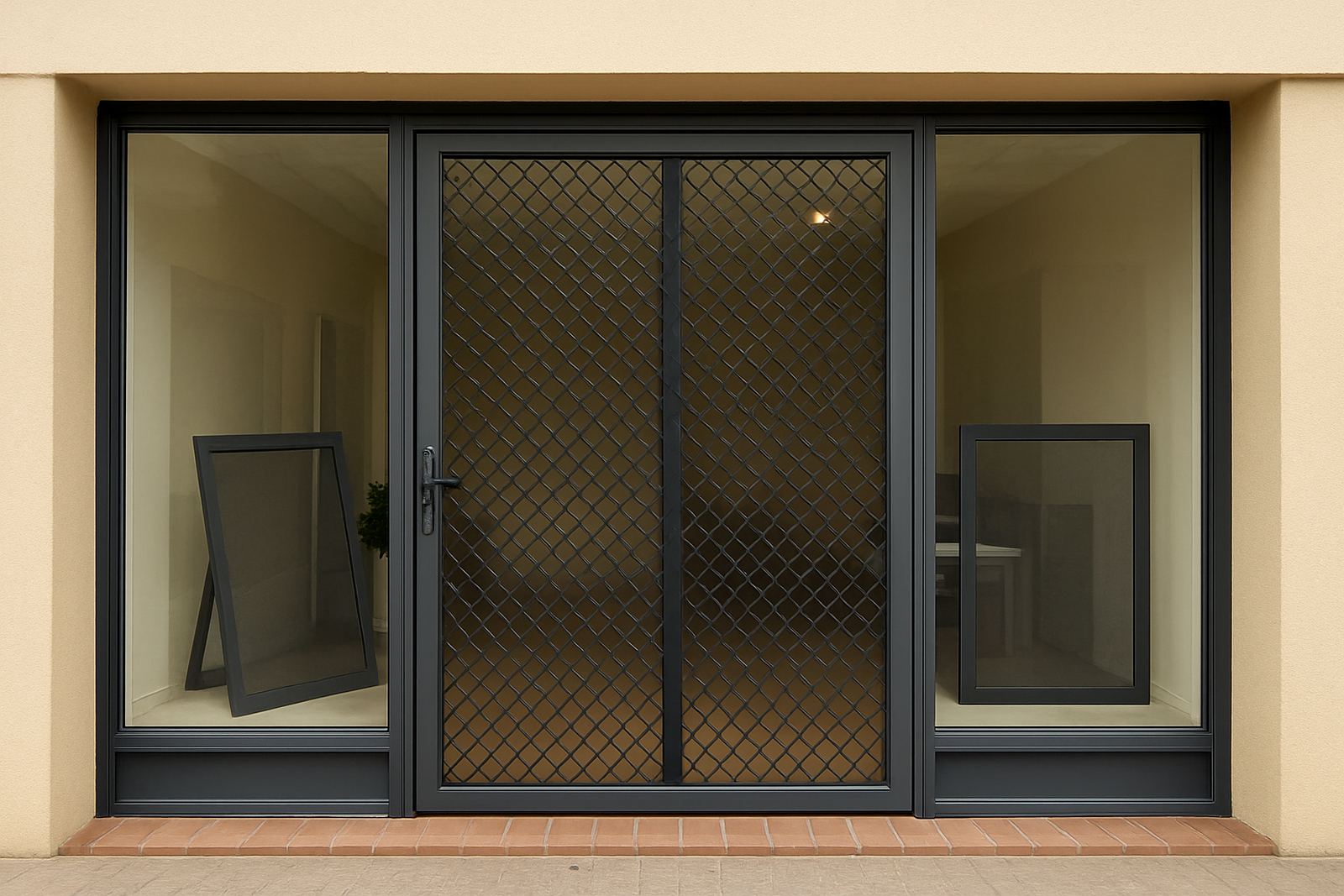
Schools can choose from different frame profiles and mesh types depending on the room and the level of use. Fine insect mesh is ideal for keeping out flies and mosquitoes, while stronger mesh is better where extra protection from damage is needed. Where safety is a concern, especially on ground floor classrooms or rooms facing walkways, a security-type mesh can be fitted in the same style of frame.
- Custom frame sizes for standard and irregular window openings
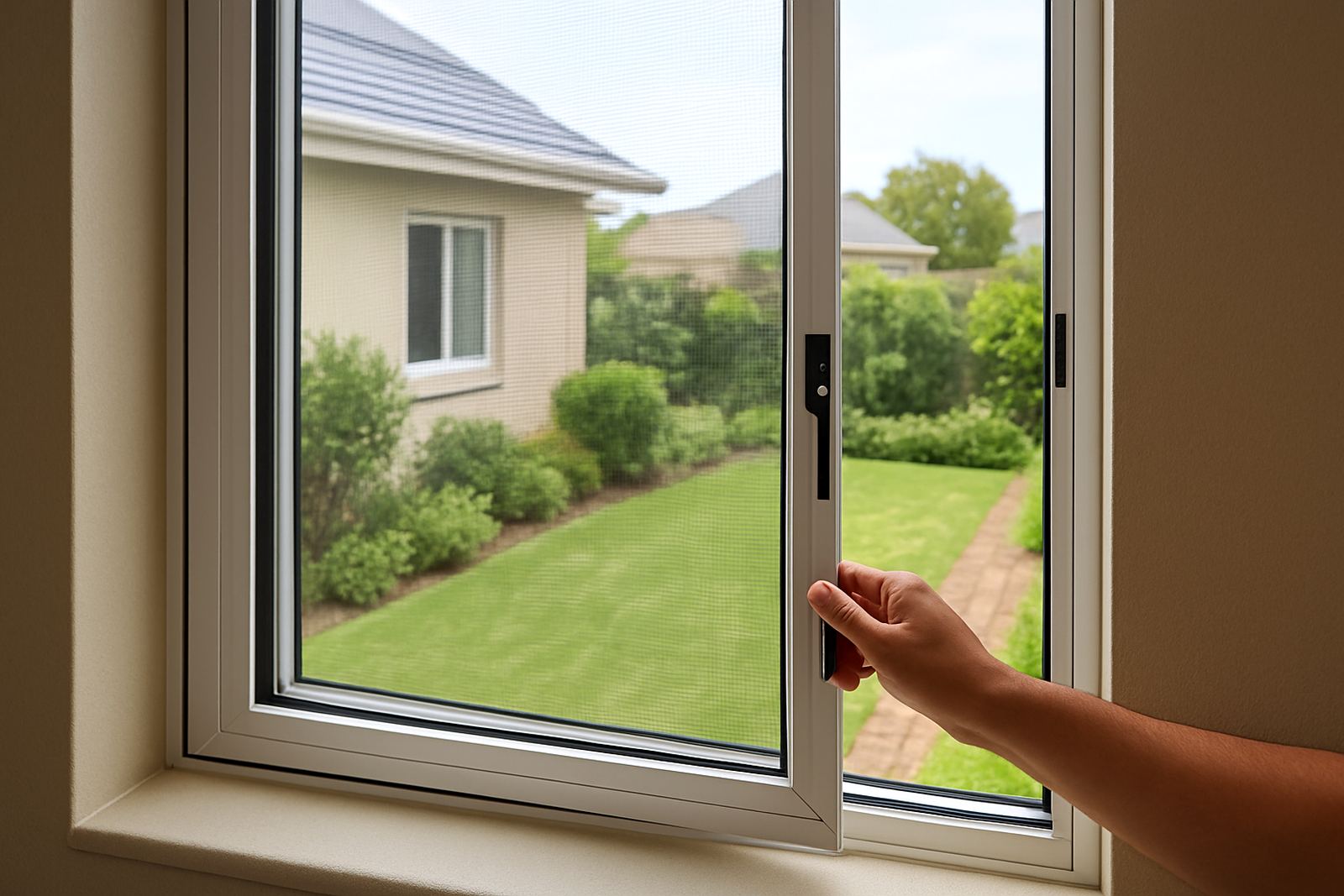
- Fixed, removable or hinged options depending on access needs
- Fine insect mesh for airflow and pest control
- Stronger mesh for higher wear areas and repeated use
- Powder-coated or colour-matched finishes for a neat look
Where school window screens work best on campus
School window screens are used in more places than just classrooms. They suit spaces where windows are kept open for ventilation, but where insects, dust or security issues can become a problem. In towns like Uitenhage, Despatch and Jeffreys Bay, many schools open windows for air movement through much of the year, so screening can make a noticeable difference to comfort.
They are especially useful in rooms with food, storage or young children, because these areas need cleaner air and fewer distractions. In older school buildings, screens can also help reduce the amount of sweeping and wiping needed after windy days. On warmer days, having windows open without inviting in flies is a simple practical benefit, and one teachers notice quickly.
- Classrooms and lower primary rooms
- Libraries, computer rooms and admin offices
- Tuckshops, kitchens and food prep areas
- Aftercare rooms and therapy spaces
- Training centres and staff rooms
Installation in schools, with scheduling that avoids class time
Installation starts with a site measurement and a check of the window opening, frame condition and how the window operates. For schools, the installation plan usually needs to work around lessons, exams and school events, so the timing can be arranged during holidays, afternoons or quieter periods. In some cases, screens are installed block by block to keep disruption low.
The fitting method depends on the window type. Aluminium frames may allow clip-in or screw-fixed screens, while timber and steel windows may need different fixings. If a classroom has limited access or high windows, the installation team will plan the work and equipment needed before arriving on site. Power is not normally needed for the screen itself, although access to mains power can help when drilling or adjusting fittings. No gas connection is required.
For schools that manage several buildings or a campus spread across multiple blocks, ScreenMaster can assist with phased rollout work. That includes marking each opening, numbering screens and making sure replacements or spares can be tracked later. It saves time when maintenance is needed, especially where different blocks were built at different times.
Care, cleaning and servicing through the school year
School window screens need only basic care, but regular attention helps them last longer. Dust from roads, coastal air and classroom activity can build up on the mesh, so a light clean with a soft brush or cloth and mild soapy water is usually enough. Strong chemicals should be avoided because they can mark the frame finish or weaken some mesh types over time.
It is worth checking screens each term for bent corners, loose clips, damaged mesh or worn hardware. If a room is used heavily, a seasonal checkup can pick up small faults before they become a bigger job. ScreenMaster also handles repairs, mesh replacement, track servicing and hardware replacement where needed. That is useful for schools that want to keep the same screen frames in service for years rather than replacing everything at once.
In places near the coast, fine corrosion can start around screws and hinges if they are ignored. A quick inspection after winter and again before the hot months helps keep things in order. A small issue in one classroom can spread to others if it is not sorted on time, so it pays to keep a maintenance list by room.
What to check before you order for your school
Before ordering, it helps to confirm a few simple details so the screen suits the classroom and the way the window is used. The opening size, the direction the window opens, the frame material and whether the screen must be removable or fixed all affect the final spec. Schools should also think about whether the room needs insect control only, or whether added security is part of the brief.
It is also important to note any local rules or estate requirements where the school is inside a managed property or shared campus. Some sites need a uniform finish, approved fixing methods or limited visible hardware. If the building has bars, burglar proofing or window restrictors already in place, those details must be measured properly so the screen does not clash with existing fittings.
- Exact window opening size in millimetres
- Window type: sliding, top-hung, side-hung or fixed
- Frame material and condition
- Preferred mesh type and colour finish
- Need for removability, security or child-safe access
- Any access limits, height concerns or after-hours install needs
Once these points are clear, the quotation and manufacture process becomes straightforward. For schools in Walmer, Gqeberha, Newton Park and across the Eastern Cape, that means fewer delays and a better fit the first time around.
Key facts
| Product type | Custom-made school window screen |
|---|---|
| Typical use | Classrooms, offices, libraries, kitchens and aftercare rooms |
| Sizes | Made to measure from small openings to large classroom windows |
| Frame options | Fixed, removable or hinged depending on access and use |
| Mesh options | Fine insect mesh or stronger mesh for higher wear areas |
| Service area | Walmer, Gqeberha and across the Eastern Cape |