What a Solar Shade Screen Does on Hot, Exposed Openings
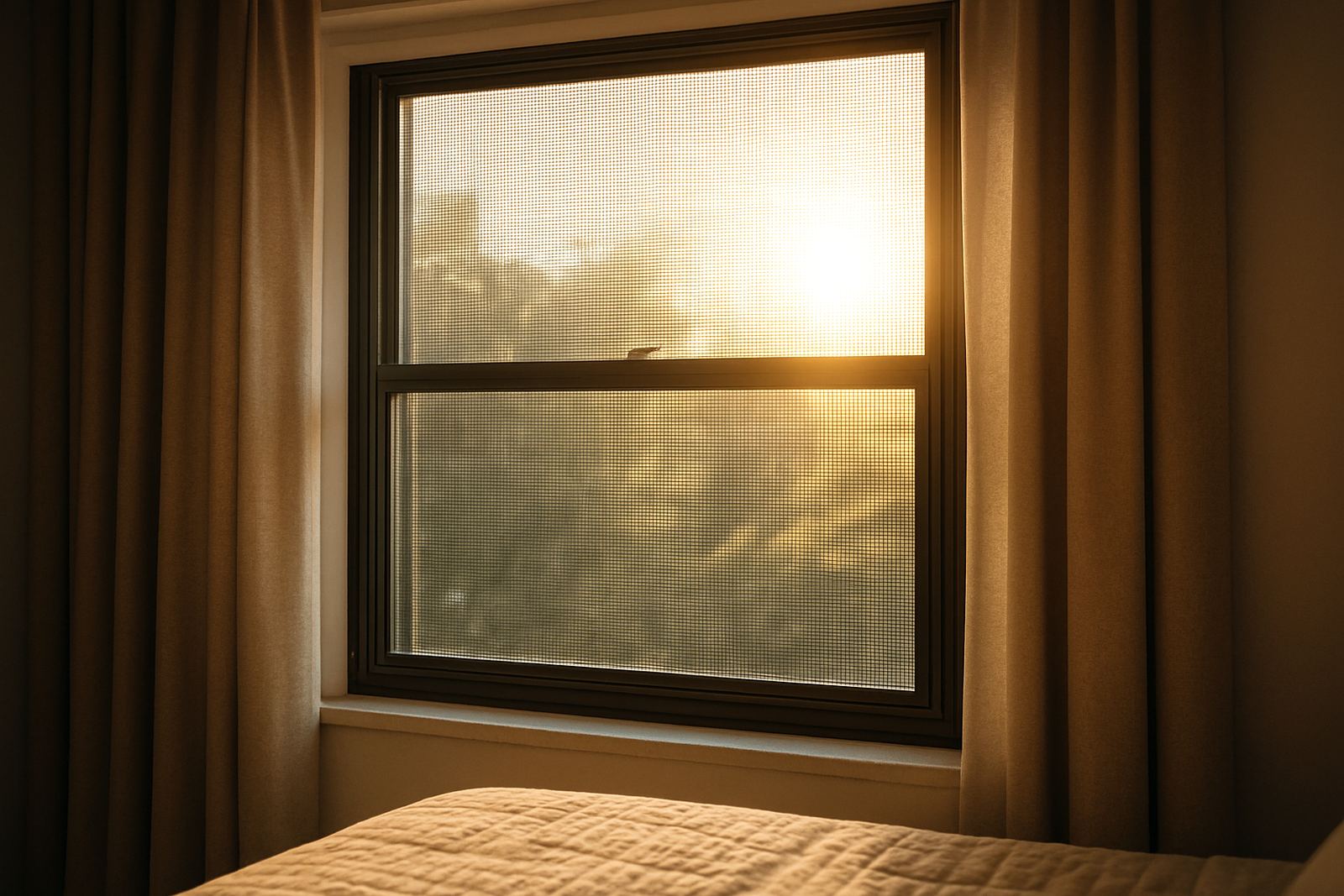
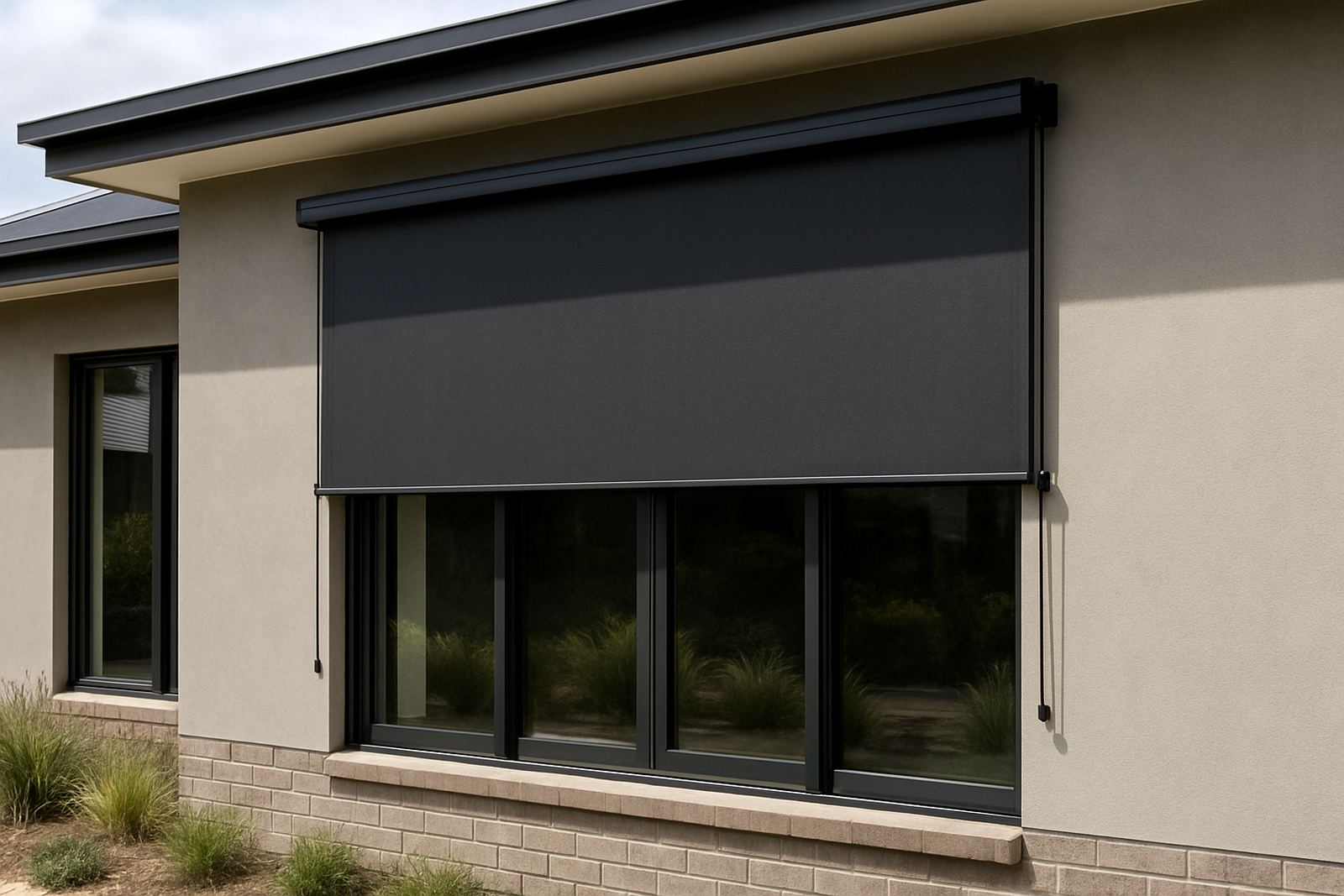
A Solar Shade Screen is a fitted screen layer designed to reduce direct sun, glare and heat gain while still allowing air movement through the opening. It is commonly used on windows, sliding doors, patio openings and other areas that face strong afternoon sun or reflect heat from paving, walls and nearby surfaces. In the Eastern Cape, where wind, salt air and bright light are part of daily life, this type of screen can make a noticeable difference to comfort inside the room.
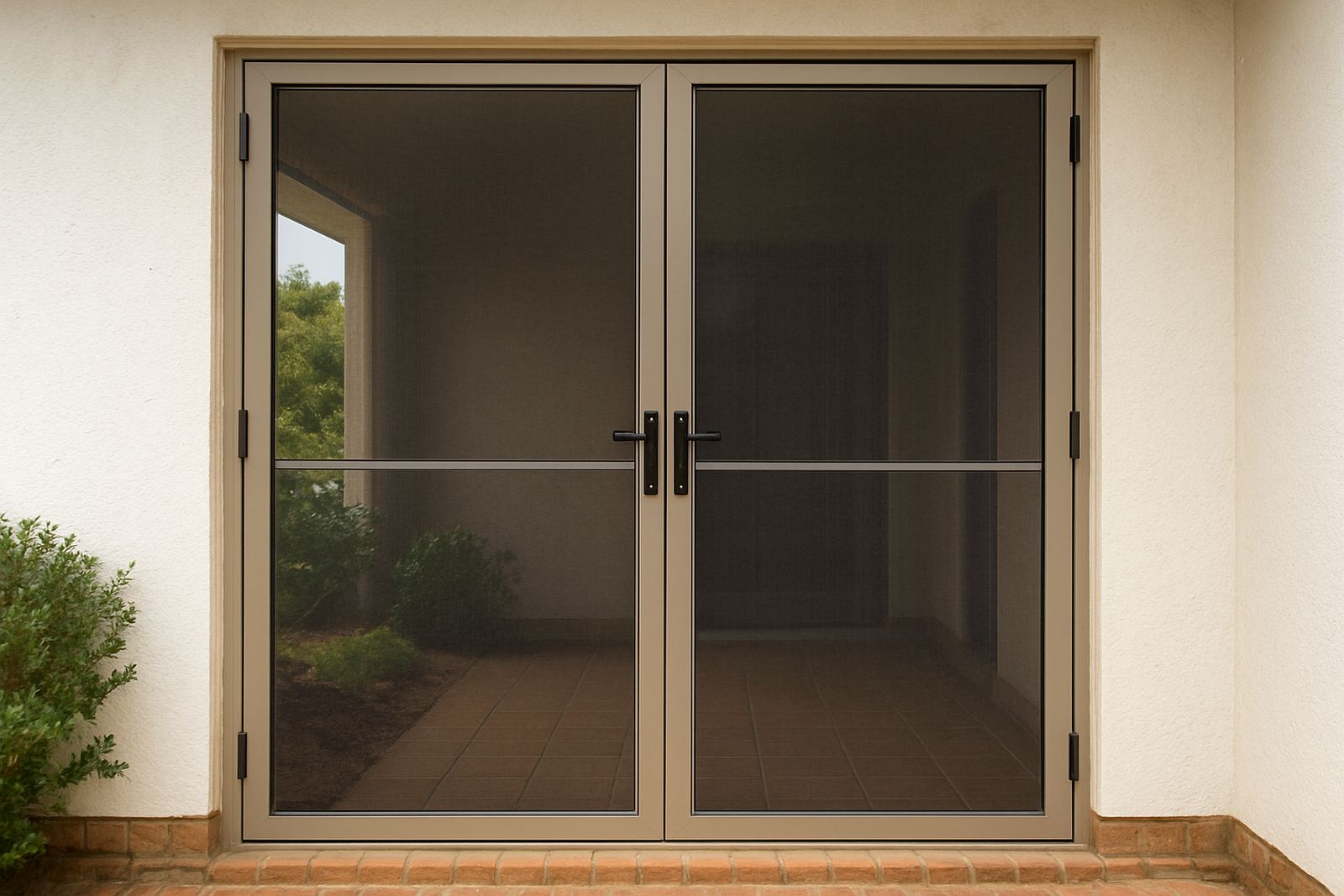
The screen is made to suit the opening, so the frame, mesh and fixing method all match the site. It can be used on homes in Walmer, Summerstrand and St Francis Bay, as well as offices and retail units in Newton Park or around central Gqeberha. If the opening is exposed to intense sun, the screen helps soften the light without closing the room off completely.
- Reduces glare on televisions, counters and work areas
- Helps cut heat build-up on western and northern openings
- Supports natural airflow while keeping the opening screened
- Can be matched to doors, windows and larger commercial bays
Sizes, Mesh Options and Frame Finishes
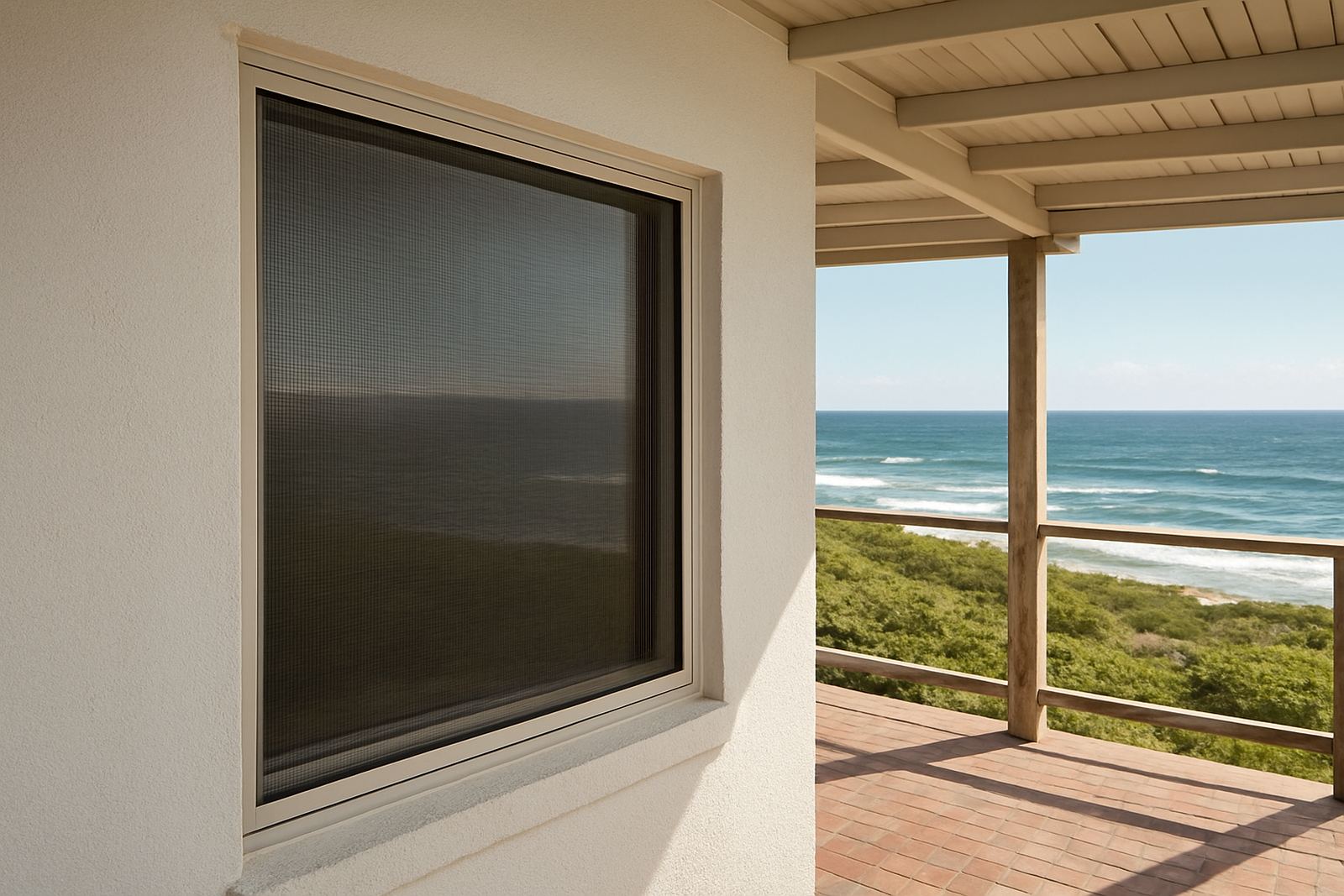
Solar Shade Screens are made to measure, so there is no standard one-size fit. Most projects start with a site measurement and a check of the opening type, the frame depth and how the screen will be used day to day. We supply options for small domestic windows, wide sliding doors and larger commercial sections that need consistent shade across more than one opening. For coastal properties, the fixing method and finish are important because salt air can shorten the life of ordinary fittings.
Mesh choice affects how much light and heat are filtered. A tighter shade mesh gives more glare control, while a slightly more open weave can suit areas where airflow is the priority. Frame colour is usually selected to blend with existing aluminium or painted surfaces, so the screen sits neatly on the opening rather than looking added on afterwards. It also needs to be practical for cleaning and ongoing use.
- Custom sizes for windows, doors and fixed openings
- Choice of shade density for stronger or lighter sun control
- Frame colours suited to modern and older properties
- Options for single openings or repeated estate and business rollouts
Where Solar Shade Screens Suit Best in the Eastern Cape
This product suits openings that take direct sun for long periods. West-facing rooms often benefit most in the afternoon, especially where rooms warm up late in the day and aircon is working harder than it should. It is also useful on spaces that face open parking areas, large paved courtyards or reflective boundary walls. In coastal towns like Jeffreys Bay and St Francis Bay, the screen can help with bright light and salt exposure at the same time.
Commercial sites often use Solar Shade Screens on staff rooms, front offices, reception areas and waiting spaces where glare is a problem. In homes, they are popular for lounge windows, braai room openings and bedroom windows that get direct sun. They are also a sensible choice in rental properties and estates where a tidy uniform look matters. The screen can be planned around municipal and body corporate requirements where certain finishes or fixing methods are preferred.
- Homes with strong afternoon sun on living rooms or bedrooms
- Coastal properties where salt air and glare are both an issue
- Offices, clinics, schools and retail frontages
- Estate homes where matching screens are required across several units
Installation, Access and Power or Gas Considerations
Most Solar Shade Screens are installed without needing any power supply or gas connection. They are a physical shade product, so once the site has been measured and the screen is fitted, it works straight away. That makes them useful in load-shedding periods too, because comfort improves without relying on fans or airconditioning. If the opening is near shutters, blinds, awnings or existing burglar bars, the installation must be planned properly so everything clears and operates as it should.
Our team handles site measurements, product consultations and home or commercial installations across Walmer, Gqeberha, Uitenhage, Despatch and surrounding areas. On some sites, a ladder or access equipment is needed for upper windows or double-volume spaces. Fixings are selected with the surface in mind, whether that is aluminium, masonry or timber. The result should look tidy and sit square in the opening, not pull or rattle when the wind picks up.
- No electrical supply is normally required
- Suitable for use during load-shedding and hot days
- Can be fitted around existing screens, bars or blinds
- Access and fixing method are checked during the initial site visit
Care, Cleaning and Seasonal Servicing
Solar Shade Screens do not need heavy maintenance, but a little care helps them last longer. In coastal areas, dust and salt can settle on the mesh and frame, so a gentle wash with clean water and a soft cloth is usually enough. Avoid harsh chemicals and abrasive pads, as these can damage the finish or mark the mesh. If the screen is installed near a busy road or building site, it may need more frequent cleaning than a quieter residential area.
We also offer seasonal checkups, track servicing, hardware replacement and mesh replacement where needed. If a screen starts to stick, rattle or show wear at the corners, it is better to deal with it early. Small issues like a loose corner, worn brush seal or bent fitting can often be corrected before they turn into a larger repair. For businesses and estates, planned aftercare keeps multiple screens in working order without disruptions to daily use.
- Wash gently with water and a soft cloth
- Check for loose fittings after strong wind or heavy use
- Book seasonal servicing in coastal and high-dust areas
- Replace worn mesh or hardware before damage spreads
What to Check Before You Order
Before ordering, it helps to know exactly which opening you want to cover and how you use the room. Measure the width and height of the opening, but also check clearances around handles, hinges, locks and security fittings. If the window or door opens outward, note the swing direction. If there is existing shading or a security product in place, that should be mentioned during consultation so the final screen can be planned correctly.
You should also think about how much sun the opening gets, how much privacy you need and whether you want the screen to be more about heat reduction or glare control. For some clients, the main aim is to soften late afternoon sun in a lounge. For others it is to improve working conditions in a front office or retail area. Sharing photos of the opening can help, especially when the site is in a remote part of the Eastern Cape and a first visit needs to be well planned. It saves time and avoids surprises on install day.
- Opening size and type, including sliding, hinged or fixed
- Nearby fittings, handles, locks and bars that may affect clearance
- Level of sun, glare and privacy required
- Property type, finish preference and any estate or body corporate rules
Key facts
| Product type | Custom-fit solar shade screen for windows, doors and exposed openings |
|---|---|
| Primary use | Reduces glare and helps lower heat gain from direct sun |
| Measure range | Made to order for standard and non-standard openings |
| Frame material | Powder-coated aluminium frame with corrosion-conscious fixings |
| Mesh option | Shade mesh selected for light filtering and airflow balance |
| Care level | Low maintenance with routine cleaning and seasonal checkups |