What a stacking door screen does in a wide opening
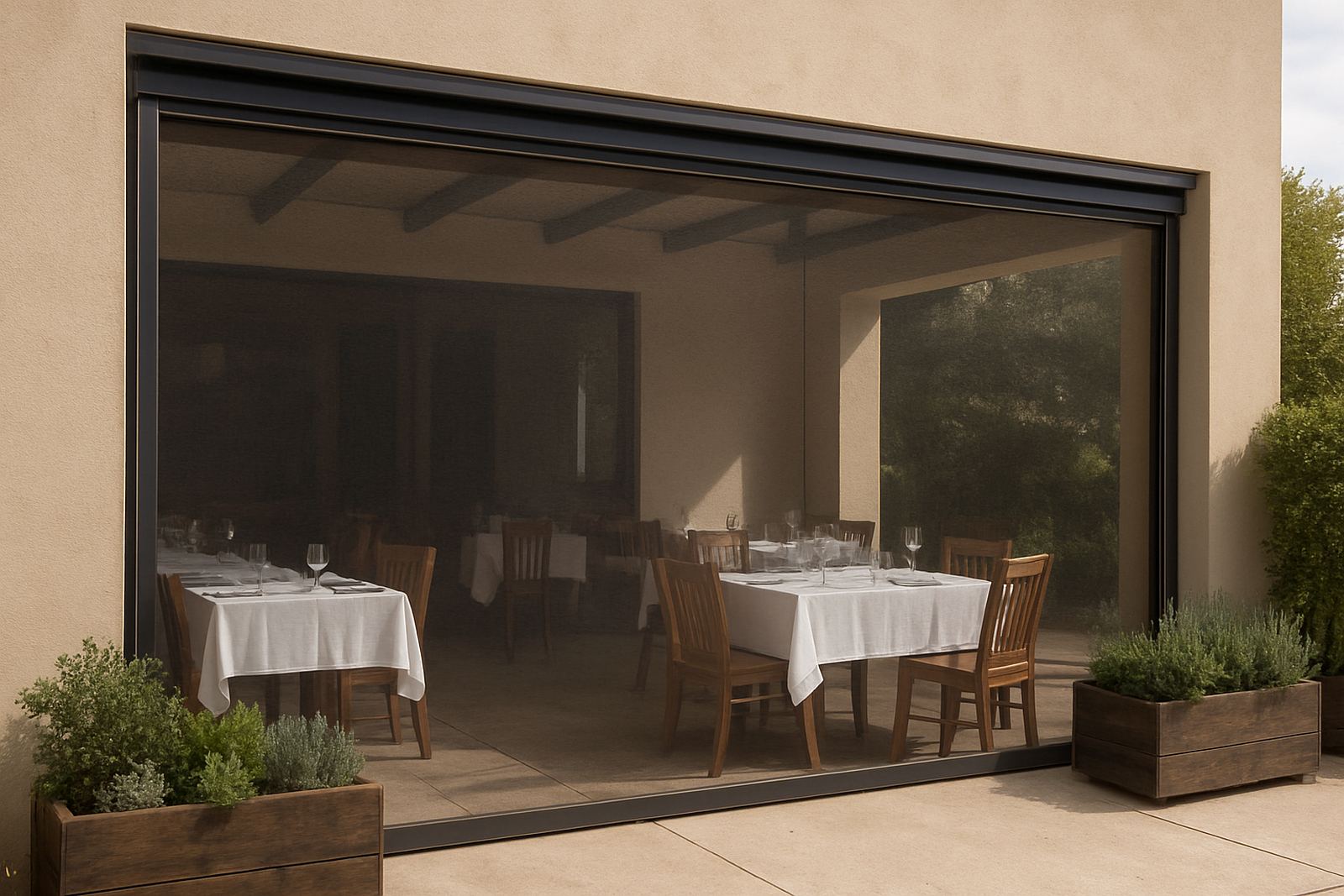
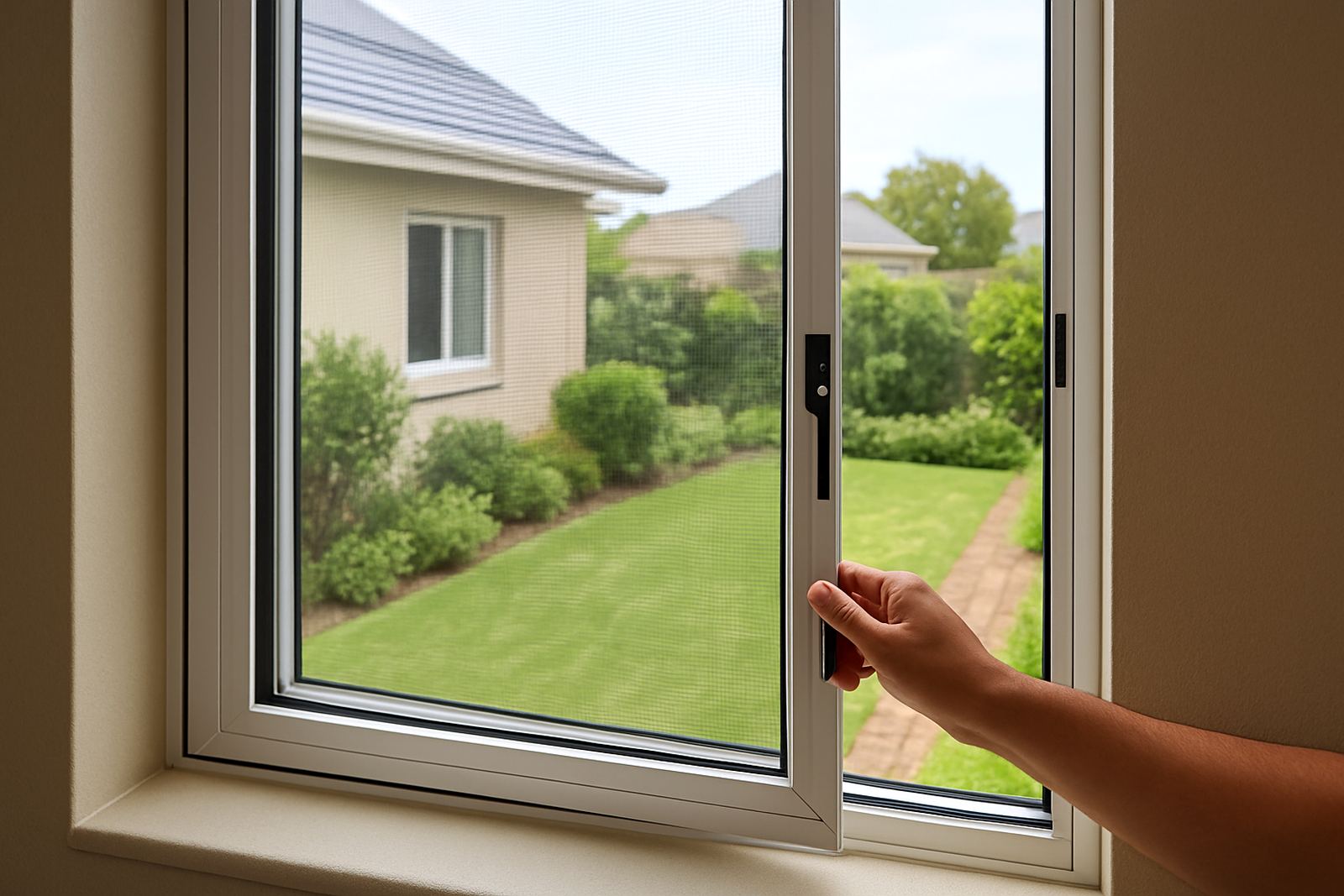
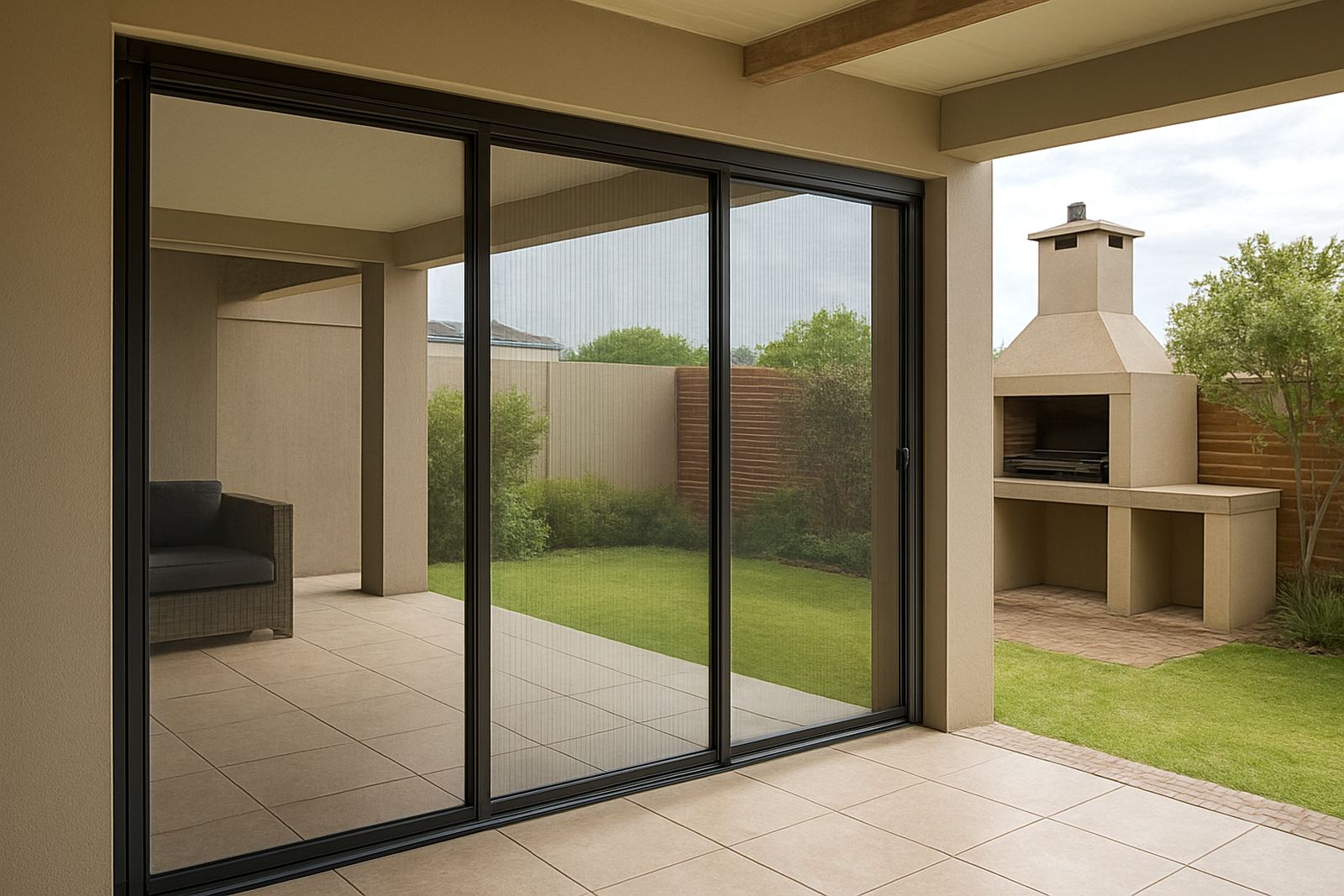
A stacking door screen is built for broader door spans where you need insect control across more than one panel. Instead of opening like a single door, the screen slides and stacks neatly to one side, so you can keep the opening usable for daily traffic, delivery access or weekend entertaining. It is a good choice for homes in Walmer, Summerstrand and St Francis Bay where sea air, mozzies and a steady breeze are part of life.
The screen is custom made to suit the exact opening, which matters on older properties and newer builds where the reveal may not be perfectly square. That custom fit helps reduce gaps at the floor, head and jambs, so flies and other insects have fewer places to get in. It also means the screen sits tidily against the frame instead of looking like an afterthought.
For many Gqeberha homes, the biggest advantage is clear: you can open up the space in the evening without having to fight insects or shut the doors once the light comes on inside.
Sizes, panel counts and hardware options
Stacking door screens are made to suit wide openings and the panel count depends on the overall span. A smaller opening may use a two-panel set-up, while larger patio fronts, concertina-style openings or commercial access points can use multiple panels. The track width, stack direction and opening position are planned during the site measurement so the finished screen works with the way you use the space.
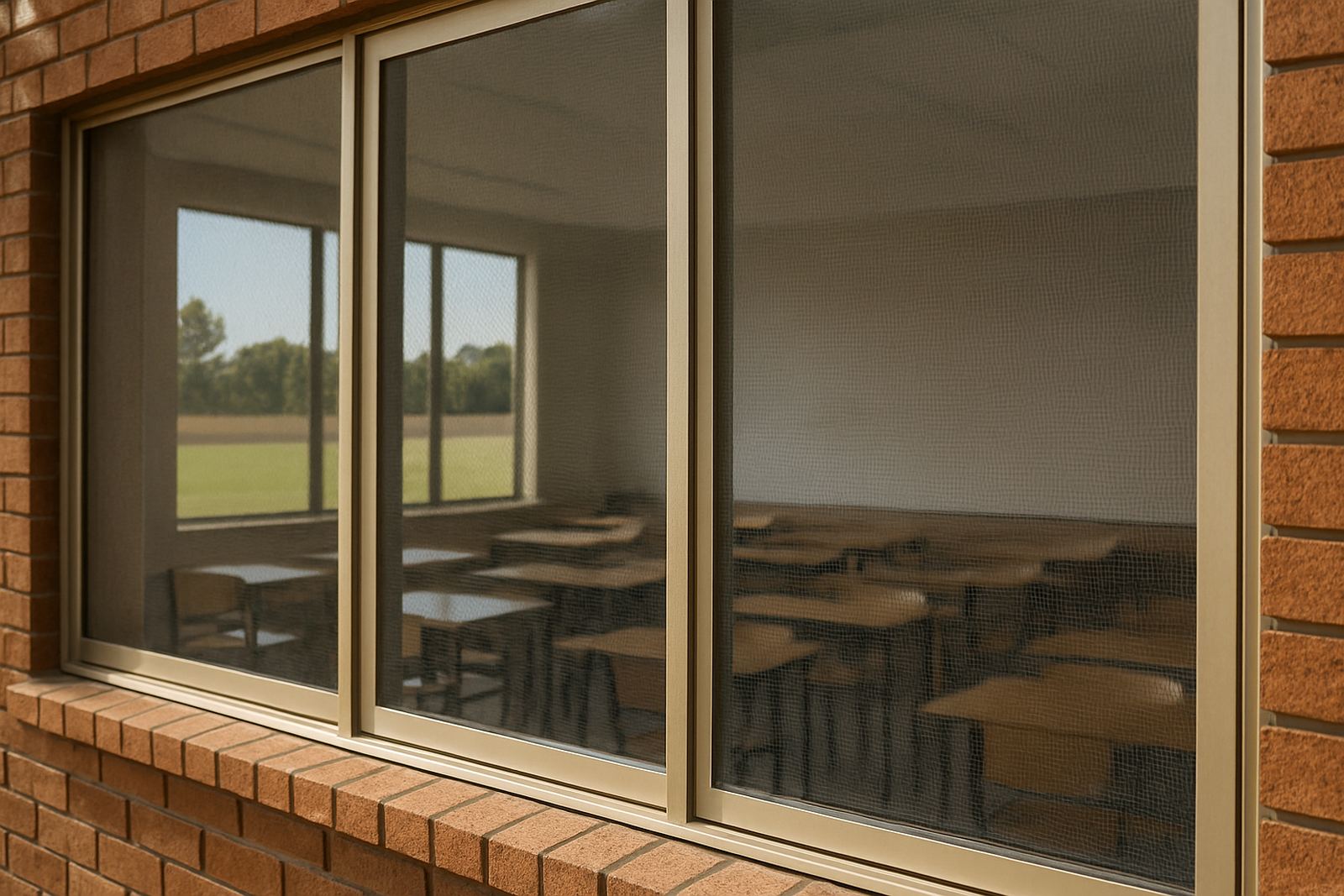
Typical options include standard insect mesh for everyday use, finer mesh where very small insects are a problem, and darker mesh for better outward visibility. Frame colour can be matched to common aluminium finishes, and handles are positioned for easy operation from inside or outside where needed. Hardware is selected to suit regular use, coastal humidity and the extra wear that comes from frequent opening and closing.
- Custom widths for single, double and extra-wide door spans
- Panel configuration to suit left stack or right stack layouts
- Choice of mesh types for airflow, visibility and insect control
- Low-profile tracks for a neat finish and easy walking access
Where a stacking screen works best
This product suits homes and businesses with larger openings that connect indoor and outdoor areas. In Gqeberha and surrounding areas it is often used on patio doors, braai room openings, kitchen exits, enclosed balconies and service access points. It also works well for guest houses, cafés and office canteens where staff or customers move through the opening often.
In coastal suburbs the screen helps manage dust, salt air and insect movement when doors are left open for cooling. In inland areas such as Despatch, Uitenhage and parts of Jeffreys Bay, it is equally useful for keeping out flying insects during warmer months. For properties in estate environments, the clean folded look is usually preferred because it does not block the line of sight across the room or patio.
If the opening gets a lot of traffic, the screen can be planned with a convenient pass-through position so you are not lifting or forcing panels every time someone walks through. That makes a difference in busy households and small businesses alike.
Installation, clearances and power or gas considerations
Installation starts with a site measurement so the track, stack space and fixing points can be confirmed before manufacture. The opening must allow enough clearance for the stacked panels to sit without rubbing on door handles, tiles, thresholds or nearby furniture. On some installations, especially older homes, small adjustments may be needed to deal with uneven floors or slightly out-of-square openings.
For homes with gas braais or cooking areas near the opening, the screen should be positioned so it does not interfere with appliance access or heat sources. While the screen itself does not need power, the surrounding area sometimes does. That includes security lights, plug points, automated doors or extractor fans, so the final layout needs to leave those items accessible. In commercial premises, access control and emergency egress must also be checked before work starts.
- Confirm opening width, height and threshold depth
- Check stack space for the folded panels
- Allow for handles, locks and any nearby fixtures
- Make sure the screen will not block fire exits or access routes
Care, cleaning and servicing over time
A stacking door screen needs a bit of routine care to keep it moving properly. Dust, sand and coastal grime can collect in the tracks, especially near the beachfront or in windy areas. A quick vacuum or soft brush along the track helps prevent gritty build-up. The mesh can be wiped with a damp cloth and mild soap, then dried with a soft towel. Do not use harsh chemicals or abrasive pads, as they can mark the mesh or fittings.
If the screen starts to drag, catch or sit unevenly, it is usually a sign that the track needs cleaning, the rollers need attention, or the hardware has loosened with regular use. Seasonal checkups are useful before summer, after heavy use, or following building work nearby. In coastal homes that do not get much shelter from the wind, servicing once or twice a year is a practical habit, not a luxury.
We also handle screen repairs, mesh replacement, track servicing and hardware replacement, so a worn panel does not have to be replaced as a whole if the frame is still in good condition.
What to check before you order
Before ordering, it helps to know how the opening is used and what kind of finish you expect. A stacking screen can be made to fit a neat residential patio or a busier commercial doorway, but the details matter. If the door opens onto paving, a pool area or a narrow stoep, the stack direction may need to be chosen to keep access clear. You should also consider whether children, staff or guests will use the screen often, because that affects handle placement and panel count.
Bring these details to the consultation so the screen can be planned properly:
- Exact opening width and height
- Whether the opening has a single side stack or double access
- Floor finish, threshold height and any drainage lip
- Preferred mesh type and colour match
- How often the opening is used each day
- Any nearby fittings, security gates or fitted blinds
For estates, complexes and commercial rollouts across the Eastern Cape, it also helps to confirm any site rules before manufacture starts. That avoids delays and keeps installation day straightforward.
Local supply and aftercare from Walmer to Jeffreys Bay
ScreenMaster is based in Walmer, Gqeberha and works across the Eastern Cape with site measurements, product consultations, custom manufacture, home installations and commercial installations. The team also supports aftercare once the screen is in place, which is important for wide openings that see regular use through summer, wind and load-shedding periods when doors are opened more often for cooling and airflow.
Clients in Newton Park, Summerstrand, Uitenhage, Despatch, Jeffreys Bay and St Francis Bay can arrange service through the enquiry form on the contact page. A stacking door screen is only worth fitting if it keeps working smoothly, fits the opening properly and still looks tidy after months of daily use. That is the standard we work to.
Key facts
| Product type | Custom stacking door insect screen |
|---|---|
| Best suited to | Wide patios, entertainment areas, braai rooms and commercial openings |
| Frame | Powder-coated aluminium frame |
| Mesh options | Standard insect mesh, finer insect mesh, darker visibility mesh |
| Installation method | Track-mounted, measured and made to order |
| Service support | Repairs, mesh replacement, track servicing and hardware replacement |