Screens for Eastern Cape schools
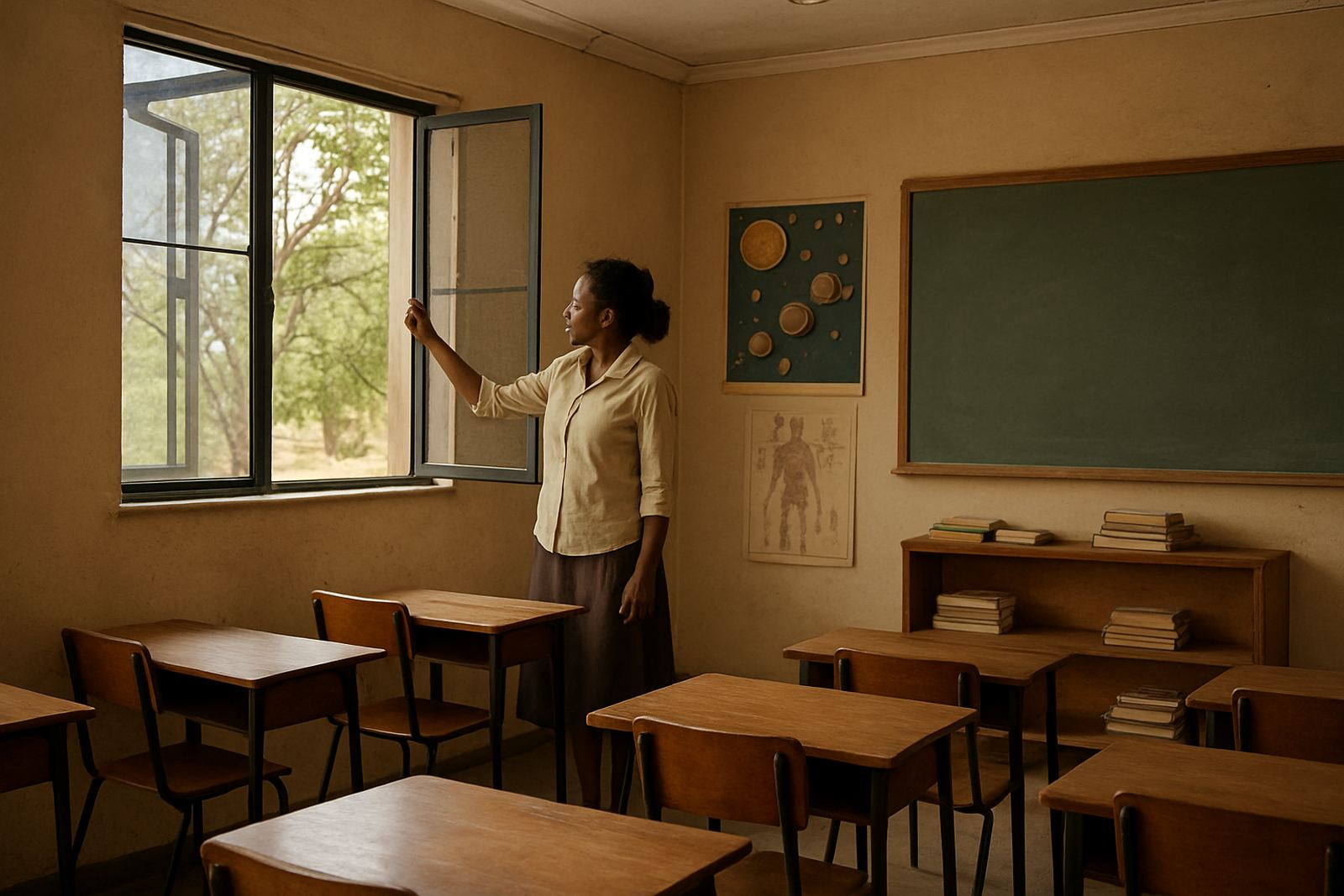
In many schools, especially those near sports fields, gardens, drainage lines, or open courtyards, insects become a daily problem in warm months. Teachers often need windows open for airflow, but that can bring flies, mozzies, and dust into the classroom. School screens give you a practical middle ground: ventilation stays available, while unwanted entry is reduced.
They are also useful in coastal areas like Gqeberha, Jeffreys Bay, and St Francis Bay where salt air, wind, and humidity can affect fittings over time. A good screen setup should suit the building, the age group using the room, and the way staff open windows and doors during the day.
- Classrooms with opening windows that need airflow all year
- Prep rooms, offices, sick bays, and staff rooms
- Dining halls, kitchens, and tuck shop areas
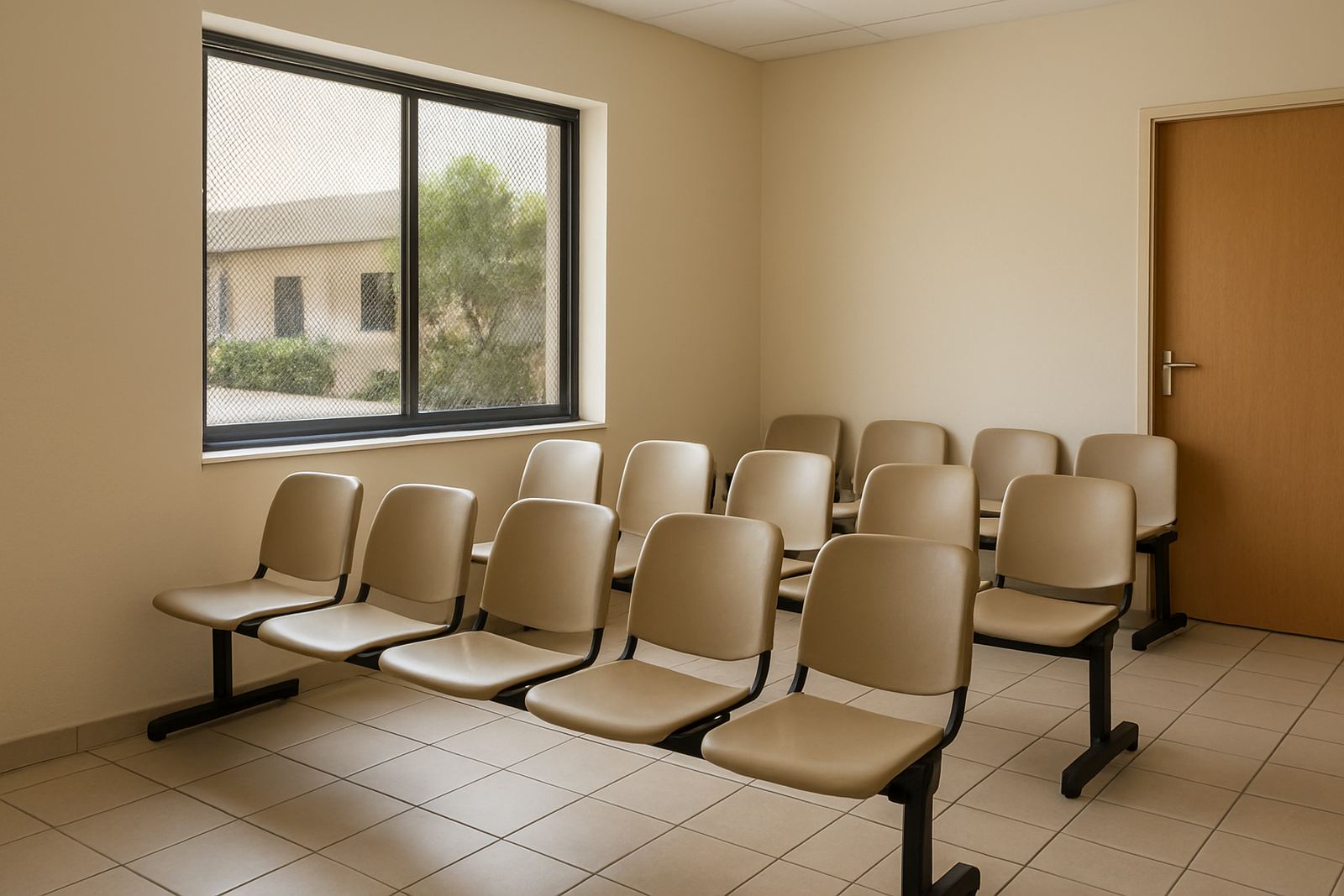
- Libraries and computer rooms where insects cause disturbance
Typical screen sets for classrooms and school buildings
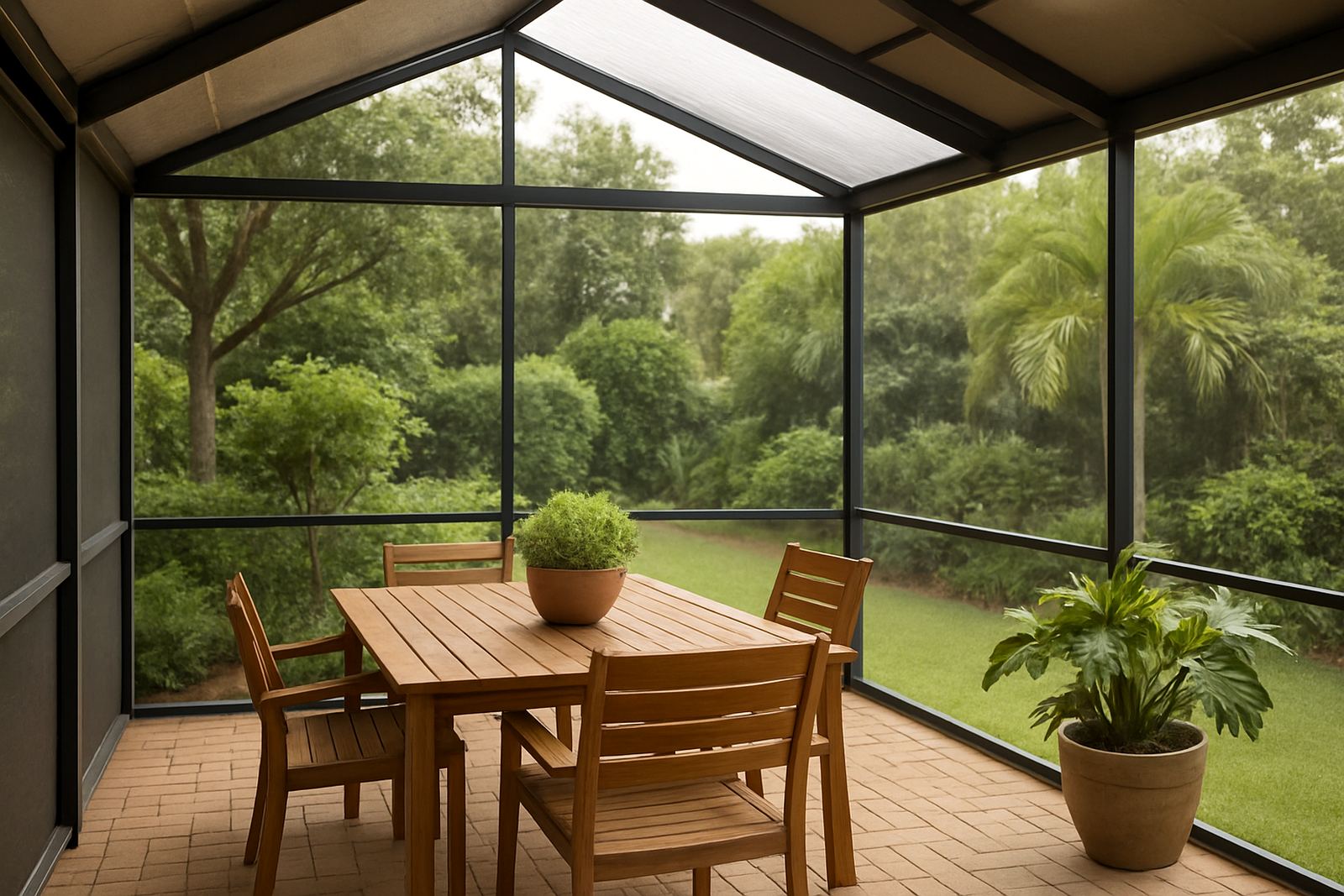
A school usually does not need one single product for every opening. Most sites end up with a mix, depending on window type, traffic, and security needs. Common options include fixed insect screens for windows, hinged or sliding screens for doors, and heavier duty security screens where access control matters. In some cases, shading products are added for west facing classrooms that overheat in the afternoon.
For a standard classroom block, the set might include window screens on all openers, door screens at entrances to the passage or courtyard, and repairable mesh so damaged areas can be serviced later instead of replacing the full unit. We also look at frames, handles, hinges, and locks because school use is harder on hardware than a private home.
- Fixed mesh screens for aluminium or steel windows
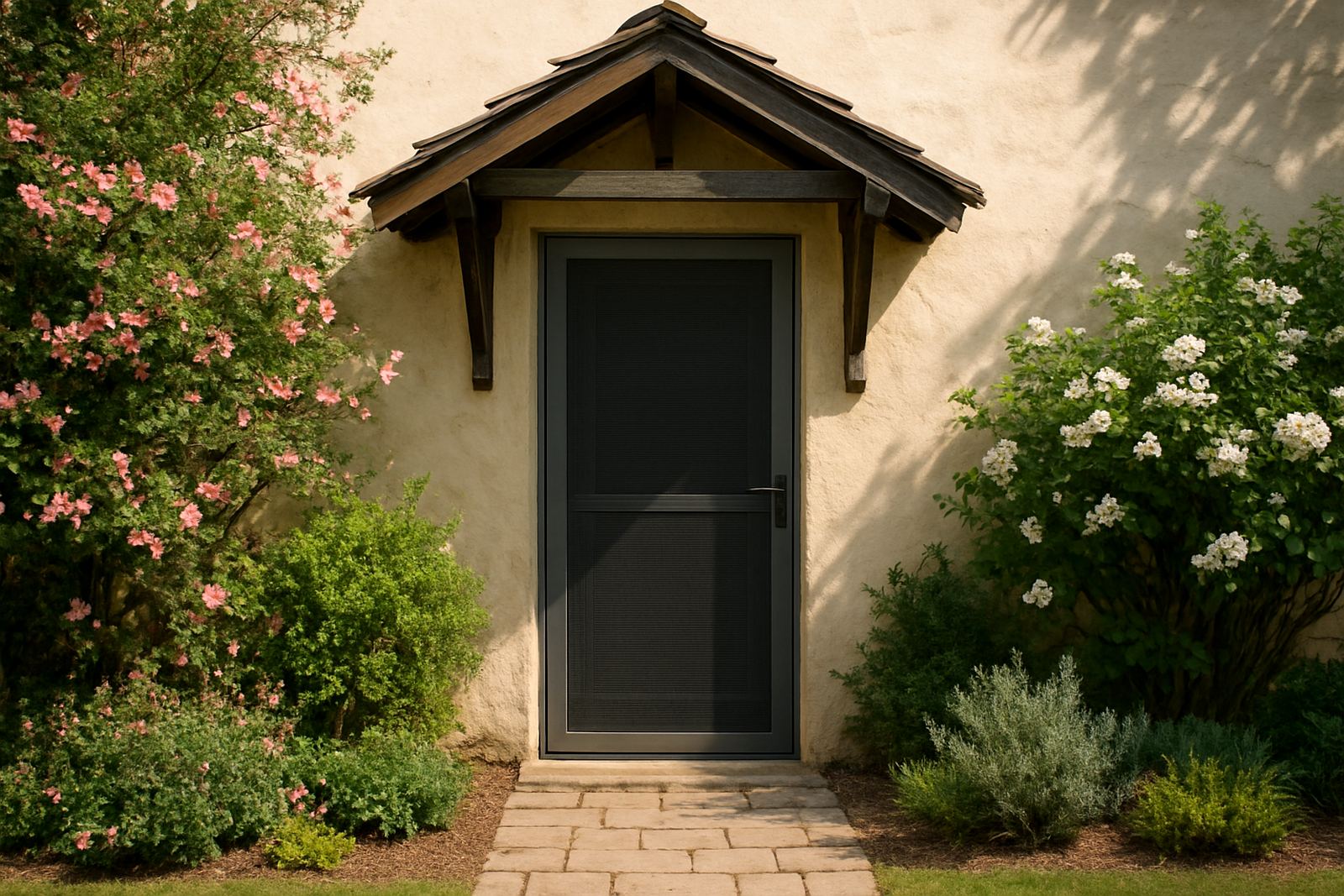
- Sliding screens for passage doors and classroom exits
- Hinged screens where teachers need quick access
- Security screens for ground floor rooms and side entrances
- Shade solutions for strong sun on western and northern walls
Planning the layout before anyone measures up
School screens work best when they are planned around the timetable and the movement of learners. The main questions are simple: which windows must open, which doors are used most, and where is the highest insect pressure coming from? A careful site visit helps avoid blocking escape routes or interfering with fire exits, cleaning routines, or classroom furniture.
At ScreenMaster, the process normally starts with site measurements and a product discussion on the rooms that matter most. That may be a full rollout across several blocks, or a phased approach over a term or two if the budget is tight. On larger campuses, it often makes sense to do one block first, test the result, then extend the same specification across the rest of the school.
- Check window sizes and opening direction before choosing frames
- Leave space for emergency exits and door hardware
- Plan for janitorial access and cleaning around lower panels
- Match the mesh type to the room use, not just the opening size
Common mistakes that push up costs later
The most common mistake is treating every opening the same. A classroom window, a kitchen hatch, and a storeroom door all need different solutions. Another problem is choosing a light screen for a high traffic doorway, only to have it damaged by trolleys, bags, or daily use within a few months. In schools, durability matters because repair work can interrupt lessons.
It is also easy to overlook aftercare. Mesh can loosen, tracks can collect dust, and small hardware issues can turn into bigger faults if they are left too long. Seasonal checkups help identify wear before it affects multiple rooms. In coastal towns, this matters even more because humidity and salt in the air can shorten the life of neglected fittings.
- Using domestic grade products in heavy use areas
- Blocking ventilation with the wrong mesh density
- Ignoring cleaning access for classroom staff
- Skipping track servicing on sliding units
- Delaying mesh replacement after damage appears
Budget ranges schools can plan around
Budgets depend on the number of openings, the frame type, the size of each room, and whether security or shade features are included. For a small school office or a few classrooms, a basic insect screen package is quoted per area, depending on the number of openings and the finish selected. A larger classroom block with multiple windows and doors can be quoted per job fairly quickly. Ask for a quote
For full school rollouts across several blocks, especially where security screens, repairs, and hardware upgrades are included, projects can be quoted per job. The better approach is to cost by zone or building type, then phase the work where needed. That keeps the school in control of spending and makes it easier to prioritise the worst affected rooms first. Ask for a quote
We normally recommend allowing a small contingency for replacements, because schools often discover a few damaged tracks, bent hinges, or worn mesh panels during the survey. It is better to budget for those now than get caught later when learners are back in class.
Service support for schools after installation
Once school screens are in place, the work does not end there. Doors get used hard, windows are opened by different staff members, and the odd panel can be damaged during cleaning or term changeovers. Ongoing support keeps the system working as intended and reduces the chance of repeated complaints from the same block.
We support schools across Walmer, Gqeberha, Summerstrand, Newton Park, Uitenhage, Despatch, Jeffreys Bay, and St Francis Bay, with installs across the Eastern Cape. That includes repairs, mesh replacement, track servicing, hardware replacement, and seasonal checkups for rooms that are used more heavily in summer. For schools, the aim is simple: keep airflow up, keep insects out, and keep maintenance predictable.
- Repair damaged screens before the next term starts
- Replace mesh panels without changing full frames where possible
- Service tracks and hinges so doors keep closing properly
- Check for loose fixings after storms or strong coastal winds