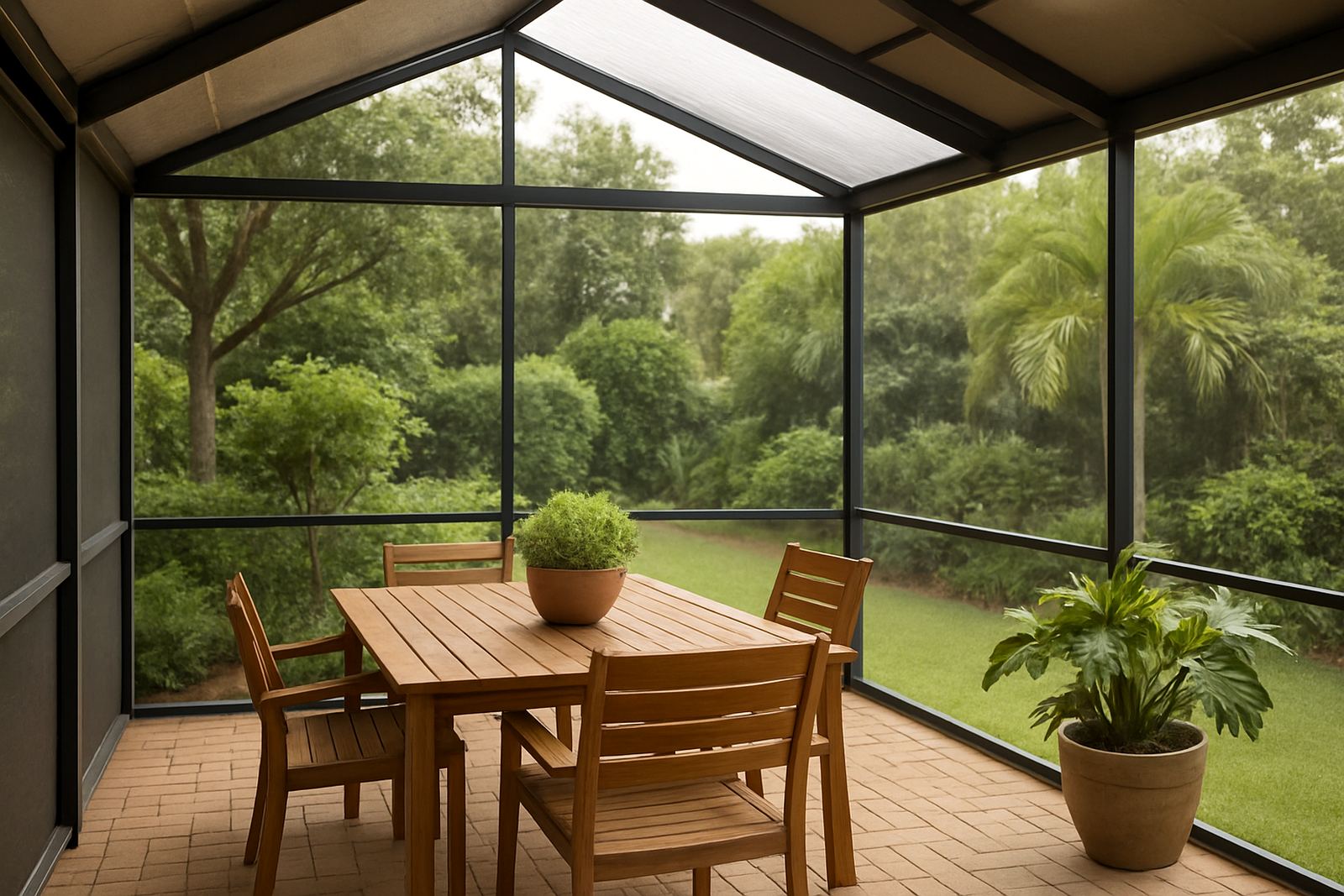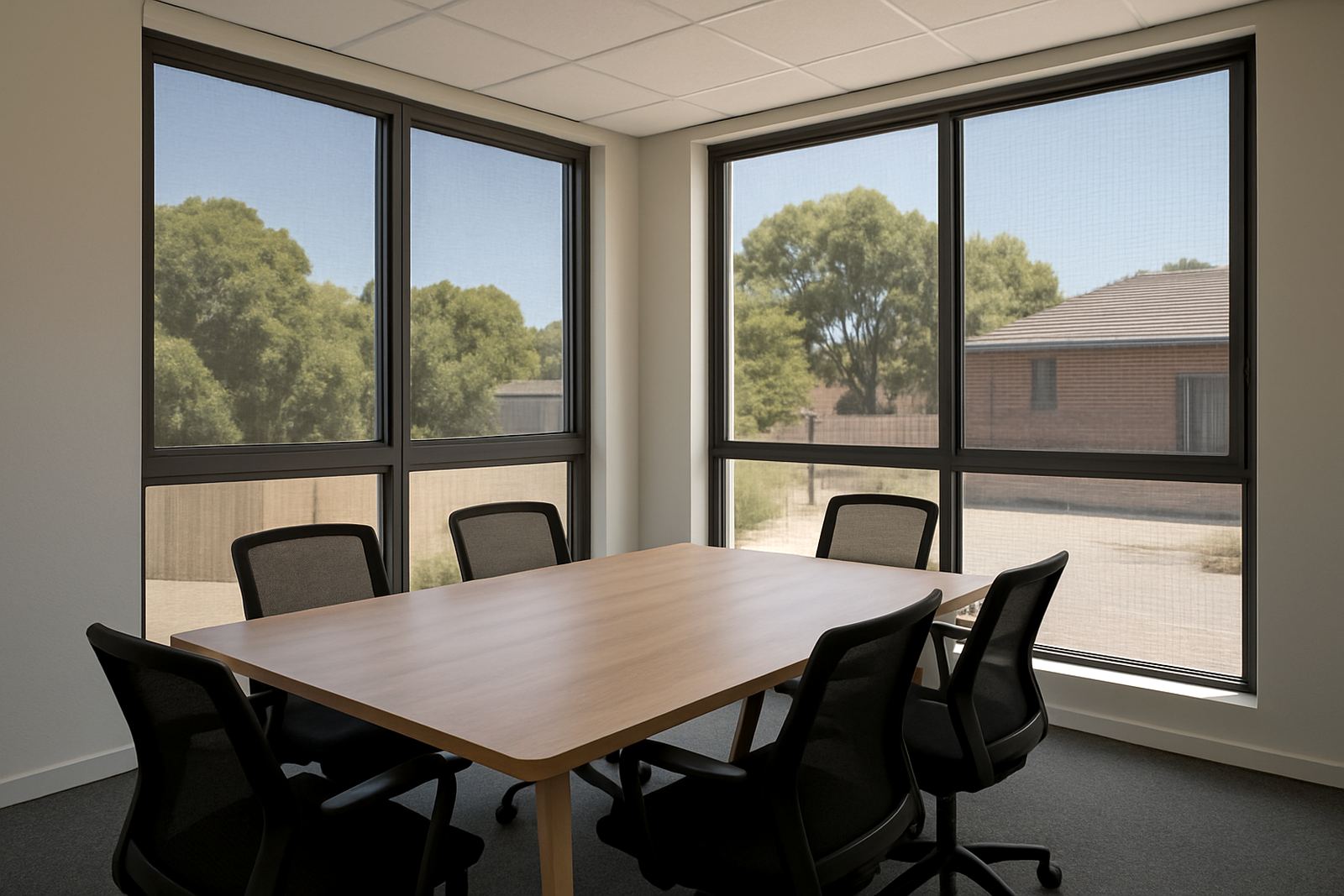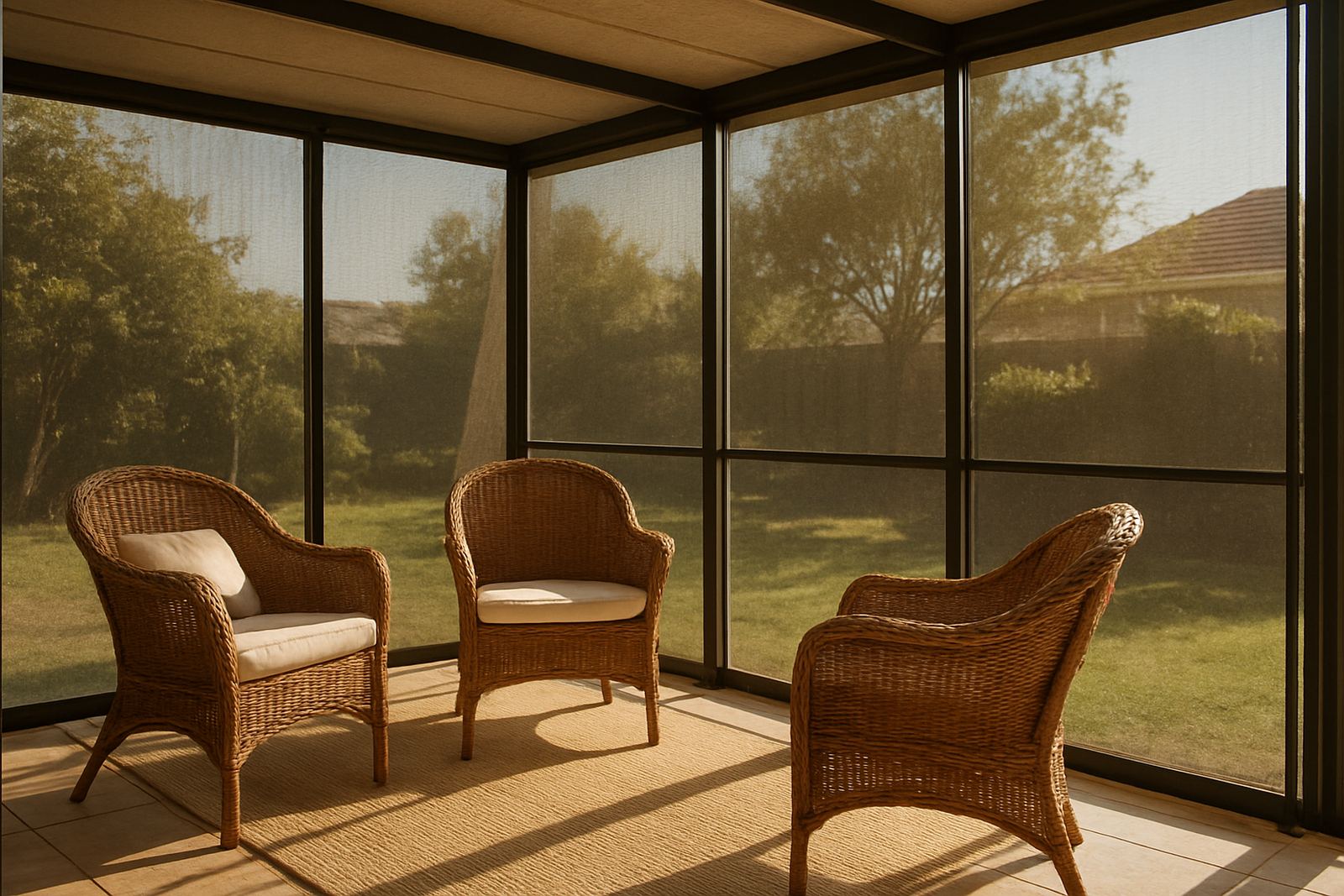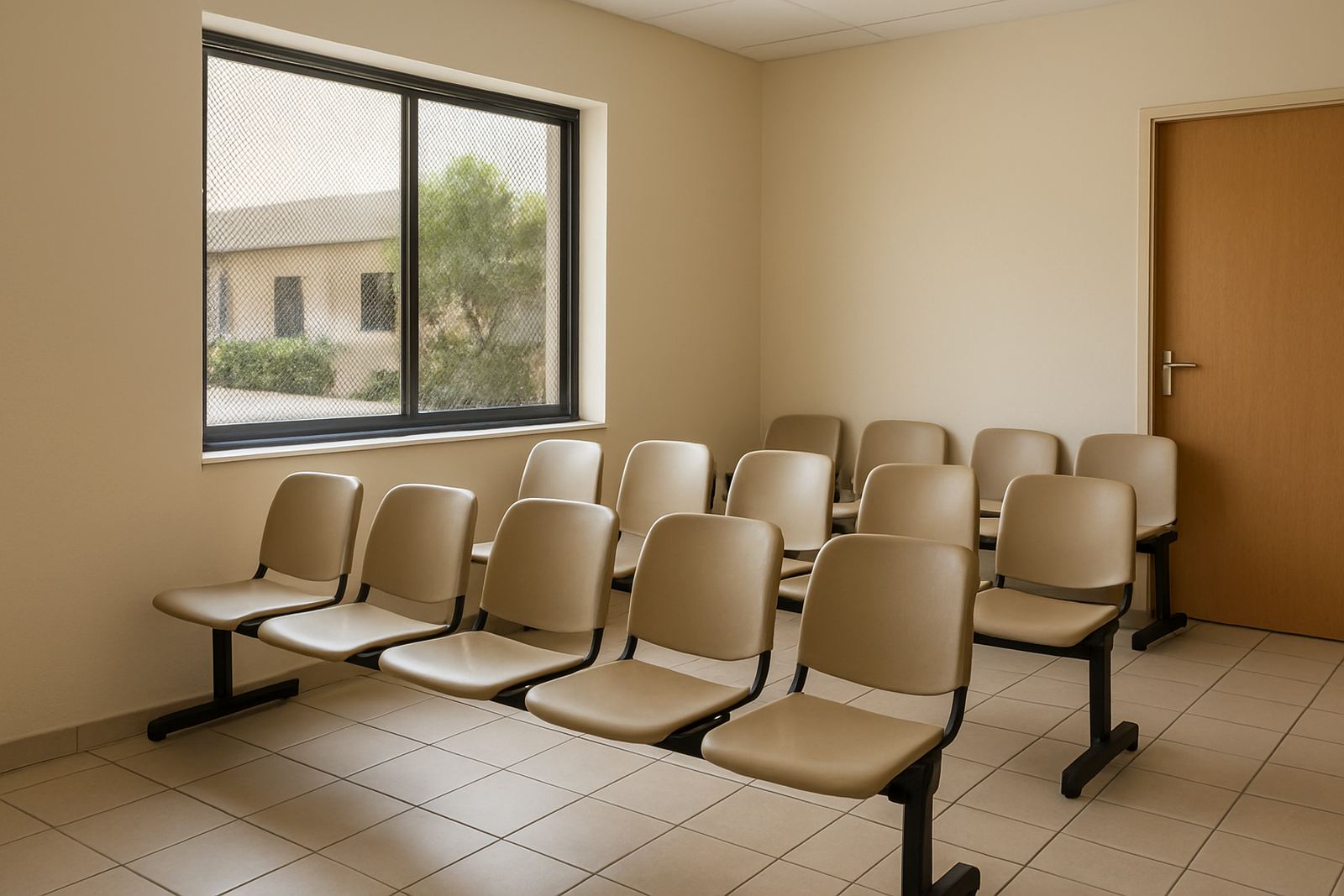
Why clinics in Gqeberha need the right screen setup
In a clinic, every opening has a job to do. Waiting rooms need fresh air without flies coming in, treatment rooms need privacy that still feels calm, and staff entries need a practical barrier that can stand up to daily use. In Gqeberha, Walmer and the coastal suburbs, salt air and summer humidity can also work against light fittings and standard fittings, so the screen choice matters from the start.
For medical and dental practices, the best result usually comes from a measured, made-to-fit approach rather than off-the-shelf products. Doorways are rarely standard, and many practices have a mix of aluminium frames, timber doors, sliding entrances and aluminium shopfront-style openings. We measure each opening on site, check the swing or slide action, and plan for the amount of traffic the opening gets through the day.
A clinic screen can be used as a simple insect barrier, a privacy aid, or a security layer on entry points. The aim is to keep the space comfortable for patients and staff while keeping access practical for cleaners, nurses and reception staff.
Screen options that suit waiting rooms and treatment areas
For clinic interiors, the most common choice is a discreet insect screen on a window or door that stays open for ventilation. Where privacy matters, finer mesh options help reduce direct sight lines while still allowing air movement. In entry areas, a stronger screen can be fitted to a single or double door without making the space feel closed in.
The usual set-up depends on the opening and the level of use:
- Sliding screens for entrance doors and service doors where space is tight
- Hinged screens for staff entries and side doors that open often
- Fixed screens for windows that stay open for airflow during business hours
- Security screens for entry points that need extra protection after hours
- Mesh replacement for older screens that are still structurally sound
For treatment rooms, a fine mesh is often preferred because it cuts down on insects without feeling heavy or dark. For staff entries and back doors, the focus is usually on durability, easy cleaning and a simple latch that will not give trouble after a few months of use.
Planning the layout around patient flow and hygiene
Good planning starts with movement. A clinic works best when patients can come in, sit down, and move to consultation rooms without bumping into screens or awkward door swings. We look at where people queue, where trolleys move, and which doors are opened all day. If a screen blocks a passage or slows down staff, it will quickly become a problem.
For hygiene and cleaning routines, the frame finish and hardware also matter. Smooth surfaces are easier to wipe down, and a well-fitted screen leaves less room for dust build-up at the edges. In coastal areas like Walmer and Summerstrand, corrosion resistance is worth factoring in early, especially on doors near sea air or exposed parking areas.
Planning notes to keep in mind:
- Leave enough clearance for door handles, closers and wheelchair access
- Check whether the screen must work with security gates or existing burglar bars
- Allow for after-hours locking if the opening faces a parking area or pavement
- Choose mesh and frame finishes that are easy to clean and maintain
Where municipal rules or building management set limits on alterations, it helps to keep the installation neat and reversible. That is especially useful in leased medical suites and shared commercial spaces.
Common mistakes we see in medical and wellness practices
One of the biggest mistakes is fitting the wrong type of screen to a high-traffic door. A light screen on a busy entry will sag, rattle or start catching on the floor. Another common issue is ordering before proper measurements are taken. Even a small mismatch in height or width can leave gaps for insects or make the door hard to close.
Some clinics also choose a mesh that is too coarse for the setting. In a waiting room, that can let flies through when doors open repeatedly. In treatment spaces, poor mesh choice can feel untidy and reduce the sense of care. A third mistake is overlooking servicing. Tracks collect grit, hinges loosen, and rollers wear down faster in dusty conditions and on doors that are used all day.
To avoid these issues, we recommend a proper site measurement, a product consultation and a clear plan for use. That way the screen suits the room instead of the room having to adapt to the screen.
What a typical clinic screen package includes
A clinic often needs more than one screen type, especially if the practice has a public entrance, a side staff door and a few windows that need ventilation. A practical package may include a mix of insect screens and security screens, all made to the same standard so the look stays consistent through the building.
Typical equipment and services can include:
- Site measurements for doors, windows and side entries
- Product consultation for mesh type, frame colour and opening style
- Custom manufacture for non-standard openings
- Installation at the clinic, including commercial entrances
- Track servicing, hardware replacement and screen repairs
- Seasonal checkups before the hotter months or peak insect season
For practices with multiple consulting rooms, it often makes sense to standardise the openings where possible. That keeps future repairs simpler and helps with ordering spare parts or replacement mesh later on.
Budget ranges for clinic screens in Rand
Budget depends on the number of openings, the screen type and the hardware needed. A simple fixed insect screen for a window will usually cost less than a full security screen on a high-use entrance. Double doors, non-standard sizes and coastal-grade finishes will also push the price up. If the screens are part of a larger commercial fit-out, transport and labour may also be factored in.
As a rough guide, smaller clinic screen jobs are quoted per opening for basic insect screening, while more specialised doors and security screens is quoted per job depending on size and specification. Larger commercial rollouts, such as a group of consulting rooms or a multi-tenant medical centre, are usually quoted after a site measure so the pricing is accurate and not padded with guesswork. Ask for a quote
It is usually better to price the job on the real opening sizes than to choose the cheapest option first. A screen that fits well and lasts is better value than one that needs repairs after the first busy season.
Service across Gqeberha and the Eastern Cape
We work from Walmer in Gqeberha and install across nearby areas including Summerstrand, Newton Park, Uitenhage, Despatch, Jeffreys Bay and St Francis Bay. Clinic work can be booked for single practices or for larger estate and commercial rollouts where several openings need the same finish and standard.
After installation, support does not stop there. If a screen starts rubbing, the mesh loosens or hardware needs replacing, we can help with repairs, servicing and seasonal maintenance. For clinics, that matters because a faulty screen is not just an inconvenience it can affect comfort at reception and the daily running of the practice.
If you are setting up a new clinic or replacing older screens in an existing practice, start with a site measurement and a proper consultation. That gives you a cleaner result and fewer surprises once the doors are in use.