Why patio screens make outdoor time easier
A patio should be a place where the family can sit after work, have a braai, or enjoy tea without flies landing on everything. In Port Elizabeth and along the coast, that is not always simple. Wind can drive dust and rain onto the patio, mossies get busy at dusk, and salt air can work on fittings if the material choice is poor. A properly planned patio screen helps you use the space more often, with less fuss.
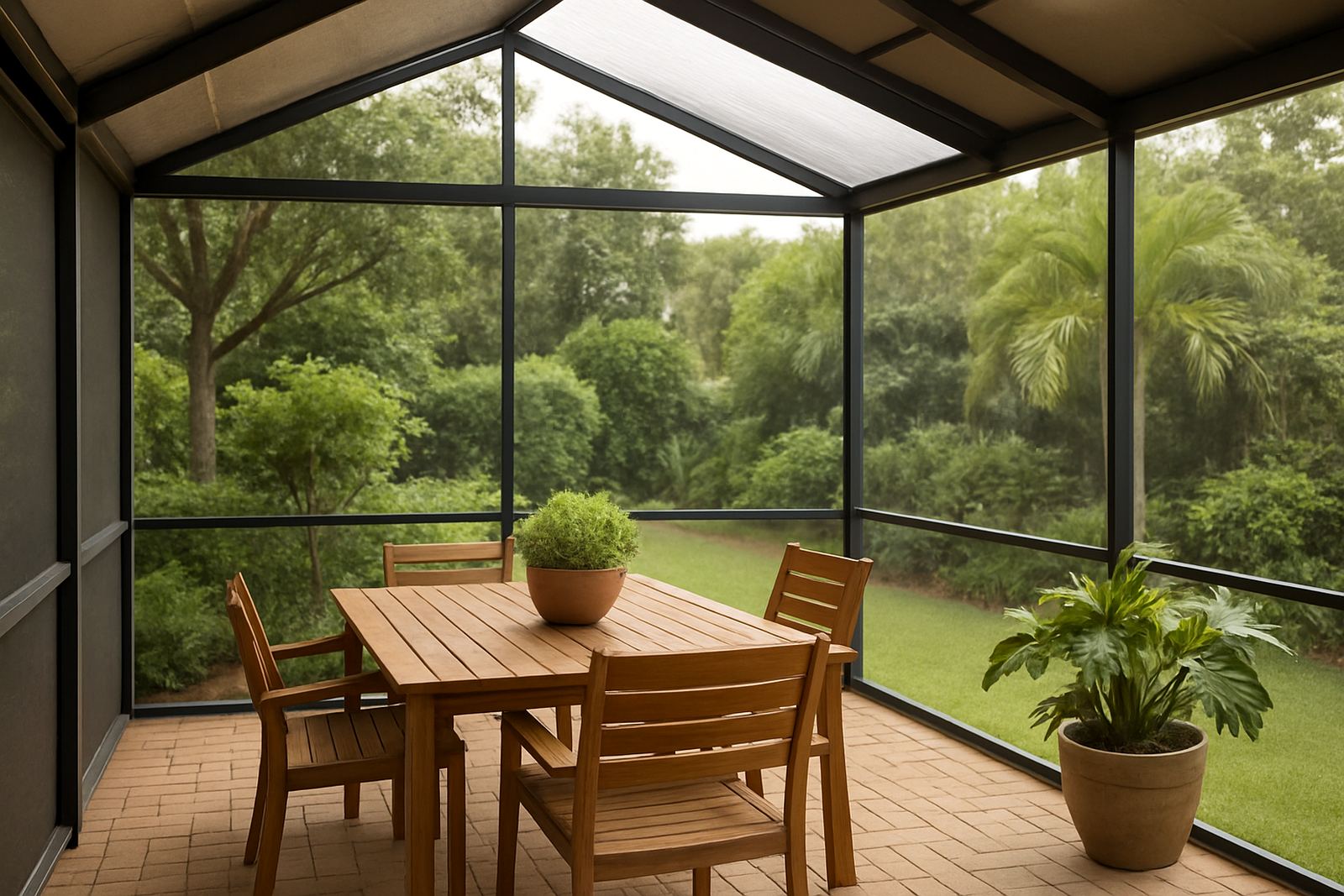
For many clients, the goal is not to close the patio off completely. It is to keep the space open enough for air flow, while adding protection where it matters most. That might mean a screened section for the dining table, a sliding screen for the doorway, or a fixed panel arrangement along the side where the wind comes through. We look at how the patio is used, where the sun hits, and whether the area needs insect control, privacy, shade or a bit of security as well.
In Walmer, Summerstrand and Newton Park, patios often form part of the everyday living area. In Jeffreys Bay and St Francis Bay, the coastal weather means corrosion resistance matters as much as the screen itself. The right product choice can mean fewer repairs and less trouble with tracks, rollers and hardware over time.
Screen options that suit a South African patio
Patios are rarely standard, so the product set has to match the opening and the way people move through it. We start with a site measurement and then recommend a practical combination of screens, mesh types and hardware. Some patios need a simple insect barrier. Others need a stronger screen for access doors or a shading layer for late afternoon sun.
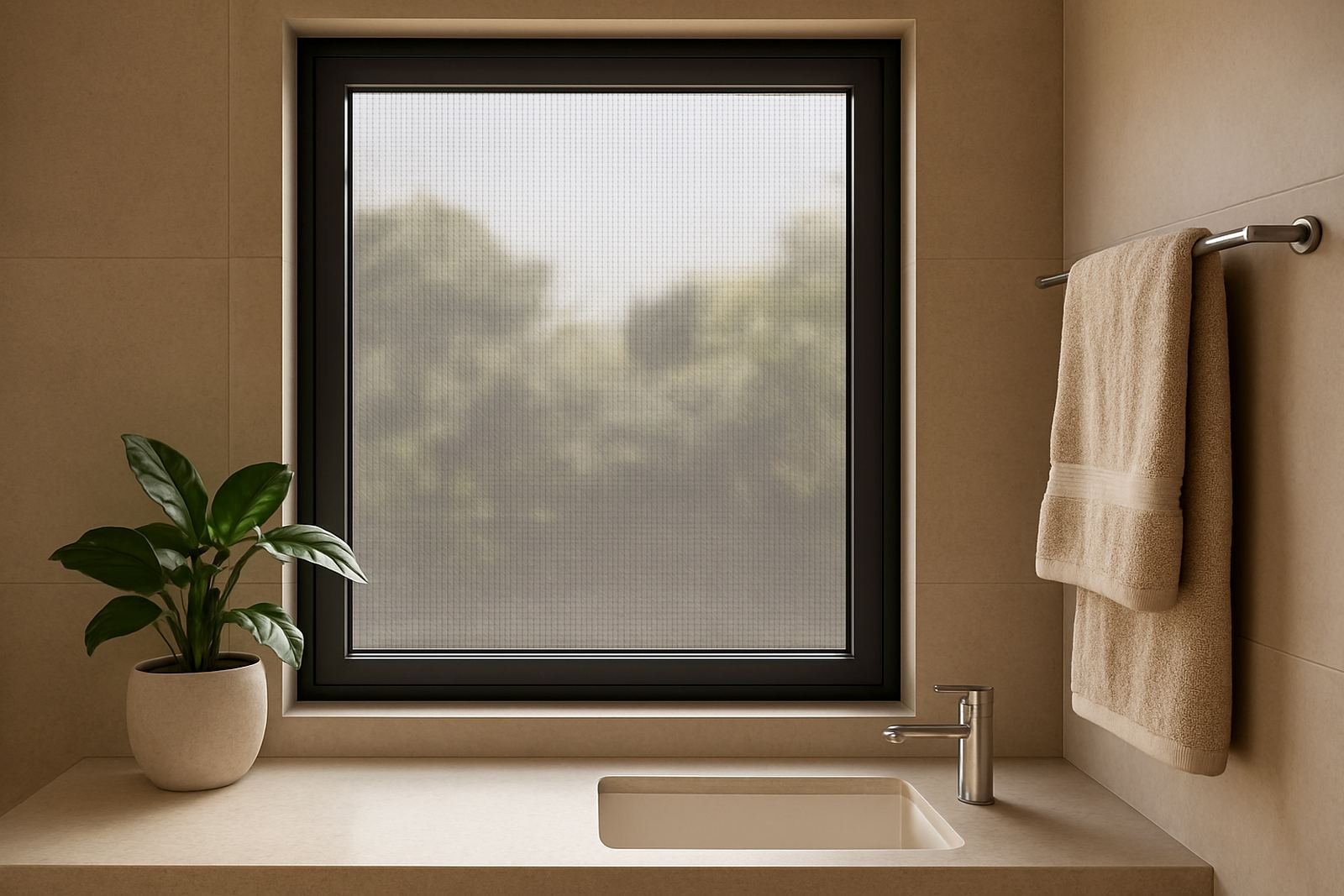
Typical equipment for patio work includes fixed panels, sliding screens, hinged screens, retractable insect screens and security screens. Mesh choice depends on the job. Fine insect mesh works well where small bugs are the problem, while stronger mesh is used where pets, children or security concerns come into play. On coastal properties, powder-coated frames and stainless or corrosion-resistant fittings are worth considering, because humidity and salt can shorten the life of cheap parts. That is where the extra rand often saves money later.
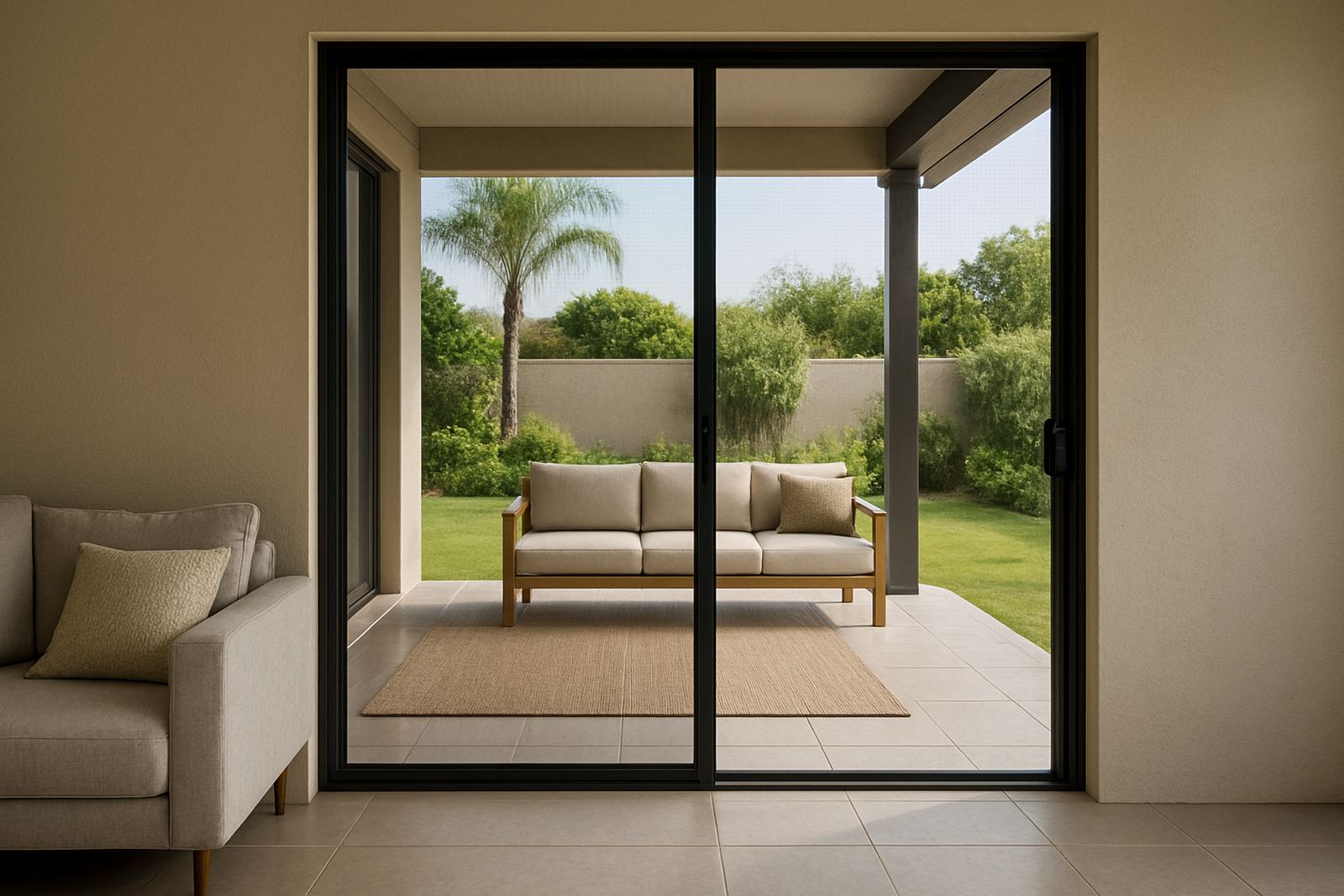
For larger patio openings, a track-based system may be the cleanest option. It allows the screen to move aside when you want the patio fully open and close again when the wind picks up. In tighter spaces, a hinged or fixed solution can be simpler and more affordable.
- Fixed patio screens for permanent insect control
- Sliding screens for wide openings and frequent use
- Retractable screens for a neater opening when not in use
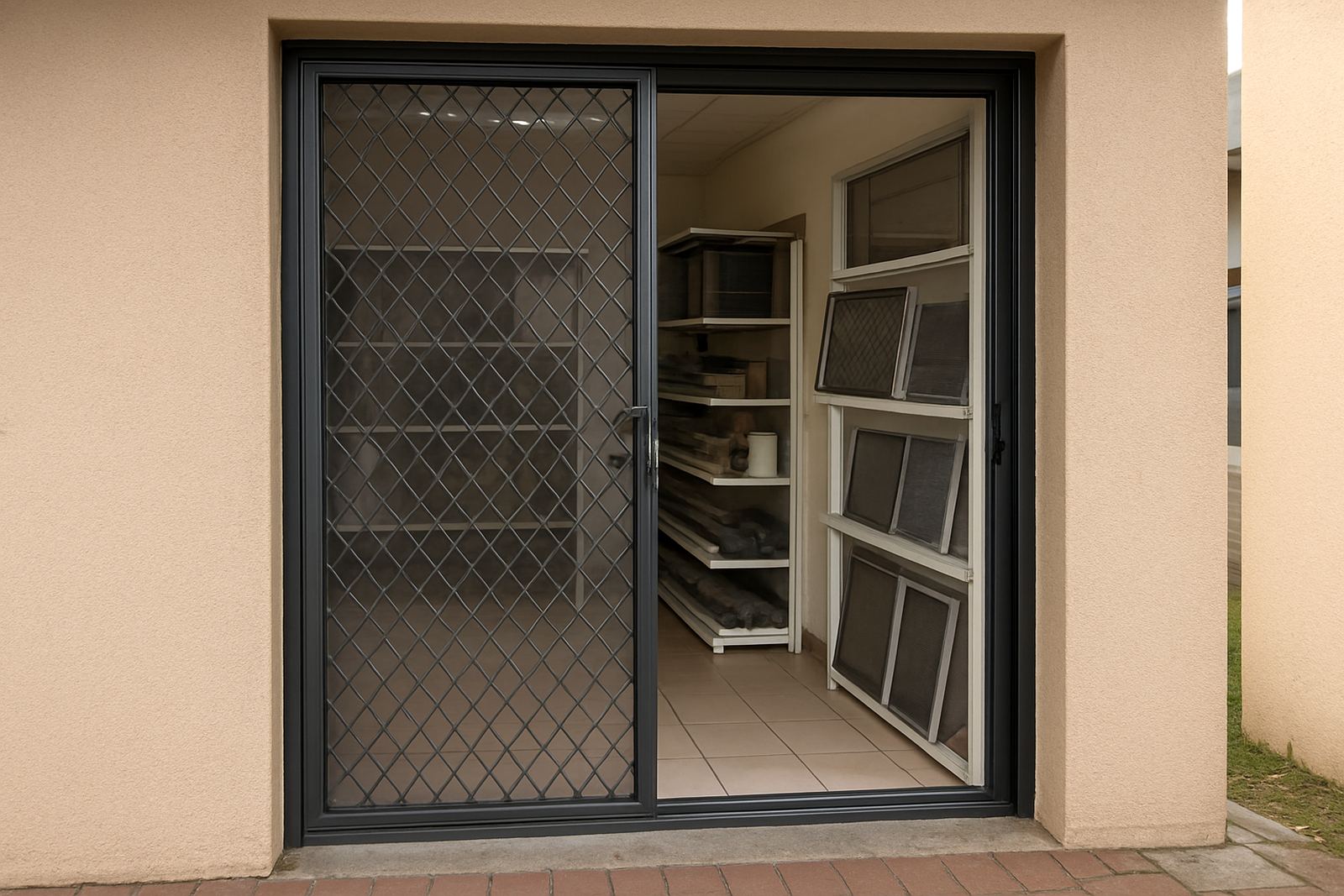
- Security screens for doors that need extra protection
- Shade screens where glare and afternoon heat are the main issue
Planning the layout so the patio still feels open
The best patio screen layouts are the ones people do not fight with every day. If the screen blocks the braai area, interferes with furniture, or makes the door awkward to open, it will annoy the household. Good planning starts with the traffic flow. We look at where people enter from the house, where the table sits, where the braai is placed, and how often the patio gets used for entertaining.
We also check for uneven paving, beams, columns and wall returns. These details matter because a screen that is even a few millimetres out can bind in the track or leave a gap. On patios exposed to strong south-easterly wind, panel placement and frame strength become even more important. It is not only about fitting the opening. It is about making sure the screen works when the weather turns.
For commercial spaces such as coffee shops, guesthouses and small restaurants, layout planning must also consider cleaning access and regular foot traffic. The screen should be easy to operate, service and repair if needed. A good setup should not turn into a weekly headache.
- Measure the opening in more than one place, especially if the floor slopes
- Check how the door swings and where handles project
- Allow enough clearance for braai smoke and ventilation
- Plan for wind exposure, especially on upper balconies and seafront patios
Common mistakes we see on patio jobs
A lot of problems start with trying to make a standard product fit a non-standard opening. Patios in Gqeberha and surrounding towns come in all sorts of shapes and sizes, and shortcuts usually show later. One common mistake is choosing a mesh that is too light for the environment. Another is using hardware that is not suited to the coastal climate, which can lead to rusted screws, noisy rollers and stiff tracks. Then there are the jobs where the screen looks neat on day one but leaves a gap at the bottom because the paving was never checked properly.
Another issue is ignoring the way the space is used. A family patio needs a different setup from a guesthouse veranda or an office courtyard. If children, pets or regular visitors use the area, the screen must be durable and easy to operate. We also see people ordering screens without thinking about maintenance. Screens do need seasonal checkups, mesh replacement now and then, and the occasional hardware change. That is normal, but it is easier when the original system was planned with servicing in mind.
For estate properties, there may also be rules on appearance, fixing methods or colour matching. It is always worth checking before installation, rather than finding out later that a change is needed. A little planning upfront avoids rework and extra cost.
What patio screens cost in Rand terms
Patio screen budgets vary quite a bit because openings, materials and access all change the price. A simple fixed insect screen for a small patio doorway will sit at the lower end, while a larger sliding or security setup for a wide entertainment area will cost more. Coastal hardware, stronger frames and special mesh can also add to the total. The important thing is to budget for the whole job, not just the visible screen.
As a practical guide, smaller patio screen projects may be quoted per job. Mid-range solutions for standard home patios often fall a quoted price. Larger, custom or security-focused installations are quoted per job, depending on width, height and finish. Commercial patio closures and estate rollout work are usually quoted after site measurement, because the details change the labour and material list. Ask for a quote
We also advise clients to allow for possible extras such as repairs to existing tracks, hardware replacement, mesh upgrades or seasonal servicing. If the old system is damaged, it can be more sensible to refurbish sections than replace everything. That depends on the condition of the frame and the type of wear.
How we handle patio screen projects in Gqeberha and beyond
ScreenMaster works from Walmer and installs across Gqeberha, Summerstrand, Newton Park, Uitenhage, Despatch, Jeffreys Bay and St Francis Bay. The process starts with an enquiry through our contact page, followed by a site measurement and product consultation. From there we confirm the layout, recommended materials and the likely lead time for custom manufacture.
Once the screens are ready, our installation team fits them carefully, checks operation and makes sure the finish suits the space. If the patio is part of a larger home improvement plan, we can also help with aftercare support, screen repairs and mesh replacement later on. For businesses and estates, we can coordinate multiple openings in a phased rollout so the work does not interrupt daily use.
The result should be simple: a patio that is easier to use, more comfortable in summer, and less frustrating when the wind, insects or humidity start acting up.