Why bathroom screens matter in coastal homes
In Gqeberha and the surrounding coastal towns, bathrooms pick up moisture quickly. With humid air, sea salt, and winter rain, a bathroom that cannot breathe often ends up with dull paint, lingering smells, and mould around the window frame or tile joints. A properly fitted bathroom screen helps you keep the window open for ventilation without inviting flies, mozzies, or windblown dust inside.
For many homes in Walmer, Summerstrand, Newton Park and the newer estates around Despatch and Uitenhage, the goal is simple: get airflow without making the room feel exposed. In guest bathrooms, en-suites, and ablution areas at small businesses, the screen also needs to look tidy and be easy to wipe down. That is where a measured, made-to-size solution works far better than a loose off-the-shelf panel.
Typical bathroom screen setups we fit
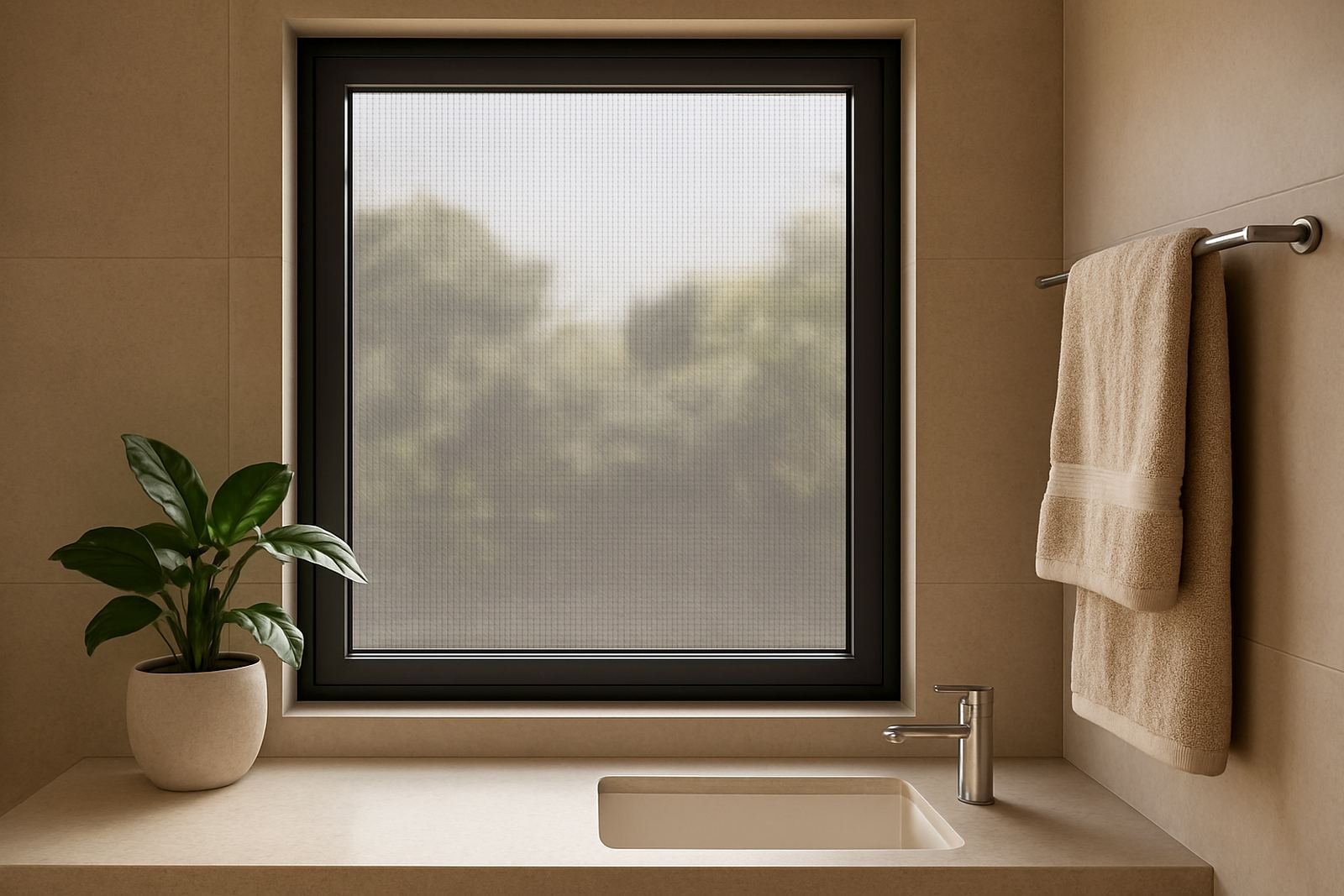
Bathroom screens are usually chosen for smaller windows, frosted glass openings, or louvre-style windows where privacy and airflow both matter. The frame, mesh or shading insert, and fixing method all depend on how the window opens, how much space is available, and whether the room needs extra privacy from neighbours or shared walkways.
- Fixed insect screens for standard bathroom windows
- Openable screen frames for windows that need regular cleaning access
- Privacy or shade inserts for street-facing bathrooms
- Corrosion-aware hardware for coastal conditions
- Mesh replacement on existing bathroom screens
For properties near the beach or in areas with strong afternoon sun, we often recommend materials and fixings that handle damp conditions better. Bathrooms are not the place for cheap parts that rust or warp after a few months. If the room gets a lot of steam from daily showers, the screen should still stay straight and snug against the opening.
Planning the right layout before you order
A good bathroom screen starts with a proper site measurement. Window size is only part of it. We also check the reveal depth, sill shape, opening direction, tile edges, and any towel rails or vanity tops that may affect access. On some properties in Walmer and St Francis Bay, the opening is square but the wall is not, so the frame must be made to suit the actual opening on site.
It also helps to think about daily use. If the bathroom window is opened for air after showers, the screen must allow quick cleaning and easy access to catches or stays. If the room is used by staff, guests, or tenants, durability matters because the screen will be handled more often. For businesses such as salons, medical rooms, and guesthouses, we can plan around cleaning routines and occupancy so the screen fits the way the room is used, not just the wall opening.
- Measure the exact opening, not the old frame alone
- Check for tile lips and uneven plaster around the window
- Allow for window handles, hinges, and opening arcs
- Choose a finish that suits the bathroom colour scheme
- Confirm whether the screen should be removable for cleaning
Common mistakes that cause bathroom screens to fail
Many problems start with poor sizing. If the frame is too tight, it can catch on the window or leave gaps at the corners. If it is too loose, insects get in and the screen can rattle in windy weather. In coastal areas, the wrong fasteners can also stain walls or begin to rust, which then spoils the neat finish people expect in a bathroom.
Another common issue is choosing a mesh or insert that blocks too much light. Bathrooms already tend to be small, so the screen must keep the room airy and bright. Some clients also forget to think about cleaning access. If a screen cannot be removed or serviced easily, dust, soap residue and moisture build up around it. That becomes a problem in a hurry, especially in busy family homes and rental units.
- Skipping accurate site measurements
- Using hardware that does not cope with damp air
- Placing a screen where it blocks the opening or handle
- Choosing a finish that clashes with the bathroom fittings
- Not planning for service access and regular cleaning
Budget ranges for bathroom screens in Rand
Budget depends on the window size, the number of bathrooms, the finish chosen, and whether you need a new screen or repairs to an existing one. A small single bathroom window will usually cost less than a wide opening in a guesthouse or office block. If there are multiple bathrooms on one site, the overall cost can improve because the measuring and installation are planned together.
As a guide, simple bathroom screen work is quoted per opening for a straightforward fit. Custom made screens with better finishes, privacy options, or more complex openings is quoted per opening. Repairs, mesh replacement, or track and hardware work may cost less, is often quoted per job depending on the condition of the existing frame. We prefer to quote after a site visit, because hidden issues like damaged plaster, corrosion, or an uneven opening can change the final figure. Ask for a quote
How ScreenMaster handles measurement and installation
We work from our Walmer base in Gqeberha and install across the Eastern Cape, including Jeffreys Bay, St Francis Bay, Despatch, Uitenhage and the broader Port Elizabeth area. The process starts with an enquiry, then a site measurement, followed by product advice and a clear recommendation for the bathroom in question. That may be a standard insect screen, a privacy screen, or a combination that suits the room better.
Once the screen is made, our installation team fits it carefully and checks the action of the window, the seal, and the finish around the frame. If there is existing hardware that needs replacing, or if a screen only needs track servicing and mesh replacement, we can handle that too. For body corporate properties, rental units, and small commercial sites, we can also plan rollouts across multiple bathrooms so the work is neat and consistent. The aim is practical: better airflow, fewer insects, and a bathroom that stays tidy without constant fuss.
Good maintenance keeps the finish looking tidy
Bathroom screens do not need a lot of attention, but a little care goes a long way. Wipe the frame with a soft cloth and mild soap every so often, especially after a humid spell or if the room is used often. Check that the opening still moves freely and that the edges are not rubbing against tile, plaster, or a painted reveal. In homes close to the coast, it is worth checking for early signs of salt build-up or corrosion around fixings.
Seasonal checkups make sense for homeowners who like to stay ahead of repairs. If the screen starts to bow, the mesh loosens, or the frame no longer sits flush, get it sorted before the damage spreads. A small adjustment now is cheaper than replacing the whole unit later, and it keeps the bathroom looking cared for, which matters in both family homes and customer-facing spaces.