Why Dining Room Screens Make Everyday Meals Easier
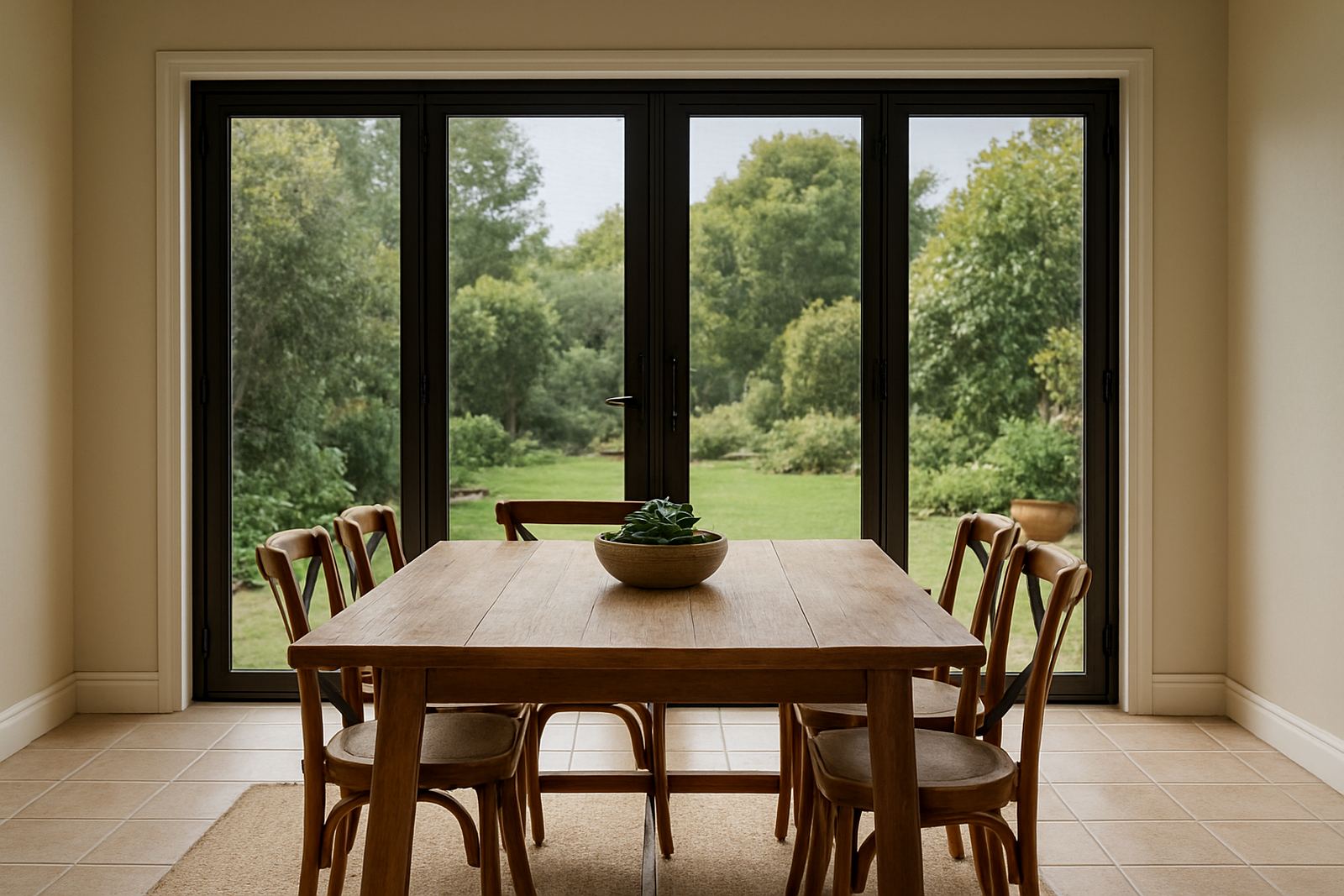
Dining rooms near sliding doors, serving hatches or covered patios often become the first place where insects, dust and strong afternoon sun cause trouble. In Walmer, Summerstrand and coastal homes further down the Bay, people often leave doors open for air, then spend the whole meal chasing flies or shutting everything again when the wind picks up. A fitted screen lets you keep that connection to the outside while still controlling what comes in.
For family homes, the goal is simple: keep the room comfortable for breakfast, lunch and supper without making the opening feel heavy or cluttered. For restaurants, lodges and small conference venues, screens also help with presentation. Staff can move between the dining space and patio service points more easily, and guests stay comfortable for longer. It sounds small, but it changes how the room works day to day. It also cuts down on constant cleaning around crumbs, pollen and bugs.
Most clients ask for a solution that is neat, easy to use and made for the opening they actually have. That is where proper site measurement matters. Dining room doors are not always square, and many older homes in Gqeberha have uneven thresholds, aluminium frames or out-of-plumb brick openings that need careful planning.
Typical Screen Options For Dining Areas
The right screen depends on how often the door is used, who opens it and whether the room faces a garden, pool, or braai area. We usually look at the layout before recommending a type. A screen that works well in a quiet family home may not suit a busy eatery with staff moving trays in and out all day.
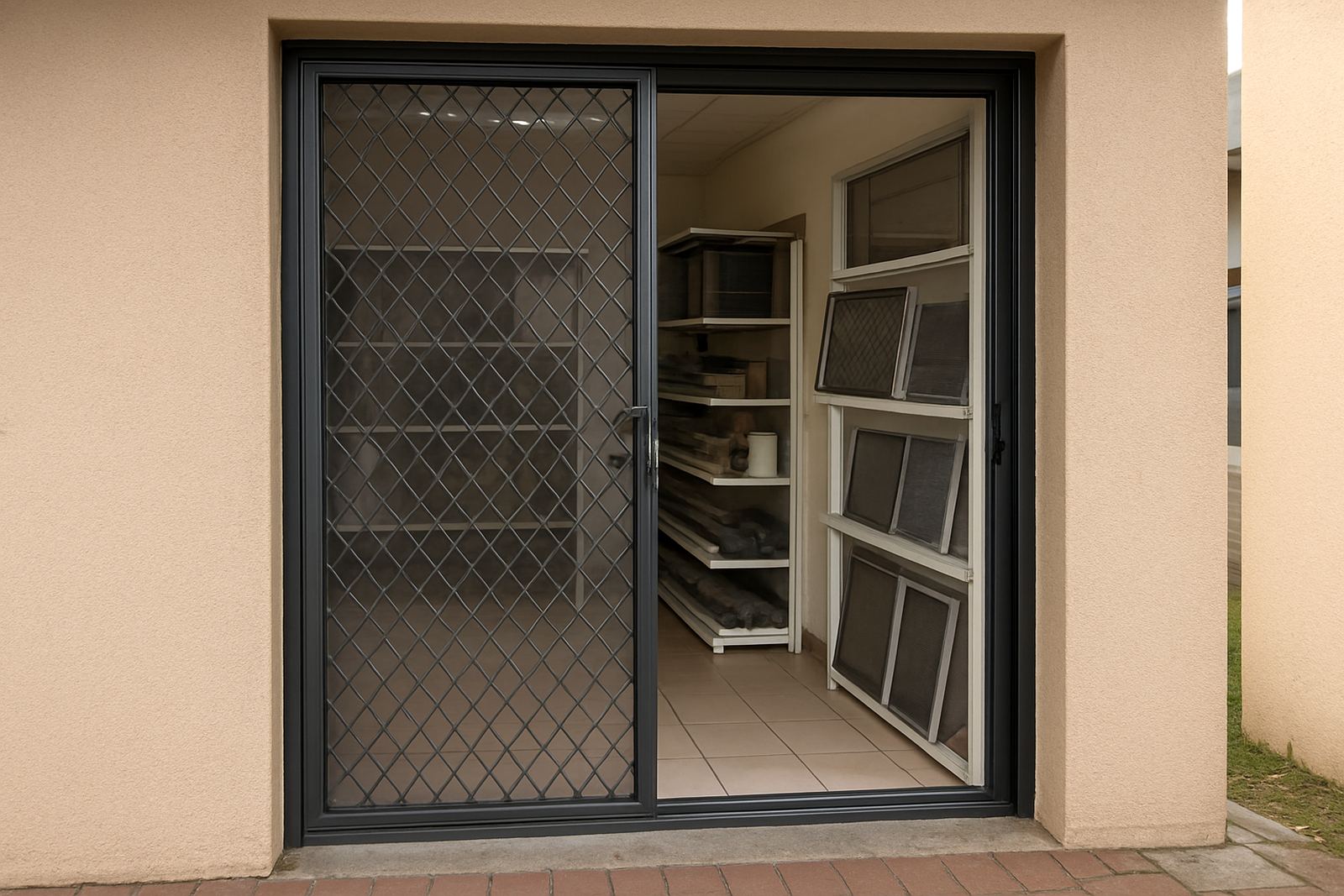
- Sliding insect screens for patio doors and wide openings that need smooth daily use.
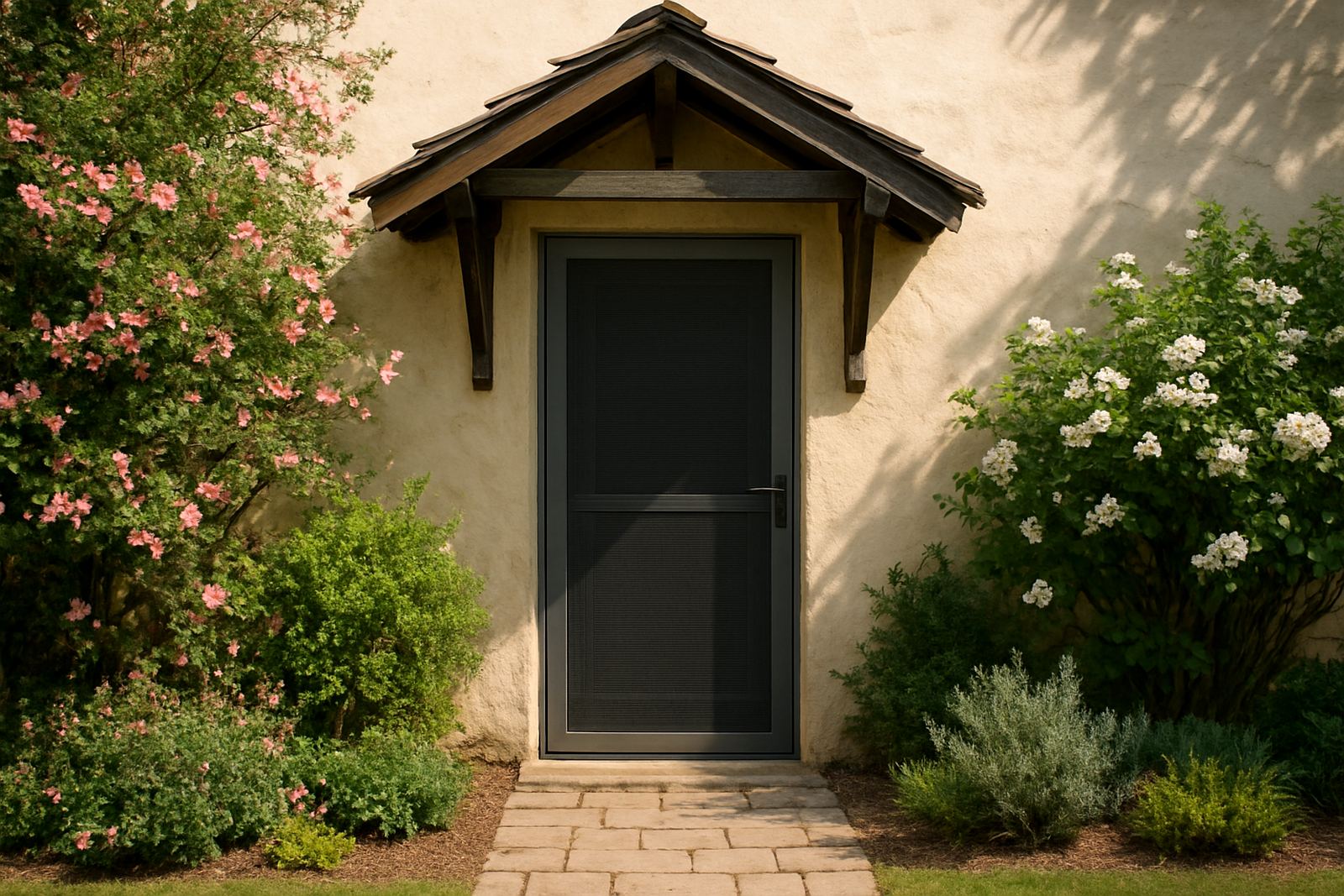
- Hinged screens for single doors where quick in-and-out access is important.
- Security screens where the dining room opens to an exposed patio or side passage and you want added peace of mind.
- Shading solutions for rooms that get hard western light in the late afternoon.
- Mesh replacement for existing frames that only need a refresh rather than full replacement.
- Track servicing and hardware replacement when old doors are sticking, rattling or dragging on the bottom rail.
The choice of mesh matters too. Fine insect mesh is useful where mosquitoes and small flies are the main issue, while more durable options suit homes with children, pets or heavier everyday use. In coastal areas, hardware selection is important because salt air can affect moving parts faster than people expect.
How To Plan The Layout Around Tables, Doors And Traffic
Dining room screening should fit the way people actually move. If the opening sits behind the main table, there must be enough clearance for chairs and people standing up without snagging the screen. If the door leads straight to a patio, it helps to think about serving routes, foot traffic and where the screen will stack or swing open. Good planning avoids a setup that is tidy on paper but awkward in real life.
We often suggest measuring around the furniture, not just the door frame. A sideboard, buffet table or drinks station can change how much space is available. In commercial spaces, plan for trolley movement, staff circulation and how the screen will perform during busy periods. If the opening faces the sea breeze or a load-shedding backup fan setup, make sure the screen still closes properly when the pressure changes inside the room.
- Check chair clearance before choosing a hinged option.
- Allow for door handles, catches and threshold height.
- Decide whether the screen needs to be child-friendly or pet-resistant.
- Consider sun direction if the room heats up late in the day.
- Choose finishes that suit aluminium, timber or painted frames.
At this stage, site measurements are the most important step. A few millimetres can make a door bind or leave a gap that lets insects in. That is why custom manufacture usually gives a better result than trying to force a standard size into an older home.
Common Mistakes That Lead To Poor Results
The biggest mistake is choosing a screen after the room is already furnished and the opening has been used for years without a proper check. People often focus only on the mesh and forget the frame, handles, runners and threshold. Another common issue is choosing a darker or heavier look when the dining room already feels small. The screen should support the room, not overpower it.
Another problem is underestimating wear. A dining room screen used several times a day will show stress faster than a bedroom screen. Tracks collect dust, rollers flatten, and latches loosen. In homes near gardens, mesh can also get clogged with pollen and fine grit. If this is ignored, the screen starts sticking and people stop using it properly.
For coastal installations around Gqeberha and Jeffreys Bay, the wrong hardware can corrode and stain surrounding finishes. For inland properties in Despatch or Uitenhage, dust and wind can cause the same kind of issues in a different way. A good installation takes those conditions into account from the start, not after the first fault call.
Budget Ranges For Dining Room Screens In Rand
Pricing depends on opening size, screen type, mesh choice and whether any repairs are needed to the existing frame or track. A single hinged insect screen for a standard dining door can start from about A quoted price. Sliding screens for wider dining room openings usually fall in the range of A quoted price, depending on size and finish. Security screen options are generally higher, often from A quoted price for custom work. Ask for a quote
If only the mesh needs replacement, costs are usually lower, often from A quoted price per screen depending on size and condition. Track servicing, hardware replacement and seasonal checkups are quoted separately when there is wear on the moving parts. For homes with several openings, the total can be planned in stages so the main dining door is done first and the others follow later. Ask for a quote
Commercial clients and estate managers often ask for a phased rollout. That works well when several dining spaces, service doors or communal eating areas need attention at once. It also helps with budgeting, especially where maintenance must be done around school terms, holiday letting cycles or occupancy periods. You do not need to do everything in one go if the plan is sensible.
What To Expect From A ScreenMaster Installation
ScreenMaster works from Walmer, with installs across Gqeberha and the Eastern Cape. The process starts with a site visit and measurements, then a product consultation to confirm the best type of screen for the opening. After that, the unit is custom manufactured and installed with attention to fit, movement and finish. If the existing setup needs attention, repairs can be handled at the same time.
Our team also supports aftercare, which matters when a screen is used every day. A dining room screen should close cleanly, open without scraping, and stay true over time. If a latch loosens or a roller wears out, it is much easier to sort it early than wait until the whole door starts giving trouble. That kind of basic care saves money and keeps the room usable.
- Site measurements for accurate fit.
- Product consultation based on opening size and use.
- Custom manufacture for homes and businesses.
- Home and commercial installations.
- Repairs, mesh replacement and track servicing.
Whether the dining room opens to a compact stoep or a large entertainment area, the aim is the same: clean airflow, fewer insects and a space that feels ready for everyday use. A well-made screen should fade into the background and do its job without fuss.